
Thyme Planting Easy Method: 2026 Step-by-Step Guide
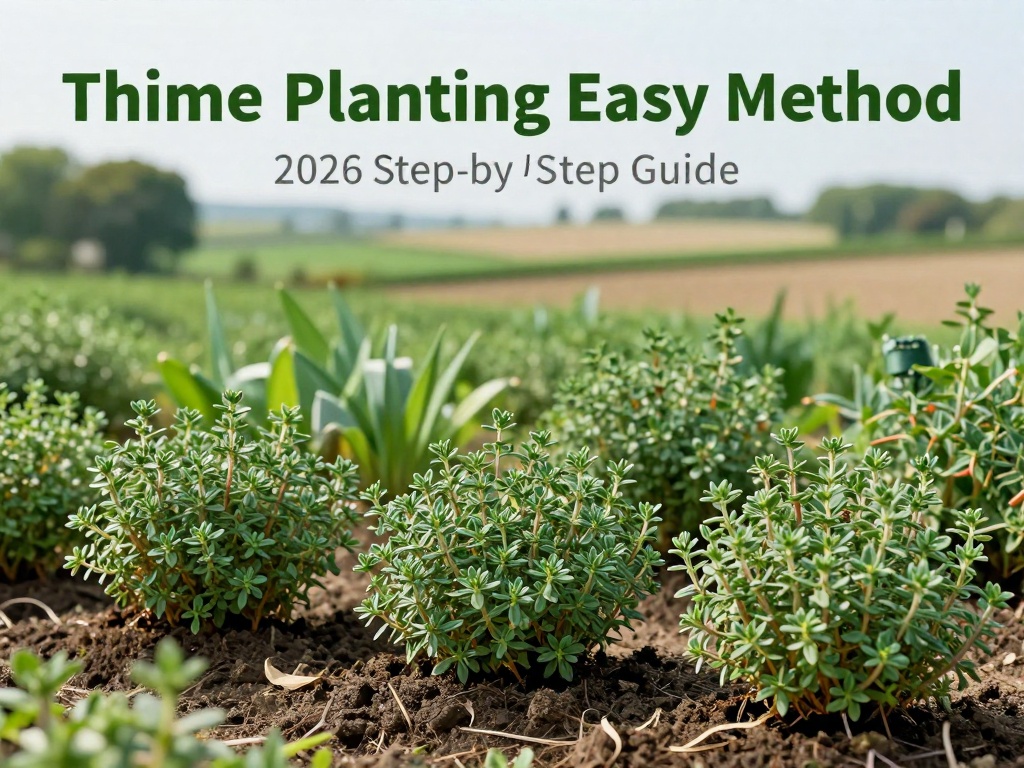
Thyme Planting Easy Method: 2026 Step-by-Step Guide
Thyme is one of the most rewarding herbs you can add to your garden. This Mediterranean beauty offers aromatic leaves, beautiful blooms, and requires minimal care once established. If you have been searching for a thyme planting easy method, you have come to the right place. This guide walks you through every step, ensuring your thyme thrives whether you plant it in containers, raised beds, or directly in your garden.
Why Grow Thyme? Benefits for Every Gardener
Thyme belongs to the mint family and has been cultivated for centuries for culinary and medicinal uses. This hardy perennial herb offers numerous advantages that make it perfect for both experienced and beginning gardeners.
Top Benefits of Growing Thyme
- Drought-tolerant: Once established, thyme survives with minimal watering
- Pest-resistant: Natural compounds repel many common garden pests
- Pollinator-friendly: Flowers attract bees, butterflies, and beneficial insects
- Culinary versatility: Enhances soups, stews, roasts, and marinades
- Low maintenance: Requires little attention beyond basic care
Choosing the Right Thyme Variety
Before starting your thyme planting easy method, select a variety that matches your needs. Different types of thyme offer unique flavors, growth habits, and visual appeal.
Popular Thyme Varieties for Home Gardens
Common Thyme (Thymus vulgaris) remains the most widely grown variety. It features upright growth reaching 12-15 inches and delivers the classic thyme flavor essential for cooking.
Creeping Thyme (Thymus serpyllum) works wonderfully as ground cover or in containers. It spreads vigorously and produces colorful flowers in pink, purple, or white.
Lemon Thyme (Thymus citriodorus) combines thyme's earthiness with bright citrus notes. Its variegated leaves add visual interest to any garden space.
English Thyme offers premium flavor ideal for culinary uses. Many gardeners consider it superior for seasoning dishes.
When to Plant Thyme: Timing Matters
Timing your thyme planting correctly determines success. This Mediterranean herb loves warmth and struggles in cold, waterlogged soil.
Best Planting Seasons
Spring planting works best in most regions. Wait until all danger of frost passes and soil temperatures reach at least 60°F (15°C). This typically means late April through May in northern areas.
Fall planting suits gardeners in warm climates with mild winters. Plant at least six weeks before first expected frost to allow root establishment.
Avoid planting during hot summer months when transplant stress increases. The easy method involves timing your planting when conditions support healthy root development.
Selecting the Perfect Location
Thyme demands full sun and excellent drainage. These non-negotiable requirements separate thriving plants from struggling ones.
Site Requirements for Healthy Thyme
Sunlight: Provide at least 6-8 hours of direct sunlight daily. More sun produces stronger flavor and denser growth.
Drainage: Choose raised areas or slopes where water drains quickly. Standing water causes root rot and kills thyme plants rapidly.
Soil type: Sandy or loamy soil with poor to moderate fertility works perfectly. Avoid rich, heavy clay that retains excess moisture.
Protection: Position plants where they receive shelter from harsh winds, especially in colder regions.
The Easy Thyme Planting Method: Step by Step
Follow this straightforward thyme planting easy method for consistent results every time. These steps transform bare roots or seedlings into flourishing plants.
Step 1: Prepare Your Soil
Begin by testing your soil drainage. Dig a hole 12 inches deep, fill it with water, and time how long drainage takes. Good drainage empties the hole within 1-2 hours. If water stands longer, create raised beds or amend soil with coarse sand and perlite.
Work compost into clay-heavy soil to improve structure. However, avoid over-amending with nitrogen-rich materials. Thyme actually prefers leaner soil conditions.
Step 2: Harden Off Seedlings
If using nursery seedlings, acclimate them gradually. Place plants outside for increasing periods over 7-10 days. Start with 2 hours in shade, progressing to full days, then overnight exposure before transplanting.
This hardening process prevents transplant shock and builds plant resilience. Skipping this step commonly causes setback or plant loss.
Step 3: Space Plants Correctly
Space thyme plants 12-18 inches apart in rows. This spacing allows air circulation, reduces disease risk, and provides room for mature growth. For container planting, use pots at least 8 inches wide with drainage holes.
Step 4: Plant at Proper Depth
Dig holes the same depth as the root ball but 1.5 times wider. This encourages roots to spread horizontally. Place the plant so the crown sits level with or slightly above surrounding soil. Backfill gently, pressing soil to eliminate air pockets.
Step 5: Water Initially and Mulch Lightly
Water thoroughly after planting to settle soil around roots. Apply a thin mulch layer (1-2 inches) of gravel or light-colored stone. This reflects sunlight, keeps roots cool, and improves drainage around the crown.
Avoid heavy organic mulches like wood chips that retain moisture. Stone mulch exemplifies the easy method by supporting thyme's drainage requirements.
Caring for Your Thyme: Simple Maintenance
One reason thyme suits beginners is its minimal care requirements. Follow these simple practices to keep plants healthy and productive for years.
Watering Guidelines
Established thyme requires watering only during prolonged drought. Provide deep watering when the top 2-3 inches of soil feel completely dry. Avoid frequent shallow watering that promotes weak, shallow roots.
Container-grown thyme needs more attention. Check soil moisture every few days during summer and water when the top inch becomes dry.
Feeding Your Plants
Thyme thrives without fertilizer in most cases. Poor soil actually concentrates essential oils that create thyme's flavor. If growth appears extremely slow, apply a diluted balanced fertilizer once in early spring.
Pruning for Health and Vigor
Prune thyme plants every spring after new growth appears. Cut back woody stems by about one-third, shaping plants into rounded mounds. This prevents center die-out and encourages fresh, productive growth.
Harvest regularly by cutting sprigs as needed. Frequent harvesting naturally shapes plants and promotes bushier growth.
Growing Thyme in Containers: Perfect for Small Spaces
The thyme planting easy method works beautifully in containers. This approach suits apartment dwellers, those with poor soil, or anyone wanting herbs close to the kitchen.
Container Selection and Setup
Choose pots at least 8-10 inches wide with multiple drainage holes. Terra cotta or unglazed ceramic containers work exceptionally well because they allow soil to dry rapidly.
Fill containers with a fast-draining potting mix. Combine equal parts potting soil, coarse sand, and perlite for optimal drainage. Never use garden soil alone in containers.
Container Care Tips
Position containers where they receive maximum sunlight. Move pots easily to follow sun patterns throughout the season. Reduce watering in winter when growth slows, but never let soil dry completely for extended periods.
Repot thyme every 2-3 years when plants outgrow their containers or soil appears depleted. Spring repotting allows quick recovery before active growth resumes.
Common Thyme Planting Mistakes to Avoid
Understanding common errors helps you sidestep problems. These mistakes frequently cause failure in thyme planting efforts.
Overwatering: The Primary Killer
More thyme plants die from overwatering than underwatering. Wait until soil dries significantly between waterings. Yellowing leaves, mushy stems, and stunted growth indicate overwatering problems.
Poor Drainage: A Fatal Flaw
Planting thyme in heavy, poorly draining soil guarantees failure. Always amend clay soil or elevate planting areas with raised beds. Containers must have adequate drainage holes.
Crowded Planting: Causes Disease
Spacing plants too closely restricts air circulation. Damp conditions without airflow promote fungal diseases. Follow spacing recommendations and thin interior growth if needed.
Harvesting and Using Your Thyme
Begin harvesting once plants establish and produce plenty of new growth. This usually means waiting until the second growing season for maximum harvest.
Harvesting Techniques
Cut sprigs in the morning after dew evaporates but before heat intensifies. Essential oil concentration peaks at this time. Take stems from different parts of plants to maintain shape and encourage bushier growth.
Never harvest more than one-third of the plant at once. Allow remaining foliage to sustain healthy regrowth.
Storage Methods
Fresh thyme stores in the refrigerator for 1-2 weeks wrapped in damp paper towels. For long-term storage, dry sprigs by hanging them in bundles or using a dehydrator. Properly dried thyme maintains flavor for 1-2 years.
Troubleshooting Common Thyme Problems
Even with the easy method, occasional issues arise. Quick identification and correction restore plant health.
Leggy Growth
Insufficient light causes stretched, weak growth. Move plants to sunnier locations or supplement with grow lights. Pruning also encourages denser, more compact growth.
Woody, Bare Centers
Mature thyme naturally becomes woody in the center. Regular spring pruning prevents this problem. Once bare centers develop, replacement becomes necessary for best results.
Winter Damage
Cold, wet winters damage thyme more than cold alone. Ensure excellent drainage heading into winter. Apply gravel mulch around crowns to prevent rot. Remove damaged growth in spring once new growth appears.
FAQ: Frequently Asked Questions About Thyme Planting
What is the easiest way to plant thyme for beginners?
The easiest method involves planting nursery seedlings rather than starting from seeds, as thyme seeds germinate slowly and require careful attention. Plant seedlings in well-draining soil under full sun, water lightly until established, and maintain minimal care going forward. This approach provides immediate results compared to seed starting.
Can I plant thyme directly in the ground?
Yes, thyme grows excellently in the ground when provided proper conditions. Ensure your soil drains quickly and receives 6-8 hours of daily sunlight. Amend heavy clay with sand or create raised beds to improve drainage before planting.
How long does thyme take to grow from planting?
Nursery seedlings establish within 2-3 weeks and become harvestable within 4-6 weeks after planting. Plants reach mature size within one growing season. From seed, germination takes 14-28 days, with harvestable plants developing within 3-4 months.
Does thyme need full sun to thrive?
Thyme absolutely requires full sun exposure of at least 6-8 hours daily. Partial shade results in weak, leggy growth and diminished flavor. The more sun thyme receives, the more intense its essential oils and aromatic qualities become.
How often should I water newly planted thyme?
Water new thyme plants every 2-3 days during the first month while roots establish. Reduce frequency gradually as plants develop. Once established, water only during extended drought periods, typically every 10-14 days or when soil becomes completely dry.
Can thyme grow in pots indoors?
Thyme grows successfully indoors in containers placed near south-facing windows receiving bright light. Ensure containers have drainage holes and use fast-draining soil mix. Indoor thyme requires careful watering to prevent overwatering issues common in indoor environments.
No comments