
2026 Guide to Garlic Crop Rotation in Containers for Beginners
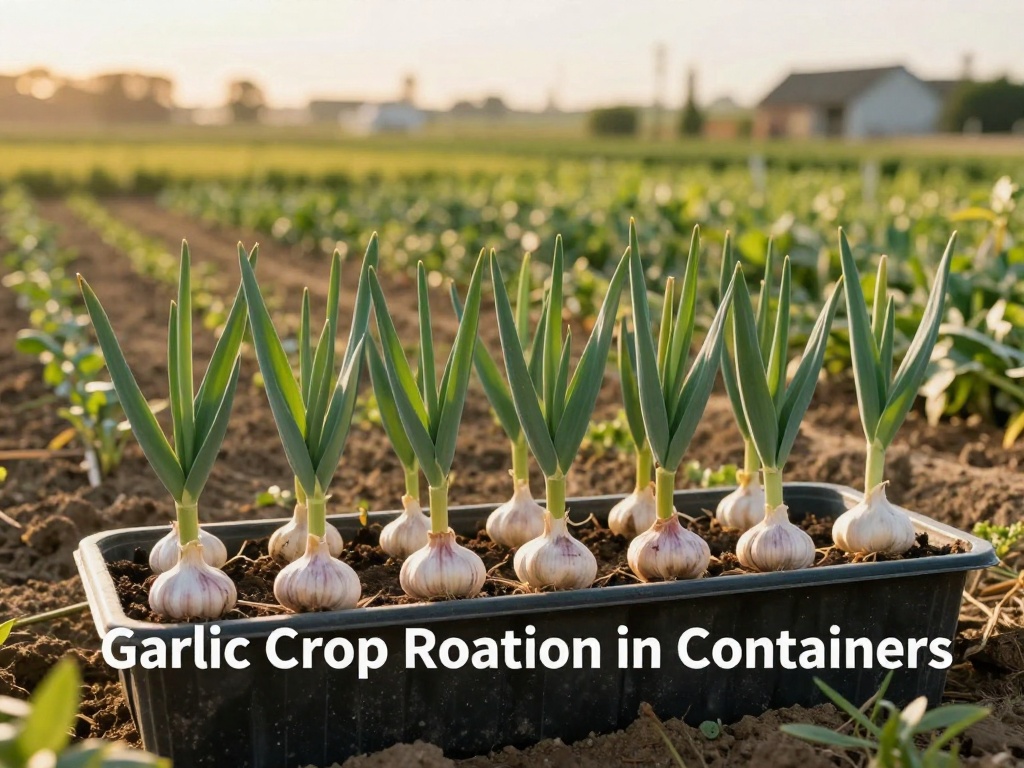
2026 Guide to Garlic Crop Rotation in Containers for Beginners
Garlic crop rotation in containers offers an excellent solution for gardeners with limited space who want to maximize their harvest. This organic method prevents soil depletion, reduces pest problems, and ensures your garlic plants receive the nutrients they need to thrive. Whether you have a small balcony, patio, or sunny windowsill, rotating crops in containers can transform your gardening experience. In this comprehensive guide, you will learn step by step how to implement effective crop rotation for garlic in confined growing spaces.
Why Crop Rotation Matters for Container Garlic
Understanding the importance of rotating your garlic crops is essential for long-term container gardening success. When garlic grows in the same container year after year, soil nutrients become depleted, particularly nitrogen and sulfur. Additionally, soil-borne diseases and pests specific to allium plants accumulate, attacking your garlic bulbs season after season. Crop rotation breaks this harmful cycle by moving garlic to fresh containers with nutrient-rich, disease-free soil. This natural approach also improves soil structure and supports beneficial microorganisms that help your plants flourish.
Benefits of Rotation in Small Spaces
Many beginners assume that limited space means they cannot practice effective crop rotation, but containers actually make this easier. You can simply move containers to different locations, replacing or refreshing the growing medium as needed. Container gardening allows you to completely change the soil environment without the physical labor of in-ground bed preparation. This flexibility means even apartment dwellers can enjoy the benefits of a well-planned rotation system.
Step by Step Planning Your Garlic Container Rotation
Creating an effective rotation schedule requires thoughtful planning that spans multiple growing seasons. The fundamental principle involves never planting garlic or other alliums in the same container for at least three to four years. This rotation period allows enough time for soil pathogens to die off and for nutrients to naturally replenish. Start by assessing your available containers and grouping them based on size and placement to create a manageable rotation plan that fits your space constraints.
Understanding the Four-Season Rotation Model
The most effective crop rotation follows a four-season model that categorizes plants by their plant family and nutrient needs. For garlic grown in containers, follow this sequence: heavy feeders like tomatoes or peppers first, then root vegetables such as carrots, followed by legumes that fix nitrogen in the soil, and finally alliums like garlic. This systematic approach ensures each container receives the right nutrient balance while minimizing disease and pest buildup. Keep a simple garden journal to track which plants go where each season.
Best Companion Plants for Garlic Rotation
Choosing the right companion plants when rotating garlic containers significantly impacts your overall harvest success. Garlic grows exceptionally well after leafy greens like lettuce and spinach, which leave soil relatively light and loose. Following garlic with nitrogen-fixing plants such as peas or beans helps restore nutrients that alliums consume heavily. Avoid planting garlic after other alliums, including onions and shallots, as these share the same disease vulnerabilities.
Plants to Avoid Near Garlic Containers
Certain plants should be kept separate from your garlic containers during rotation planning. Beans and peas suffer when grown near garlic, as allicin compounds can inhibit their growth development. Similarly, asparagus planted near garlic experiences reduced vigor and productivity over time. Understanding these plant relationships helps you position containers strategically for optimal results in your gardening area.
Container Preparation for Maximum Yield
Proper container preparation forms the foundation of successful garlic crop rotation in containers. Choose containers that are at least 8 inches deep with adequate drainage holes to prevent waterlogging, which causes garlic bulbs to rot. Use high-quality potting mix enriched with compost rather than garden soil, as garden soil compacts too heavily in containers. Refresh at least half of the potting medium when rotating crops to introduce fresh nutrients and improve soil structure.
Soil Health Maintenance Between Rotations
Maintaining healthy soil between planting seasons ensures your containers remain productive for years of rotation use. Add a layer of fresh compost or aged manure to the container surface after harvesting and before planting the next crop. Consider using organic liquid fertilizers during active growth periods to supplement container nutrients that drain away with watering. Solarizing soil by placing clear plastic over moist containers in full sun for several weeks can help eliminate soil-borne pathogens naturally.
Seasonal Timing for Container Garlic Rotation
Timing your garlic planting and rotation cycles correctly aligned with your local climate determines the size and quality of your harvest. In most regions, hardneck garlic planted in fall produces the largest bulbs, while softneck varieties can go in during early spring or fall. When rotating crops, plan your transition periods to ensure each plant type receives appropriate growing conditions. Fall harvest of garlic typically occurs in late summer, giving you time to prepare containers for cool-season crops like lettuce or spinach.
Year-Round Rotation Schedule Example
Creating a practical rotation schedule helps visualize your container garden management throughout the year. Consider this sample rotation for a single container: spring through summer grows tomatoes, fall through early summer follows with beans, then autumn planting produces carrots, and finally fall garlic completes the four-season cycle. Adjust this template based on your climate zone, available space, and personal vegetable preferences to create a customized plan that works for your situation.
Troubleshooting Common Container Rotation Issues
Even with careful planning, container gardeners encounter challenges that require adjustments to their rotation strategies. Yellowing garlic leaves often indicate nutrient deficiency, which can be remedied with organic amendments when rotating in fresh compost. Fungal issues like white rot spreading between containers require immediate isolation and disposal of affected soil. Monitoring your containers regularly helps catch problems early before they compromise your entire rotation system.
Preventing Pest Accumulation
Pests specific to garlic and alliums can build up in containers that receive repeated plantings of related crops. Onion maggot flies and thrips overwinter in soil and debris, emerging to attack new plantings. Rotating garlic with unrelated plant families breaks this pest cycle naturally, reducing infestations without chemical interventions. Companion planting with aromatic herbs like thyme and mint near your containers provides additional pest deterrence through natural repellents.
Advanced Tips for Experienced Container Gardeners
Once you master basic crop rotation principles, implementing advanced techniques can further improve your container gardening results. Consider constructing a simple raised bed frame from pallets that holds multiple containers, allowing you to rotate entire groups at once. Installing drip irrigation systems beneath containers ensures consistent moisture levels while reducing water waste through evaporation. Experiment with cover crops like clover or vetch planted in containers during off-seasons to fix nitrogen and prevent soil erosion.
Integrating Perennial Herbs into Your Rotation
Adding perennial herbs to your container rotation strategy provides long-term stability and pest management benefits. Herbs like chives, oregano, and thyme naturally repel many garlic pests while thriving in the soil conditions alliums prefer. Place these perennial containers at the edges of your rotation area where they remain undisturbed for years. Their presence creates a natural barrier against pests while providing fresh culinary herbs throughout the growing season.
FAQ
How often should I change the soil in my garlic containers?
Change at least 50-70% of the potting soil each time you rotate to a new crop family. Completely replace the soil every two to three years for garlic containers to prevent disease buildup and maintain optimal nutrient levels for healthy bulb development.
Can I grow garlic in the same container every year if I add fertilizer?
No, fertilizer alone cannot prevent soil-borne diseases and pest accumulation that occur when garlic follows itself. Even with excellent nutrition, pathogens specific to alliums will accumulate and eventually devastate your crop, making proper rotation essential regardless of fertilization practices.
What is the best month to plant garlic in containers?
Hardneck garlic varieties should be planted 4-6 weeks before your first fall frost date, typically September through November in most regions. Softneck garlic can be planted in fall or early spring, giving you more flexibility when planning your rotation schedule.
How much does container garlic rotation cost compared to in-ground gardening?
Container rotation requires initial investment in pots and quality potting mix, typically $50-100 for a starter collection. However, you save money long-term by avoiding expensive soil amendments and soil replacement that in-ground beds require for effective rotation.
What results can I expect in the first year of practicing rotation?
While benefits compound over years, you should notice improved plant vigor, larger bulbs, and fewer pest issues compared to continuous garlic planting. Full disease suppression typically requires completing at least one full four-season rotation cycle to achieve maximum results.
Is crop rotation necessary for small containers with only a few garlic plants?
Even for minimal garlic plantings, rotation prevents disease and pest buildup that would eventually kill your plants. With only a few containers, simply designate them as your "garlic containers" and rotate other crops through them following the four-season model for best results.
No comments