
Herb Companion Planting in Containers: 2026 Complete Grower's Guide
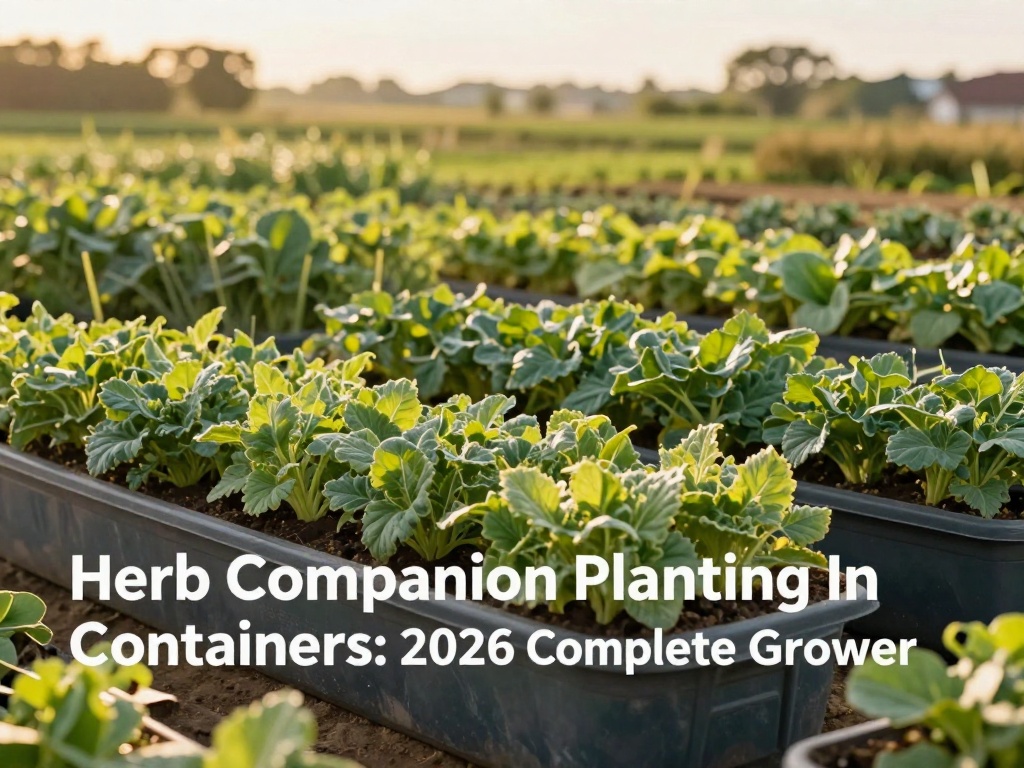
Herb Companion Planting in Containers: 2026 Complete Grower's Guide
Herb companion planting in containers offers urban gardeners and small-space enthusiasts an incredible opportunity to grow fresh, aromatic herbs without needing a sprawling garden. This comprehensive guide walks you through proven companion planting strategies specifically designed for container growing, helping you maximize your harvest even in the smallest balconies, patios, or windowsills.
Whether you are growing basil for beginners or experimenting with Mediterranean herb combinations, understanding which herbs thrive together in confined spaces can transform your container garden from struggling to flourishing. The key lies in matching herbs with compatible water needs, growth habits, and root systems.
Why Companion Planting Matters in Container Gardening
When you grow herbs in containers, space becomes your most precious resource. Companion planting allows you to combine plants that mutually benefit each other, creating a miniature ecosystem where each herb supports its neighbors. This approach naturally deters pests, improves pollination, and can even enhance the flavor profile of your herbs.
The Space Efficiency Advantage
Container gardening thrives on efficiency. By strategically pairing compatible herbs in a single container, you reduce the number of pots needed while increasing your overall herb production. A 14-inch container can comfortably hold three to four complementary herb varieties, delivering the equivalent output of multiple single-herb pots.
Natural Pest Prevention
Many aromatic herbs contain natural compounds that repel common garden pests. When planted together, these herbs create a protective barrier that benefits all plants in the container. This natural approach eliminates the need for chemical pesticides, making your herb garden truly organic and safe for consumption.
Best Herb Companion Planting Combinations for Containers
Classic Mediterranean Trio: Basil, Oregano, and Thyme
This Mediterranean combination represents one of the most successful herb companion planting pairings for containers. All three herbs originate from similar climates and share comparable water and sunlight requirements, making them ideal container companions.
- Basil provides aromatic oils that benefit neighboring herbs
- Oregano acts as a ground cover, preventing soil moisture loss
- Thyme attracts beneficial pollinators to the container
The Flavor Enhancers: Parsley, Chives, and Cilantro
These cool-season herbs create an excellent companion planting group for containers placed in partial shade. Their similar growth rates and harvest cycles make maintenance straightforward, while their combined flavors create a culinary powerhouse in your kitchen.
The Tall and Low Strategy: Rosemary with Lower-Growing Herbs
Rosemary's upright growth habit makes it an excellent centerpiece herb for large containers. Pair it with low-growing companions like thyme or creeping oregano, which cascade over the container's edges. This vertical layering maximizes your growing space while creating an attractive visual display.
Step-by-Step Guide to Container Companion Planting
Step 1: Select Appropriate Containers
Choose containers with adequate drainage holes and sufficient depth for root growth. A minimum depth of 8 inches works well for most culinary herbs, while deeper-rooted plants like rosemary require containers at least 12 inches deep. Terra cotta and fabric grow bags offer excellent breathability for herb roots.
Step 2: Prepare Your Growing Medium
Use a high-quality potting mix specifically formulated for container gardening. Avoid garden soil, which compacts in containers and may harbor disease organisms. Mix in perlite or coarse sand to improve drainage, essential for preventing root rot in Mediterranean herbs.
Step 3: Arrange Herbs by Compatibility
Place taller herbs in the center or back of your container, with medium-height herbs surrounding them and trailing varieties along the edges. This arrangement ensures all plants receive adequate light and airflow, crucial for preventing fungal diseases in humid conditions.
Step 4: Consider Growth Rates and Timing
Some herbs grow rapidly while others develop more slowly. Pair quick-growing herbs like basil and cilantro with slower varieties like rosemary and sage. This prevents one herb from overtaking the container and ensures continuous harvests throughout the growing season.
Herbs to Never Plant Together in Containers
Understanding which herbs should be separated is equally important for successful container gardening. Mint spreads aggressively through underground runners and will quickly overwhelm neighboring plants. Always grow mint in its own dedicated container to maintain balance in your herb garden.
Fennel contains growth-inhibiting compounds that affect most other herbs and vegetables. This standalone herb requires isolation in its own container to thrive without negatively impacting companions.
Water and Light Requirements for Container Herb Companions
Matching Water Needs
Group herbs with similar watering requirements in the same container. Mediterranean herbs including rosemary, thyme, oregano, and sage prefer drier conditions and well-draining soil. Conversely, basil, parsley, and chives appreciate more consistent moisture. Mixing these opposite water preferences in one container leads to disappointment.
Sunlight Considerations
Most culinary herbs require at least six hours of direct sunlight daily. Position your container herb gardens in the sunniest available location. If you have limited sun exposure, prioritize shade-tolerant companions like mint, parsley, and chives, which perform adequately with four to six hours of light.
Seasonal Timing for Container Herb Companion Planting
Spring marks the ideal time for establishing new herb companion plantings in most climates. Wait until all frost danger passes before moving warm-season herbs like basil and rosemary outdoors. Cool-season companions including parsley, cilantro, and chives can tolerate light frosts and extend your harvest into fall.
Succession planting throughout the growing season ensures continuous production. Replace depleted cool-season herbs with heat-loving varieties as temperatures rise, maintaining productive containers from spring through autumn.
Harvesting Your Companion Herb Containers
Regular harvesting encourages bushier growth and prevents herbs from becoming leggy or flowering prematurely. Harvest from different plants within the container to maintain balance, never removing more than one-third of any single plant at once. This selective harvesting approach keeps your companion plantings productive and visually attractive.
Maximizing Yield in Small Spaces
Vertical gardening techniques complement traditional container companion planting. Train climbing herb varieties up supports while allowing cascading herbs to spill over container edges. This three-dimensional approach dramatically increases your harvest per square foot, perfect for apartment balconies and compact patios.
Regular feeding with balanced organic fertilizer supports the intensive production demands of companion plantings. Apply diluted liquid fertilizer every two weeks during active growth periods, adjusting concentration based on plant response and visual indicators of health.
Common Mistakes to Avoid in Container Herb Companion Planting
Overcrowding remains the most frequent error in container herb gardening. Even when combining compatible companions, each plant requires adequate space for root development. Follow spacing recommendations carefully, understanding that what appears sparse at planting will fill the container within weeks of growth.
Neglecting drainage creates serious problems for herb companions. Ensure your containers have functional drainage holes and elevate pots slightly to prevent waterlogging. Standing water in saucers directly beneath containers leads to root rot, particularly problematic for Mediterranean herbs adapted to well-drained conditions.
FAQ
What herbs grow well together in a container?
Basil, oregano, and thyme make excellent container companions due to their similar Mediterranean origins and compatible growing requirements. Parsley, chives, and cilantro also thrive together in containers with adequate moisture. Rosemary pairs beautifully with trailing thyme or oregano varieties.
Can you mix different herbs in the same container?
Yes, you can successfully mix different herbs in one container when they share compatible water needs, sunlight requirements, and growth habits. Avoid combining herbs with dramatically different needs, such as moisture-loving basil with drought-preferring rosemary.
What size container is best for herb companion planting?
A container at least 14 inches in diameter and 10-12 inches deep accommodates three to four compatible herb varieties comfortably. Larger containers provide more stable moisture levels and root space, particularly beneficial for perennial herbs like rosemary.
How often should I water herb companion plantings in containers?
Water frequency depends on herb selection, container material, and climate conditions. Check soil moisture daily during hot weather by inserting your finger one inch deep. Mediterranean herbs prefer drying between waterings, while basil and parsley need consistently moist soil.
What are the easiest herb companions for beginners to grow?
Basil, chives, and parsley represent the most forgiving herb companions for beginners. These herbs tolerate occasional neglect, adapt to various light conditions, and provide abundant harvests with minimal specialized care requirements.
How long does it take to see results from herb companion planting?
Most herb companions establish visible growth within two to three weeks of planting. Harvestable foliage typically becomes available within four to six weeks for fast-growing varieties like basil and cilantro, while slower herbs like rosemary require two to three months for substantial harvests.
Do herb companions actually benefit each other?
Yes, compatible herb companions provide genuine benefits including shared pest-repelling properties, improved pollination attraction, and efficient space utilization. Some herb combinations also enhance flavor profiles through complementary aromatic compounds released into the growing environment.
No comments