
Basil Container Gardening Natural Pest Control: 2026 Guide
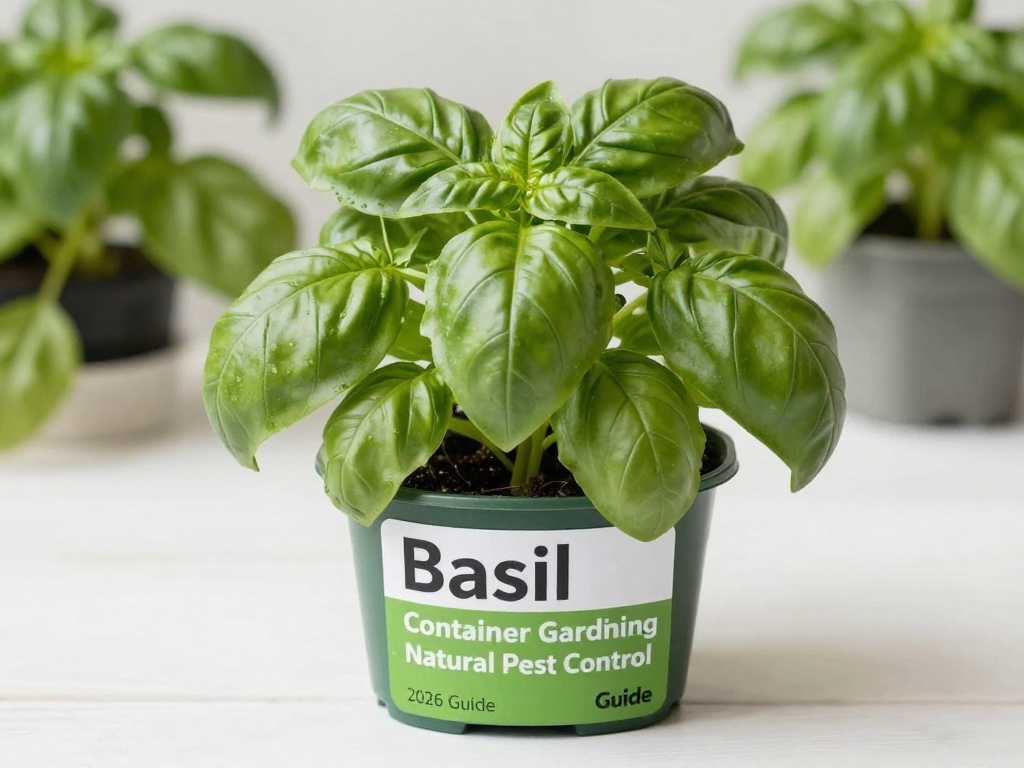
Basil Container Gardening Natural Pest Control: 2026 Guide
Basil container gardening natural pest control offers a sustainable way to grow fresh, flavorful herbs while protecting your plants from harmful insects. Growing basil in containers on your patio, balcony, or windowsill provides convenience and control, but pest management remains essential for a thriving harvest. This step-by-step guide covers proven organic methods for keeping your basil healthy and productive throughout the growing season.
Why Choose Container Gardening for Basil?
Container gardening transforms any space into a productive herb garden. Basil thrives in containers because you can move plants to optimize sunlight exposure and escape harsh weather conditions. For beginners, containers offer better control over soil quality, drainage, and moisture levels compared to traditional garden beds. Growing basil in containers also reduces soil-borne disease risks and makes natural pest management more manageable.
Benefits of Growing Basil in Containers
- Space-efficient for small spaces, balconies, and apartments
- Complete control over soil composition and drainage
- Easy to move for optimal sun exposure throughout the day
- Reduced competition from garden weeds
- Lower risk of soil-borne diseases affecting plant health
Understanding Common Basil Pests
Successful natural pest control requires identifying threats early. Several insects target basil plants, causing leaf damage, stunted growth, or complete plant loss if left untreated. Knowing your enemy proves half the battle in protecting your container garden.
Aphids on Basil Plants
Aphids rank among the most common basil pests, appearing as tiny green, black, or white insects clustered on stems and leaf undersides. These sap-sucking insects multiply rapidly and cause curling leaves, yellowing foliage, and sticky honeydew deposits. Aphids weaken plants by extracting nutrients and can transmit plant viruses between specimens.
Japanese Beetles
Japanese beetles skeletonize basil leaves by eating the soft tissue between veins, leaving a distinctive lacy appearance. These metallic green and copper beetles emerge in summer and can devastate plants quickly. Container growing makes it easier to monitor and control beetle populations through manual removal.
Fungus Gnats
Fungus gnats plague container gardeners, especially those overwatering their basil. These small black flies lay eggs in moist soil, and their larvae feed on tender roots and stems. While adult gnats are primarily nuisance pests, larvae cause significant damage to young seedlings and established plants alike.
Spider Mites
Spider mites flourish in hot, dry conditions and attack basil by piercing cells and extracting contents. Watch for fine webbing on leaf undersides, stippled yellowing leaves, and overall plant decline. These microscopic pests reproduce quickly, making early detection crucial for natural control success.
Slugs and Snails
Slugs and snails leave irregular holes in basil leaves and create silvery slime trails on containers and surrounding surfaces. These mollusks feed at night and hide during daylight hours. Container gardening provides an opportunity to create physical barriers and remove hiding spots effectively.
Natural Pest Control Methods for Basil
Organic pest management combines preventive practices, biological controls, and homemade remedies to protect your herbs without synthetic chemicals. These natural approaches maintain ecosystem balance while keeping your basil safe for culinary use.
Homemade Insecticidal Soap Spray
Insecticidal soap suffocates soft-bodied insects like aphids, spider mites, and thrips on contact. Mix 2 tablespoons of pure liquid castile soap with 1 quart of water in a spray bottle. Apply directly to affected plant parts, covering both upper and lower leaf surfaces. Repeat every 5-7 days as needed, always testing on a small area first to check for plant sensitivity.
Neem Oil Solution
Neem oil disrupts pest feeding and reproduction cycles, making it an excellent natural deterrent for multiple basil enemies. Combine 1 teaspoon of cold-pressed neem oil, 1/2 teaspoon of liquid soap, and 1 quart of water. Shake well before each application and spray in early morning or evening to avoid leaf burn. This organic method works against aphids, spider mites, and Japanese beetles.
Garlic and Pepper Spray
Create a potent repellent spray by blending 4 garlic cloves, 1 small hot pepper, and 1 quart of water. Strain the mixture and add 1 teaspoon of liquid dish soap before bottling. The strong scent deters many common pests while being completely safe for edible herbs. Apply weekly as a preventive measure or bi-weekly when treating active infestations.
Diatomaceous Earth Application
Food-grade diatomaceous earth provides mechanical pest control against slugs, snails, and crawling insects. This powdery substance damages insect exoskeletons through microscopic razor-sharp edges. Lightly dust the soil surface and container edges, reapplying after watering or rainfall. Handle carefully to avoid breathing dust particles.
Companion Planting Strategies
Strategic companion planting naturally repels pests while maximizing your container garden's productivity. Marigolds deter aphids and nematodes, while mint repels ants and cabbage moths. Plant nasturtiums nearby as trap crops, attracting aphids away from your precious basil. Chives, onions, and garlic confuse pest-finding insects with their strong aromatic compounds.
Beneficial Insects for Organic Control
Welcome beneficial insects that prey on harmful pests without damaging your plants. Ladybugs consume up to 5,000 aphids during their lifetime, making them valuable allies. Green lacewings attack aphids, mealybugs, and spider mites. Praying mantises provide general pest control with their voracious appetites. Create habitat with small flowering plants to attract these helpful predators to your garden space.
Container Setup for Healthy Basil
Proper container selection and soil preparation prevent many pest problems before they start. Healthy plants resist pests better than stressed specimens, making foundation gardening practices essential for natural pest control success.
Choosing the Right Container
Select containers with adequate drainage holes, ideally 12 inches deep for mature basil plants. Terra cotta and fabric pots offer excellent breathability, preventing moisture buildup that attracts fungus gnats. Avoid dark-colored containers in hot climates, as overheated roots stress plants and make them vulnerable to spider mite attacks.
Soil and Drainage Requirements
Use well-draining potting mix specifically formulated for containers, enriched with perlite or coarse sand for improved aeration. Good drainage prevents root rot and reduces fungus gnat attraction. Maintain soil pH between 6.0 and 7.0 for optimal nutrient uptake and plant vigor.
Proper Watering Techniques
Water basil when the top inch of soil feels dry, typically every 2-3 days depending on conditions. Deep, thorough watering encourages robust root systems while avoiding the constantly wet conditions that invite fungus gnats. Water at soil level to keep foliage dry, which prevents fungal diseases and discourages some pest species.
Preventive Care for Thriving Plants
Prevention proves more effective than cure when managing pests in container gardens. Regular monitoring, proper spacing, and good cultural practices create conditions where basil thrives and pest pressure remains minimal.
Regular Inspection Routine
Check your basil plants at least twice weekly, examining leaf undersides, stems, and soil surfaces. Early pest detection allows for simpler, more effective control measures. Keep a magnifying glass handy for spotting tiny pests like spider mites before populations explode.
Proper Plant Spacing
Space container-grown basil to allow adequate air circulation between plants. Good airflow dries foliage quickly after watering, discouraging fungal growth and making the environment less hospitable to moisture-loving pests. Avoid crowding that creates humid microclimates ideal for pest development.
Sanitation Practices
Remove fallen leaves and debris from container surfaces promptly, as these provide hiding spots for pests and breeding grounds for diseases. Sterilize containers between growing seasons and inspect new plants carefully before introducing them to your collection. Quarantine new additions for two weeks to ensure they carry no pest passengers.
Seasonal Pest Management Calendar
Pest pressure varies throughout the year, requiring adjusted strategies for effective natural control. Understanding seasonal patterns helps you anticipate problems and apply preventive measures proactively.
Spring Preparation
Start the growing season right by cleaning containers thoroughly and refreshing potting mix. Inspect any overwintered plants for hidden pest eggs or adults. Introduce beneficial insects early in the season to establish populations before pest pressure increases.
Summer Vigilance
Summer brings peak pest activity, requiring increased monitoring and more frequent natural spray applications. Heat stress makes plants susceptible to spider mites, so provide afternoon shade in hot climates. Hand-pick Japanese beetles in early morning when they're sluggish.
Fall and Winter Considerations
As temperatures cool, reduce watering frequency and move containers to sheltered positions. Some pests seek shelter indoors with your potted basil, so inspect plants carefully before bringing them inside. Continue monitoring at reduced intensity throughout winter months.
Common Mistakes to Avoid
Learning from typical errors saves time, money, and plant lives. Many well-intentioned gardeners accidentally create pest problems through common oversights in care practices.
Overwatering Consequences
Excessive watering creates perfect conditions for fungus gnats and root rot while stressing plants against pest attack. Water only when necessary and ensure containers drain completely after each watering session.
Using Harsh Chemicals
Synthetic pesticides kill beneficial insects along with targets, creating long-term pest problems by removing natural predators. Chemical residues also make herbs unsafe for consumption and can harm pollinators visiting your garden.
Ignoring Early Warning Signs
Minor leaf discoloration, slow growth, or small insect numbers often signal developing problems. Addressing issues immediately prevents small inconveniences from becoming major infestations that require drastic intervention.
Frequently Asked Questions
What are the best natural pest control methods for beginners growing basil in containers?
Start with insecticidal soap sprays and neem oil applications, as these are safe, inexpensive, and effective against most common basil pests. Companion planting with marigolds and regular plant inspections provide additional protection without complexity. These methods require minimal equipment and deliver reliable results for beginners.
How often should I apply natural pest control sprays to my container basil?
Apply preventive sprays weekly during active growing seasons. When treating existing infestations, spray every 5-7 days until pest populations decline. Always spray in early morning or evening to prevent leaf burn, and avoid applications during rainy weather that washes away treatments.
Can I use basil treated with natural pest control for cooking?
Yes, natural pest control methods using insecticidal soap, neem oil, or garlic sprays produce edible herbs safe for consumption. Simply wash basil thoroughly with water before using in recipes. Unlike synthetic pesticides, organic treatments break down quickly and leave no harmful residues.
What companion plants work best with basil in containers for natural pest control?
Marigolds repel aphids and many flying insects, while chives and garlic confuse pest-finding insects with their strong scents. Nasturtiums act as trap crops, drawing aphids away from basil. These companions thrive in containers and provide additional culinary or ornamental value to your garden.
How long does natural pest control take to show results on basil plants?
Immediate knockdown occurs with contact sprays like insecticidal soap, killing pests on impact. However, complete control typically requires 2-3 weeks of consistent applications to address all life stages. Beneficial insects and preventive methods show gradual results over several weeks as populations establish and pest pressure decreases.
What's the estimated cost of natural pest control for container basil gardens?
Natural pest control costs minimal investment compared to commercial alternatives. Basic supplies like castile soap, neem oil, and garlic cost under $20 and last multiple growing seasons. Diatomaceous earth and beneficial insects represent additional optional investments. Most homemade remedies cost pennies per application compared to expensive commercial products.
No comments