
Melon Companion Planting on Balcony: 2026 Complete Guide
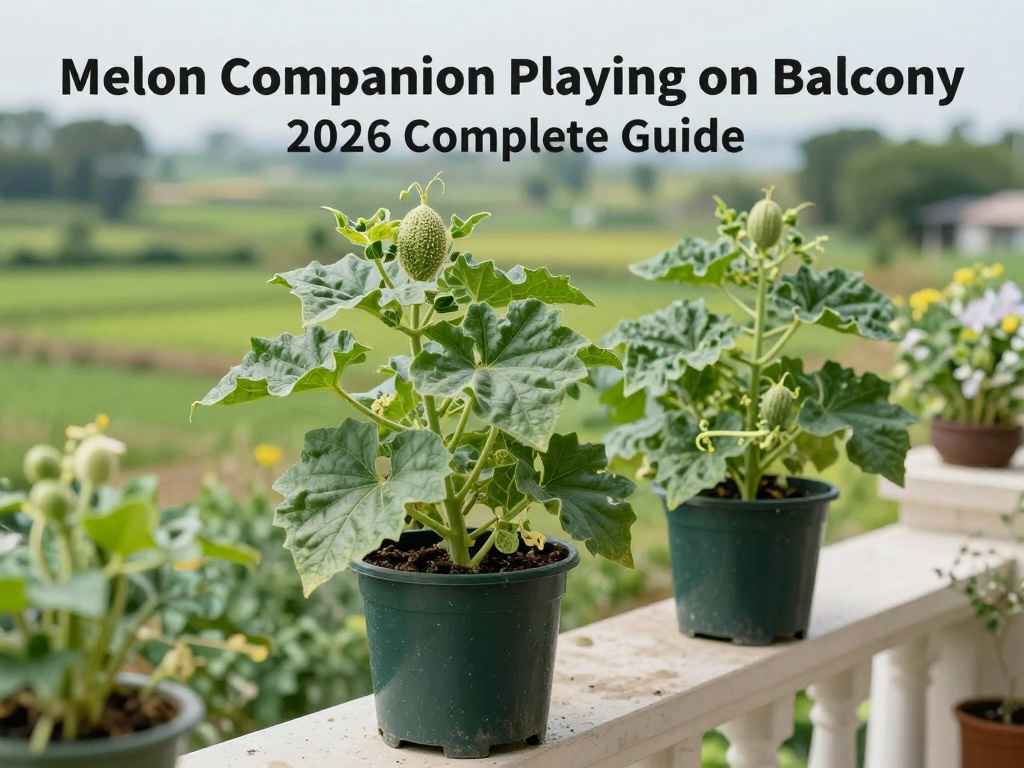
Melon Companion Planting on Balcony: 2026 Complete Guide
Growing melons on your balcony is an exciting venture that combines limited space optimization with delicious harvests. Companion planting for melons on a balcony setting maximizes your growing area while naturally deterring pests and improving pollination rates. This comprehensive guide provides balcony gardeners with proven strategies for successful melon cultivation using space-efficient companion planting techniques.
Why Companion Planting Matters for Balcony Melons
Balcony gardening presents unique challenges that companion planting addresses effectively. Limited space means every plant must earn its place, and strategic pairing creates mutual benefits across your container garden. Melon companion planting on balcony surfaces reduces pest pressure naturally, enhances soil nutrition through complementary root structures, and improves fruit development through better pollination support.
Space Optimization Benefits
Vertical growing spaces typical of balconies work perfectly with trailing melon varieties and their beneficial companions. Strategic positioning allows vining companions to provide natural shade for melon roots while maximizing your available square footage through layered planting approaches.
Natural Pest Management
Certain aromatic companions repel common melon pests including aphids, cucumber beetles, and squash bugs. Marigolds, basil, and borage planted alongside your melon containers create a protective barrier that reduces the need for chemical interventions significantly.
Best Companion Plants for Melons on Balcony
Herbs That Enhance Melon Growth
Basil ranks among the most valuable melon companion plants for balcony gardens. This aromatic herb repels aphids, spider mites, and thrips while potentially improving melon flavor through volatile compound release. Plant basil in smaller containers positioned near your melon pots for optimal results.
Dill attracts beneficial predatory wasps that control melon-damaging caterpillars naturally. The feathery foliage also provides light shade for melon roots during hot afternoons, reducing soil temperature stress common in container gardening.
Parsley draws hoverflies to your balcony garden, and their larvae consume aphids attacking melon vines. This herb works exceptionally well in partial shade areas where melon production might otherwise struggle.
Flowers for Pollination and Pest Control
Marigolds serve as essential companion plants for melons on balcony surfaces due to their powerful pest-repelling properties. The strong scent deters nematodes, whiteflies, and various beetles that damage melon foliage and fruit. Position marigold containers at regular intervals around your melon planting area for maximum protection.
Nasturtiums function as trap crops, attracting aphids away from your melon plants. These colorful flowers sacrifice themselves to preserve your melon harvest while adding visual appeal to your balcony space.
Borage improves melon growth through calcium and potassium uptake enhancement while attracting bees essential for melon pollination. The striking blue flowers also deter tomato hornworms effectively.
Vegetables as Balcony Melon Companions
Corn serves as an excellent tall companion that provides natural wind protection and creates partial shade for melon containers during intense afternoon sun. For smaller balconies, position corn in large containers along windward edges.
Lettuce makes an ideal ground-level companion, thriving in the partial shade that melon foliage provides. This combination maximizes vertical space usage while harvesting complementary crops from the same area.
Radishes loosen soil structure around melon containers through their root systems, improving drainage and nutrient availability. Quick radish harvests open growing space for continued melon development.
Plants to Avoid Near Your Melons
Understanding which plants harm melon development proves equally important as knowing beneficial companions. Potatoes compete aggressively for nutrients and space, potentially stunting your melon plants significantly. Keep potato containers on opposite balcony corners from your melon growing area.
Brassicas including cabbage, broccoli, and cauliflower allelopathically affect melon root development. These heavy feeders create underground competition that reduces fruit set and overall plant vigor.
Step-by-Step Balcony Setup for Melon Companion Planting
Container Selection and Placement
Select containers at least 18 inches deep for melon root development, with five-gallon minimum capacity per plant. Position companion herbs and flowers in smaller four-inch pots grouped around larger melon containers. Place this arrangement where your melon vines receive six to eight hours of direct sunlight daily.
Soil Preparation for Container Melons
Use a well-draining potting mix enriched with compost for optimal melon growth in containers. Add perlite to improve drainage, which proves critical for preventing root rot in balcony container settings. Mix slow-release organic fertilizer into your growing medium before planting.
Planting Timeline and Spacing
Begin companion planting in late spring when soil temperatures reach at least 70°F consistently. Space melon containers at least 24 inches apart to allow companion positioning between plants. Add herb companions immediately and flower companions within one week of melon transplanting.
Caring for Your Companion Planted Melons
Watering Requirements
Melons require consistent moisture during fruit development, typically one to two inches of water weekly. Container-grown melons may need daily watering during hot weather. Position companion herbs slightly outside the direct drip line to prevent moisture competition while maintaining their pest-repelling benefits.
Feeding Schedule
Apply diluted liquid fertilizer every two weeks during active growth, increasing potassium content when flowers appear. Companion plantings help maintain soil nutrition naturally, but container melons benefit significantly from supplemental feeding throughout the growing season.
Training and Support
Install trellis systems for vertical melon support on your balcony, which saves valuable floor space for companion plants. Train main vines upward while allowing secondary shoots to cascade down, creating a living wall effect with integrated companions.
Harvesting Your Companion-Grown Melons
Monitor melons for harvest readiness through visual indicators including color change, gentle fragrance, and slight separation from the vine when lifted. Companion plants continue providing benefits throughout harvest, with herbs ready for continuous cutting and flowers attracting pollinators for extended fruit sets.
Common Mistakes to Avoid
Overcrowding represents the most frequent balcony gardening error, even with companion planting. Maintain adequate spacing between all plants to ensure proper air circulation, which prevents fungal diseases common in humid balcony environments.
Neglecting drainage causes container melon failure more often than any other factor. Ensure all containers have adequate drainage holes and elevate pots slightly to prevent water accumulation beneath them.
Ignoring pollination requirements limits fruit development significantly. Without adequate bee activity, hand-pollinate female melon flowers using male pollen to ensure consistent yields in balcony settings.
FAQ
Can melons grow successfully in containers on a balcony?
Yes, melons thrive in containers on balconies when provided with at least five-gallon pots, full sun exposure, and consistent watering. Compact varieties like sugar baby watermelon and bush cantaloupe perform especially well in container environments.
What is the best month to start melon companion planting on balcony?
Start melon companion planting in late spring when outdoor temperatures remain above 60°F at night. In most climates, this corresponds to May or June, allowing adequate warm weather for fruit maturation before fall cooling.
How much sunlight do melons need when companion planted?
Melons require minimum six hours of direct sunlight daily, with eight hours being optimal for maximum fruit production. Position companion plants so they provide light shade during peak afternoon heat without blocking essential morning sun.
Which companion plants deter aphids from balcony melons?
Marigolds, nasturtiums, basil, and chives all effectively deter aphids from melon plants. Planting these companions in containers surrounding your melons creates a protective perimeter that reduces aphid colonization significantly.
What is the expected yield from balcony-grown melons?
Container-grown melon plants typically produce two to four fruits per plant depending on variety and growing conditions. Compact varieties yield slightly less per plant but compensate through space efficiency when companion planted with complementary crops.
How difficult is melon companion planting for beginners?
Melon companion planting on balconies suits determined beginners willing to maintain consistent watering schedules and provide structural support. The companion planting aspect actually simplifies pest management, making this approach more beginner-friendly than isolated melon cultivation.
Can herbs and melons share the same container?
Avoid planting herbs directly in melon containers as they compete for nutrients and water. Instead, position herb containers adjacent to melon pots where companion benefits apply while maintaining separate growing environments for each plant.
No comments