
Pumpkin Container Gardening in Cold Climate: 2026 Guide
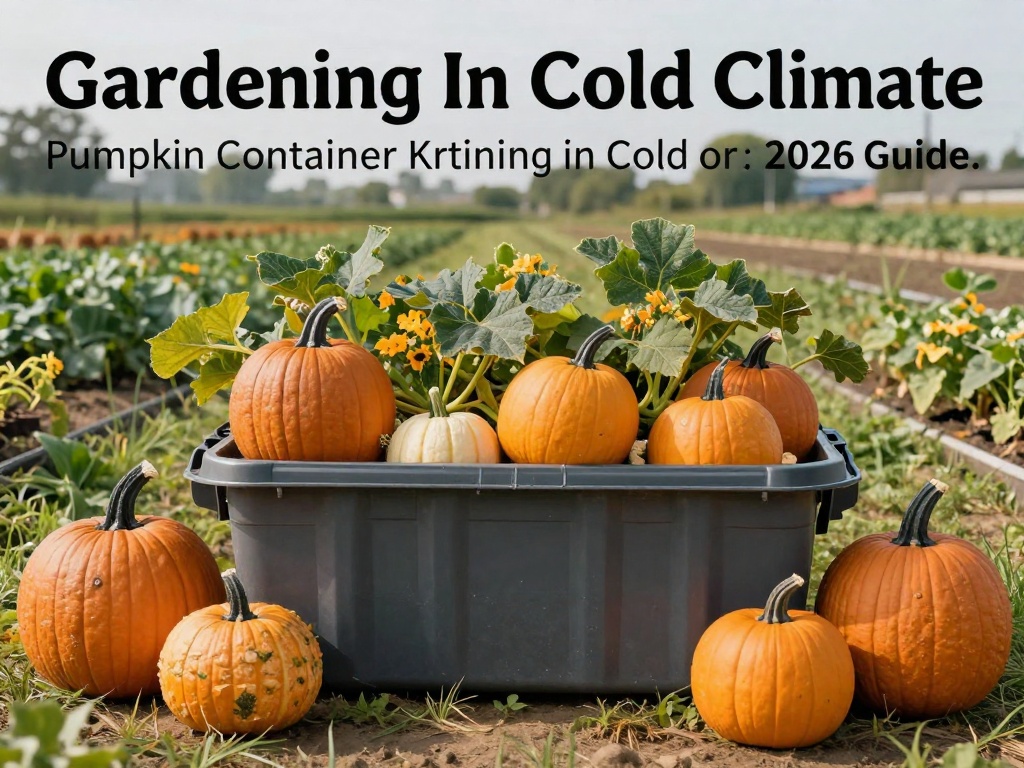
Pumpkin Container Gardening in Cold Climate: 2026 Guide
Growing pumpkins in containers in cold climates may seem challenging, but with the right techniques andVarieties, you can harvest impressive pumpkins even in short-season regions. This comprehensive guide covers everything you need to know about pumpkin container gardening in cold climate conditions, from selecting the bestVarieties to implementing proven frost protection strategies.
Why Choose Container Gardening for Pumpkins in Cold Climates?
Container gardening offers distinct advantages for growing pumpkins in regions with short growing seasons and unpredictable frost dates. When you grow pumpkins in containers, you gain mobility to move plants to warmer microclimates as needed.
Mobility and Flexibility
Containers allow you to position your pumpkin plants against south-facing walls that absorb and radiate heat. You can also move plants indoors during unexpected late-spring or early-fall frosts, effectively extending your growing season by several weeks.
Soil Temperature Control
Containers warm faster than in-ground beds in cold climates. Dark-colored containers absorb more heat, creating warmer root zones that encourage stronger growth during cool spring nights.
Disease and Pest Reduction
Elevated containers experience fewer soil-borne diseases and ground-level pest issues. This advantage proves particularly valuable in cold climates where plants may already be stressed by temperature fluctuations.
Best Pumpkin Varieties for Cold Climate Container Growing
Selecting the right pumpkin variety dramatically impacts your success in cold climate container gardening. Look for compact bush varieties and miniature pumpkins that mature faster and require less growing space.
Dwarf and Bush Varieties
- Baby Bear: A compact semi-bush variety producing 5-7 pound fruits in approximately 100 days
- Small Sugar: Classic pie pumpkin with 6-8 pound fruits maturing in 95-105 days
- Jack Be Quick: Early-maturing variety ready in 85-90 days, ideal for short seasons
- Dills Atlantic: Large pumpkins up to 20 pounds on semi-bush plants
Miniature Varieties for Small Spaces
- Munchkin: Adorable 3-5 pound fruits on vigorous vines
- Wee-B-Lot: Miniature variety perfect for containers in cold climates
- Baby Boo: White miniature pumpkins maturing in 90-100 days
Choosing the Right Container for Pumpkin Success
Container size determines root development and ultimately your harvest. Pumpkins grown in undersized containers produce stunted plants and poor yields, regardless of climate management efforts.
Minimum Container Sizes
For dwarf pumpkin varieties, use containers holding at least 15 gallons (approximately 57 liters). Standard varieties require 20-30 gallon containers, while large-fruited varieties need 30-50 gallon capacity to support extensive root systems.
Container Material Considerations
Fabric grow bags offer excellent drainage and air pruning benefits that promote healthy root development. Plastic containers retain moisture longer in cold conditions but may overheat in direct sun. Wooden containers provide insulation but add significant weight when filled with soil.
Drainage Requirements
Ensure containers have multiple drainage holes spaced across the bottom. Place 2-3 inches of coarse gravel or broken pottery at the base to prevent waterlogging, which causes root rot in cold, wet conditions.
Essential Soil Mix for Cold Climate Pumpkin Containers
The right soil mixture provides nutrients, drainage, and insulation that pumpkins need during cold weather stress periods.
Recommended Soil Recipe
- 60% high-quality potting mix (sterile, soilless blend)
- 20% well-aged compost for nutrients and moisture retention
- 10% perlite or coarse sand for improved drainage
- 10% coconut coir for moisture regulation
Soil Temperature Management
Cold climate gardeners should consider adding a layer of black plastic mulch over the soil surface. This technique raises soil temperature by 5-10°F by absorbing solar radiation and transferring heat to the root zone.
Step-by-Step Planting Process
Timing Your Planting
Start pumpkin seeds indoors 3-4 weeks before your last expected frost date. In most cold climate zones (USDA zones 3-5), this means starting seeds between mid-April and early May. Transplant seedlings outdoors only after soil temperatures reach 60°F consistently.
Hardening Off Seedlings
Gradually acclimate indoor-started seedlings to outdoor conditions over 7-10 days. Begin with 1-2 hours in sheltered shade, increasing daily by 2-3 hours while gradually exposing plants to direct sunlight and cooler night temperatures.
Planting Steps
- Fill containers with prepared soil mix, leaving 2 inches below the container rim
- Water soil thoroughly and allow it to drain completely
- Create a planting hole twice as wide as the seedling's root ball
- Gently remove seedling from its starting container, preserving root integrity
- Plant at the same depth as the original container (pumpkins do not tolerate deeper planting)
- Water thoroughly and apply a layer of organic mulch 2-3 inches deep
Frost Protection Strategies for Container Pumpkins
Protecting your container pumpkins from frost requires proactive measures, especially during shoulder seasons when temperatures fluctuate unpredictably.
Row Covers and Cold Frames
Floating row covers provide 4-8°F of frost protection while allowing light and moisture penetration. For additional protection, construct a simple cold frame using PVC hoops and clear plastic sheeting over your containers.
Mulching and Insulation
Wrap containers with burlap, cardboard, or bubble wrap to insulate roots from freezing temperatures. Apply thick straw mulch (6-8 inches) around the base of plants to protect crowns from frost damage.
Watering Before Frost Events
Moist soil retains heat better than dry soil. Water your container pumpkins thoroughly before predicted frost events to take advantage of water's thermal mass properties.
Relocation During Extreme Cold
When extended cold spells threaten, move containers to unheated garages, basements, or enclosed porches. Place near windows that provide some natural light, and water sparingly to maintain minimal soil moisture.
Optimal Care Routine for Cold Climate Success
Watering Requirements
Pumpkin containers in cold climates typically require watering every 2-3 days, adjusting based on rainfall and temperature. Check soil moisture by inserting your finger 2 inches deep—water when the soil feels dry at this depth. Avoid overwatering, which leads to root diseases in cool conditions.
Fertilization Schedule
Feed container pumpkins every two weeks with a balanced liquid fertilizer diluted to half strength. Switch to high-potassium fertilizer once fruits begin developing to support proper fruit growth and maturation.
Pollination Assistance
Cold climate conditions often reduce pollinator activity. Hand-pollinate flowers using a clean artist brush or cotton swab to transfer pollen from male to female flowers. Female flowers are identifiable by the small fruit swelling at their base.
Extending the Growing Season
Season Extender Products
Wall-o-Water season extenders provide up to 10°F of nighttime protection and create a greenhouse effect around individual plants. These products work exceptionally well with container-grown pumpkins.
Fall Frost Protection
Monitor weather forecasts carefully as autumn approaches. Cover plants with breathable fabric row covers before nighttime temperatures drop below 32°F. Continue protection through multiple light frosts to allow fruits to reach full maturity on the vine.
Harvesting Your Container Pumpkins
Proper harvesting ensures maximum storage life and flavor from your cold climate pumpkin harvest.
Harvest Indicators
- Rind develops a hard, glossy finish that resists fingernail puncture
- Stem becomes corky and begins to dry
- Rind color reaches full, uniform saturation
- Leaves and vines begin yellowing or dying back naturally
Post-Harvest Curing
Cure harvested pumpkins in a warm, dry location (80-85°F) for 10-14 days. This process hardens the rind further and improves storage longevity. Store cured pumpkins in a cool, dry location between 50-55°F.
Common Mistakes to Avoid
Understanding common pitfalls helps you sidestep problems that derail cold climate pumpkin container gardens.
Starting Too Early
Resist the temptation to start seeds or set out transplants before soil and air temperatures are consistently warm. Cold-stressed seedlings often fail to thrive despite ideal conditions afterward.
Insufficient Container Size
Small containers restrict root growth, leading to stunted plants and poor fruit development. When uncertain, choose a larger container—pumpkins tolerate generous root space much better than cramped conditions.
Neglecting Drainage
Poor drainage causes root rot and fungal diseases that devastate container pumpkins, especially in cool, wet cold climate conditions. Ensure adequate drainage holes and appropriate soil mixtures.
FAQ: Pumpkin Container Gardening in Cold Climate
What is the best time to plant pumpkins in containers in cold climates?
Start seeds indoors 3-4 weeks before your last expected frost date, typically mid-May to early June for zones 3-5. Transplant outdoors when soil temperatures consistently reach 60°F and all frost danger has passed.
What size container do I need for growing pumpkins?
Dwarf pumpkin varieties need minimum 15-gallon containers, while standard varieties require 20-30 gallons. Large-fruited varieties need 30-50 gallons. Larger containers always produce better results in cold climates.
How do I protect pumpkins from frost in containers?
Use row covers, cold frames, or Wall-o-Water products for frost protection. Wrap containers with insulating materials, apply thick mulch around plant bases, water thoroughly before frost events, and move containers to sheltered locations during extreme cold.
Which pumpkin varieties grow best in cold climates?
Short-season varieties like Baby Bear, Small Sugar, Jack Be Quick, and Munchkin perform exceptionally well in cold climates. These varieties mature in 85-105 days, making them ideal for short growing seasons.
How long does it take to grow pumpkins in containers?
Most pumpkin varieties require 90-120 days from transplant to harvest. Dwarf and miniature varieties typically mature faster (85-100 days), while larger varieties need the full 100-120 day window.
Can I grow pumpkins on a patio in a cold climate?
Absolutely! Patios offer excellent opportunities for cold climate pumpkin container gardening. South-facing patios provide radiant heat, containers can be positioned optimally, and containers can be moved as needed for frost protection or sun exposure.
No comments