
Herb Container Gardening Easy Method: 2026 Beginner's Guide
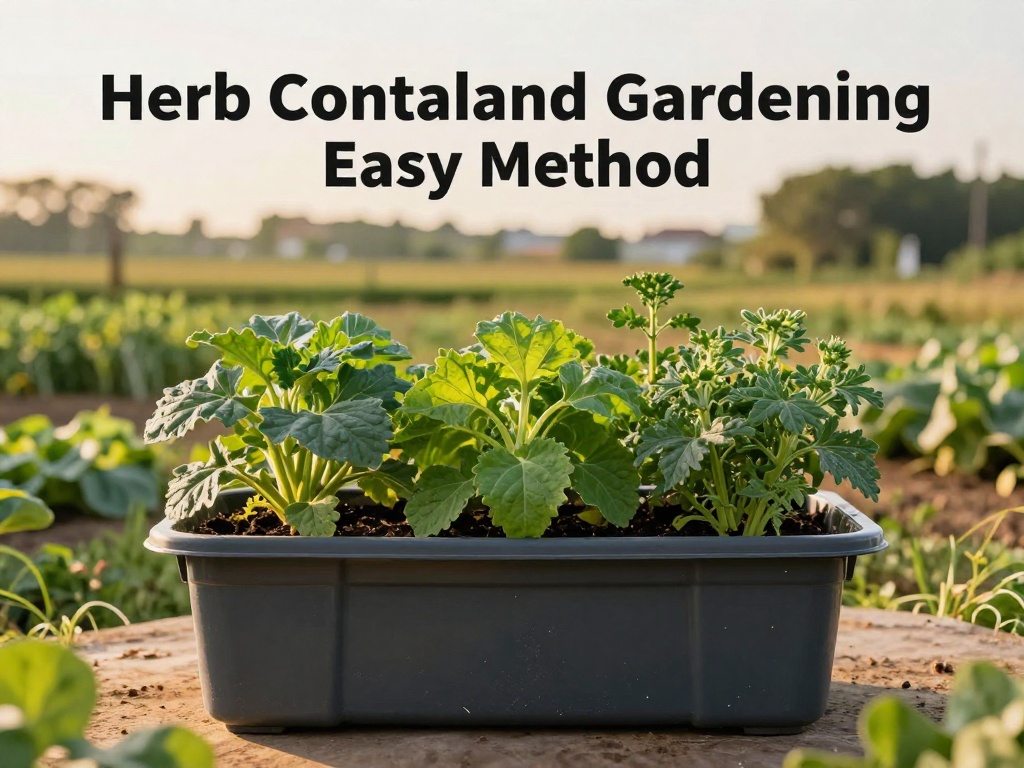
Herb Container Gardening Easy Method: 2026 Beginner's Guide
Herb container gardening easy method transforms any small space into a thriving green sanctuary. Whether you have a sunny balcony, a compact patio, or even a kitchen windowsill, growing fresh herbs becomes simple and rewarding. This 2026 guide walks you through every step, helping you harvest flavorful basil, mint, rosemary, and more without needing a traditional garden plot.
Why Choose Container Gardening for Herbs?
Container gardening offers unmatched flexibility for modern growers. You control soil quality, drainage, and placement to match each herb's specific needs. Moving pots becomes effortless when weather changes or sunlight patterns shift throughout the seasons.
Benefits of Growing Herbs in Containers
- Space efficiency: Perfect for apartments, condos, and small outdoor areas
- Mobility: Relocate plants to optimize sunlight exposure
- Pest control: Elevated containers deter many ground-dwelling pests
- Weed reduction: Clean potting mix means minimal weed competition
- Aesthetic appeal: Decorative pots enhance patios and balconies
Essential Materials for Your Herb Garden
Gathering the right supplies before planting ensures success. Invest in quality materials that last multiple growing seasons.
Choosing the Right Containers
Select pots with adequate drainage holes and sufficient depth for root growth. Most culinary herbs need containers at least 6-8 inches deep. Terra cotta, plastic, and ceramic pots all work well. Terra cotta offers excellent breathability but dries faster, while plastic retains moisture longer—ideal for beginners who might forget to water.
Selecting Quality Potting Mix
Never use garden soil in containers. Choose a premium potting mix specifically formulated for container gardening. These mixes provide proper aeration, drainage, and nutrient retention. Look for mixes containing perlite, vermiculite, or coconut coir for optimal results.
Essential Tools and Accessories
- Watering can or hose with gentle attachment
- Small trowel for planting and repotting
- Liquid fertilizer for container plants
- Plant labels for identifying varieties
- Drainage saucers to protect surfaces
Step-by-Step Herb Container Gardening Easy Method
Follow this straightforward process to establish your container herb garden successfully.
Step 1: Select Your Herb Varieties
Start with beginner-friendly herbs that tolerate varying conditions. Basil thrives in warmth and produces abundantly. Mint grows vigorously with minimal attention. Rosemary and thyme prefer slightly drier conditions. Chives and parsley adapt well to most environments and provide continuous harvests.
Step 2: Prepare Your Containers
Clean previously used pots with a 10% bleach solution to eliminate disease pathogens. Place drainage material like small stones or broken pottery at the bottom. Fill containers with potting mix, leaving 1-2 inches below the rim to prevent overflow when watering.
Step 3: Plant Your Herbs
Remove seedlings gently from nursery containers, loosening root balls carefully. Dig holes twice as wide as the root system. Place herbs at the same depth they grew in their original containers. Firm soil gently around roots and water thoroughly until moisture drains from bottom holes.
Step 4: Position for Optimal Growth
Most culinary herbs require 6-8 hours of direct sunlight daily. South-facing locations typically provide ideal conditions. If growing indoors, place containers near bright windows or under grow lights. Rotate pots weekly for even light exposure and balanced growth.
Step 5: Establish Watering Routines
Check soil moisture daily by inserting your finger one inch deep. Water when the top inch feels dry. Containers dry faster than ground soil, especially during warm weather. Water deeply until excess drains, avoiding shallow, frequent watering that encourages weak root systems.
Caring for Your Container Herb Garden
Regular maintenance keeps herbs healthy and productive throughout the growing season and beyond.
Fertilizing Container Herbs
Nutrients deplete quickly in container growing medium. Apply diluted liquid fertilizer every 2-3 weeks during active growth. Organic options like fish emulsion or seaweed extract provide balanced nutrition without burning delicate roots. Reduce feeding during winter dormancy or cooler months.
Pruning and Harvesting Techniques
Regular harvesting promotes bushier growth and prevents legginess. Harvest herbs in the morning after dew dries but before heat intensifies. Cut from the top, removing no more than one-third of the plant at once. Pinching flower buds encourages continued leaf production, especially in basil.
Managing Pests and Diseases
Container herbs experience fewer pest issues than garden plantings. Watch for aphids, spider mites, and whiteflies. Remove pests manually with a strong water spray or apply neem oil for organic control. Ensure adequate air circulation between containers to prevent fungal diseases.
Best Herbs for Container Growing in 2026
Certain herbs perform exceptionally well in container environments. These varieties suit beginners and experienced growers alike.
Top Culinary Herbs for Containers
- Basil: Warm-season favorite, prolific harvest, multiple varieties available
- Mint: Extremely vigorous, spreads readily without garden invasion
- Rosemary: Drought-tolerant, fragrant, ornamental appeal
- Thyme: Compact growth, hardy perennial, various flavors
- Cilantro: Quick harvest cycle, succession planting recommended
- Chives: Perennial, attractive flowers, easy division
Troubleshooting Common Container Herb Issues
Even with the easiest method, occasional problems arise. Quick identification and correction restore plant health.
Yellowing Leaves
Yellow leaves often indicate overwatering or nutrient deficiency. Check drainage holes for blockages. If soil remains wet consistently, reduce watering frequency and improve air circulation. Apply balanced fertilizer if plants haven't been fed recently.
Leggy or Spindly Growth
Insufficient light causes weak, elongated stems. Move containers to brighter locations immediately. Prune back leggy growth to encourage bushier development. Consider supplementing with artificial grow lights for indoor gardens.
Wilting Despite Moist Soil
Root rot from overwatering can cause wilting even when soil appears wet. Inspect roots—healthy roots are white and firm, while diseased roots appear brown and mushy. Repot affected plants in fresh, sterile mix, trimming damaged roots.
Extending Your Growing Season
Container gardening allows creative season extension techniques unavailable to traditional gardeners.
Moved Indoors for Winter
Bring perennial herbs like rosemary, thyme, and chives indoors before frost. Place near sunny windows or under grow lights. Reduce watering during winter months when growth slows. Most herbs adapt well to indoor conditions with proper light and humidity management.
Cold Frame and Row Cover Protection
Use portable cold frames or heavy row covers to extend outdoor growing into fall and early spring. These structures buffer temperature fluctuations and protect tender plants from light frosts. Monitor ventilation to prevent overheating on sunny days.
Frequently Asked Questions
What is the easiest method for growing herbs in containers?
The simplest approach involves purchasing healthy seedlings, quality potting mix, and appropriate containers with drainage. Plant in spring after last frost, position in full sun, water when soil dries, and fertilize monthly. This straightforward method produces reliable results for beginners.
Which herbs grow best together in the same container?
Combine herbs with similar water and light requirements. Mediterranean herbs like rosemary, thyme, and oregano share drought-tolerant preferences. Basil, parsley, and chives thrive with more consistent moisture. Avoid pairing mint with other herbs—it spreads aggressively and competes for resources.
How often should I water my container herb garden?
Watering frequency depends on temperature, humidity, pot material, and plant size. Check soil daily during summer heat, typically watering every 1-3 days. Terra cotta pots require more frequent watering than plastic. Always water deeply until drainage appears, then allow the top inch to dry before watering again.
What common mistakes should container herb gardeners avoid?
Avoid overwatering, which causes root rot more frequently than underwatering. Never use garden soil—it compacts and drains poorly in containers. Don't crowd plants—each herb needs adequate space for root development. Finally, avoid placing containers in low-light locations—herbs require substantial sunlight for healthy growth.
How much does it cost to start a container herb garden?
Starting costs range from $30-100 depending on quality preferences. Basic expenses include pots ($2-15 each), potting mix ($10-20 per bag), and seedlings ($3-5 per plant). Reusable containers and perennial herbs reduce annual costs significantly. DIY projects using recycled containers further minimize expenses.
When can I expect to harvest my first herbs?
Seedlings provide harvestable foliage within 3-4 weeks of planting. Established plants offer immediate harvesting. Continuous harvesting encourages new growth, extending production throughout the season. Most herbs reach mature flavor profiles 60-90 days after planting from seed.
Can I grow herbs indoors year-round using containers?
Absolutely! Indoor herb container gardening works well with adequate light. South-facing windows provide optimal conditions, or use full-spectrum grow lights for 12-14 hours daily. Maintain temperatures between 60-70°F and ensure good air circulation. Indoor herbs may grow more slowly but produce year-round harvests.
No comments