
ZZ Plant Companion Planting for Beginners: 2026 Guide
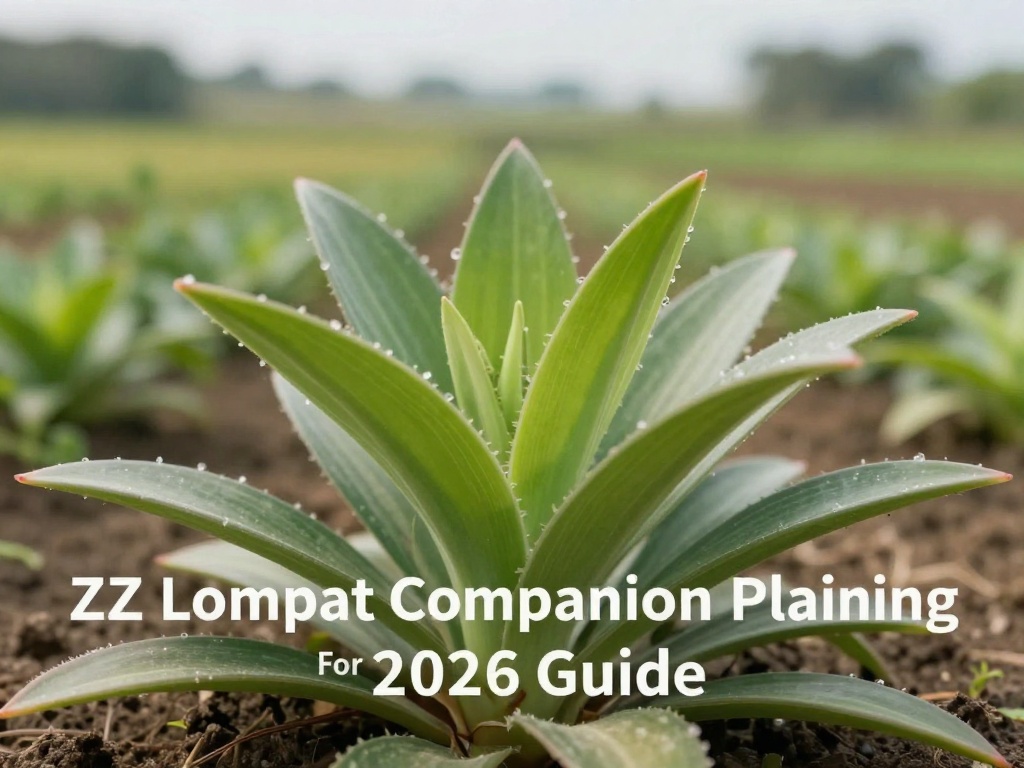
ZZ Plant Companion Planting for Beginners: 2026 Guide
Companion planting for ZZ plants is one of the most effective ways to create thriving indoor gardens while simplifying your plant care routine. Whether you are new to indoor gardening or looking to expand your collection strategically, understanding which plants grow well alongside ZZ plants can transform your space into a lush, low-maintenance paradise. This comprehensive guide covers everything beginners need to know about pairing plants with ZZ plants in 2026.
What Is Companion Planting for ZZ Plants?
Companion planting involves grouping plants that share similar growing requirements together. For ZZ plants (Zamioculcas zamiifolia), this means selecting companions that thrive in the same low-light, drought-tolerant conditions. The philosophy behind companion planting stems from creating microclimates that benefit all plants involved, reducing stress and promoting healthier growth.
ZZ plants are beloved for their glossy, dark green leaves and remarkable resilience. Native to Eastern Africa, these plants have adapted to survive in challenging conditions with minimal water and indirect light. When you choose the right companions, you create an ecosystem where plants support each other's growth through improved humidity retention, root systems that aerate soil, and natural pest deterrence.
Best Companion Plants for ZZ Plants in 2026
Snake Plant (Sansevieria)
Snake plants make ideal ZZ plant companions because both species share nearly identical care requirements. Both thrive in low-light conditions and require infrequent watering, making them perfect partners for busy plant parents. When placed together, snake plants and ZZ plants create a striking visual contrast with their different leaf shapes and growth patterns.
These two plants also share similar temperature preferences, thriving in conditions between 60-85°F (15-29°C). Their combined presence can help maintain consistent humidity levels in their immediate environment, benefiting both plants without additional effort from the gardener.
Pothos (Epipremnum aureum)
Pothos plants are excellent companions for ZZ plants due to their versatility and forgiving nature. Both plants tolerate low light well and can survive periods of neglect, making them perfect for beginners learning the basics of companion planting for ZZ plants. Pothos adds trailing vines that complement the upright growth of ZZ plants.
When planting pothos near ZZ plants, ensure adequate spacing between containers to prevent root competition. Both plants prefer well-draining soil, so using similar potting mixes creates a cohesive growing environment that simplifies your watering schedule.
Spider Plant (Chlorophytum comosum)
Spider plants bring air-purifying qualities that complement the already air-cleaning ZZ plant. Both species are known for their ability to remove toxins from indoor environments, making this pairing particularly valuable for bedroom and living room placements. Spider plants add a different texture with their arching leaves and small plantlets.
This combination works well in containers or nearby placements, offering visual variety while maintaining similar care routines. Spider plants can tolerate slightly more water than ZZ plants, so using separate containers is recommended for optimal results.
Peace Lily (Spathiphyllum)
Peace lilies share the ZZ plant's preference for low-light environments, though they appreciate slightly more humidity. When grouped together, peace lilies and ZZ plants create an elegant display with contrasting leaf shapes and the peace lily's stunning white blooms providing visual interest throughout the year.
Both plants are excellent air purifiers, and their combined presence can significantly improve indoor air quality. Place them together in a north-facing room or spot with filtered light for best results.
Chinese Evergreen (Aglaonema)
Chinese evergreens are versatile ZZ plant companions that offer incredible variety in leaf colors and patterns. Both plants thrive in low-light conditions and require minimal maintenance, making them excellent choices for beginners exploring companion planting for ZZ plants. Chinese evergreens add color diversity to your indoor garden.
These plants share similar temperature and humidity tolerances, allowing them to coexist comfortably in the same room without competing for resources. Their similar growth rates mean neither plant will overwhelm the other over time.
Plants to Avoid Near ZZ Plants
Not all plants make good companions for ZZ plants. Understanding which plants to avoid is crucial for successful companion planting for ZZ plants beginners. High-water plants like ferns, calatheas, and prayer plants require consistently moist soil that can lead to root rot in ZZ plants. These moisture-loving species should be kept in separate areas of your home.
Additionally, plants that require direct sunlight should never be placed alongside ZZ plants. Species like succulents that need bright, direct light will struggle in the low-light conditions ZZ plants prefer, while cacti may receive too much shade to thrive properly.
Benefits of ZZ Plant Companion Planting
Companion planting for ZZ plants offers numerous advantages that extend beyond aesthetic appeal. Grouping plants with similar needs creates microclimates that help maintain consistent humidity levels, reducing the frequency of watering and misting required. This is particularly beneficial for beginners who may struggle with proper watering schedules.
Another significant benefit is natural pest deterrence. Some companion plants emit compounds that repel common houseplant pests, protecting your ZZ plant without the need for chemical interventions. Additionally, diverse plantings can confuse pests that rely on specific host plants to locate their food sources.
Companion planting also maximizes your growing space, allowing you to create lush displays even in small apartments or offices with limited natural light. This approach to indoor gardening is both practical and visually stunning, transforming simple corners into thriving plant collections.
Step-by-Step Guide for Beginners
Step 1: Assess Your Space and Light Conditions
Before selecting companions for your ZZ plant, evaluate the light conditions in your intended placement area. ZZ plants thrive in low to medium indirect light, so choose companions that tolerate similar conditions. North-facing windows or rooms away from direct sunlight are ideal locations for your plant groupings.
Step 2: Select Compatible Plant Species
Choose from the recommended companion plants listed above based on your aesthetic preferences and space constraints. Consider factors like growth rate, mature size, and visual appeal when making your selections. Starting with two to three compatible companions allows you to learn their care requirements gradually.
Step 3: Prepare Appropriate Containers
Ensure each plant has its own container with adequate drainage holes. While companion planting often involves grouping plants in the same space, using individual containers prevents root competition and allows for customized watering schedules. Use well-draining potting mix appropriate for tropical houseplants.
Step 4: Position Plants Strategically
Arrange your ZZ plant and its companions so that taller plants do not block light from shorter ones. The ZZ plant's upright growth habit makes it an excellent focal point, with trailing plants like pothos cascading from nearby shelves or hanging baskets. Maintain adequate airflow between plants to prevent fungal issues.
Step 5: Establish a Unified Care Routine
Create a watering schedule that satisfies all your companion plants without overwatering the ZZ plant. Generally, water all plants sparingly, allowing the soil to dry completely between waterings. Fertilize during the growing season (spring and summer) with a balanced, diluted fertilizer applied monthly.
Tips for Maximum Success
Regular monitoring is essential for successful companion planting for ZZ plants. Check your plants weekly for signs of stress, pest infestations, or disease. Early detection allows you to address issues before they spread to companion plants, protecting your entire indoor garden.
Rotate your plant arrangements periodically to ensure even light exposure and balanced growth. This practice prevents plants from leaning toward light sources and promotes symmetrical development across your plant collection. Cleaning leaves with a damp cloth monthly removes dust and improves photosynthesis efficiency.
Consider your overall design aesthetic when grouping companion plants. Create visual harmony by pairing plants with complementary colors, textures, and growth habits. A well-designed plant grouping becomes a living piece of decor that enhances your living space while requiring minimal maintenance.
Common Mistakes to Avoid
Overwatering remains the most common mistake when caring for ZZ plants and their companions. Remember that ZZ plants store water in their rhizomes and can survive weeks without watering. Resist the urge to water on a fixed schedule; instead, always check soil moisture before adding water.
Avoid placing companions with drastically different water requirements in the same container. While grouping plants visually is acceptable, each species should have its own root space to prevent competition and ensure proper hydration levels for all plants involved.
Neglecting to acclimate new plants before introducing them to your existing collection can cause stress and pest problems. Always quarantine new purchases for two weeks before placing them near your ZZ plant and its companions. This practice prevents potential pest or disease transmission to your established plant family.
FAQ
What are the best beginner-friendly companion plants for ZZ plants?
The easiest companions for ZZ plants include pothos, snake plants, and spider plants. These species share similar low-light and drought-tolerant requirements, making them forgiving choices for beginners learning companion planting techniques. All three are widely available and affordable at local garden centers.
How often should I water ZZ plants and their companions?
Water ZZ plants every 2-3 weeks, allowing soil to dry completely between waterings. Companion plants may require slightly different schedules based on their specific needs. Always check individual soil moisture before watering, and never water on a fixed calendar schedule regardless of season.
Can I plant ZZ plants directly with other plants in the same container?
While possible, planting ZZ plants in the same container with other species is generally not recommended. ZZ plants have rhizomes that spread and require infrequent watering, which may not suit more water-dependent companions. Using separate containers grouped together provides more flexibility and healthier growth for all plants.
How long does it take to see results from companion planting?
Visible improvements from companion planting typically appear within 2-3 months as plants establish themselves and begin responding to their improved growing environment. Better humidity retention, more stable temperatures, and natural pest deterrence become noticeable as your plant grouping matures and thrives.
What is the cost and effort level for companion planting with ZZ plants?
Companion planting for ZZ plants is highly cost-effective since ZZ plants themselves are inexpensive and their ideal companions are also affordable common houseplants. Initial investment ranges from $10-50 depending on plant selection. Ongoing care requires minimal effort beyond occasional watering and monthly fertilizing during growing season.
What lighting conditions do ZZ plant companions need?
ZZ plant companions should thrive in low to medium indirect light, matching the ZZ plant's native habitat conditions. Avoid placing companions that require direct sunlight or deep shade. Ideal locations include rooms with north-facing windows, offices with fluorescent lighting, or spots several feet away from east or west-facing windows.
Are ZZ plants toxic, and should I be concerned about companion plants?
Yes, ZZ plants are toxic when ingested, containing calcium oxalate crystals that can cause irritation to humans and pets. If you have curious pets or small children, keep ZZ plants and their companions elevated on high shelves or in rooms with limited access. Always wash hands after handling any part of the plant.
No comments