
How to Grow Corn Organically Indoors: 2026 Complete Guide
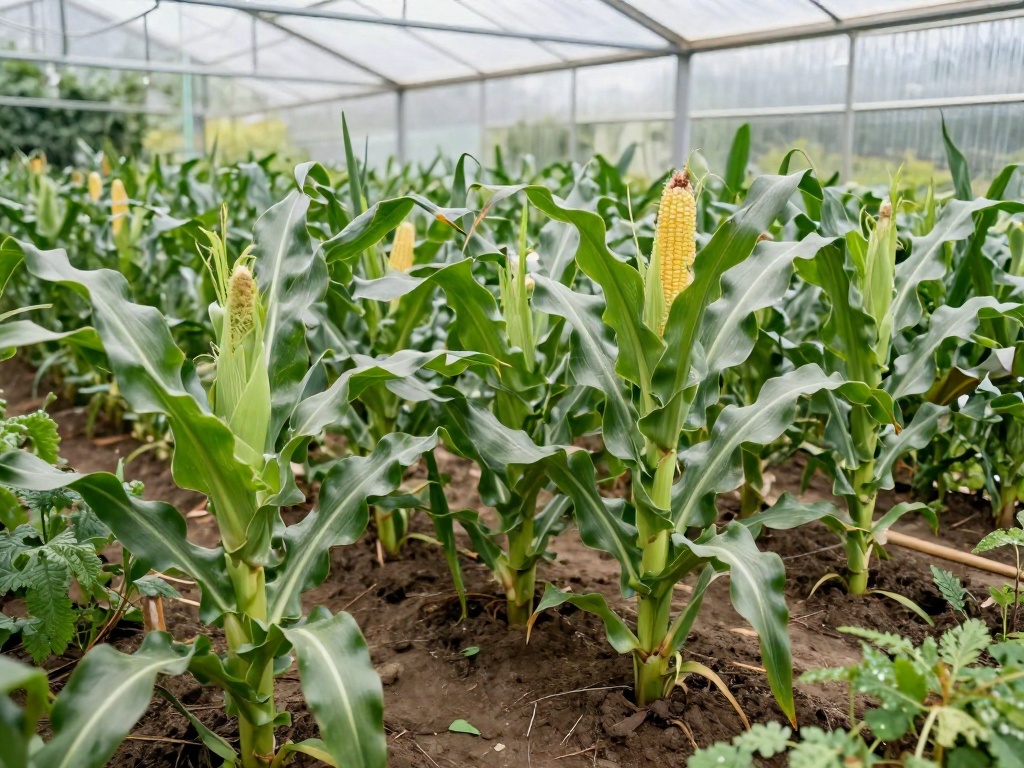
How to Grow Corn Organically Indoors: 2026 Complete Guide
Growing corn organically indoors has become an exciting trend for urban gardeners and homesteaders seeking fresh, chemical-free produce year-round. While corn presents unique challenges due to its size and pollination requirements, modern indoor gardening techniques make it possible to harvest sweet, nutritious corn in limited spaces. This comprehensive guide covers everything you need for successful corn organic gardening indoors, from selecting the right varieties to mastering pollination techniques.
Why Grow Corn Indoors Organically?
Indoor organic corn cultivation offers remarkable benefits that make the extra effort worthwhile. You gain complete control over growing conditions, eliminating exposure to pesticides and synthetic fertilizers. Fresh-picked corn contains significantly higher sugar content compared to store-bought varieties that begin losing sweetness immediately after harvest. Additionally, indoor growing extends your harvest season beyond traditional outdoor growing zones, providing fresh corn during winter months.
Advantages of Indoor Corn Gardening
- Year-round growing regardless of climate zone
- Complete elimination of pesticide exposure
- Superior freshness and flavor compared to commercial corn
- Protection from outdoor pests and weather extremes
- Educational experience for families learning about food production
Best Corn Varieties for Indoor Organic Gardening
Selecting the appropriate corn variety forms the foundation of successful indoor cultivation. Not all corn varieties adapt well to container growing and indoor conditions. Focus on dwarf, compact, or miniature varieties specifically bred for small-space gardening.
Recommended Varieties for Beginners
On Deck Hybrid reaches only 4-5 feet tall, making it ideal for container growing on balconies or sunny rooms. This variety produces excellent 8-inch ears with sweet, tender kernels perfect for fresh eating. Its compact structure withstands indoor conditions remarkably well.
Golden Bantam represents a heritage variety thriving in containers when properly maintained. Though slightly taller than modern hybrids, it adapts well to large pots and produces exceptionally flavored corn. This variety suits gardeners prioritizing organic, open-pollinated options.
Popcorn Varieties including 'Tom Thumb' grow only 3 feet tall and produce small but fully developed ears. These miniature plants work excellently in limited spaces and demonstrate impressive adaptability to indoor environments.
Essential Equipment and Setup for Indoor Corn
Proper equipment selection determines your success with corn organic gardening indoors. Corn demands substantial light, appropriate containers, and quality organic soil to flourish in indoor conditions.
Lighting Requirements
Corn requires intense, direct lighting for optimal growth. Provide a minimum of 6-8 hours of direct sunlight daily, or supplement with full-spectrum LED grow lights positioned 6-12 inches above plant tops. LED systems offer energy efficiency while delivering the light spectrum corn needs for healthy development. Consider installing adjustable height systems to accommodate rapid vertical growth during the vegetative stage.
Container Selection
Each corn plant needs adequate root space for proper development. Select containers holding at least 5 gallons of soil per plant, with depths of 12-15 inches. Fabric grow bags promote excellent drainage and air pruning of roots, reducing transplant shock and improving overall plant health. Group multiple containers together to facilitate easier pollination and create a microclimate benefiting all plants.
Step-by-Step Planting Process
Successful indoor corn planting requires attention to timing, soil preparation, and proper seed handling. Follow these steps for optimal germination and establishment.
Preparing Organic Soil Mix
Create a nutrient-rich growing medium by combining organic potting soil with aged compost in a 70:30 ratio. Add perlite for improved drainage and a handful of organic blood meal for initial nitrogen support. Corn demands nitrogen-rich soil during early growth, so ensure your mix provides adequate feeding capacity. Maintain soil pH between 6.0 and 6.8 for optimal nutrient uptake.
Planting Seeds Correctly
Plant corn seeds 1-1.5 inches deep, spacing them 4-6 inches apart within each container. Water thoroughly after planting until moisture drains from bottom openings. Maintain consistent moisture without waterlogging during the 7-14 day germination period. Corn seeds benefit from pre-soaking in room-temperature water for 12 hours before planting, which accelerates germination significantly.
Managing Indoor Corn Pollination
Pollination presents the greatest challenge when growing corn organic gardening indoors. Outdoor corn relies on wind dispersal of pollen from tassels to silks. Indoor gardeners must replicate this process manually to ensure proper kernel development.
Hand Pollination Techniques
Begin pollination when tassels appear and silks emerge from ear tips, typically 2-3 weeks after initial silk emergence. Collect pollen by shaking tassels over a clean container during mid-morning hours when humidity is moderate. Immediately apply collected pollen to silks using a small paintbrush or cotton swab, covering all visible silks thoroughly. Repeat this process daily for one week to ensure complete pollination of all kernels.
Timing Your Pollination
Pollinate during mid-morning between 9 AM and 11 AM when dew has dried but temperatures remain moderate. Pollen viability decreases significantly in high heat and humidity. Work quickly after collecting pollen, as it loses potency within hours of release from tassels. Successful pollination produces fully developed kernels visible through husk when gently squeezed.
Organic Care and Maintenance Schedule
Consistent care throughout the growing season ensures healthy plants and bountiful harvests. Establish a regular maintenance routine addressing water, nutrients, and environmental conditions.
Watering Guidelines
Corn requires consistent moisture, especially during tassel formation and ear development. Water deeply when the top 1-2 inches of soil feel dry, providing enough water to saturate the root zone completely. Indoor corn often requires daily watering during hot periods. Avoid shallow, frequent watering that encourages shallow root development and weaker plants.
Organic Fertilization Schedule
Feed corn plants with organic fertilizer every 2-3 weeks throughout the growing season. Apply compost tea or fish emulsion during early growth for nitrogen support, switching to lower-nitrogen organic blends once ears begin developing. Over-fertilization with nitrogen produces lush foliage at the expense of ear development, so maintain balanced nutrition throughout the cycle.
Harvesting Your Indoor Corn
Knowing when and how to harvest ensures maximum sweetness and optimal texture. Indoor corn typically reaches harvest maturity 60-90 days after planting, depending on variety and growing conditions.
Signs of Harvest Readiness
Harvest corn when silks turn dark brown and dry, and kernels produce a milky liquid when punctured with a fingernail. Ears should feel firm and full when grasped firmly. Test multiple ears throughout the plant, as individual ears within the same planting may mature at slightly different times. For sweet corn varieties, harvest and consume as quickly as possible, as sugar conversion to starch accelerates rapidly after picking.
Troubleshooting Common Indoor Corn Problems
Even well-planned corn organic gardening indoors encounters occasional challenges. Recognizing issues early enables quick correction and prevents significant crop loss.
Leggy Growth and Weak Stalks
Insufficient lighting causes elongated, weak growth characteristic of light-starved corn plants. If plants appear tall but thin with pale coloring, increase light intensity or duration immediately. Move containers closer to light sources and consider supplementing natural light with artificial grow lights for 2-4 additional hours daily.
Poor Kernel Development
Incomplete pollination results in scattered kernels or entirely empty sections within ears. Address this by improving hand pollination techniques and ensuring multiple tassels contribute pollen throughout the pollination window. Confirm adequate plant spacing preventing excessive crowding that blocks air circulation and pollen distribution.
FAQ: Corn Organic Gardening Indoors
Can corn actually grow successfully indoors?
Yes, corn grows successfully indoors with proper equipment and care. Focus on compact varieties like On Deck or Tom Thumb popcorn, provide intense lighting, and master hand pollination techniques. Container-grown corn produces smaller yields than garden planting but delivers satisfying results for dedicated indoor gardeners.
What size containers work best for indoor corn?
Corn requires minimum 5-gallon containers with 12-15 inch depths. Larger containers holding 7-10 gallons produce healthier plants with better ear development. Fabric grow bags offer excellent results due to superior drainage and root aeration properties.
How much light does indoor corn need daily?
Indoor corn requires 6-8 hours of direct sunlight or equivalent artificial lighting daily. LED grow lights positioned 6-12 inches above plants provide adequate intensity. Monitor plants for light-deficiency symptoms including pale coloring, leggy growth, and slow development.
How long does indoor corn take to reach harvest?
Indoor corn typically reaches harvest maturity in 60-90 days from planting, depending on variety and growing conditions. Dwarf varieties generally mature faster than standard sweet corn, often producing harvestable ears within 60-70 days under optimal conditions.
Is hand pollination really necessary for indoor corn?
Hand pollination is essential for indoor corn success. Without wind to distribute pollen, ears develop poorly or not at all. Gently shake tassels over silks daily during the pollination window, or collect pollen and apply directly using a small brush for more reliable results.
What's the biggest mistake beginners make growing corn indoors?
The most common mistake involves insufficient lighting. Corn demands intense, direct light that many indoor spaces cannot provide naturally. Using inadequate grow lights or placing plants too far from windows results in weak, unproductive plants. Invest in quality full-spectrum lighting and position plants within 6-12 inches of light sources.
No comments