
Basil Companion Planting in Containers: 2026 Grower's Guide
Basil Companion Planting in Containers: 2026 Grower's Guide
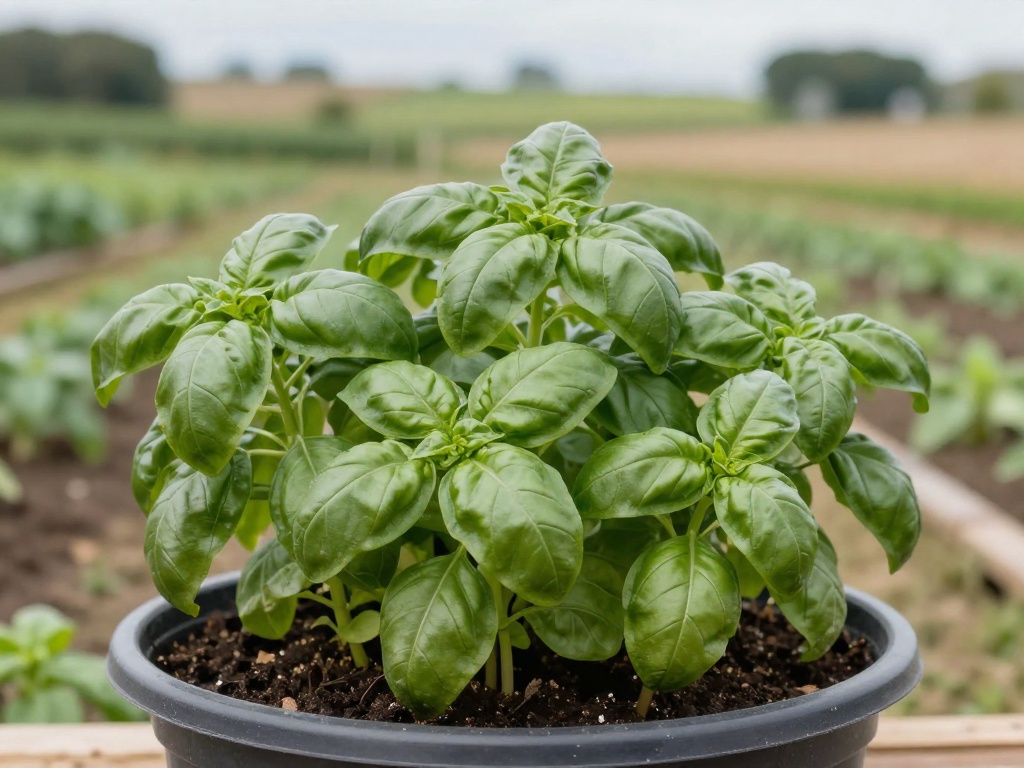
Basil companion planting in containers offers an incredible opportunity for gardeners with limited space to grow thriving, harmonious herb gardens. Whether you have a small balcony, patio, or sunny windowsill, understanding which plants grow best together can transform your container garden from ordinary to extraordinary. This comprehensive guide reveals the proven strategies for successful basil companion planting that professional growers use in 2026.
Why Choose Companion Planting for Basil in Containers?
Companion planting represents a time-tested agricultural practice where specific plants support each other's growth through natural mechanisms. When applied to basil in containers, this approach delivers remarkable benefits that every container gardener should understand.
Space Optimization Benefits
Container gardening inherently limits space, making companion planting essential for maximizing every square inch. By strategically pairing basil with compatible plants, you can grow multiple crops in a single container or adjacent pots, effectively doubling your harvest potential from limited growing areas.
Natural Pest Protection
Basil contains powerful aromatic compounds that naturally repel problematic insects including aphids, spider mites, and whiteflies. When planted alongside vulnerable crops, basil acts as a living pest deterrent, reducing or eliminating the need for chemical interventions in your organic garden.
Enhanced Flavor Profiles
Research and gardener experience consistently show that certain plant combinations can enhance flavor development. Basil particularly excels when paired with tomatoes, as both plants share similar water and nutrient requirements while potentially improving each other's taste characteristics.
Best Companion Plants for Basil in Containers
Selecting the right companions forms the foundation of successful basil companion planting in containers. These pairings have proven themselves through years of practical application and horticultural research.
Tomatoes: The Classic Partnership
Tomatoes and basil represent perhaps the most celebrated companion planting combination in home gardening. This pairing works exceptionally well in containers when properly managed. Choose compact or determinate tomato varieties such as cherry tomatoes or Roma tomatoes for best results in container environments. Both plants thrive in full sun, require similar watering schedules, and mature at compatible rates. Plant basil in the same container as tomatoes or in immediately adjacent containers for maximum benefits.
Peppers: Warm-Weather Companions
Bell peppers and chili peppers share basil's love for warm temperatures and consistent moisture. This combination creates an attractive container display while providing kitchen-ready ingredients for fresh salsas and Mediterranean dishes. Sweet basil varieties complement pepper plants particularly well, offering mild flavors that won't overwhelm pepper tastes.
Other Herb Companions
Several herbs make excellent neighbors for container-grown basil. Parsley thrives alongside basil in partial shade conditions while sharing similar moisture requirements. Chives repel pests that might otherwise target basil while adding delicate onion flavors to your garden palette. Oregano and thyme tolerate similar growing conditions and add culinary diversity to your container herb collection.
Plants to Avoid Near Basil in Containers
Understanding which plants conflict with basil proves equally important as knowing its beneficial companions. Some plants actively inhibit basil growth or compete destructively for essential resources.
Rue and Sage
Rue produces compounds that actively inhibit basil growth and should never share containers or immediate growing proximity. Sage, while sometimes debated among gardeners, generally competes too aggressively for water and nutrients in container environments where resources are inherently limited.
Fennel
Fennel acts as an allelopathic plant, releasing chemicals that suppress the growth of many neighboring plants including basil. Keep fennel in completely separate containers located away from your basil growing area.
Thyme in Excess
While small amounts of thyme can coexist with basil, excessive thyme plantings compete heavily for moisture. Container environments magnify this competition since water availability remains finite within pot boundaries.
Step-by-Step Guide to Basil Companion Planting in Containers
Following this systematic approach ensures successful results when implementing basil companion planting in your container garden.
Step 1: Select Appropriate Containers
Choose containers at least 12 inches in diameter for single basil plants or larger containers measuring 18-24 inches for tomato-basil combinations. Ensure all containers possess adequate drainage holes to prevent root rot while retaining enough soil moisture for healthy growth. Terra cotta containers offer excellent breathability, while plastic containers better retain moisture in hot climates.
Step 2: Prepare Quality Potting Mix
Fill containers with premium-quality potting mix specifically formulated for container vegetables and herbs. Avoid garden soil which compacts too heavily in containers and may harbor soil-borne diseases. The ideal potting mix contains peat moss or coco coir for moisture retention, perlite or vermiculite for drainage, and composted organic matter for nutrient supply.
Step 3: Position Containers Strategically
Place companion-planted containers where they will receive at least 6-8 hours of direct sunlight daily. Basil particularly thrives in morning sun with afternoon shade in extremely hot climates. Grouping containers together creates a microclimate that retains humidity and supports consistent growth.
Step 4: Plant Companions at Correct Depths
Install plants at depths matching their original nursery containers. Basil should be planted at the same depth it grew in its starting pot, with the soil line reaching just below the first set of true leaves. Space plants according to their mature sizes, allowing adequate air circulation between companions.
Step 5: Implement Consistent Watering Schedule
Container plants require more frequent watering than garden beds because containers dry out faster. Water when the top inch of soil feels dry to the touch, typically every 1-2 days during warm weather. Apply water directly to the soil surface, avoiding wetting foliage which can encourage fungal diseases.
Step 6: Feed for Optimal Growth
Supply balanced liquid fertilizer every 2-3 weeks during the growing season. Choose organic options such as fish emulsion, seaweed extract, or compost tea for healthy, chemical-free growth. Container plants deplete nutrients faster than garden beds, making regular feeding essential for sustained productivity.
Tips for Maximum Yield in Container Companion Planting
Implementing these professional techniques elevates your container garden from good to exceptional results.
Pruning and Harvesting Strategies
Regular harvesting encourages bushier basil growth and prevents early flowering. Pinch or cut basil stems just above leaf nodes, removing no more than one-third of the plant at any time. This technique stimulates branching and produces continuous harvests throughout the growing season.
Succession Planting Approach
Start new basil seedlings every 3-4 weeks to ensure continuous production. Replace exhausted plants promptly with fresh seedlings, maintaining productive containers throughout the entire growing season from spring through fall.
Seasonal Timing Considerations
Begin basil companion planting in containers after all frost danger passes and soil temperatures reach at least 50°F (10°C). In regions with short growing seasons, start seeds indoors 6-8 weeks before the last expected frost and transplant outdoors once conditions warm.
Common Mistakes to Avoid
Understanding frequent errors helps prevent disappointment and ensures gardening success.
Overcrowding Containers
Beginner gardeners often plant too many companions in limited container space. Overcrowding creates competition for light, water, and nutrients while restricting air circulation. This leads to weak, disease-prone plants that fail to thrive despite excellent care.
Ignoring Companion Compatibility
Not all plants sharing similar growing requirements make good companions. Always research specific plant combinations before planting, considering both beneficial and harmful interactions that affect long-term garden health.
Inconsistent Watering Practices
Container gardens demand more attention to watering than traditional garden beds. Inconsistent moisture causes stress that weakens plants and reduces yields. Establish and maintain a regular watering routine adjusted for seasonal temperature changes.
FAQ: Basil Companion Planting in Containers
What herbs grow well with basil in containers for beginners?
Beginners should start with parsley, cilantro, and chives as basil companions. These herbs share similar water and light requirements, making them forgiving choices for new container gardeners learning to balance plant needs in limited growing spaces.
Can I plant multiple basil varieties together in the same container?
Yes, different basil varieties can coexist in the same container, provided the container is large enough and plants are spaced appropriately. However, avoid mixing spicy globe basil with large-leaf varieties as their growth habits differ significantly.
How long does it take to see results from basil companion planting?
Visible results typically appear within 4-6 weeks after planting. Basil establishes quickly in warm conditions, while companion plants like tomatoes require 8-12 weeks to show significant growth. Full companion benefits including pest protection become apparent once plants mature and develop their characteristic aromas.
What's the approximate cost to start a basil companion container garden?
Starting a basic basil companion container garden costs approximately $30-60 for containers, potting mix, starter plants or seeds, and basic tools. Costs vary based on container quality, number of plants, and whether you start from seeds or purchase established seedlings.
What common mistakes do beginners make with basil companion planting?
Common mistakes include overcrowding containers, planting incompatible companions, overwatering or underwatering, insufficient sunlight, and failing to fertilize regularly. Avoiding these errors significantly increases success rates for new container gardeners.
When is the best time to start basil companion planting in containers?
The optimal time begins 2-3 weeks after the last spring frost when daytime temperatures consistently reach 70°F (21°C) or higher. Basil thrives in warmth and struggles in cool conditions, so timing your planting to avoid cold weather ensures strong establishment and productive growth throughout the season.
No comments