
2026 Guide to Philodendron Container Gardening on Balcony
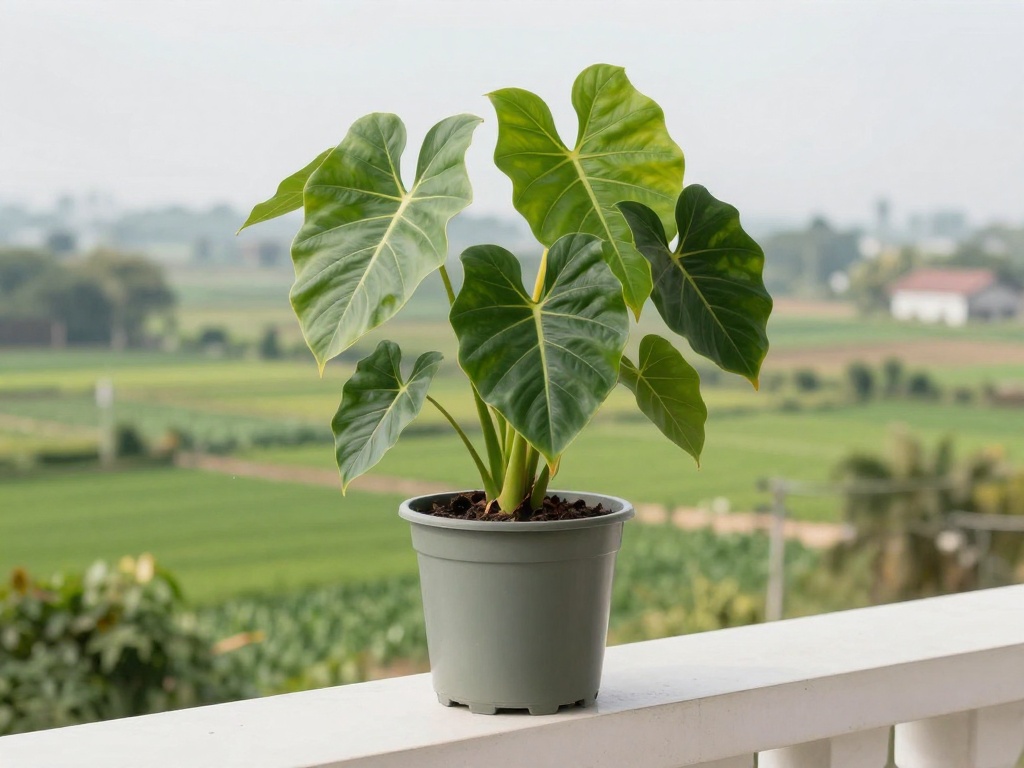
2026 Guide to Philodendron Container Gardening on Balcony
Philodendron container gardening on balcony spaces has become increasingly popular among urban gardeners seeking to bring lush, tropical vibes to limited outdoor areas. This comprehensive guide walks you through everything you need to know to create a thriving philodendron display that transforms your balcony into a personal jungle paradise.
Why Choose Philodendrons for Balcony Container Gardening
Philodendrons are among the most forgiving tropical plants, making them perfect candidates for balcony container gardening. These resilient plants adapt well to various light conditions and tolerate occasional neglect, which is ideal for busy urban dwellers. Their diverse foliage patterns and growth habits offer endless design possibilities for balcony spaces of any size.
Benefits of Growing Philodendrons Outdoors
When you bring philodendrons outdoors on your balcony, you provide them with improved air circulation and natural humidity that often exceeds indoor conditions. The filtered sunlight creates optimal growing environments for most varieties. Additionally, balcony placement allows these tropical beauties to contribute to your outdoor living space aesthetic while purifying the surrounding air.
Best Philodendron Varieties for Balcony Containers
Several philodendron varieties excel in container culture on balconies. Heartleaf philodendron features trailing vines perfect for hanging baskets. Brasil offers striking variegated foliage in greens and yellows. Lemon-lime philodendron provides bright chartreuse leaves that illuminate shaded balconies. For larger spaces, selloum varieties create dramatic focal points with their deeply lobed leaves.
Essential Container Selection for Philodendron Success
Choosing the right container forms the foundation of successful philodendron container gardening on balcony setups. Select pots with adequate drainage holes to prevent root rot, which remains the primary killer of container-grown philodendrons. Material choice affects watering frequency—terra cotta dries faster than plastic or ceramic, requiring more frequent watering during hot months.
Container Size Guidelines
Match your container size to your philodendron's current root system with room for two years of growth. Starting too large risks overwatering issues, while too small restricts development. A general rule suggests selecting a pot approximately two inches wider than the root ball. As plants mature, transition to progressively larger containers annually during spring repotting season.
Drainage Requirements
Proper drainage prevents countless problems in philodendron container gardening on balcony environments. Ensure at least three to four drainage holes at the pot's base. Elevate containers on pot feet or small blocks to encourage water escape. Consider placing gravel or broken pottery pieces at the bottom of containers to improve drainage efficiency without sacrificing soil volume.
Creating the Perfect Soil Mix for Balcony Containers
Philodendrons demand well-draining, aerated potting medium that retains moisture without becoming waterlogged. Commercial potting mixes designed for tropical houseplants provide excellent starting points. For balcony containers, enhance drainage by amending standard potting soil with perlite, orchid bark, or coco coir to create ideal growing conditions.
DIY Soil Recipe for Philodendron Containers
Combine equal parts quality potting soil, perlite, and coco coir for a balanced mixture that promotes healthy root development. Add a handful of orchid bark for additional structure and drainage. This blend provides the moisture retention philodendrons need while preventing the compacted, soggy conditions that lead to root problems in container gardening.
Nutrient Requirements for Container-Grown Philodendrons
Container plants deplete nutrients faster than garden specimens, making regular fertilization essential for thriving philodendrons. Apply balanced liquid fertilizer diluted to half strength every two to four weeks during the growing season. Reduce feeding to monthly during fall and winter months when growth slows naturally.
Optimal Placement and Light Conditions
Understanding light requirements proves crucial for successful philodendron container gardening on balcony locations. Most philodendrons prefer bright, indirect light and suffer under intense direct sun exposure. East-facing balconies offer gentle morning light ideal for most varieties. West-facing spots may require shade cloth during hot afternoon hours.
Signs of Light Stress in Philodendrons
Yellowing leaves often indicate too much direct sunlight, while stretched, leggy growth suggests insufficient light. Pale, washed-out foliage results from excessive exposure, whereas dark green leaves in variegated varieties mean plants need more light. Monitor your philodendrons regularly and adjust placement based on their visual feedback.
Protecting Plants from Weather Extremes
Balcony philodendrons face exposure to wind, rain, and temperature fluctuations uncommon in indoor settings. Position containers where buildings or walls provide wind protection. Move pots undercover during heavy rain to prevent waterlogging. When temperatures drop below 50°F, consider bringing sensitive varieties inside or providing frost protection.
Watering Best Practices for Balcony Containers
Watering frequency in philodendron container gardening on balcony settings depends on multiple factors including container material, temperature, humidity, and plant size. Check soil moisture before watering by inserting your finger two inches deep. Water thoroughly until excess drains from the bottom, ensuring complete root zone saturation.
Seasonal Watering Adjustments
Summer heat dramatically increases water needs, potentially requiring daily watering during heat waves. Winter months reduce evapotranspiration, meaning plants may only need watering once weekly or less. Observe your specific conditions and adjust accordingly rather than following rigid schedules.
Signs of Overwatering and Underwatering
Yellow lower leaves and soft stems often signal overwatering, while crispy, brown leaf edges indicate underwatering. Root rot from excessive moisture presents as wilting despite wet soil—the roots cannot absorb water when damaged. Underwatering causes leaves to droop and curl inward as the plant conserves moisture.
Maintenance and Pruning for Healthy Growth
Regular maintenance keeps balcony philodendrons looking their best and encourages lush, bushy growth. Remove yellowing or damaged leaves promptly to direct energy toward healthy growth. Prune leggy vines to encourage branching and fuller appearance. Clean leaves occasionally to remove dust and improve photosynthesis efficiency.
Training and Support Options
Many philodendron varieties produce trailing or climbing growth that benefits from support structures. Install moss poles, trellises, or bamboo stakes for climbing varieties. Train trailing types along balcony railings or in hanging baskets for cascading displays. Regular guidance maintains desired shapes and prevents unwanted wandering.
Pest Management for Outdoor Philodendrons
Balcony placement exposes philodendrons to pests uncommon indoors, including aphids, spider mites, and mealybugs. Inspect plants regularly, checking undersides of leaves and stem junctions. Treat infestations promptly with neem oil or insecticidal soap applications. Strong water sprays dislodge many pests effectively when applied regularly.
Designing Your Balcony Philodendron Display
Incorporate philodendrons creatively into your balcony design for maximum visual impact. Group containers at varying heights using plant stands or shelving units. Mix foliage textures and colors for dynamic displays. Combine trailing varieties with upright specimens for layered, professional-looking arrangements.
Companion Plants for Philodendron Containers
Select companion plants sharing similar light and water requirements for cohesive container groupings. Pothos varieties complement philodendrons with matching cultural needs. Ferns provide textural contrast while thriving in similar filtered light conditions. Bromeliads add tropical color that harmonizes with philodendron foliage.
Troubleshooting Common Balcony Philodendron Problems
Even with proper care, issues occasionally arise in philodendron container gardening on balcony environments. Yellow leaves may indicate overwatering, underwatering, nutrient deficiency, or natural aging. Brown tips suggest low humidity, salt buildup, or inconsistent watering. Drooping leaves typically mean the plant needs water immediately.
Addressing Environmental Stress
Sudden environmental changes shock container plants more severely than garden specimens. Acclimate plants gradually when moving them outdoors for summer or bringing them inside for winter. Maintain consistent care routines as much as possible to minimize stress-related problems.
Frequently Asked Questions
Can philodendrons survive year-round on a balcony?
Whether philodendrons survive year-round depends entirely on your climate. In USDA zones 10-11, these tropical plants thrive outdoors permanently. Colder regions require bringing plants inside when temperatures drop below 50°F, or treating them as seasonal additions during warm months only.
How often should I water philodendrons in balcony containers?
Watering frequency varies dramatically based on temperature, humidity, container material, and plant size. During summer, you may need to water every one to three days. In cooler months, weekly watering often suffices. Always check soil moisture before watering rather than following rigid schedules.
What size container is best for philodendron plants?
Select containers approximately two inches wider than the current root ball, allowing space for two years of growth. Starting too large risks waterlogging issues. As plants mature, repot annually in spring into progressively larger containers until reaching your desired mature size.
Do philodendrons prefer morning sun or afternoon sun on balconies?
Philodendrons generally prefer morning sun and afternoon shade, making east-facing balconies ideal. Morning light is gentler and less intense than harsh afternoon rays. If only west-facing options exist, provide shade cloth during peak afternoon hours to prevent leaf burn and stress.
How do I protect philodendron containers from balcony wind?
Position containers in naturally sheltered balcony areas near walls or corners. Group pots together to create mutual wind protection. Use heavier containers like ceramic or concrete to prevent toppling. Consider portable windbreaks using trellis panels or reed screening during particularly windy periods.
What's the best fertilizer for container-grown philodendrons?
Balanced liquid fertilizers with equal nitrogen, phosphorus, and potassium ratios work well for philodendrons. Look for formulations labeled 10-10-10 or 20-20-20 diluted to half strength. Apply every two to four weeks during active growth seasons, reducing frequency during dormant periods for optimal results.
Philodendron container gardening on balcony spaces offers rewarding opportunities to cultivate stunning tropical displays even in limited urban environments. With proper container selection, appropriate soil mixes, thoughtful placement, and consistent care, your balcony philodendrons will flourish for years to come, creating your own private tropical retreat in the heart of the city.
No comments