
Pumpkin Vertical Gardening on Balcony: 2026 Complete Guide
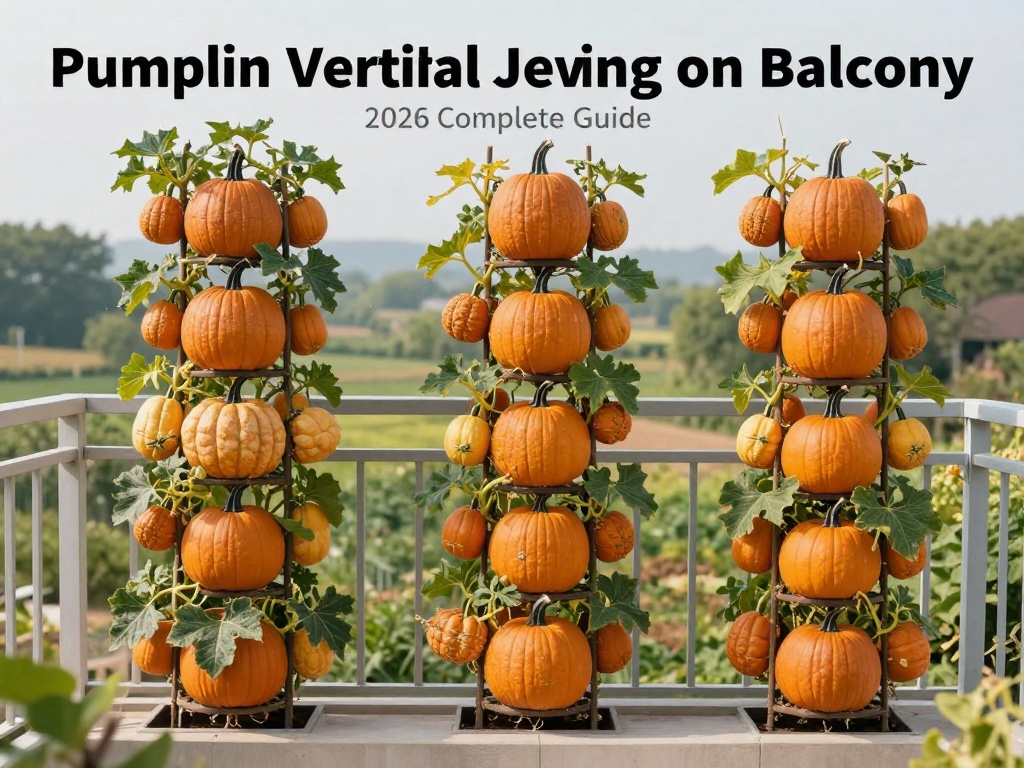
Pumpkin Vertical Gardening on Balcony: 2026 Complete Guide
Vertical gardening has revolutionized how urban dwellers enjoy fresh produce without requiring sprawling backyard space. Growing pumpkins vertically on a balcony offers a practical solution for space-constrained gardeners who still want to experience the satisfaction ofharvesting their own gourds. This comprehensive 2026 guide walks you through every step of successfully cultivating pumpkins in limited outdoor spaces, from selecting the right varieties to harvesting your bounty.
Why Choose Pumpkin Vertical Gardening on Balcony?
Traditional pumpkin plants sprawl across 100-200 square feet of garden space, making them seemingly impossible for balcony cultivation. However, pumpkin vertical gardening on balcony transforms this challenge into an opportunity by training vines upward instead of outward. This approach saves up to 85% of growing space while adding visual interest and natural shade to your outdoor living area.
Benefits of Vertical Pumpkin Cultivation
Growing pumpkins vertically offers numerous advantages beyond space conservation. Improved air circulation reduces fungal disease occurrence, while elevated fruits develop more uniform shapes and colors. Vertical plants also experience fewer pest issues since fruits hang above ground-dwelling insects. Additionally, harvesting becomes significantly easier when pumpkins are at eye level rather than hidden beneath sprawling vines.
Understanding Your Balcony's Growing Conditions
Before planting, assess your balcony's sunlight exposure, wind patterns, and structural load capacity. Most pumpkin varieties require minimum 6-8 hours of direct sunlight daily for optimal fruit development. South-facing balconies typically provide ideal conditions, while east or west-facing locations may require variety adjustments. Consider weight restrictions when installing support structures, as mature pumpkin vines with fruit can exceed 50 pounds.
Best Pumpkin Varieties for Balcony Vertical Gardening
Selecting appropriate pumpkin varieties determines your success more than any other factor. Compact and mini pumpkin types thrive in containers and adapt beautifully to vertical growing systems. These varieties produce smaller fruits that won't overwhelm your support structure while still delivering satisfying harvests.
Top Mini Pumpkin Varieties
Jack Be Little pumpkins weigh just 4-8 ounces each and mature in approximately 95 days, making them perfect for beginners learning vertical gardening techniques. Their compact vines reach only 8-10 feet, comfortably fitting balcony trellis systems. Baby Boo offers white-skinned fruits averaging 3-5 ounces with decorative appeal. Both varieties produce multiple fruits per plant, maximizing your harvest from limited space.
Small-Fruited Varieties for Containers
Sweet Lightning produces striped orange and cream fruits weighing 2-4 pounds, ideal for both ornamental and culinary uses. Its semi-bush habit adapts exceptionally well to container cultivation. Cotton Candy pumpkins feature pale orange flesh with sweet flavor, producing fruits up to 6 pounds on manageable vines. These intermediate varieties bridge the gap between mini and standard pumpkins for gardeners seeking larger harvests.
Essential Equipment for Balcony Pumpkin Vertical Gardening
Proper equipment ensures your vertical pumpkin garden thrives throughout the growing season. Investing in quality containers, support structures, and growing medium prevents common pitfalls that plague novice vertical gardeners.
Choosing the Right Containers
Container size directly impacts plant health and fruit production. Select containers minimum 15 gallons capacity with adequate drainage holes for each pumpkin plant. Fabric grow bags offer excellent drainage and air pruning benefits, promoting healthier root systems. Ceramic and plastic containers retain moisture longer, reducing watering frequency in hot climates. Whatever material you choose, ensure containers can support significant weight when filled with saturated soil and mature vines.
Support Structures and Trellising Systems
Sturdy support structures handle the substantial weight of climbing vines and developing fruit. Heavy-duty trellises rated for 50+ pounds work well for mini varieties, while small-fruited types require reinforced systems with additional support wires. A-frame ladders, cattle panel arches, and wall-mounted решётки all serve effectively depending on your balcony's configuration. Install supports before planting to avoid damaging developing root systems.
Hammocks and Fruit Supports
Vertical pumpkins need fruit supports to prevent vine breakage as fruits mature and gain weight. DIY hammocks fashioned from old t-shirts, pantyhose, or mesh produce bags cradle developing pumpkins while allowing air circulation. Attach supports to your main trellis structure using adjustable loops that expand with growing fruits. Check supports weekly and reposition as needed to prevent chafing on vine stems.
Step-by-Step Planting Process for Beginners
Proper planting technique establishes your pumpkin vertical gardening on balcony success from the start. Follow these sequential steps for optimal results in your growing season.
Timing Your Planting
Pumpkins require warm soil temperatures above 65°F for successful germination and early growth. In most climates, container planting begins 2-3 weeks after last frost when nighttime temperatures consistently exceed 50°F. Starting seeds indoors 3-4 weeks earlier accelerates your harvest timeline, particularly valuable in short-season regions where outdoor growing periods are limited.
Preparing Containers and Soil Mix
Use premium potting mix specifically formulated for containers rather than garden soil, which compacts excessively and harbors disease organisms. Blend potting mix with perlite in ratio 3:1 for improved drainage and aeration. Fill containers to 2 inches below rim, allowing space for thorough watering. Incorporate slow-release fertilizer granules at label-recommended rates for sustained nutrition throughout the growing season.
Planting Seeds or Seedlings
Plant seeds 1 inch deep, placing 2-3 seeds per container for later thinning. Maintain soil moisture consistently until germination occurs within 7-10 days. If starting with transplants, handle root balls gently to minimize transplant shock. Position containers against your support structure's base, allowing easy vine training as plants develop. Mulching container surfaces with straw or shredded bark conserves moisture and moderates soil temperature extremes.
Caring for Your Vertical Pumpkin Garden
Ongoing maintenance determines whether your vertical pumpkin garden produces abundantly or struggles through the season. Consistent attention to watering, feeding, and pruning keeps plants vigorous and productive.
Watering Requirements and Techniques
Container pumpkins demand more frequent watering than ground-planted specimens due to limited soil volume and increased drainage. Water deeply when top 1-2 inches of soil feel dry, typically every 2-3 days during moderate weather. During hot summer periods, daily watering may be necessary. Water slowly at soil level avoiding wetting foliage, which promotes fungal diseases. Consider drip irrigation systems with timers for consistent moisture delivery when you're away.
Feeding Schedule for Maximum Yield
Pumpkins are heavy feeders requiring regular nutrient supplementation for abundant fruit production. Apply water-soluble fertilizer every 2 weeks beginning when vines develop true leaves. Switch to potassium-rich formula once flowering begins to support fruit development. Organic options like fish emulsion, seaweed extract, and compost tea provide excellent nutrition while improving soil biology. Watch for signs of nutrient deficiency including yellowing leaves indicating nitrogen needs and poor fruit set suggesting potassium shortage.
Training and Pruning Techniques
Train main vines upward along your support structure, securing loosely with soft plant ties that won't cut into stems. Remove side shoots (laterals) beyond first 2-3 fruit to direct energy toward developing pumpkins. Pinch growing tips once vines reach your trellis top, encouraging branching and additional flowering sites. Remove any yellowing or diseased foliage promptly to maintain plant vigor and prevent disease spread.
Pollination and Fruit Development
Understanding pumpkin pollination mechanics helps you maximize fruit set in your vertical garden. Pumpkins produce separate male and female flowers, requiring proper pollination for fruit development.
Hand Pollination Methods
Balcony environments often lack sufficient pollinator visits, making hand pollination a valuable technique. Identify female flowers by the small fruit swelling behind the bloom, while male flowers display only stems. Collect pollen from freshly opened male flowers using a small paintbrush or cotton swab. Transfer pollen to the central stigma of female flowers, preferably during morning hours when flowers fully open. Successful pollination within 24 hours of flower opening ensures fruit development.
Ensuring Healthy Fruit Development
Once fruits set, maintain consistent watering and feeding to support rapid growth. Rotate developing fruits gently every few days to prevent flattening on one side. Continue providing support as fruits enlarge, adjusting hammocks to accommodate increasing weight. Thin remaining fruits to 2-3 per plant for mini varieties and 1-2 per plant for larger types, directing plant energy toward fewer, larger specimens.
Harvesting Your Balcony Pumpkins
Knowing when and how to harvest determines final fruit quality and storage potential. Proper harvest timing ensures your pumpkins reach full flavor and storage capability.
Signs of Maturity
Pumpkins signal readiness through multiple indicators including uniform color development, hardened skin that resists fingernail pressure, and dried woody stems. The tendril nearest the fruit typically turns brown and corky at maturity. Fruits usually mature 90-120 days after planting depending on variety. Allow pumpkins to cure on the vine if weather permits, developing sweeter flavor and tougher skin for extended storage.
Proper Harvesting Techniques
Cut pumpkins from vines using sharp pruners, leaving 3-4 inches of stem attached. Never carry pumpkins by stems, which may break causing decay entry points. Handle fruits gently to prevent bruising that leads to rot during storage. Cure harvested pumpkins in sunlight for 10-14 days to harden skins further, then move to cool, dry storage location with temperatures between 50-55°F.
Common Mistakes to Avoid
Avoiding typical errors saves time, money, and frustration while improving your vertical gardening success. Learn from these common pitfalls encountered by balcony pumpkin gardeners.
Overwatering ranks among the most frequent mistakes, causing root rot and fungal diseases. Conversely, underwatering stresses plants and causes fruit abortion. Insufficient sunlight prevents flowering and fruit development. Using undersized containers restricts root growth and reduces plant vigor. Neglecting support systems results in broken vines and lost harvests. Finally, planting standard-sized varieties in containers overwhelms balcony spaces and produces undersized, stressed fruits.
2026 FAQ: Pumpkin Vertical Gardening on Balcony
Can beginners successfully grow pumpkins on a balcony?
Absolutely! Beginners can succeed with pumpkin vertical gardening on balcony by starting with mini varieties like Jack Be Little or Baby Boo. These compact cultivars require smaller containers, less support strength, and produce faster results than standard varieties. Following basic watering, feeding, and training guidelines ensures satisfying harvests even for first-time gardeners.
What container size is minimum for growing pumpkins vertically?
Container size requirements vary by variety, but minimum 15-gallon containers work for mini pumpkins while small-fruited varieties need 20-30 gallons. Larger containers provide more stable moisture levels and root space, generally resulting in healthier plants and larger harvests. Always ensure containers have adequate drainage holes to prevent waterlogging.
How much sunlight do balcony pumpkins need daily?
Pumpkins require minimum 6-8 hours of direct sunlight daily for optimal growth and fruit production. South-facing balconies typically provide ideal conditions, while east or west-facing locations with 6 hours minimum can work with appropriate variety selection. North-facing balconies generally lack sufficient light for successful pumpkin cultivation regardless of vertical techniques.
What's the expected timeline from planting to harvest?
Timeline varies by variety, but most mini pumpkins mature in 95-105 days while small-fruited varieties require 100-120 days. Seeds germinate within 7-10 days under warm conditions. Flowering begins approximately 6-8 weeks after planting, with fruits developing and maturing over subsequent weeks. Planning backward from your first expected fall frost date determines optimal planting timing.
How much does balcony pumpkin gardening cost to start?
Starting costs range from $50-150 depending on quality of materials and number of plants. Basic expenses include containers ($15-40 each), potting soil ($10-20), trellis system ($20-60), seeds or seedlings ($3-10 each), fertilizer ($10-20), and support materials ($10-15). Reusable items like quality containers and trellises reduce subsequent year costs significantly.
What are the most common mistakes when vertical gardening pumpkins?
Most common mistakes include using undersized containers, providing insufficient sunlight, overwatering, failing to install adequate support structures before planting, forgetting to hand-pollinate flowers, and choosing standard-sized varieties unsuitable for container growing. Avoiding these errors dramatically improves success rates for balcony pumpkin gardeners.
How do I support heavy pumpkins on a vertical garden?
Create hammock supports from soft materials like old t-shirts, pantyhose, or mesh produce bags tied to your main trellis structure. Position supports beneath developing fruits early, allowing them to expand naturally. Check supports weekly and adjust tension as fruits grow. For fruits exceeding support system weight limits, consider harvesting slightly early or providing additional reinforcement.
Can I grow pumpkins in raised beds on my balcony?
Elevated raised beds work excellently for balcony pumpkin cultivation, provided they have adequate depth for root development (minimum 18 inches) and proper drainage. Commercial elevated planters designed for roofs and balconies handle weight considerations appropriately. Ensure raised beds won't exceed structural weight limits and won't damage balcony surfaces through water leakage or excessive pressure.
No comments