
Potatoes Pruning for Beginners: 2026 Complete Guide
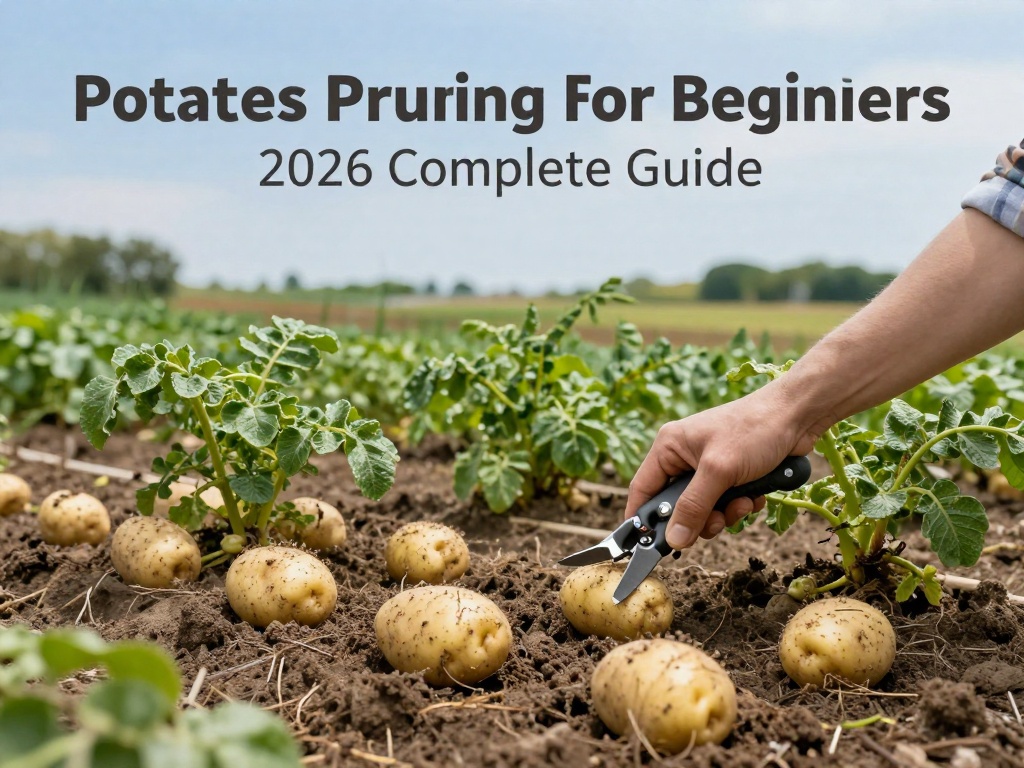
Potatoes Pruning for Beginners: 2026 Complete Guide
Learning potatoes pruning for beginners is one of the most valuable skills you can develop as a home gardener. Proper pruning helps your potato plants focus their energy on producing larger, healthier tubers while reducing the risk of disease. This comprehensive guide walks you through everything you need to know about pruning potato plants, from timing to techniques, ensuring your 2026 potato harvest is your best yet.
Why Pruning Potato Plants Matters
Many beginner gardeners assume potato plants require minimal maintenance, but strategic pruning can significantly improve your yield and plant health. When you understand the science behind pruning, you'll see why this simple practice makes such a dramatic difference.
Benefits of Proper Pruning
Pruning potato plants offers several key advantages that directly impact your harvest quality. First, removing excess foliage directs the plant's energy toward tuber development rather than maintaining excessive greenery. Second, improved air circulation between plants reduces fungal disease risk, which potatoes are particularly susceptible to during humid weather. Third, pruned plants are easier to monitor for pests and problems, making your garden maintenance more effective throughout the growing season.
Understanding Potato Plant Growth Stages
Potato plants go through distinct growth phases, and your pruning strategy should adapt accordingly. During the vegetative stage, plants focus on establishing strong stems and leaves. The flowering stage marks the beginning of tuber initiation, when small potatoes start forming underground. Understanding these stages helps you time your pruning for maximum benefit and ensures you don't accidentally harm developing tubers.
When to Prune Potato Plants
Timing is critical when it comes to pruning potatoes for beginners. Prune too early, and you may stunt growth. Prune too late, and you miss the window for optimal benefit. Here's what you need to know about scheduling your pruning activities.
Early Season Pruning
In the early growing stages, focus on removing damaged, diseased, or yellowing leaves as soon as you spot them. This preventive pruning stops problems from spreading and keeps your plants healthy from the start. Check your potato plants at least twice weekly during active growth, and remove any foliage showing signs of blight or pest damage immediately.
Mid-Season Maintenance Pruning
Once your plants reach about 12 inches tall, you can begin more systematic pruning. Remove any stems growing inward toward the center of the plant to maintain good air flow. Thin out crowded areas where multiple stems compete for space, keeping only the strongest three to five stems per plant depending on the variety and available room.
Late Season Pre-Harvest Pruning
Approximately two to three weeks before your expected harvest date, cut back all foliage to ground level. This technique, sometimes called "skinning down," toughens up the potato skins and makes them more durable for digging. It also signals the plants to focus remaining energy on maturing the tubers underground.
How to Prune Potato Plants: Step-by-Step
Follow this step-by-step pruning guide to ensure you're handling your potato plants correctly at every stage of growth.
Step 1: Gather Your Tools
You'll need clean, sharp pruning shears or scissors, gardening gloves to protect your hands, and a disinfectant solution like diluted bleach or rubbing alcohol. Clean tools prevent the spread of disease between plants, which is especially important when working with potato crops that are vulnerable to bacterial and fungal infections.
Step 2: Inspect Your Plants Thoroughly
Before making any cuts, walk through your potato patch and assess each plant individually. Look for yellowing leaves at the base of plants, which is normal as the plant matures. Identify any stems that appear weak, damaged, or diseased. Note areas where foliage is overly dense, blocking light and air from reaching the center of the plant.
Step 3: Make Clean Cuts
When pruning, cut at a 45-degree angle approximately one-quarter inch above a leaf node or bud. Clean cuts heal faster and are less likely to admit disease than torn or crushed stems. Work systematically through each plant, starting with the removal of any clearly damaged or diseased material before moving on to structural pruning.
Step 4: Maintain Plant Balance
When removing stems or branches, take them from all sides of the plant to maintain a balanced, symmetrical shape. Avoid removing more than 25% of the total foliage at any one time, as this can shock the plant and reduce tuber development. If heavy pruning is needed, spread it across multiple sessions a week apart.
Common Pruning Mistakes to Avoid
Even with the best intentions, beginners often make mistakes that can harm their potato plants. Being aware of these common errors helps you avoid them in your own garden.
Over-Pruning Young Plants
Resist the temptation to heavily prune potato plants before they've established a strong root system and produced ample foliage. Young plants need their leaves to photosynthesize and build energy reserves. Wait until plants are at least 8 inches tall before attempting any significant pruning work.
Using Dirty Tools
This is perhaps the most common and damaging mistake home gardeners make. Always sanitize your pruning tools before moving from one plant to another, especially if you're removing diseased material. A quick dip in a 10% bleach solution or rubbing alcohol between cuts takes just seconds but prevents countless potential problems.
Pruning During Wet Weather
Fungal diseases spread rapidly in moist conditions. Schedule your pruning for dry mornings, giving cut surfaces time to callous over before evening dew settles. Avoid pruning when rain is forecast within 24 hours, as wet conditions create perfect environments for infection to take hold.
Signs Your Potato Plants Need Attention
Learning to recognize when your potato plants need intervention is just as important as knowing how to prune them. Watch for these signals that indicate pruning or other care is necessary.
Yellowing Leaves
Some yellowing at the bottom of plants is normal, but widespread yellowing throughout the foliage indicates problems. This can signal nutrient deficiency, overwatering, or disease. Investigate the cause and address it promptly, removing affected leaves to prevent potential spread if disease is involved.
Excessive Foliage Without Flowers
Lots of lush green growth with no flowers or very delayed flowering can indicate too much nitrogen. While healthy foliage is good, an imbalance means the plant is prioritizing leaves over tuber production. Reduce nitrogen fertilization and consider light pruning to redirect energy underground.
Leggy or Spindly Growth
If your potato plants are growing tall and thin rather than bushy and robust, they may be reaching for insufficient light or getting too much nitrogen. Prune the top growth lightly to encourage bushier development, and ensure plants are receiving at least six hours of direct sunlight daily.
Post-Pruning Care for Potato Plants
What you do after pruning directly impacts how well your plants recover and continue developing. Implement these care practices to support healthy regrowth.
Watering After Pruning
Give your pruned plants a thorough watering the day after pruning, unless rain has already provided adequate moisture. This helps them recover from the stress of cutting and supports new growth. Water at soil level rather than overhead to keep foliage dry and reduce disease risk.
Monitoring for Problems
In the week following pruning, check your plants daily for signs of stress or disease. Cuts should begin healing within 48 hours, showing a slightly dried, calloused appearance at the edges. Any soft, mushy, or discolored areas around cuts may indicate infection and should be addressed immediately.
Seasonal Pruning Calendar for 2026
Use this guide to plan your potato pruning activities throughout the growing season, ensuring you never miss an important timing window.
Spring (Planting Through Early Growth)
Focus on removing any winter-killed foliage from overwintered plants and clearing debris from your potato beds. As new growth emerges, remove competing weeds and any damaged early leaves. This sets a healthy foundation for the growing season ahead.
Summer (Active Growth Through Flowering)
This is your main pruning season for established plants. Conduct your structural pruning when plants reach 12 inches, then monitor weekly for maintenance needs. Continue removing damaged foliage and thin crowded growth throughout the summer months.
Fall (Pre-Harvest and Harvest)
Two to three weeks before harvesting maincrop potatoes, cut all foliage to ground level. For early varieties, you may harvest just a few weeks after flowering without pre-harvest pruning. After harvest, remove all plant material from the garden to prevent overwintering pests and diseases.
Special Considerations for Container Potatoes
Growing potatoes in containers requires some adjustments to standard pruning techniques. Limited soil volume means container plants may need more frequent attention and slightly different approaches.
Container-Specific Pruning Tips
Container potatoes typically need less aggressive pruning than ground-grown plants due to their constrained root systems. Focus primarily on removing diseased or damaged foliage and maintaining good air circulation around the container. Avoid heavy thinning, as container plants have less foliage to spare for energy production.
Managing Foliage Growth in Small Spaces
If your container potato plants become overly bushy, you can pinch back the tips of the longest stems to encourage denser, more compact growth. This is particularly useful for balcony or patio gardeners working with limited space who need plants to stay manageable and upright.
FAQ: Potatoes Pruning for Beginners
Can I prune potato plants at any time during the growing season?
While you can remove clearly diseased or damaged foliage anytime, save major structural pruning for dry weather when plants are actively growing. Avoid heavy pruning during extended hot spells or drought conditions, as stressed plants have limited capacity to recover from cutting.
How much foliage can I safely remove from potato plants?
Never remove more than 25% of total foliage at one time. Removing too much foliage stresses the plant and reduces its ability to photosynthesize, ultimately decreasing your tuber yield. If extensive pruning is needed, spread it across several sessions spaced a week apart.
Should I prune potato plants that are flowering?
Light maintenance pruning during flowering is generally safe and beneficial. However, avoid removing flowering stems or heavy foliage removal at this time, as the flowering stage is when tubers are actively developing. Focus on removing only damaged or diseased material and maintaining good air circulation.
What tools do I need for pruning potatoes?
For most home gardeners, a pair of sharp, clean bypass pruners or scissors handles all necessary work. Keep them sanitized with rubbing alcohol between plants, and consider wearing gardening gloves to protect your hands from potato plant sap, which can irritate sensitive skin.
How long does it take for pruned potato plants to recover?
Minor pruning cuts typically heal within 48 to 72 hours. Larger pruning wounds may take a week or more to fully callous over. During this recovery period, monitor plants closely for any signs of stress or disease, and provide adequate water to support new growth.
Do potato plants need pruning if I'm growing them for a small harvest?
Even for small-scale growing, some basic pruning improves plant health and harvest quality. At minimum, remove any clearly diseased foliage promptly and maintain good spacing between plants. Light pruning for air circulation provides significant benefits regardless of garden size.
What's the difference between pruning and hilling potatoes?
Pruning involves removing foliage to improve plant health and direct energy toward tuber production. Hilling, conversely, involves mounding soil around the base of plants to cover developing tubers and prevent greening. These are complementary practices often used together in potato cultivation for optimal results.
No comments