
2026 Guide to Rosemary Companion Planting on Balcony
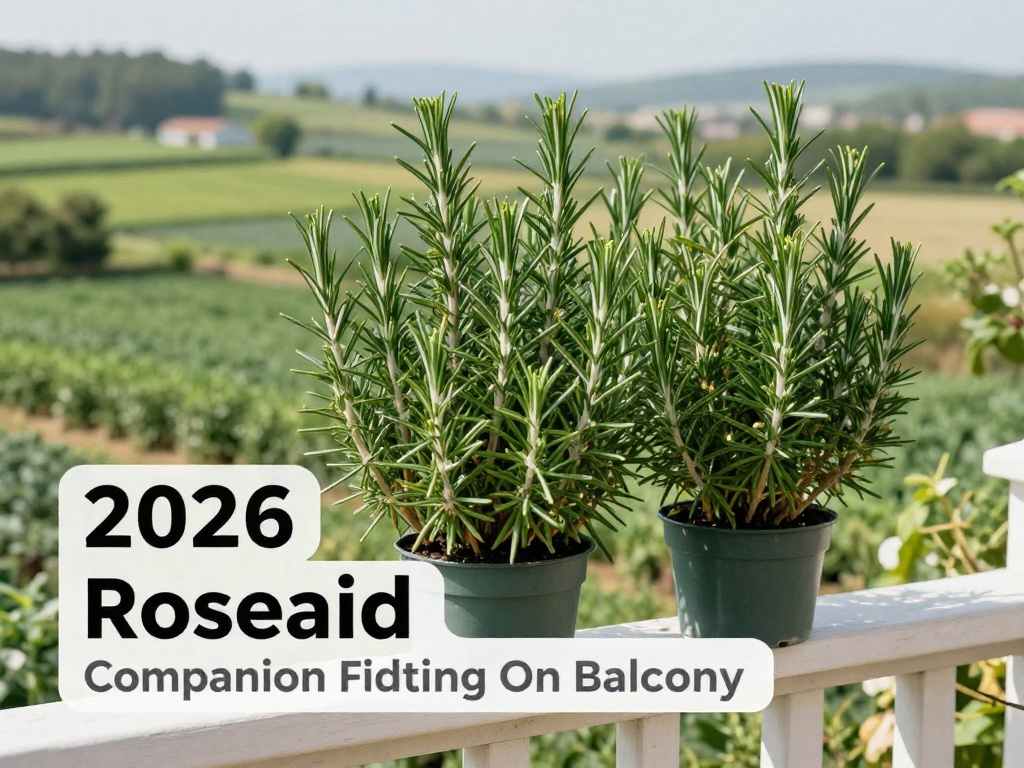
2026 Guide to Rosemary Companion Planting on Balcony
Rosemary companion planting on balcony gardens offers an excellent way to maximize your limited space while creating a thriving, pest-resistant growing environment. This aromatic Mediterranean herb does exceptionally well in containers and pairs beautifully with numerous plants that share its growing requirements. Whether you're working with a tiny apartment balcony or a spacious rooftop garden, understanding which plants complement rosemary can transform your outdoor space into a productive herb sanctuary.
Why Rosemary is Perfect for Balcony Gardens
Rosemary (Salvia rosmarinus) stands out as an ideal balcony companion plant due to its compact growth habit, drought tolerance, and natural pest-repelling properties. This perennial herb thrives in containers with excellent drainage and requires minimal maintenance, making it perfect for busy urban gardeners. The plant's strong fragrance naturally deters many common pests, including mosquitoes, cabbage moths, and bean beetles, providing protection for nearby plants.
Rosemary's Growing Requirements
Before selecting companion plants, it's essential to understand rosemary's basic needs. This Mediterranean native prefers full sun exposure—at least six to eight hours of direct sunlight daily. It thrives in well-draining, slightly alkaline soil with a pH between 6.0 and 7.0. Rosemary is remarkably drought-tolerant once established and prefers to dry out slightly between waterings, making it incompatible with water-loving plants that require consistently moist soil.
Container Considerations for Balcony Growing
When growing rosemary on a balcony, choose containers at least 12 inches deep with adequate drainage holes. Terra cotta and fabric grow bags work exceptionally well, as they prevent waterlogging and allow air circulation to the roots. Ensure your balcony receives adequate sunlight and protection from strong winds, which can stress container-grown rosemary during winter months.
Best Rosemary Companion Plants for Balcony Gardens
Herbs That Thrive with Rosemary
Pairing rosemary with compatible herbs creates a Mediterranean-inspired container garden that appeals to both gardeners and pollinators. The following herbs share rosemary's preference for well-draining soil and full sun exposure.
Thyme makes an excellent rosemary companion plant, as both herbs originate from similar Mediterranean climates and require identical growing conditions. These low-growing herbs complement each other visually while repelling common garden pests like whiteflies and spider mites when planted together.
Oregano partners beautifully with rosemary in container gardens, creating an aromatic culinary station within arm's reach of your kitchen. Both plants share excellent drainage requirements and tolerate similar temperature ranges, making winter care straightforward for balcony gardeners in mild climates.
Sage shares rosemary's love of full sun and well-draining soil, creating a harmonious trio when combined with thyme and oregano. However, avoid planting sage in the same container as rosemary, as both require excellent air circulation to prevent fungal issues. Instead, place them in adjacent pots on your balcony.
Vegetables for Rosemary Companion Planting
Rosemary serves as an exceptional protector for many vegetable crops, making it a valuable addition to any balcony vegetable garden. The herb's strong scent confuses pests searching for their target plants, effectively reducing pest damage without requiring chemical interventions.
Beans and peas benefit significantly from rosemary's proximity, as the herb repels bean beetles and pea weevils that commonly damage these crops. Plant rosemary in containers positioned near your bean or pea plants to create a natural pest barrier around your vegetable garden.
Cabbage family crops, including broccoli, cauliflower, and kale, suffer less from cabbage moth damage when rosemary grows nearby. The aromatic oils in rosemary mask the scent of these brassicas, making them harder for egg-laying moths to locate.
Carrots grow exceptionally well near rosemary, as the herb repels carrot flies that can devastate carrot crops. This classic companion planting combination works equally well in container gardens as it does in traditional garden beds.
Flowers to Plant with Rosemary
Incorporating flowers into your rosemary companion planting scheme adds visual appeal while attracting beneficial insects to your balcony garden.
Lavender shares rosemary's Mediterranean heritage and thrives under identical conditions, making them perfect container companions for sunny balconies. Both plants attract pollinators like bees and butterflies while repelling unwanted pests like moths and fleas.
Nasturtiums serve as trap crops, drawing aphids away from your valuable plants and toward their vibrant flowers. When planted near rosemary, nasturtiums create a sacrificial barrier that protects your culinary herbs from aphid infestations.
Marigolds provide excellent companion benefits for rosemary, as their roots produce compounds that suppress harmful nematodes in the soil. These cheerful flowers also deter rabbits and other garden visitors that might nibble on your herb collection.
Plants to Avoid Near Rosemary
Understanding which plants conflict with rosemary is equally important for successful balcony gardening. Some plants simply cannot thrive alongside this aromatic herb.
Cucumbers and other cucurbits require more frequent watering and consistently moist soil, creating conditions that promote root rot in rosemary. Keep these water-loving vegetables in separate containers positioned away from your rosemary pots.
Basil prefers more moisture and shade than rosemary can tolerate, making these two culinary herbs poor container companions. While both are Mediterranean plants, their water requirements differ significantly for optimal growth.
Mint spreads aggressively and requires more moisture than rosemary, potentially crowding out your herb in shared containers. Plant mint in its own isolated container to prevent it from taking over your balcony garden.
Step-by-Step Guide for Balcony Rosemary Companion Planting
Planning Your Container Layout
Successful rosemary companion planting on balcony spaces requires thoughtful arrangement of your containers. Position rosemary in the sunniest, most protected areas of your balcony, as it requires maximum light exposure and shelter from harsh winds. Group companion plants with similar water and sun requirements together to simplify your care routine.
Consider creating a raised platform or shelving unit to arrange containers by height, placing tall rosemary plants where they won't shade shorter companions. Ensure adequate spacing between containers for air circulation, which prevents fungal diseases and allows each plant to access sufficient nutrients.
Preparing Containers and Soil
Fill your containers with a well-draining potting mix specifically formulated for herbs or succulents. Avoid garden soil, which compacts in containers and retains excessive moisture. Add perlite or coarse sand to improve drainage if your potting mix seems heavy.
Place a layer of gravel or broken pottery shards at the bottom of each container before adding soil to ensure proper drainage and prevent roots from sitting in water. This simple step dramatically reduces the risk of root rot, particularly during rainy seasons or overwatering.
Planting and Maintenance Schedule
Spring offers the ideal time for establishing new rosemary companion plantings, as temperatures warm and plants enter their active growth phase. Space companion plants at least 12 inches apart to prevent competition for nutrients and allow adequate air circulation between foliage.
Water rosemary deeply but infrequently, allowing the soil to dry out between waterings. Check container moisture by inserting your finger two inches into the soil—water only when the top layer feels dry. Feed rosemary with a diluted, balanced fertilizer every four to six weeks during the growing season, reducing frequency during winter months when growth slows.
Common Mistakes to Avoid
Avoiding these common errors ensures your rosemary companion planting endeavor succeeds on your balcony garden.
Overwatering remains the leading cause of rosemary failure in container gardens. This drought-tolerant herb thrives on neglect and quickly develops root rot in consistently moist soil. When in doubt, underwater rather than overwater your rosemary plants.
Insufficient sunlight results in leggy, weak rosemary with reduced essential oil concentration and diminished companion benefits. If your balcony receives less than six hours of direct sunlight, consider supplemental grow lights or choosing a different location for your rosemary containers.
Poor drainage kills rosemary faster than almost any other factor. Always use containers with drainage holes and well-draining soil mix to prevent water from pooling around sensitive roots.
Maximizing Small Spaces with Rosemary Companion Planting
Balcony gardeners working with limited square footage can employ creative strategies to maximize their growing area while enjoying the benefits of rosemary companion planting. Vertical gardening techniques, such as wall-mounted planters and hanging baskets, allow you to grow trailing herbs and companion plants without sacrificing floor space.
Consider installing a vertical herb garden on your balcony wall, positioning rosemary at the top where it receives maximum sunlight while trailing companions cascade downward. This arrangement optimizes light exposure while creating an attractive living wall that serves both aesthetic and practical purposes.
Stackable containers and tiered plant stands enable you to grow multiple companion plants in a compact footprint, creating a layered garden that harvests abundant herbs, vegetables, and flowers from a small balcony space. Grouping plants with matching water and sun requirements on each tier simplifies maintenance while ensuring all your companions thrive together.
Harvesting and Using Your Companion Plants
Regular harvesting encourages bushier rosemary growth while providing fresh herbs for culinary use throughout the growing season. Harvest stems in the morning after dew has dried but before afternoon heat reduces essential oil concentration. Cut no more than one-third of the plant at a time to maintain healthy growth.
Use fresh rosemary immediately for maximum flavor, or dry sprigs by hanging them upside down in a warm, well-ventilated area. Dried rosemary maintains its flavor for up to a year when stored in airtight containers away from direct sunlight. Companion vegetables and herbs harvested alongside rosemary create a complete container garden harvest perfect for home cooking.
FAQ
What vegetables grow well with rosemary on a balcony?
Beans, carrots, cabbage family crops (broccoli, kale, cauliflower), and tomatoes grow exceptionally well with rosemary as companion plants. The herb repels pests that commonly affect these vegetables while thriving under identical growing conditions of full sun and well-draining soil.
Can I plant rosemary and basil together on my balcony?
No, rosemary and basil make poor companions due to their different water requirements. Rosemary prefers drier conditions, while basil needs more frequent watering and slightly more moisture. Planting them together often leads to either root rot in rosemary or wilted basil.
How often should I water rosemary in container gardens?
Water rosemary thoroughly when the top two inches of soil feel completely dry, typically every seven to ten days depending on temperature and humidity. During hot summer months, containers may require watering twice weekly. Always ensure excess water drains freely from drainage holes.
What herbs can I plant with rosemary in containers?
Thyme, oregano, sage, and lavender make excellent rosemary companions in containers, as all share Mediterranean origins and require similar growing conditions of full sun, well-draining soil, and moderate water. Keep sage in its own container due to air circulation needs.
How long does it take for rosemary companion planting to show results?
Pest-repelling benefits from rosemary companion planting typically appear within two to four weeks as the herb's aromatic oils establish. Growth benefits and improved companion plant health develop over the full growing season, with maximum results visible by late summer when plants reach mature size.
Is rosemary companion planting cost-effective for small balconies?
Rosemary companion planting is highly cost-effective for small balconies, requiring minimal investment in one rosemary plant that provides pest protection for multiple companion vegetables and herbs. Container gardening eliminates the need for expensive garden beds while producing significant culinary harvests from limited space.
No comments