
Garlic Companion Planting in Containers: 2026 Guide
Garlic Companion Planting in Containers: 2026 Guide
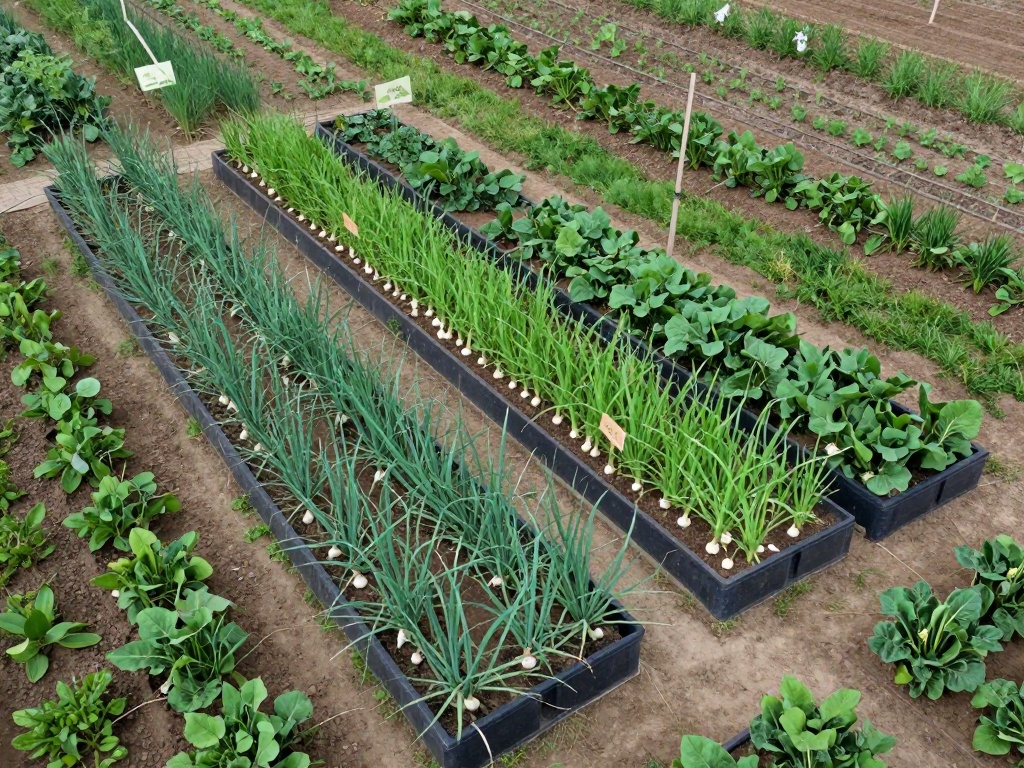
Garlic companion planting in containers offers an excellent solution for gardeners with limited space who want to grow flavorful, healthy garlic. This method combines the benefits of companion planting with the versatility of container gardening, allowing you to cultivate robust garlic bulbs alongside compatible plants on patios, balconies, or small backyards. Understanding which plants thrive together can significantly improve your harvest while naturally deterring pests and maximizing available growing space.
Why Choose Container Gardening for Garlic?
Container gardening has become increasingly popular among urban gardeners and those seeking more control over their growing conditions. Growing garlic in containers provides numerous advantages that make it an attractive option for both beginners and experienced gardeners looking to optimize their small-space harvests.
Benefits of Growing Garlic in Containers
Container-grown garlic allows you to move plants to optimize sunlight exposure throughout the growing season. You can easily control soil quality, drainage, and moisture levels—factors that significantly impact bulb development. Containers also help prevent weed competition and make harvesting simpler. Additionally, growing garlic in containers reduces the risk of soil-borne diseases that often affect garlic grown directly in garden beds.
Space Efficiency and Accessibility
One of the greatest advantages of container gardening is the ability to grow fresh garlic in small spaces. Whether you have a modest apartment balcony or a compact urban garden, containers enable you to produce homegrown garlic without requiring extensive planting areas. This accessibility makes fresh, aromatic garlic available to gardeners who might otherwise lack the space for traditional in-ground cultivation.
Understanding Garlic Companion Planting Principles
Companion planting involves strategically placing plants together to create mutually beneficial growing relationships. When applied to garlic in containers, this technique enhances growth, provides natural pest protection, and can improve overall garden productivity through thoughtful plant combinations.
The Science Behind Companion Planting
Plants release various compounds through their roots, leaves, and flowers that can either help or hinder neighboring plants. Garlic produces allicin and other sulfur compounds that naturally repel many common garden pests including aphids, spider mites, and Japanese beetles. These protective properties make garlic an excellent companion plant for many vegetables, herbs, and flowers that benefit from natural pest deterrence.
How Companion Plants Support Garlic Growth
Beyond pest control, companion plants can provide structural support, improve soil conditions, and optimize space usage within container environments. Tall plants may offer light shade during hot periods, while ground-covering plants help retain soil moisture and suppress weed growth. Understanding these relationships allows you to create harmonious growing environments where all plants thrive together.
Best Companion Plants for Garlic in Containers
Selecting the right companion plants for your container-grown garlic ensures successful harvests and healthier plants. The following combinations have proven particularly effective for maximizing yield and maintaining plant health in small-space growing environments.
Tomatoes: A Classic Companion Pairing
Tomatoes and garlic make excellent container companions due to their complementary growth habits and mutual benefits. Garlic helps repel spider mites and aphids that commonly affect tomato plants, while tomatoes provide partial shade during hot summer afternoons. Plant garlic around the base of tomato containers to create a protective barrier against pests while saving valuable growing space.
Peppers: Compatible Growing Partners
Peppers thrive alongside garlic in container arrangements, benefiting from garlic's natural pest-repelling properties. Both plants have similar water and sunlight requirements, making them easy to maintain together. The strong scent of garlic deters pepper maggots and other harmful insects, promoting healthier pepper development without the need for chemical interventions.
Herbs That Thrive With Garlic
Several culinary herbs grow exceptionally well with garlic in container gardens. Chamomile enhances garlic flavor when planted nearby, while summer savory improves growth rate and bulb size. Sage, rosemary, and thyme also make excellent companions, as these Mediterranean herbs share similar growing requirements and can help mask garlic's scent from certain pests.
Flowers for Natural Pest Protection
Marigolds rank among the best flowering companions for garlic in containers. Their pungent scent repels numerous insects including nematodes, whiteflies, and rabbits. Nasturtiums attract aphids away from garlic, acting as trap crops that protect your primary harvest. Planting these flowers around container edges adds visual appeal while providing natural pest management.
Plants to Avoid Near Container Garlic
Equally important as knowing suitable companions is understanding which plants harm garlic growth. Certain combinations can inhibit bulb development, compete for nutrients, or attract problematic pests that damage your garlic crop.
Incompatible Plant Species
Avoid planting beans and peas near container garlic, as these legumes fix nitrogen in the soil and can interfere with garlic's growth cycle. Asparagus, sage, and parsley may also stunt garlic development when grown in close proximity. Strawberries should be kept separate from garlic containers, as both plants compete heavily for nutrients and can negatively affect each other's fruit and bulb production.
Step-by-Step Container Setup for Companion Planting
Proper container preparation ensures your companion planting arrangement succeeds from planting through harvest. Following these systematic steps creates optimal growing conditions for garlic and its companion plants in small-space environments.
Selecting Appropriate Containers
Choose containers at least 8 inches deep to accommodate garlic's root system and allow proper bulb development. Ensure containers have adequate drainage holes to prevent waterlogging, which causes bulb rot. For companion planting, select larger containers (at least 18 inches diameter) or arrange multiple smaller containers strategically to accommodate both garlic and companion plants comfortably.
Soil Preparation and Drainage
Use well-draining potting mix specifically formulated for vegetables or container gardening. Add perlite or coarse sand to improve drainage if your potting mix retains too much moisture. Garlic prefers slightly acidic to neutral soil with pH between 6.0 and 7.0. Incorporate organic compost to provide slow-release nutrients throughout the growing season.
Planting Technique and Spacing
Plant garlic cloves point-side up, 2 inches deep, spaced approximately 4-6 inches apart within containers. Position companion plants around the garlic, ensuring adequate space for both species' root systems to develop without competition. Water thoroughly after planting and maintain consistent moisture levels throughout the growing period.
Seasonal Care Tips for Container Companion Planting
Proper seasonal maintenance ensures healthy growth and maximum yield from your companion-planted garlic containers. Understanding the specific needs at each growth stage helps you provide optimal care throughout the growing year.
Spring and Summer Maintenance
During active growth phases, water garlic deeply when the top inch of soil feels dry, typically once or twice weekly depending on climate conditions. Apply balanced liquid fertilizer monthly to support both garlic and companion plant development. Remove any yellowing lower leaves promptly to prevent disease spread and encourage energy направления toward bulb formation.
Fall Planting Considerations
For regions with cold winters, plant garlic in fall approximately 4-6 weeks before ground freeze. Container garlic may need insulation or relocation to a protected area during extreme cold spells. Mulch the soil surface with straw or shredded leaves to protect bulbs from temperature fluctuations and retain moisture.
Harvesting and Storing Your Container Garlic
Knowing when and how to harvest ensures you capture your garlic at peak flavor and storage quality. Proper post-harvest handling extends the usability of your homegrown garlic for months after harvest.
Signs of Harvest Readiness
Garlic is ready for harvest when lower leaves turn brown and upper leaves begin yellowing, typically 8-10 months after planting. The bulbs should feel firm with well-defined cloves visible beneath the papery skin. Avoid waiting too long, as overripe garlic bulbs may split and deteriorate more quickly during storage.
Curing and Storage Best Practices
After harvesting, cure garlic in a warm, dry, well-ventilated area for 2-3 weeks until outer skins become papery. Trim roots and cut stems, leaving approximately 1 inch above the bulb. Store cured garlic in mesh bags or braided bundles in cool (35-40°F), dry locations with good air circulation to maintain freshness for 6-8 months.
Common Mistakes to Avoid
Avoiding these frequent errors helps ensure your companion planting venture succeeds and produces abundant harvests of flavorful garlic.
Overwatering remains the most common mistake when growing garlic in containers, leading to root rot and fungal diseases. Always check soil moisture before watering and ensure containers drain freely. Insufficient light also inhibits growth—garlic requires at least 6-8 hours of direct sunlight daily for optimal bulb development.
Planting companion species too close to garlic creates unnecessary competition for water, nutrients, and root space. Maintain recommended spacing guidelines even in container environments. Neglecting fertilizer applications starves both garlic and companion plants, resulting in weak growth and small harvests.
Troubleshooting Common Issues
Even well-maintained container gardens occasionally encounter problems. Understanding common issues and their solutions helps you address challenges quickly and maintain healthy plant growth throughout the season.
Yellowing Leaves and Stunted Growth
Yellowing garlic leaves often indicate overwatering, nutrient deficiency, or insufficient sunlight. Examine soil moisture levels and adjust watering frequency accordingly. If drainage seems adequate, apply balanced fertilizer containing nitrogen, phosphorus, and potassium. Relocate containers to receive additional sunlight if plants appear leggy or pale.
Pest Identification and Organic Solutions
Despite garlic's natural pest-repelling properties, some insects may still affect companion plantings. Aphids, thrips, and onion maggots occasionally target garlic crops. Organic solutions include neem oil sprays, insecticidal soaps, and introducing beneficial insects like ladybugs that consume harmful pests naturally.
FAQ: Frequently Asked Questions
What are the best vegetables to plant with garlic in containers?
The best vegetables for garlic companion planting in containers include tomatoes, peppers, carrots, and beets. These plants share similar growing requirements and benefit from garlic's natural pest-repelling properties. Avoid planting beans, peas, or asparagus near garlic as they can inhibit growth.
How deep should containers be for growing garlic with companion plants?
Containers for growing garlic should be at least 8 inches deep to accommodate bulb development. For companion planting arrangements, choose containers 18-24 inches in diameter and at least 10 inches deep to provide adequate space for multiple plant species without competition.
Can I grow garlic and herbs together in the same container?
Yes, many herbs grow successfully with garlic in containers. Chamomile, summer savory, sage, rosemary, and thyme make excellent companions. These Mediterranean herbs share similar water and sunlight requirements with garlic, making them ideal for mixed container plantings.
When is the best time to plant garlic in containers for companion planting?
Fall planting (4-6 weeks before first expected frost) produces the best results for most regions. In areas with mild winters, spring planting is also possible. Fall-planted garlic develops stronger root systems and produces larger bulbs compared to spring-planted cloves.
How much does it cost to start companion planting garlic in containers?
Starting costs are relatively low, typically ranging from $20-50 for containers, potting mix, garlic seed, and companion plants. Reusable containers and quality soil mixture are the primary investments. Many gardeners save money over time by growing their own garlic instead of purchasing it regularly.
How long does it take to harvest garlic from container companion plantings?
Most garlic varieties require 8-10 months from planting to harvest. Softneck varieties typically mature faster than hardneck types. You'll see green growth within 2-4 weeks, but full bulb development requires the complete growing season for maximum size and storage quality.
What are the most common mistakes beginners make with garlic in containers?
Beginners most often overwater garlic, which causes root rot and fungal problems. Insufficient sunlight (less than 6 hours daily) results in small bulbs. Planting cloves too shallow or too deep, using garden soil instead of potting mix, and planting incompatible companion species also commonly reduce success rates.
No comments