
Cucumbers Companion Planting in Pots: 2026 Complete Guide
Cucumbers Companion Planting in Pots: 2026 Complete Guide
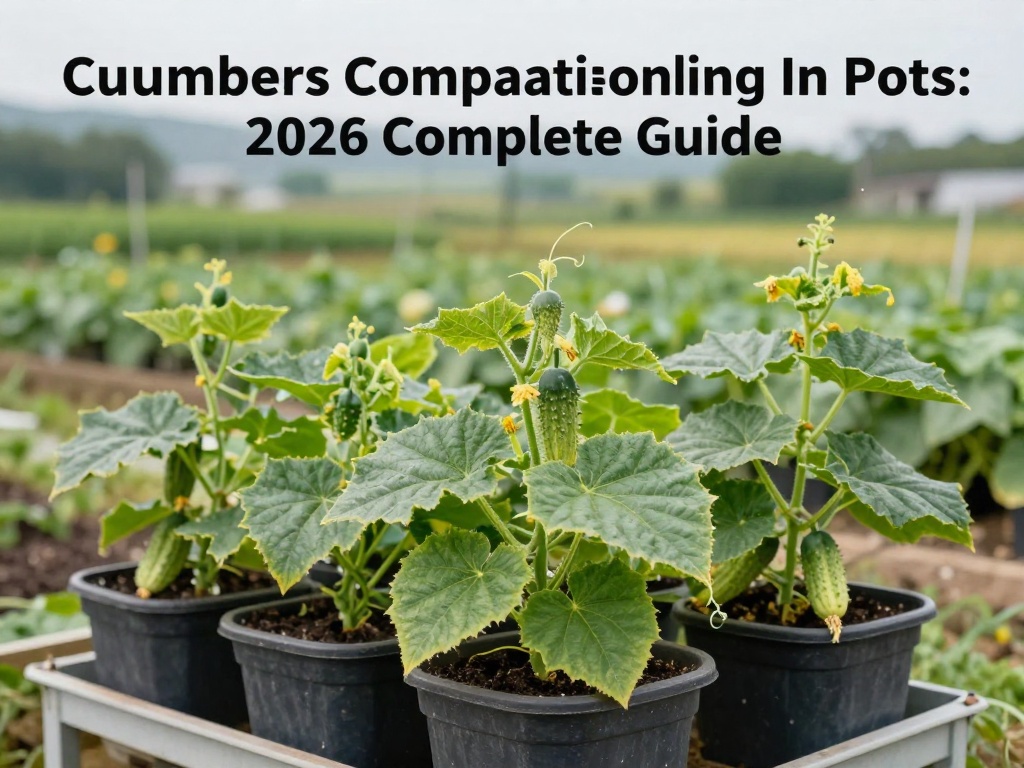
Growing cucumbers companion planting in pots offers an incredible solution for urban gardeners with limited space. This step by step guide reveals the best companion plants that thrive alongside cucumbers in containers, helping you achieve a bountiful harvest even in the smallest阳台 or patio. Companion planting not only maximizes your growing area but also naturally repels pests and improves pollination rates for healthier, more productive cucumber plants.
Why Companion Planting Matters for Potted Cucumbers
When you grow cucumbers in containers, you face unique challenges that companion planting can solve. Limited soil volume means nutrients deplete quickly, while restricted airflow increases disease risks. Strategic plant combinations address these issues naturally without chemical interventions.
The Space-Saving Advantage
Container gardening requires creative space utilization. Vertical-growing cucumber varieties pair perfectly with low-growing companions, creating a three-dimensional garden that produces more food per square foot than traditional row planting.
Natural Pest Control Benefits
Many companion plants emit scents or produce compounds that deter common cucumber pests like cucumber beetles, aphids, and spider mites. This organic approach reduces the need for pesticides while protecting your edible harvest.
Best Companion Plants for Cucumbers in Pots
Vegetables That Grow Well with Cucumbers
Lettuce and leafy greens make excellent companions because they have shallow root systems that won't compete with cucumber roots for nutrients. Plant lettuce around the base of your cucumber container for a continuous salad harvest throughout the season.
Radishes work as trap crops, attracting cucumber beetles away from your main plants. Their quick germination also helps mark slow-growing cucumber seedlings, and they loosen soil as they develop.
Beans and peas fix nitrogen in the soil, providing essential nutrients that cucumbers crave. Choose bush varieties rather than pole beans to avoid excessive shading of your cucumber vines.
Herbs for Maximum Yield in Containers
Dill attracts beneficial insects including ladybugs and parasitic wasps that prey on aphid populations. Its feathery foliage also provides light shade that prevents soil from overheating during hot summer months.
Basil repels thrips, whiteflies, and aphids while potentially improving cucumber flavor. Keep basil in a separate pot adjacent to your cucumber container to prevent root competition while enjoying these mutual benefits.
Chives and green onions deter aphids and repel Japanese beetles effectively. Their vertical growth habit means they won't overshadow your cucumber plants in container arrangements.
Flowers That Protect and Pollinate
Nasturtiums serve as trap crops for aphids, drawing these destructive pests away from cucumbers while adding vibrant color to your container garden display. They also repel whiteflies and attract pollinators.
Marigolds emit thiophene compounds that deter nematodes and repel whiteflies. Plant them around your cucumber pots to create a protective barrier against soil-borne pests.
Sunflowers attract pollinators with their large blooms and provide light shade for cucumber plants during afternoon heat. Their sturdy stems can also serve as natural supports for climbing cucumber varieties.
Plants to Avoid Near Cucumbers in Pots
Not all plants make good neighbors for container-grown cucumbers. Understanding what to avoid prevents costly mistakes that could damage your harvest.
Strong Competitors for Resources
Potatoes and cucumbers are poor companions because both are heavy feeders that compete aggressively for the same nutrients. Additionally, potatoes can spread blight diseases that affect cucumber plants.
Melons and squash require similar growing conditions but demand more space and nutrients than container environments typically provide. Their sprawling vines also compete for sunlight and airflow.
Strong-scented herbs like sage and mint should remain in separate containers. These aromatic plants can inhibit cucumber growth through allelopathic chemical interactions in confined container soil.
Step by Step Planting Guide for Beginners
Choosing the Right Container
Select a pot at least 18 inches deep and equally wide to accommodate cucumber root systems. Ensure adequate drainage holes—cucumbers require consistent moisture but develop root rot in waterlogged conditions. Dark-colored containers absorb heat, warming soil faster in cool climates.
Soil Preparation for Success
Use a premium quality potting mix rather than garden soil for your container garden. Mix in compost at a 1:3 ratio to boost nutrients and improve moisture retention. Cucumbers prefer slightly acidic to neutral soil with a pH between 6.0 and 7.0.
Planting Arrangement Strategy
Position your main cucumber plant in the center of the container if using a large pot, or along one edge of a window box-style planter. Arrange companion plants around the perimeter, ensuring taller varieties won't shade cucumbers excessively during peak growing season.
Spacing Requirements in Containers
Space cucumber plants 12-18 inches apart in large containers, or grow single plants in 5-gallon buckets for optimal production. Companion plants should maintain 4-6 inches distance from cucumber stems to prevent root competition while still providing pest-repellent benefits.
Care Tips for Thriving Cucumber Companions
Watering Schedule
Cucumbers require consistent moisture—typically 1-2 inches of water weekly. Container plants may need daily watering during hot weather. Apply water at soil level to prevent fungal diseases on foliage, and consider self-watering containers for more consistent moisture levels.
Fertilization for Maximum Yield
Feed cucumber plants every two weeks with a balanced liquid fertilizer diluted to half strength. Over-fertilizing causes excessive foliage growth at the expense of fruit production. Watch for yellowing leaves indicating nutrient deficiencies.
Support and Training
Install trellises or tomato cages when cucumber vines reach 6-8 inches tall. Training vines upward improves air circulation, reduces disease risk, and makes harvesting easier. Secure stems loosely with soft plant ties to prevent damage.
Common Mistakes to Avoid
Overcrowding companion plants reduces air circulation and increases disease pressure. Resist the temptation to pack multiple plant types too tightly—each companion needs adequate space to develop healthy roots and foliage.
Neglecting vertical support leads to sprawling vines that damage delicate cucumber fruits touching damp soil. Provide sturdy support structures early in the growing season to prevent broken stems later.
Using incompatible container materials like untreated wood or certain plastics can leach chemicals into soil over time. Choose food-safe materials designed specifically for edible container gardening.
Harvesting Your Companion Plant Garden
Begin harvesting cucumbers when fruits reach 6-8 inches long for slicing varieties, or smaller for pickling types. Check plants daily during peak production to harvest before fruits over-mature and inhibit further flowering.
Remove spent companion plants as seasons change, adding spent material to your compost pile. This refreshes container soil for fall planting or winter cover cropping in mild climates.
FAQ
What are the best vegetables to plant with cucumbers in containers?
The best vegetables for cucumbers companion planting in pots include lettuce, radishes, beans, peas, and spinach. These plants have shallow roots that don't compete with cucumber root systems for nutrients and space.
Can I grow herbs with cucumbers in the same pot?
While herbs like dill and basil make excellent companions, it's best to keep them in separate pots grouped near your cucumber container. This prevents root competition while still providing pest-repellent benefits and attracting beneficial pollinators.
How long does it take to grow cucumbers in containers?
Most cucumber varieties reach harvest maturity within 50-70 days after planting, depending on the specific variety and growing conditions. Container-grown cucumbers may take slightly longer than garden-planted ones due to restricted root development.
What size container is ideal for growing cucumbers?
A minimum container size of 5 gallons per cucumber plant works for bush varieties, while climbing types prefer at least 18-inch-deep containers with 12-inch diameter. Larger containers hold more soil moisture and provide better nutrient reserves.
How much effort does container cucumber gardening require?
Container cucumber gardening requires moderate effort including daily watering checks, bi-weekly fertilization, and regular harvesting. The initial setup takes 1-2 hours, with ongoing maintenance requiring about 10-15 minutes daily during peak growing season.
What is the cost comparison between companion planting and single-crop containers?
Companion planting in containers typically costs 20-30% more initially due to purchasing multiple plant types. However, the increased yield per container and reduced pest management costs make it more economical over the growing season.
No comments