
Parsley Transplanting Easy Method: 2026 Step-by-Step Guide
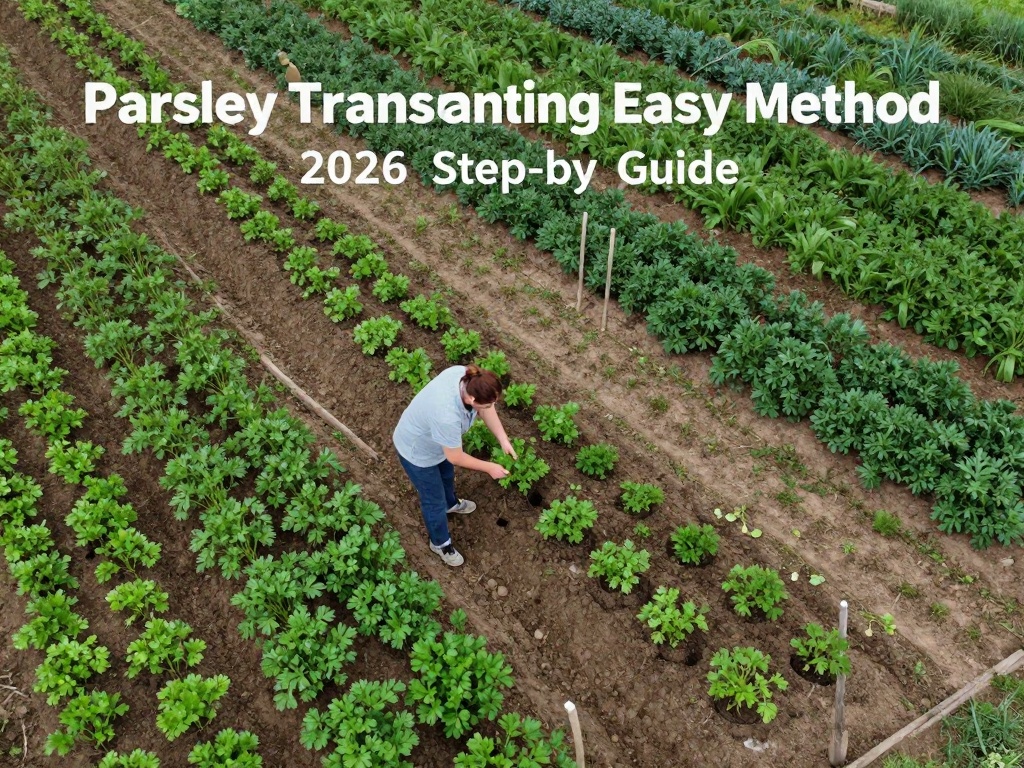
Parsley Transplanting Easy Method: 2026 Step-by-Step Guide
Parsley transplanting doesn't have to be complicated. Whether you're moving seedlings from indoor pots to your garden or repositioning established plants, this easy method will help you achieve thriving parsley in no time. In this comprehensive guide, you'll discover the proven technique that works for beginners and experienced gardeners alike.
Why Parsley Transplanting Matters for Your Garden
Understanding the right parsley transplanting easy method can make the difference between struggling plants and a bountiful harvest. Parsley is a biennial herb beloved for its vibrant flavor and nutritional value, and proper transplantation ensures strong root development and vigorous growth. When done correctly, transplanted parsley develops deeper roots, accesses more nutrients, and produces more abundant foliage than directly sown seeds.
Many gardeners underestimate the stress that transplantation can cause to young seedlings. However, with the proper technique, you can minimize transplant shock and set your parsley up for success throughout the growing season. This guide covers everything you need to know about transplanting parsley successfully.
When to Transplant Parsley Seedlings
Timing plays a crucial role in successful parsley transplantation. The ideal window occurs when seedlings have developed their second set of true leaves, typically 6-8 weeks after germination. At this stage, the young plants are strong enough to handle the move while still being flexible enough to adapt quickly.
Signs Your Parsley Is Ready for Transplanting
- Seedlings have 2-3 sets of true leaves beyond the initial cotyledons
- Roots are beginning to show through drainage holes
- Seedlings are 3-4 inches tall
- Soil dries out faster than usual, indicating root density
Best Season for Transplanting
In most regions, early spring provides optimal conditions for transplanting parsley outdoors. Wait until all danger of frost has passed and soil temperatures reach at least 50°F (10°C). For those growing parsley in containers, transplantation can occur whenever indoor seedlings outgrow their current space.
The Easy Parsley Transplanting Method: Step by Step
Step 1: Prepare the New Location
Before removing your parsley seedlings, prepare their new home thoroughly. Choose a location with partial to full sun exposure and well-draining soil rich in organic matter. Work compost into the soil to a depth of 6-8 inches, creating a loose, nutrient-dense environment that encourages rapid root establishment.
Step 2: Water the Seedlings
Water your parsley seedlings thoroughly 1-2 hours before transplanting. This hydration reduces stress and helps the root ball hold together during the move. Well-watered plants recover faster and experience less transplant shock than those moved while dry.
Step 3: Remove Seedlings Carefully
Gently loosen the soil around each seedling using a small trowel or transplanting tool. Work carefully to avoid damaging the delicate root system. For plants growing in containers, tap the bottom of the pot and slowly slide the seedling out, supporting the base of the plant.
Step 4: Plant at the Right Depth
Place each parsley seedling in its new location at the same depth it was growing previously. Planting too deep can cause stem rot, while planting too shallow exposes roots to air and drought. The crown of the plant should rest just at or slightly below the soil surface.
Step 5: Firm the Soil and Water Thoroughly
Fill the hole around the seedling with soil, gently firming it to eliminate air pockets. Air gaps near roots can cause dehydration and hinder establishment. Immediately water deeply to settle the soil around the roots and provide initial hydration.
Aftercare for Transplanted Parsley
Proper care following transplantation ensures your parsley establishes quickly and begins producing abundant foliage. The first two weeks are critical for root establishment and overall plant health.
Watering Schedule
Keep the soil consistently moist but not waterlogged during the first two weeks. Water daily if temperatures are warm, or every other day in cooler conditions. Once established, parsley benefits from deep watering 2-3 times per week rather than frequent shallow irrigation.
Sunlight Requirements
Newly transplanted parsley appreciates protection from intense afternoon sun for the first week. Provide afternoon shade using row covers or by positioning near taller plants. Gradually expose seedlings to full sun over 7-10 days to prevent sunscald and stress.
Mulching Benefits
Apply a 2-inch layer of organic mulch around transplanted parsley to retain moisture, regulate soil temperature, and suppress weeds. Straw, shredded leaves, or grass clippings work excellently as mulch materials. Keep mulch at least one inch away from plant stems to prevent rot.
Common Parsley Transplanting Mistakes to Avoid
Even experienced gardeners sometimes make errors during the transplanting process. Awareness of these common mistakes helps you avoid them and ensures better results.
- Transplanting too early: Moving seedlings before they develop sufficient root systems leads to poor establishment and stunted growth.
- Disturbing roots excessively: Rough handling damages fine root hairs that absorb water and nutrients.
- Skipping hardening off: Indoor seedlings need gradual outdoor exposure for 7-14 days before permanent transplanting.
- Planting in poor soil: Compacted or nutrient-deficient soil hampers root development and plant vigor.
- Ignoring spacing requirements: Crowded plants compete for resources and develop disease problems.
Transplanting Parsley in Containers
Container gardening offers flexibility for those with limited space or challenging outdoor conditions. When using this parsley transplanting easy method for containers, choose pots at least 6-8 inches deep with adequate drainage holes. A quality potting mix provides better drainage and aeration than garden soil in containers.
Container-grown parsley may need more frequent watering than garden plants, as pots dry out faster. Monitor soil moisture daily during warm weather and water when the top inch of soil feels dry. Fertilize every 2-3 weeks with a balanced, water-soluble fertilizer to support continuous growth.
Troubleshooting Transplant Problems
Despite your best efforts, occasional issues may arise after transplanting. Recognizing problems early allows for quick intervention and saves your plants.
Signs of Transplant Shock
Wilting, yellowing leaves, and slowed growth indicate your parsley is experiencing stress. Most transplant shock resolves within 1-2 weeks with consistent care. Maintain adequate moisture, provide shade during hot afternoons, and avoid fertilizing until plants recover.
Leggy or Weak Growth
Insufficient light causes parsley seedlings to grow tall and spindly before transplanting. After moving to the garden, pinch back the growing tips to encourage bushier, more compact growth. Ensure your new location receives at least 6 hours of direct sunlight daily.
FAQ
How long does parsley take to recover from transplanting?
Most parsley seedlings recover from transplant shock within 7-14 days. During this period, maintain consistent watering and provide afternoon shade if temperatures exceed 80°F. Signs of recovery include new leaf growth and improved color.
Can I transplant parsley in summer?
While spring and fall offer ideal conditions, summer transplanting is possible with extra care. Choose overcast days or late afternoon for transplanting, water more frequently, and provide temporary shade. Heat-stressed transplants struggle to establish and may bolt prematurely.
How far apart should I space parsley plants?
Space parsley plants 8-10 inches apart in rows 12-18 inches wide. Adequate spacing ensures good air circulation, reduces disease risk, and allows each plant room to develop fully without competition for nutrients and water.
Is it better to transplant parsley in morning or evening?
Evening transplanting is generally preferable because it gives seedlings the cool overnight hours to begin recovery without heat stress. Morning transplanting also works well if you water immediately and provide shade during the first few days.
What type of soil does parsley prefer?
Parsley thrives in rich, well-draining soil with a pH between 6.0 and 7.0. Amend heavy clay soils with compost and sand to improve drainage. For container growing, use a quality potting mix formulated for herbs or vegetables.
How often should I water newly transplanted parsley?
Water newly transplanted parsley every day for the first week, then every other day during the second week. After the first month, water deeply 2-3 times per week depending on rainfall and temperature. Consistent moisture produces the most tender, flavorful foliage.
No comments