
How to Harvest Basil in Small Spaces: 2026 Complete Guide
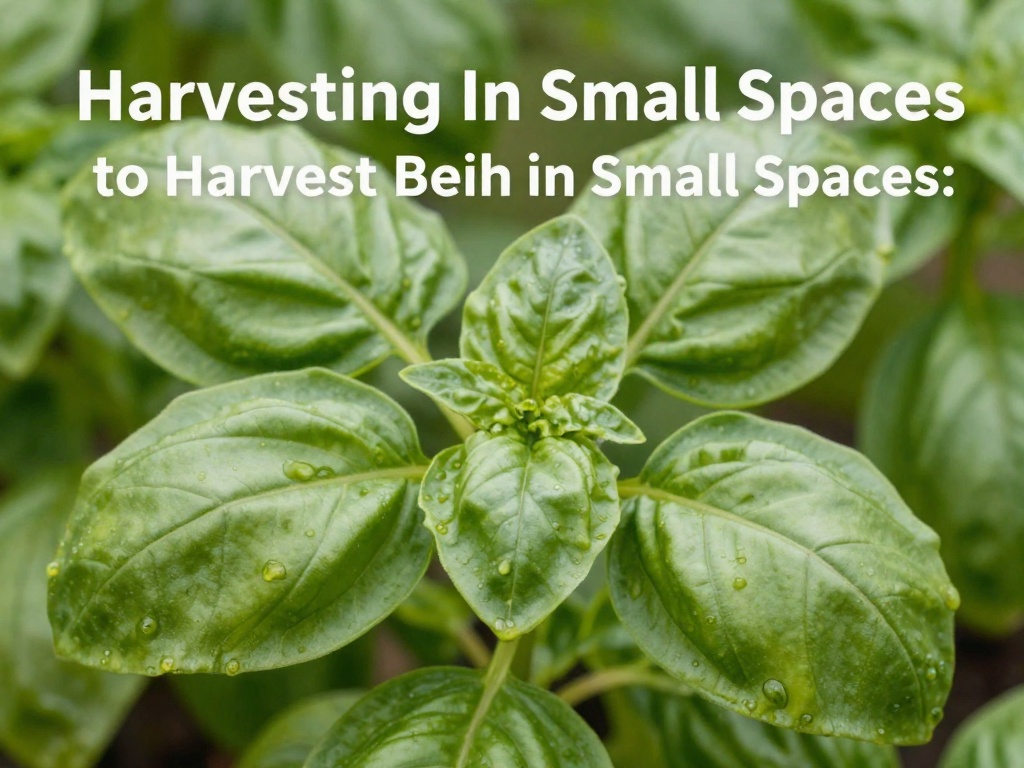
How to Harvest Basil in Small Spaces: 2026 Complete Guide
Basil harvesting in small spaces doesn't have to feel limiting. Whether you're growing herbs in a sunny kitchen window, a compact balcony container, or a tiny raised bed, you can enjoy abundant harvests with the right techniques. This complete guide walks you through everything you need to know about harvesting basil efficiently in limited spaces, from timing your cuts to maximizing regrowth potential.
Understanding Basil Growth Patterns for Small Space Gardens
Before diving into harvesting techniques, it helps to understand how basil grows. Basil is a bushy herb that responds beautifully to regular pruning. In small spaces, this characteristic works in your favor because strategic harvesting actually encourages your plant to become fuller and more productive.
When you harvest basil correctly, you remove the top growth, which triggers the plant to produce two new branches from each cut point. This phenomenon, known as axillary bud development, means that consistent harvesting leads to more foliage over time rather than less. Your small space can yield impressive quantities of fresh basil when you work with this natural growth pattern.
Why Small Space Basil Differs from Garden Growing
Container-grown basil and basil in small raised beds have different requirements than garden plants. Limited soil volume means your basil relies more heavily on regular watering and nutrients. Additionally, roots constrained by container walls cannot spread to seek resources, making proper harvesting technique even more critical for plant health.
Small space basil also tends to mature slightly faster due to concentrated nutrient access, which means you may begin harvesting sooner than you would with garden plants. Monitor your plants closely during the first month after planting to catch the optimal harvesting window.
When to Harvest Basil in Limited Spaces
Timing your basil harvest correctly impacts both flavor and plant productivity. For small space gardeners, getting the timing right maximizes your limited growing area's potential.
Identifying the Right Harvest Stage
Begin harvesting when your basil has at least three sets of true leaves on each stem. True leaves differ from the initial seed leaves and feature the characteristic basil shape. Once you see three or more leaf sets, your plant is mature enough to handle regular harvesting.
The best time of day for basil harvesting is morning, after dew has dried but before the sun becomes intense. At this time, essential oils concentrate in the leaves, giving you maximum flavor. Avoid harvesting in the evening, as the plant's recovery period overnight may reduce your yield quality.
Visual Indicators for Harvest Readiness
Look for stems with multiple leaf sets branching from a central point. Harvest when the plant shows vigorous new growth but before flowers appear. Flowering triggers bitter flavors, so catching this stage early proves essential in small spaces where every harvest counts.
If you notice flower buds forming, pinch them off immediately to redirect energy toward leaf production. This simple technique extends your productive harvest period significantly.
Step-by-Step Basil Harvesting Techniques for Small Spaces
Proper technique separates amateur gardeners from those who achieve remarkable yields in limited areas. Follow these steps for optimal results from your small space basil.
The Pinching Method for Bushier Growth
The pinching method works exceptionally well for small space basil because it encourages branching without removing excessive foliage. Simply locate the growing tip of each stem, where new small leaves emerge, and pinch it off with your fingers just above a leaf node.
The node is the point where leaves attach to the stem. By cutting just above this point, you leave the dormant buds that will develop into two new branches. Each pinch produces two new growth points, effectively doubling your potential harvest sites.
The Cutting Method for Larger Harvests
When you need more basil at once, use the cutting method. Locate a stem with at least three sets of mature leaves, then cut the stem approximately one-quarter inch above a node using clean scissors or pruners. Make sure at least two sets of leaves remain below your cut.
This technique works well for weekly harvests when your plant has matured sufficiently. Remove no more than one-third of the plant's total foliage at any single harvest to prevent shock and ensure continued productivity.
Harvesting Multiple Plants in Small Areas
If you're growing several basil plants in a limited space, establish a rotation schedule. Harvest from different plants on alternating days, allowing each plant recovery time between harvests. This approach prevents overharvesting while ensuring you always have fresh basil available.
Consider labeling your plants if you grow multiple varieties like sweet basil, Thai basil, or lemon basil. Each variety has slightly different harvest preferences and growth rates, so tracking individually helps optimize your overall yield.
Maximizing Your Small Space Basil Yield
Small space gardeners must be strategic about space utilization. These proven techniques help you extract maximum productivity from every square inch of your growing area.
Container Selection for Optimal Harvesting
Choose containers at least six inches deep for single basil plants, or twelve inches or larger for multiple plants. Wider containers allow more stems to develop, increasing your potential harvest points. Self-watering containers work particularly well in small spaces because they provide consistent moisture without daily attention.
Material matters in small space situations. Terracotta containers offer excellent drainage but dry out quickly, requiring more frequent watering. Plastic containers retain moisture longer but may overheat in direct sun. Fabric grow bags provide excellent drainage and air pruning for healthy root systems that support abundant foliage production.
Spacing Strategies for Container Gardens
Position basil containers where they'll receive at least six hours of direct sunlight daily. South-facing windows work best for indoor growing, while balcony or patio spaces should prioritize sun exposure. Even slightly reducing light exposure dramatically impacts your harvest quantity and flavor intensity.
Consider vertical space utilization in your small area. Hanging planters, wall-mounted containers, and tiered plant stands multiply your growing surface without increasing your floor footprint. Each additional growing level represents another potential basil harvest.
Successive Planting for Continuous Harvests
Rather than planting all your basil at once, stagger plantings by two to three weeks. This succession planting ensures you'll always have plants at various growth stages, providing continuous harvests instead of feast-or-famine cycles. For small spaces, start new seedlings in small pots while harvesting from mature plants.
This technique proves especially valuable for indoor growers with limited windowsill space. Keep seedlings in nursery pots until harvest windows open on your main plants, then transplant or discard as needed.
Common Mistakes When Harvesting Basil in Small Spaces
Avoiding these common errors helps small space gardeners achieve professional results.
Overharvesting Too Early
Patience proves challenging when you want fresh basil, but harvesting too early weakens young plants significantly. Wait until plants have established at least three sets of true leaves per stem before beginning regular harvests. This patience pays dividends through stronger, more productive plants that provide harvests for months.
Harvesting Only the Top Leaves
Some gardeners make the mistake of only taking the smallest leaves from the plant top. This approach prevents the branching that makes basil so productive. Always cut stems back to a node to encourage that critical two-branch development. Removing entire stems also prevents plants from becoming leggy and unproductive.
Ignoring Plant Health Signals
Small spaces often mean less airflow and higher humidity, creating conditions favorable for fungal issues. If you notice yellowing leaves, brown spots, or wilting despite adequate water, adjust your harvesting approach. Remove affected foliage immediately and reduce watering frequency. Healthy plants produce better harvests, so prioritize plant health over immediate yield.
Storing and Using Your Small Space Basil Harvest
Proper post-harvest handling ensures your efforts translate into delicious meals rather than wasted herbs.
Immediate Fresh Storage
Fresh basil lasts three to five days when stored properly. Remove any damaged leaves, wrap stems loosely in paper towels, and place in a plastic bag in your refrigerator's crisper drawer. Alternatively, store stems in a glass of water at room temperature, like cut flowers, for similar duration.
Preservation Techniques
Freezing works excellently for basil and preserves more flavor than drying. Puree washed basil leaves with a small amount of olive oil in a food processor, then freeze in ice cube trays. Transfer frozen cubes to freezer bags for convenient portions. These cubes integrate easily into soups, sauces, and pesto preparations throughout the year.
Making pesto in batches extends your harvest significantly. Combine harvested basil with olive oil, garlic, nuts, and cheese for a concentrated preservation that maximizes your small space yield. Freeze in small containers for year-round enjoyment.
Troubleshooting Small Space Basil Problems
Even careful gardeners encounter challenges with small space basil growing. Here's how to address common issues.
Leggy Growth from Insufficient Light
Stretched, weak stems indicate inadequate light. Move containers to brighter locations or supplement with grow lights. Leggy basil produces less harvestable foliage and wastes your limited space. Eight to twelve hours of quality light daily addresses most legginess issues.
Slow Regrowth After Harvesting
If your basil grows slowly after harvesting, check for root binding in containers, nutrient depletion, or inadequate water. Small containers may need transplanting to larger quarters. Consider adding diluted liquid fertilizer to support vigorous regrowth between harvests.
Wilting Despite Adequate Water
Wilting can indicate root problems rather than water shortage. Check for root rot by gently removing the plant from its container. Healthy roots appear white and firm, while damaged roots turn brown and mushy. Address drainage issues immediately if you discover root problems.
Seasonal Considerations for Small Space Basil Harvesting
Your harvesting approach should adapt to seasonal changes affecting your small space garden.
Summer Peak Production
Warm months bring the most vigorous basil growth. Increase harvest frequency during summer, but also increase watering and consider light feeding to support rapid regrowth. Outdoor container basil in summer heat may need watering twice daily.
Fall and Winter Indoor Growing
Indoor basil during cooler months grows more slowly. Reduce harvest intensity and allow more time between harvests. Position plants under grow lights to supplement reduced natural light. Expect smaller but still satisfying yields during winter months.
Extending the Growing Season
Small space gardeners can extend productive basil harvests by bringing containers indoors before frost, providing supplemental heat near sunny windows, and maintaining consistent temperatures above sixty degrees Fahrenheit. With proper care, container basil produces for six months or longer compared to three months in garden settings.
Frequently Asked Questions
What's the fastest way to harvest basil in small containers?
The fastest approach involves cutting entire stems just above a node rather than individual leaf picking. This method takes seconds while triggering branching for future harvests. Cut three to five stems at a time, leaving the plant with plenty of foliage to support regrowth.
How often can I harvest basil from a small pot?
Most small pot basil plants tolerate harvesting every five to seven days once mature. Wait at least two weeks between significant harvests to allow recovery time. During peak summer growing, some vigorous plants allow weekly harvesting of one-third of their foliage.
Will basil regrow after I cut all the leaves?
Basil will not regrow if you harvest all leaves because the plant needs foliage to photosynthesize and generate energy. Always leave at least two sets of mature leaves on each stem when harvesting. Complete defoliation stresses plants severely and often proves fatal to young basil.
Can I harvest basil from a windowsill plant every day?
Daily harvesting proves sustainable only if you take minimal amounts, such as two or three leaves for cooking. Daily aggressive harvesting exhausts plants quickly. Reserve significant harvests for every five to seven days, using light daily harvesting only for immediate kitchen needs.
What's the minimum container size for productive basil harvesting?
Four-inch containers can support single basil plants for initial harvests, but productivity declines as roots fill the space. Six to eight inch containers provide better long-term production. For multiple plants, allow at least six inches of diameter per plant, or use rectangular window box containers.
How long does container basil last before needing replacement?
Well-maintained container basil produces harvests for four to six months in optimal conditions. Some gardeners successfully grow basil year-round indoors by providing adequate light and avoiding the flowering stage. Replace plants when they become woody, produce sparse foliage, or show declining vigor despite proper care.
Basil harvesting in small spaces rewards thoughtful gardeners with impressive yields despite limited area. Apply these techniques consistently, adapt to your specific conditions, and enjoy fresh herbs from your compact garden throughout the growing season. Your small space contains far more potential than you might expect when you approach harvesting strategically.
No comments