
2026 Guide to Cucumbers Planting in Clay Soil for Beginners
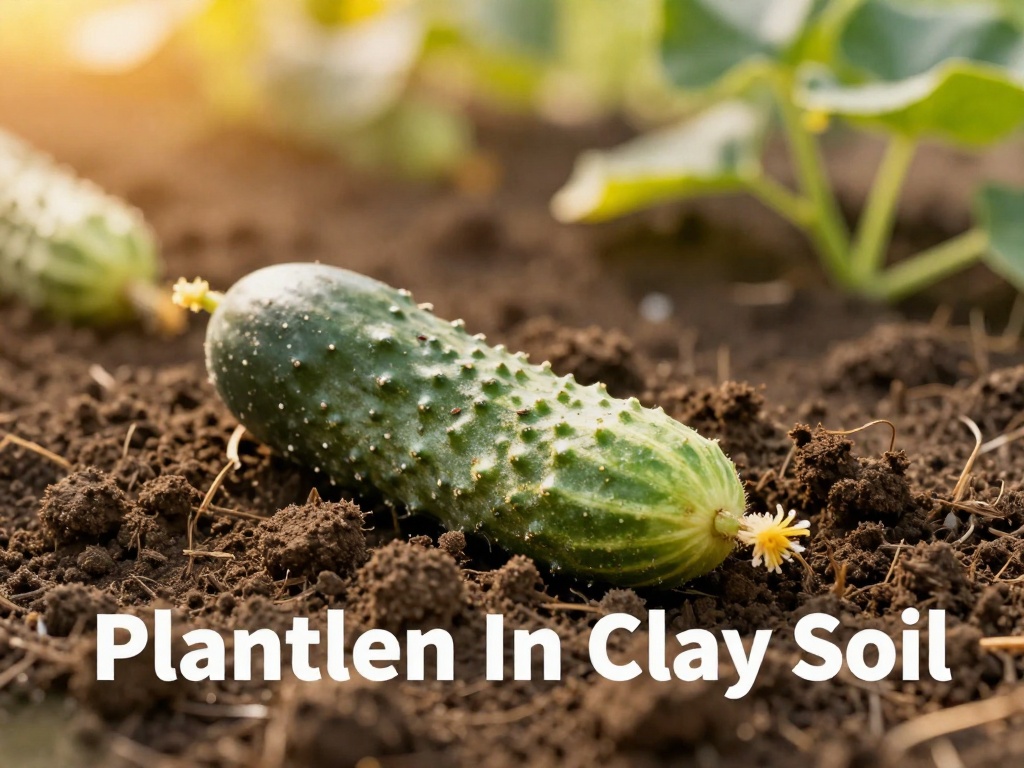
2026 Guide to Cucumbers Planting in Clay Soil for Beginners
Cucumbers planting in clay soil presents unique challenges that deter many gardeners, yet this warm-weather crop actually thrives when properly managed. Clay soil's dense structure retains moisture and nutrients—two factors cucumbers love—but requires thoughtful preparation to prevent waterlogging and root compaction. This step-by-step guide walks beginners through transforming challenging clay into an ideal cucumber-growing environment using proven, organic methods that yield impressive results season after season.
Understanding Clay Soil for Cucumber Growing
Before planting cucumbers in clay soil, recognize what makes this soil type distinct. Clay particles are microscopic and pack tightly together, creating poor drainage and limited air pockets around roots. Cucumber roots need oxygen just as much as water, and compacted clay can suffocate developing plants within days.
Signs Your Garden Has Clay Soil
Perform a simple ribbon test: squeeze moist soil between your fingers. If it forms a smooth, sticky ribbon that holds its shape, you have clay soil. Additional indicators include puddles lasting hours after rain, surface cracking during dry spells, and difficulty pushing a finger into the earth. Heavy clay feels smooth like modeling clay when wet and rock-hard when dry.
Why Cucumbers Struggle in Untreated Clay
Unmodified clay soil causes three primary problems for cucumber plants. First, waterlogging promotes root rot and fungal diseases like powdery mildew. Second, surface crusting prevents seedlings from emerging properly. Third, the lack of friable texture makes root expansion difficult, limiting the plant's ability to uptake nutrients efficiently.
Soil Amendment Techniques for Clay
Successful cucumbers planting in clay soil begins months before transplanting. Creating a loose, crumbly growing medium requires incorporating organic matter systematically while maintaining the soil's beneficial moisture-retention properties.
Adding Organic Matter: The Foundation
Work 3 to 4 inches of aged compost or well-rotted manure into the top 12 inches of soil. Avoid fresh manure, which burns tender cucumber roots with excess nitrogen. Organic matter acts as clay soil's most valuable amendment—it creates air pockets, improves drainage, and provides slow-release nutrition. Apply this treatment two to three weeks before planting, allowing time for incorporation and settling.
Incorporating Coarse Sand and Perlite
Mix 2 to 3 inches of coarse construction sand into heavy clay along with organic matter. Never use fine beach sand, which worsens compaction. Perlite or coarse vermiculite added at 10 to 20 percent volume improves aeration dramatically. These inorganic amendments remain effective for years without decomposing, providing permanent structural improvement to raised beds or in-ground plantings.
Cover Cropping for Long-Term Improvement
Plant winter rye or crimson clover as cover crops the season before growing cucumbers. These plants develop extensive root systems that naturally break up clay layers while adding organic biomass when cut and tilled under. This natural approach gradually transforms soil structure over multiple seasons, reducing yearly amendment requirements.
Optimizing pH and Nutrient Levels
Cucumbers prefer slightly acidic to neutral soil with pH between 6.0 and 7.0. Clay soil often tests higher due to its mineral composition, but proper amendment usually corrects this naturally as organic matter decomposes.
Testing and Adjusting Soil pH
Conduct a soil test through your local cooperative extension service or using a home testing kit. If pH exceeds 7.5, incorporate elemental sulfur according to package directions based on your baseline reading and garden size. Allow four to six weeks before retesting after sulfur application, as changes occur gradually in clay's buffered environment.
Essential Nutrients for Cucumber Success
Cucumbers are heavy feeders requiring balanced nutrition. Work a balanced organic fertilizer (such as 10-10-10) into prepared beds at planting time, following package rates. Side-dress plants with compost tea or fish emulsion every two weeks during growing season to maintain steady nutrition without burning roots in heavy soil.
Planting Methods for Clay Soil Gardens
Proper planting technique matters significantly in clay soil. The method you choose affects root development, drainage, and ultimately cucumber yield throughout the season.
Creating Raised Mounds and Hills
Plant cucumbers in raised mounds 4 to 6 inches above surrounding soil level. Form mounds 12 to 18 inches in diameter, filling them with a mixture of 50 percent original clay soil amended with 50 percent compost and perlite. This elevated position solves drainage problems while keeping roots within a modified, plant-friendly medium. Space hills 36 inches apart in rows 4 to 5 feet apart for vining varieties.
Using Raised Beds Effectively
Construct raised beds at least 8 to 12 inches deep filled entirely with amended soil mix. Raised beds offer superior drainage compared to in-ground planting and allow complete control over soil composition from day one. Fill beds with a blend of 40 percent topsoil, 40 percent compost, and 20 percent perlite or coarse sand for optimal cucumber growth in small spaces.
Direct Seeding vs. Transplanting
Direct seed cucumbers after all frost danger passes and soil temperature reaches 60°F. Plant seeds 1 inch deep, three to four per mound, thinning to two strongest seedlings after true leaves appear. Alternatively, start seeds indoors in peat pots three weeks before transplanting date to gain two to three weeks of growth. Transplants often outperform direct seeding in clay soil because seedlings bypass the crusting-prone germination stage.
Watering Techniques for Clay-Based Cucumber Gardens
Proper irrigation distinguishes thriving cucumber plants from struggling ones in clay soil. Overwatering proves especially damaging in heavy clay, where excess moisture persists for days.
Establishing Deep, Infrequent Watering
Water deeply once or twice weekly rather than light daily sprinkling. Apply 1 to 2 inches of water per week, including rainfall. Deep watering encourages roots to descend seeking moisture, developing stronger, more resilient plants. Shallow watering keeps roots near the surface where clay's density causes moisture problems.
Installing Drip Irrigation Systems
Drip systems deliver water directly to the root zone without wetting foliage, reducing fungal disease pressure significantly. Soaker hoses buried under mulch provide consistent soil moisture while preventing surface runoff common in clay soil. Position drip lines 2 to 3 inches from plant stems, and use timers for consistent, automated watering schedules.
Managing Common Clay Soil Challenges
Even well-amended clay soil requires ongoing management throughout the growing season to maintain cucumber health and productivity.
Preventing and Addressing Surface Crusting
Clay soil forms hard crusts after rain or overhead watering that trap emerging seedlings. Prevent crusting by applying 2 to 3 inches of organic mulch around plants once they reach 4 inches tall. Straw, shredded leaves, or grass clippings work excellently. If crusting occurs, gently rake the surface with a hoe tooth to break the crust without disturbing shallow roots.
Combating Waterlogging After Heavy Rain
Poor internal drainage causes standing water that devastates cucumber roots within 24 hours. Maintain surface drainage by grading beds to slope away from plant crowns. If water accumulates, carefully trench around affected plants to redirect flow. Consider installing French drains or gravel-filled channels for persistent drainage problems in permanent garden locations.
Controlling Weeds in Heavy Soil
Clay's moisture-retention benefits weeds as much as cucumbers. Mulch heavily and hand-weed regularly, pulling weeds when soil is moist for complete root removal. Avoid cultivation tools that create compaction, and never work wet clay soil, which damages soil structure for months afterward.
Harvesting and Season Extension Tips
Proper harvest timing and season extension maximize your cucumber investment while maintaining plant health in clay-based growing systems.
When and How to Harvest Cucumbers
Pick cucumbers when they're firm and uniformly colored, before seeds enlarge and flesh becomes bitter. Slicing varieties typically harvest at 6 to 8 inches; pickling types at 2 to 4 inches. Check plants daily during peak production, as overripe cucumbers signal the plant to stop producing. Cut stems with pruners rather than pulling, which damages vines.
Extending the Growing Season
Clay soil warms slowly in spring, delaying planting. Accelerate warming by covering prepared beds with black plastic mulch two weeks before planting. This technique raises soil temperature 8 to 10 degrees, allowing earlier transplanting by one to two weeks. In fall, protect plants from frost using row covers or floating mulch, extending harvest by several weeks.
Frequently Asked Questions
Can cucumbers actually grow well in clay soil?
Yes, cucumbers grow excellently in clay soil when properly amended. Clay's natural moisture retention reduces watering frequency, and its nutrient-holding capacity provides sustained nutrition. The key is incorporating generous organic matter to improve drainage and aeration before planting.
What is the best amendment for clay soil when growing cucumbers?
Aged compost provides the single most valuable amendment for clay soil. It improves drainage, adds nutrients, feeds beneficial soil organisms, and creates the loose structure cucumber roots require. Combine compost with perlite or coarse sand for lasting structural improvement.
How often should I water cucumbers in clay soil?
Water cucumbers in clay soil once or twice weekly with deep soakings. Clay retains moisture longer than sandy soil, so frequency should decrease compared to lighter soils. Check soil moisture at 2-inch depth before watering—only water when dry.
What common mistakes should beginners avoid?
Avoid planting before soil warms sufficiently (60°F minimum), skipping soil testing, using fresh manure, working wet clay soil, excessive watering, planting too deeply, and neglecting mulch. Each of these mistakes causes preventable problems that reduce cucumber yields significantly.
When is the best time to plant cucumbers in clay soil?
Plant cucumbers in clay soil two to three weeks after the last frost date when soil reaches 60°F at 4-inch depth. In clay soil, wait an extra week beyond typical garden recommendations since clay warms more slowly than sandy or loamy soils.
How long does it take to amend clay soil successfully?
Noticeable improvement occurs within one season when incorporating 3 to 4 inches of compost. Significant transformation takes two to three years of consistent organic matter addition. Clay soil improvement is permanent once achieved, unlike sandy soil amendments that require annual replenishment.
Should I use raised beds or plant directly in clay soil?
Raised beds offer faster results and complete soil control for cucumbers planting in clay soil, making them ideal for small spaces and beginners. However, large garden areas can be amended in-ground successfully with systematic organic matter addition over multiple seasons.
What is the expected yield when growing cucumbers in clay soil?
Well-managed cucumber plants in properly amended clay soil produce 10 to 15 pounds per plant, comparable to any soil type. Average yields range from 8 to 10 pounds for vigorous varieties like Marketmore to 12 to 15 pounds for prolific producers like Boston Pickling.
No comments