
Lettuce Raised Bed for Beginners: 2026 Step-by-Step Guide
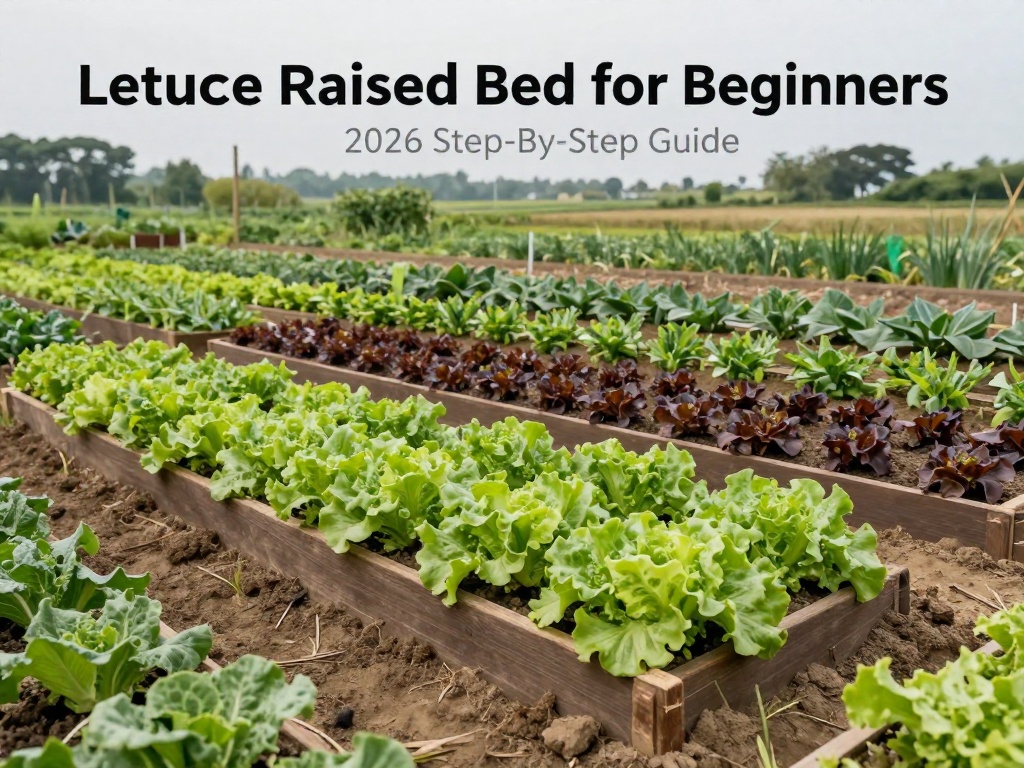
Lettuce Raised Bed for Beginners: 2026 Step-by-Step Guide
Growing lettuce in raised beds is one of the most rewarding experiences for new gardeners. This lettuce raised bed for beginners guide will walk you through every step, from choosing the right location to harvesting your first crisp heads. Raised bed gardening offers superior drainage, better soil control, and easier access—making it perfect for growing tender lettuce varieties.
Why Choose Raised Beds for Growing Lettuce
Lettuce thrives in loose, well-drained soil with consistent moisture. Raised beds provide exactly these conditions, elevating your plants above poor native soil and creating an ideal growing environment. For beginners, raised beds also reduce weed competition and make it simpler to protect crops from pests.
Benefits of Raised Bed Gardening for Lettuce
- Better soil drainage preventing root rot
- Earlier soil warming in spring for extended growing season
- Easier access for planting, watering, and harvesting
- Reduced soil compaction from walking
- Complete control over soil composition and nutrients
Choosing the Right Raised Bed for Lettuce
For lettuce raised bed gardening, depth matters more than width. Lettuce roots typically grow 6-12 inches deep, so a raised bed with at least 8-10 inches of depth works excellently. Width should allow you to reach the center without stepping on soil—4 feet is ideal for most gardeners.
Recommended Raised Bed Dimensions
- Width: 3-4 feet (allows easy reach from both sides)
- Length: 4-8 feet (flexible based on available space)
- Depth: 8-12 inches minimum for lettuce root development
- Material: Untreated cedar, redwood, or composite materials
Preparing Soil for Your Lettuce Raised Bed
The foundation of successful lettuce growing begins with quality soil. Mix equal parts garden soil, aged compost, and coconut coir or peat moss for optimal drainage and nutrition. This combination retains moisture while preventing compaction—exactly what lettuce plants need.
Best Soil Mix Recipe for Lettuce
- 40% quality garden soil or topsoil
- 40% aged, finished compost
- 20% coconut coir or perlite for drainage
- Add organic fertilizer according to package directions
Planting Lettuce in Raised Beds: Step by Step
Timing your lettuce planting correctly ensures strong germination and healthy growth. For most regions, plant lettuce 4-6 weeks before the last expected frost in spring, or 8 weeks before the first fall frost for autumn crops.
Sowing Lettuce Seeds
Scatter seeds lightly across the soil surface, aiming for about 3-4 seeds per inch. Cover them with a thin layer of fine soil—no more than 1/8 inch deep—since lettuce seeds need light for optimal germination. Keep the soil consistently moist until seedlings emerge in 7-10 days.
Transplanting Lettuce Seedlings
If starting indoors or purchasing transplants, space lettuce plants 8-10 inches apart in raised beds. This spacing allows adequate air circulation while maximizing your growing area. Plant seedlings at the same depth they were growing in their containers.
Caring for Your Lettuce Raised Bed
Proper maintenance keeps lettuce growing vigorously throughout the season. Water deeply but infrequently, providing about 1-1.5 inches of water weekly. Morning watering is best, allowing leaves to dry before evening and reducing disease risk.
Watering Tips for Beginners
- Water at soil level to avoid wetting foliage
- Check soil moisture with your finger before watering
- Use mulch to retain moisture and reduce watering frequency
- Increase watering during hot weather to prevent bolting
Fertilizing Your Lettuce
Lettuce is a light feeder that benefits from balanced organic fertilizers. Apply a nitrogen-rich fertilizer every 3-4 weeks, following package instructions carefully. Over-fertilizing causes rapid but weak growth and can affect flavor.
Protecting Lettuce from Common Problems
Even in raised beds, lettuce faces challenges from pests and weather. Installing floating row covers protects young plants from insects while allowing light and water through. In hot climates, provide afternoon shade to prevent bolting.
Common Lettuce Pests and Solutions
- Aphids: Spray with water or use insecticidal soap
- Slugs: Set beer traps or use copper tape around bed edges
- Caterpillars: Hand-pick or use Bacillus thuringiensis (Bt)
- Rabbits: Install wire mesh fencing around beds
Harvesting Your Lettuce
Lettuce reaches harvest size in 45-65 days depending on variety. For cut-and-come-again harvesting, snip outer leaves 1-2 inches above the soil line, allowing the center to continue producing. Alternatively, harvest entire heads by cutting at the base when firm and full-sized.
Best Time to Harvest Lettuce
- Harvest in early morning for crispest leaves
- Pick before afternoon heat wilts leaves
- Use immediately or store in refrigerator for up to a week
- Harvest outer leaves regularly to encourage continued production
Best Lettuce Varieties for Raised Bed Gardening
Some lettuce varieties perform exceptionally well in raised beds. Loose-leaf varieties like 'Salad Bowl' and 'Red Sails' offer continuous harvests. Butterhead types such as 'Buttercrunch' produce tender heads, while crisphead varieties need cooler temperatures.
Recommended Varieties for Beginners
- Green Salad Bowl: Heat-tolerant loose-leaf variety
- Red Romaine: Colorful, slow-bolting option
- Buttercrunch: Reliable butterhead for beginners
- Little Gem: Compact romaine, perfect for small spaces
Extending Your Lettuce Growing Season
Raised beds naturally extend the growing season by warming soil earlier in spring and draining quickly after rain. Add cold frames or hoop houses in fall to continue harvesting through light frosts. Many lettuce varieties tolerate temperatures down to 20-25°F when established.
Final Tips for Lettuce Raised Bed Success
Starting a lettuce raised bed for beginners doesn't require extensive experience or expensive equipment. Focus on quality soil preparation, consistent watering, and choosing disease-resistant varieties. With this step-by-step approach, you'll enjoy fresh, homegrown lettuce from early spring through late fall.
Remember that gardening is a learning process. Observe your plants regularly, adjust your care routine based on their response, and don't be afraid to experiment with different varieties. Your raised bed lettuce garden will reward your attention with delicious harvests for years to come.
Frequently Asked Questions
How deep should a raised bed be for growing lettuce?
A raised bed needs only 8-10 inches of depth for lettuce, as the roots grow 6-12 inches deep. However, deeper beds (12 inches) provide extra room for root development and better moisture retention during hot weather.
What month should beginners plant lettuce in raised beds?
Plant lettuce 4-6 weeks before your last spring frost date for spring crops, or 8 weeks before the first fall frost for autumn harvests. In most climates, this means planting between March and May for spring, and July and September for fall.
How often should lettuce be watered in raised beds?
Lettuce in raised beds typically needs watering every 2-3 days, providing 1-1.5 inches of water weekly. Check soil moisture with your finger—if the top inch feels dry, water deeply. Raised beds drain faster than in-ground gardens, so monitor moisture closely during hot weather.
Why is my lettuce raised bed not growing well?
Common issues include insufficient nitrogen (pale leaves), inconsistent watering (bitter flavor), too much heat (bolting), or shallow soil depth. Check your soil mix, ensure proper drainage, and verify your plants receive 4-6 hours of daily sunlight for best results.
How much does it cost to start a lettuce raised bed?
A basic 4x4 raised bed setup costs $50-100 including lumber, soil, and compost. DIY options using reclaimed materials can cost under $30. Ongoing costs are minimal—seeds cost $2-4 per packet, and organic fertilizer runs $10-20 per season.
How long does it take to grow lettuce from seed in raised beds?
Lettuce typically matures in 45-65 days from seed, depending on variety. Leaf lettuces harvest sooner (45-55 days), while head lettuces need 60-65 days. Transplants reduce this time by 3-4 weeks if you start seeds indoors.
No comments