
2026 Guide to Parsley Seed Starting Organic Method for Beginners
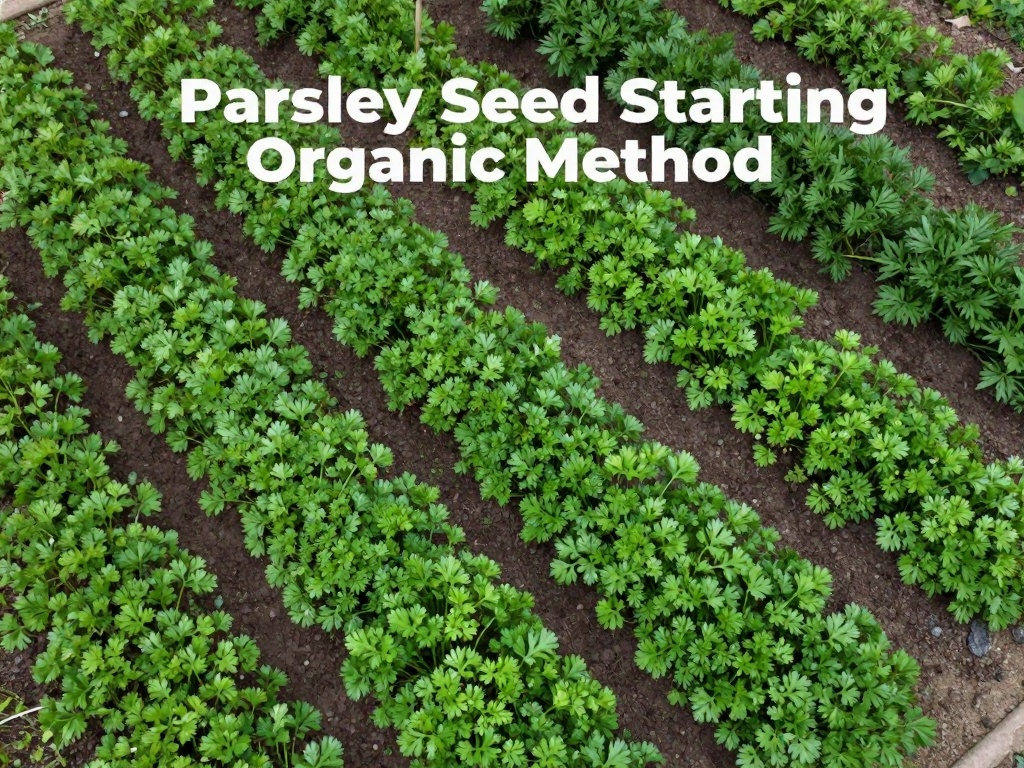
2026 Guide to Parsley Seed Starting Organic Method for Beginners
Starting parsley from seeds using an organic method is one of the most rewarding techniques any gardener can master. Parsley seeds are notoriously slow to germinate, but with the right organic approach, you can significantly improve your success rate and grow healthy, chemical-free seedlings right in your own home. This comprehensive guide walks you through every step of the parsley seed starting process using natural, organic techniques that work for beginners and experienced gardeners alike.
Why Choose Organic Parsley Seed Starting?
Organic parsley seed starting begins with understanding what makes parsley seeds unique. Unlike many vegetable seeds, parsley (Petroselinum crispum) has a naturally low germination rate and contains essential oils that actually inhibit sprouting. These oils protect the seed in the wild but create challenges for gardeners. By using organic methods, you work with nature rather than against it, creating conditions that naturally overcome these germination barriers.
Choosing organic means avoiding synthetic fertilizers, pesticides, and chemical treatments that can harm beneficial soil microorganisms and reduce the nutritional value of your eventual harvest. Organic seed starting also builds stronger, more resilient plants that can better resist pests and diseases throughout the growing season.
Benefits of Going Organic with Parsley Seeds
- Chemical-free seedlings safe for consumption
- Improved soil health and microbial activity
- Environmentally sustainable gardening practice
- Better long-term plant health and vigor
- Cost-effective using household items
Understanding Parsley Seed Characteristics
Before diving into the starting process, knowing your parsley seeds matters enormously. Parsley seeds typically take 14-28 days to germinate under ideal conditions, which is significantly longer than most garden vegetables. The seeds themselves are small, flat, and have a distinctive aroma from their essential oil content.
There are two main types of parsley grown in home gardens: curly leaf parsley (Petroselinum crispum) and Italian flat-leaf parsley (Petroselinum neapolitanum). While both varieties benefit from the same organic starting methods, flat-leaf varieties generally have stronger germination rates and are preferred by many chefs for their flavor.
Optimal Timing for Parsley Seed Starting
Parsley seeds should be started indoors 8-10 weeks before your last expected frost date. This long germination period means early starting is essential for getting a productive harvest during the growing season. In most USDA hardiness zones, this means beginning your parsley seed starting process in late winter or early spring.
Step-by-Step Organic Parsley Seed Starting Method
Step 1: Seed Preparation and Soaking
The first critical step in organic parsley seed starting involves breaking down those natural germination inhibitors. Place your parsley seeds in a small bowl and cover them with room temperature water. Allow them to soak for 24 hours before planting. This simple organic technique softens the seed coat and leaches out the essential oils that slow germination. Some gardeners add a splash of organic seaweed solution to the soaking water for additional nutrients.
Step 2: Creating Organic Seed Starting Mix
Your parsley seed starting medium sets the foundation for healthy growth. Mix equal parts of fine coconut coir, organic compost, and perlite to create a well-draining, nutrient-rich starting medium. Coconut coir provides excellent moisture retention while perlite ensures proper drainage, preventing the damping-off disease that commonly affects parsley seedlings. Avoid using garden soil, which may contain diseases and doesn't drain properly in containers.
Step 3: Sowing Seeds Correctly
Fill your seed trays or small containers with the organic mix, leaving about half an inch from the top. Lightly moisten the medium before planting. Place 2-3 parsley seeds per cell or container, as not all will germinate. Cover seeds with only one-quarter inch of the organic mix—parsley seeds need light to germinate effectively, and planting too deeply is a common mistake that leads to poor germination rates.
Step 4: Creating the Ideal Germination Environment
After sowing, cover your seed trays with a clear plastic dome or plastic wrap to create a mini greenhouse effect. Place the trays in a location maintaining 70-75°F (21-24°C) consistently. Check daily and mist with water when the surface appears dry. The organic parsley seed starting method relies on consistent moisture without waterlogging—overwatering causes fungal problems while underwatering stops germination entirely.
Step 5: Managing Germination Timeline
Expect to see parsley sprouts appearing between 14 and 28 days after planting. This slow germination is normal for parsley and shouldn't cause concern if you've maintained proper conditions. During this waiting period, resist the urge to over-water or move the trays frequently. Once sprouts emerge, remove the plastic covering immediately and move the trays to your brightest available location or under grow lights.
Caring for Organic Parsley Seedlings
Once your parsley seedlings emerge, providing proper care becomes essential for developing strong, healthy plants. Transition from the high-humidity germination environment to normal room conditions gradually over several days to prevent transplant shock. Place seedlings where they receive at least 6 hours of direct sunlight daily, or maintain grow lights 2-3 inches above the foliage for 12-14 hours daily.
Watering Practices for Parsley Seedlings
Water your organic parsley seedlings when the top inch of soil feels dry to the touch. Use a gentle watering approach, either bottom-watering by setting trays in water or using a fine-mist spray bottle to avoid disturbing the delicate seedlings. Consistent moisture without saturation encourages healthy root development and prevents common seedling problems like root rot.
Organic Feeding Schedule
Begin feeding your parsley seedlings with diluted organic fertilizer when the second set of true leaves appears. Use a balanced organic liquid fertilizer diluted to half strength, applying every two weeks. Good organic options include fish emulsion, seaweed extract, or compost tea. These natural fertilizers provide essential nutrients without burning delicate seedling roots.
Thinning and Spacing Seedlings
If multiple seeds germinated in the same container, thin to one strong seedling per cell when they reach about 2 inches tall. Snip the weaker seedlings at soil level rather than pulling them to avoid disturbing the roots of the remaining plant. This thinning process ensures each parsley plant has adequate space and nutrients for healthy development.
Transplanting Organic Parsley Seedlings
When seedlings develop 3-4 sets of true leaves and all danger of frost has passed, hardening off begins. Start by placing seedlings outside in a sheltered location for 1-2 hours daily, gradually increasing exposure over 7-10 days. This organic transition method acclimates plants to outdoor conditions including sun, wind, and temperature variations.
Transplant into garden beds, raised beds, or containers filled with rich, well-drained organic soil. Space parsley plants 8-12 inches apart in rows 12-18 inches apart. Plant at the same depth they were growing in their containers—never bury the stem. Water thoroughly after transplanting and maintain consistent moisture until plants establish in their new location.
Common Problems in Organic Parsley Seed Starting
Even with careful organic practices, challenges can arise during parsley seed starting. Damping-off, caused by fungal pathogens in overly wet conditions, causes seedlings to wilt and collapse at the soil line. Prevent this by using sterile containers, avoiding overwatering, and ensuring good air circulation around your seedlings.
Leggy, stretched seedlings indicate insufficient light. If your parsley starts reaching toward windows or appearing weak and elongated, increase light exposure immediately. Moving to brighter locations or adjusting grow light positioning typically resolves this common issue.
Slow or failed germination often results from improper temperature or old seed stock. Ensure consistent warmth (70-75°F) and consider testing older seeds before committing to full planting. Fresh parsley seeds, stored properly in cool, dry conditions, maintain viability for 2-3 years.
Harvesting and Ongoing Care
Your organic parsley plants reach harvestable maturity 70-90 days after transplanting. Begin harvesting outer stems when plants have at least 3-4 developed stems, cutting from the base rather than just picking leaves. This harvesting method encourages continuous production throughout the season. Regular harvesting keeps plants productive and prevents them from bolting (flowering) too early, which ends the leaf production cycle.
Mulch around plants with organic materials like straw or shredded leaves to retain moisture, suppress weeds, and add nutrients as materials decompose. A top dressing of organic compost mid-season provides additional nutrition for continued healthy growth.
FAQ: Parsley Seed Starting Organic Method
How long does it take for parsley seeds to germinate using organic methods?
Parsley seeds typically take 14-28 days to germinate under optimal conditions. Soaking seeds in water for 24 hours before planting can help speed up the process by leaching germination-inhibiting oils from the seed coat.
Do parsley seeds need light to germinate?
Yes, parsley seeds require light for successful germination. Plant them no deeper than one-quarter inch, and ensure they receive adequate light once sprouts emerge. A light covering of soil or vermiculite is sufficient.
What's the best organic soil mix for starting parsley seeds?
The best organic mix combines equal parts coconut coir, organic compost, and perlite. This combination provides excellent drainage while retaining enough moisture for seed germination, creating ideal conditions for parsley.
Why are my parsley seeds not sprouting at all?
Common causes include planting too deep, temperatures below 60°F, old or non-viable seeds, or insufficient moisture. Ensure seeds are soaked before planting, kept warm (70-75°F), and surface soil remains moist but not waterlogged.
Can I start parsley seeds directly in the garden?
Yes, but outdoor germination rates are often lower and less predictable. Direct sowing works best in warm climates with extended growing seasons. For most gardeners, starting indoors 8-10 weeks before the last frost provides better results and an earlier harvest.
What organic fertilizer is best for parsley seedlings?
Diluted fish emulsion, seaweed extract, or compost tea provide excellent nutrition for parsley seedlings. Apply organic liquid fertilizer at half strength every two weeks once the second set of true leaves appears.
When should I transplant parsley seedlings outdoors?
Transplant after all danger of frost has passed and seedlings have developed 3-4 sets of true leaves. Harden off seedlings gradually over 7-10 days by exposing them to outdoor conditions incrementally.
How can I improve parsley germination success rate?
Soak seeds for 24 hours before planting, maintain consistent warmth (70-75°F), provide adequate light, and use a sterile, well-draining organic starting medium. Pre-sprouting seeds on moist paper towels can also help identify viable seeds before planting.
No comments