
2026 Herb Pruning for Beginners: Step-by-Step Guide
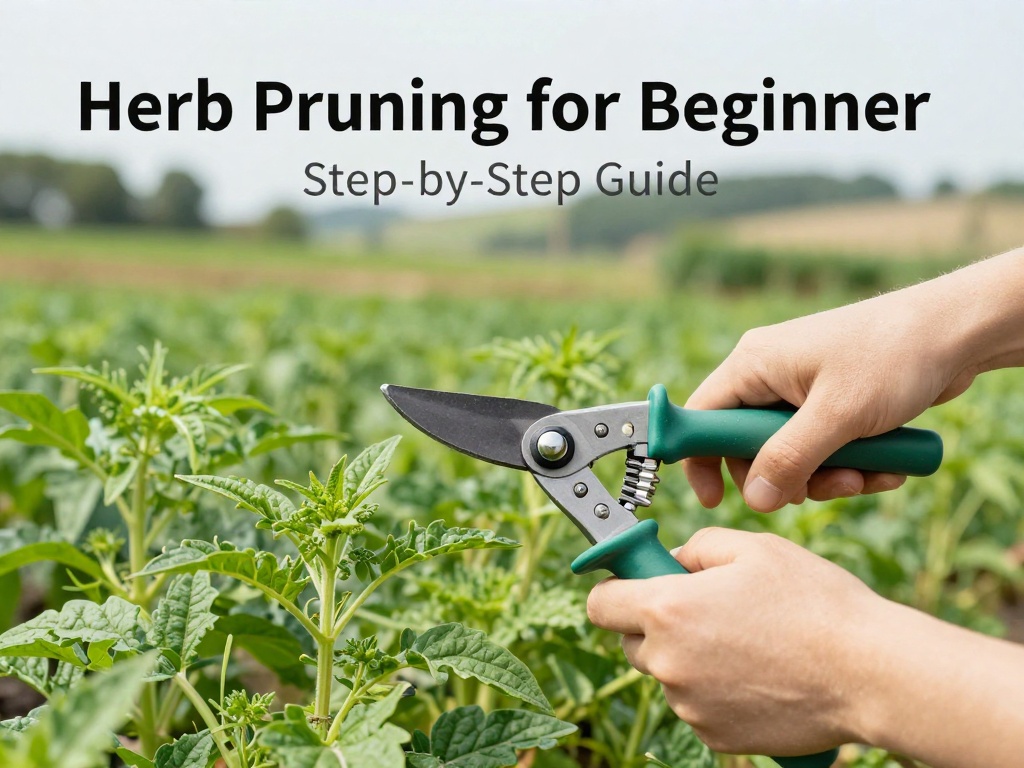
2026 Herb Pruning for Beginners: Step-by-Step Guide
Herb pruning for beginners is one of the most valuable skills you can develop as a new gardener. Proper pruning keeps your herbs healthy, promotes bushier growth, and extends your harvest throughout the growing season. This step-by-step guide will walk you through everything you need to know about pruning herbs in containers, raised beds, or garden plots.
Whether you are growing basil, mint, rosemary, or thyme, understanding the basics of herb pruning will transform your garden from ordinary to extraordinary. Let's dive into the techniques that professional growers use to maintain thriving herb gardens.
Why Pruning Matters for Herb Plants
Many beginner gardeners make the mistake of letting their herbs grow freely without any intervention. However, regular pruning offers multiple benefits that directly impact plant health and productivity.
Promotes Bushier Growth
When you prune herbs correctly, you remove the dominant growing tip. This signals the plant to produce side shoots instead of growing taller. The result is a fuller, more compact plant with significantly more leaves for harvesting. This technique, called apical dominance removal, is fundamental to successful herb cultivation.
Prevents Leggy Growth
Without pruning, many herbs become long and spindly with weak stems. Leggy growth occurs when plants stretch toward light sources without developing strong structural branches. Regular trimming encourages sturdy, balanced growth that can support the plant's weight and produce abundant foliage.
Extends Harvest Period
Pruned herbs continue producing new growth throughout the season. By harvesting regularly through pruning, you encourage continuous production rather than a single harvest. This means more fresh herbs for your kitchen over several months.
Reduces Disease Risk
Proper airflow is essential for preventing fungal diseases. Pruning opens up the plant structure, allowing better air circulation and reducing moisture buildup on leaves. This organic approach to disease prevention keeps your herbs healthier without chemical interventions.
Essential Tools for Herb Pruning
Having the right tools makes herb pruning for beginners much easier and more effective. You do not need an expensive collection—quality over quantity matters here.
Pruning Shears or Scissors
Sharp, clean pruning shears are the most important investment for herb gardeners. Bypass pruners work best because they make clean cuts without crushing plant stems. For smaller herbs like basil and cilantro, sharp kitchen scissors work wonderfully for quick harvests.
Sanitation Supplies
Clean tools prevent the spread of disease between plants. Keep rubbing alcohol or a 10% bleach solution nearby to sanitize your blades between cuts, especially when working with multiple plants. This simple habit protects your entire garden.
Optional: Harvesting Basket
A small basket or container makes collecting pruned material convenient. Many gardeners use their herbs immediately in the kitchen, making the harvesting basket both practical and beautiful.
When to Prune Your Herbs
Timing plays a crucial role in successful herb pruning. Understanding your specific herbs' growth patterns helps you prune at optimal moments for maximum benefit.
Best Time of Day
Prune herbs in the morning after dew has dried but before the heat of the day. At this time, plants are fully hydrated, and cuts heal quickly. Avoid pruning during extreme heat or rain, as these conditions stress plants and slow recovery.
Growth Stage Considerations
Start pruning when seedlings develop their second or third set of true leaves. For established plants, prune before flowering begins whenever possible. Once herbs bolt and produce flowers, leaf production decreases significantly. Regular pruning delays flowering and extends the productive phase.
Seasonal Timing
For perennial herbs like rosemary, lavender, and thyme, light pruning in spring and fall works well. Annual herbs such as basil and cilantro benefit from consistent pruning every one to two weeks during active growth. Adjust your schedule based on your local climate and growing season length.
Step-by-Step Herb Pruning Techniques
Now let's get into the practical aspects of herb pruning for beginners. These techniques apply to most common kitchen herbs grown in home gardens.
Technique 1: Pinching Method
The pinching method works wonderfully for soft-stemmed herbs like basil, mint, and oregano. Simply use your thumb and forefinger to pinch off the growing tip just above a leaf node. The node is the point where leaves attach to the stem. From this point, two new shoots will emerge, doubling your foliage production.
Technique 2: Cutting Method
For woodier herbs like rosemary, thyme, and sage, use sharp pruners to make clean cuts. Cut stems back by one-third to one-half their length, always cutting just above a leaf node or branching point. Never cut into old, woody growth without green shoots, as these areas rarely regenerate.
Technique 3: Harvest Pruning
Harvest pruning combines maintenance with harvest. When you need herbs for cooking, take stems from the top of the plant, cutting just above a node. This method provides kitchen herbs while simultaneously pruning your plants. Always leave at least one-third of the plant's foliage to maintain healthy growth.
Performing the Cut
Position your scissors or pruners about one-quarter inch above a leaf node for clean cuts. Cut at a slight angle to prevent water buildup on the cut surface. Make decisive cuts rather than crushing or tearing stems. Torn edges invite disease and slow healing.
Pruning Specific Herbs for Beginners
Basil Pruning
Basil is one of the best herbs for beginners to practice pruning techniques. Pinch off the top sets of leaves when the plant has six to eight sets of mature leaves. Always cut above a pair of leaves to encourage branching. Remove any flower buds immediately to keep leaves producing.
Mint Pruning
Mint grows aggressively and benefits from regular harvesting. Cut stems back by half every few weeks during peak growing season. This prevents mint from taking over your garden and keeps foliage young and flavorful. Container growing helps control its spread.
Rosemary Pruning
Rosemary requires gentler handling than annual herbs. Trim lightly in spring to shape the plant and remove winter damage. Never cut into completely woody stems, as rosemary struggles to regrow from old wood. Focus on pruning the softer green growth.
Thyme and Oregano Pruning
These spreading herbs benefit from regular harvesting of the outer stems. Cut from different areas of the plant rather than always taking from the same spots. This promotes even growth and prevents bare centers. Prune after flowering for best results.
Common Pruning Mistakes to Avoid
Understanding what not to do is just as important as knowing the correct techniques. Here are mistakes that herb pruning for beginners commonly encounter.
- Over-pruning: Never remove more than one-third of the plant at once. Removing too much foliage stresses plants and slows recovery.
- Using dull tools: Dull blades crush stems instead of cutting them cleanly, inviting disease and pest problems.
- Pruning at the wrong time: Avoid heavy pruning in late fall for perennial herbs, as new growth will not harden before winter.
- Ignoring signs of disease: Discolored, wilting, or spotted stems should be removed immediately and disposed of away from the garden.
- Cutting woody stems too hard: Many perennial herbs cannot regenerate from old wood. Always leave green growth when pruning.
Storing and Using Pruned Herbs
Your pruning efforts reward you with an abundance of fresh herbs. Proper storage ensures you enjoy them for weeks after harvesting. Hang bundles of woody herbs like rosemary and thyme to dry in a warm, well-ventilated area. Freeze soft herbs like basil and cilantro in ice cube trays with olive oil for convenient cooking portions. Fresh herbs can be stored in water at room temperature for up to two weeks.
FAQ: Herb Pruning for Beginners
How much should I prune my herbs at one time?
Remove no more than one-third of the plant's total growth during a single pruning session. This amount removes enough to stimulate new growth without stressing the plant. For small seedlings, even less is better—focus on pinching tips rather than major cuts.
Can I prune herbs after they flower?
Yes, you can still prune flowering herbs, but the optimal time is before flowering. After herbs bolt, prune immediately by cutting back flower stalks and shaping the plant. The plant may produce a second flush of foliage, though it will be less vigorous than the first.
Do I need to fertilize after pruning?
Light fertilization after pruning supports new growth, especially for heavy-producing herbs like basil and mint. Use a balanced organic fertilizer diluted to half strength about one week after pruning. Avoid fertilizing immediately before or after major pruning sessions.
How long does it take to see results from pruning?
Most herbs show visible new growth within five to seven days after pruning. Within two to three weeks, you'll see significant bushier growth with multiple new stems emerging from pruned points. Consistent pruning every one to two weeks maintains this productive cycle.
What is the easiest herb for beginners to prune?
Basil is the easiest herb for beginners to prune. It responds quickly to pinching, produces abundant foliage, and forgive mistakes. The pinching technique is intuitive, and new gardeners can see results within days, building confidence for pruning other herbs.
Should I prune herbs in winter?
For perennial herbs outdoors, light maintenance pruning in late winter or early spring is appropriate. Avoid heavy pruning in fall or during active winter months. Indoor herbs can be pruned year-round with the same gentle approach, adjusting frequency based on growth rate.
No comments