
Parsley Transplanting for Beginners: 2026 Complete Guide
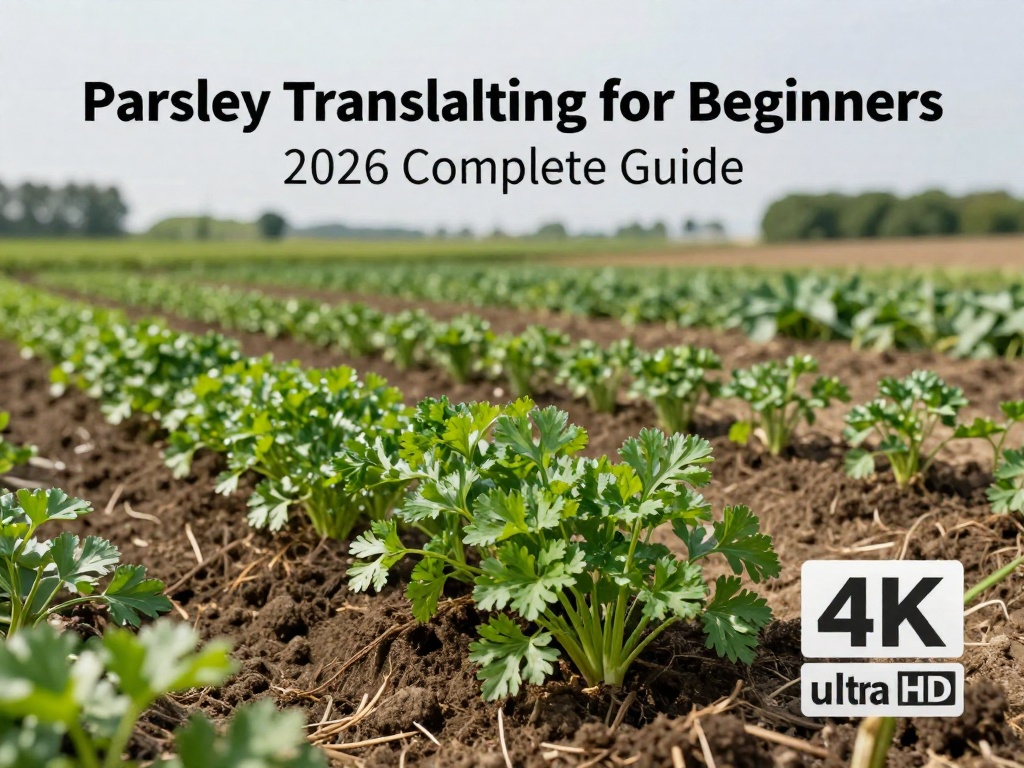
Parsley Transplanting for Beginners: 2026 Complete Guide
Parsley transplanting for beginners doesn't have to be complicated. Whether you're moving seedlings from indoors to your garden or repositioning established plants, mastering this essential skill will transform your herb garden. This comprehensive 2026 guide walks you through every step of successful parsley transplantation, ensuring healthy plants and abundant harvests throughout the growing season.
Why Parsley Transplanting Matters for Your Garden
Transplanting parsley at the right time and with proper technique directly impacts plant health and productivity. Young parsley seedlings started indoors face transplant shock when moved outside, while established plants may struggle if root systems are disturbed during relocation. Understanding the nuances of parsley transplanting for beginners means recognizing that this biennial herb develops a long taproot that requires careful handling.
Successful transplants result in vigorous plants with deep root systems that access nutrients and water more effectively. Gardeners who master this technique enjoy continuous harvests for months, while those who rush the process often end up with stunted, bolt-prone plants that fail to thrive.
Benefits of Proper Parsley Transplantation
- Stronger root development and plant vigor
- Extended harvest windows throughout the season
- Better disease resistance and pest tolerance
- Higher yields from healthy, established plants
When to Transplant Parsley: Timing Guidelines
Timing represents the most critical factor in parsley transplanting for beginners. Parsley thrives in cool weather and tolerates light frosts, making early spring and fall ideal transplanting windows in most climates. Soil temperature matters significantly—wait until soil reaches at least 50°F (10°C) before moving transplants outdoors.
Signs Your Parsley Seedlings Are Ready for Transplanting
Healthy parsley seedlings display two to three true leaves beyond the initial seed leaves (cotyledons). Seedlings should measure approximately 3 to 4 inches tall with sturdy stems that don't flop over. Roots should be white and healthy, visible through nursery pots or cell packs.
Avoid transplanting seedlings that show yellowing leaves, leggy growth, or root-bound conditions. These plants struggle to establish and often fail to produce vigorous harvests.
Climate-Specific Transplanting Windows
For beginners practicing parsley transplanting, consider your local climate zone. In northern regions, transplant outdoors 2-3 weeks before the last frost date, using row covers for protection. Southern gardeners should focus on fall transplants, avoiding the intense summer heat that causes parsley to bolt. Coastal and mild-winter regions enjoy extended growing seasons where parsley transplanting succeeds nearly year-round.
Essential Tools and Materials for Parsley Transplanting
Gather these supplies before beginning your parsley transplanting project. Having everything ready reduces stress on both plants and gardener, making the process smooth and efficient.
- Healthy parsley seedlings or young plants
- Quality potting mix or garden soil amendments
- Transplanting trowel or hand fork
- Watering can or garden hose with gentle spray attachment
- Organic mulch (straw, shredded leaves, or compost)
- Labels or markers for identification
Step-by-Step Parsley Transplanting Process
Step 1: Harden Off Seedlings Gradually
Hardening off is non-negotiable when transplanting parsley started indoors. Begin this process 7-10 days before your planned transplant date. Place seedlings outside in a sheltered location for 1-2 hours on day one, gradually increasing exposure by 1-2 hours daily. By transplant day, seedlings should tolerate full outdoor conditions for 6-8 hours.
This gradual adjustment reduces transplant shock dramatically. Skipping hardening off results in stressed plants that may yellow, wilt, or die back entirely.
Step 2: Prepare the Transplant Site
Choose a location receiving 6-8 hours of sunlight daily, though parsley tolerates partial shade, especially in warmer climates. Work compost or aged manure into the top 6-8 inches of soil to improve drainage and fertility. Avoid areas where other umbellifer family members (carrots, dill, fennel, celery) grew recently, as soil-borne diseases can accumulate.
Space parsley plants 6-8 inches apart in rows 12 inches apart. This spacing allows adequate air circulation while maximizing garden productivity in small spaces.
Step 3: Transplant During Optimal Conditions
Transplant on an overcast day or during late afternoon to minimize moisture stress. Water seedlings thoroughly 1-2 hours before transplanting. Dig holes slightly deeper and wider than the root ball. Carefully remove seedlings, keeping soil intact around roots.
Place each plant at the same depth it grew previously—never bury the crown where stems meet roots. Firm soil gently around roots, eliminating air pockets that can dry out delicate root systems.
Step 4: Water and Mulch Immediately
Apply water thoroughly after transplanting, directing it at soil level rather than foliage. Continue watering daily for the first week, then gradually reduce frequency as plants establish. Apply 2-3 inches of organic mulch around (but not touching) stems to retain moisture, suppress weeds, and regulate soil temperature.
Transplanting Parsley in Containers
Container gardening suits parsley perfectly, especially for beginners with limited space. Choose pots at least 8-10 inches deep with drainage holes. Use quality potting mix rather than garden soil, which compacts too densely in containers.
The transplanting process remains similar to garden beds, though container-grown parsley may need more frequent watering. Position containers where they'll receive morning sun and afternoon shade in hot climates, protecting plants from scorching summer temperatures that trigger premature bolting.
Caring for Transplanted Parsley: The First Four Weeks
Proper care following transplanting determines whether your parsley thrives or merely survives. Focus on consistent moisture, protection from extremes, and observation for early problem detection.
Watering Schedule for New Transplants
Newly transplanted parsley requires consistent moisture while establishing roots. Water deeply every 2-3 days, allowing soil to dry slightly between waterings. Overwatering invites root rot and fungal diseases, while underwatering stresses plants and triggers bolting. Check soil moisture by inserting your finger 1-2 inches deep—water when the top inch feels dry.
Fertilizing After Transplanting
Avoid heavy fertilization immediately after transplanting. Wait 2-3 weeks, then apply a balanced, water-soluble fertilizer at half strength. Alternatively, side-dress plants with compost or worm castings, which provide gentle, slow-release nutrition without burning tender roots.
Common Transplanting Mistakes and How to Avoid Them
Learning from common errors saves beginners time, money, and frustration. These pitfalls occur frequently but are entirely preventable with proper knowledge.
- Transplanting too early: Cold soil and air temperatures shock tender seedlings, causing purple-tinged leaves and stunted growth.
- Disturbing the taproot: Parsley's long taproot regrows poorly if damaged. Always transplant with root ball intact.
- Planting too deeply: Burying the crown leads to rot and plant death. Keep the soil level consistent with nursery containers.
- Neglecting hardening off: Indoor-grown seedlings cannot handle direct sun, wind, and temperature fluctuations without gradual acclimation.
- Overcrowding: Insufficient spacing reduces air circulation, increasing fungal disease risk and limiting plant growth.
Troubleshooting Transplant Problems
Yellowing Leaves After Transplanting
Transplant shock causes temporary yellowing, but persistent yellow leaves indicate nutrient deficiency or overwatering. Check soil drainage and reduce watering frequency. If plants don't recover within a week, apply a light application of balanced fertilizer.
Wilting Despite Adequate Water
Root damage during transplanting prevents water uptake even when soil is moist. Examine roots gently—healthy roots are white and firm. Trim any mushy, brown roots and ensure proper planting depth. Shade cloth provides relief while plants recover.
Bolting Shortly After Transplanting
Heat stress triggers premature bolting in parsley. Provide afternoon shade during hot weather, maintain consistent moisture, and choose bolt-resistant varieties for warm climates. Once parsley bolts, harvest what you can—the flavor remains excellent despite the flowering.
Harvesting Tips for Transplanted Parsley
Begin harvesting once plants produce abundant foliage, typically 3-4 weeks after successful transplanting. Cut outer stems first, leaving the center rosette intact for continued production. Regular harvesting encourages bushy, vigorous growth rather than leggy, sparse plants.
Harvest in the morning when essential oils peak for maximum flavor. Use sharp scissors or pruners, cutting stems at the base. Fresh parsley keeps refrigerated for up to two weeks, while dried or frozen parsley provides year-round culinary enjoyment.
FAQ: Parsley Transplanting for Beginners
How long does parsley take to recover from transplanting?
Most parsley plants recover from transplant shock within 7-14 days. During this recovery period, growth may appear slow or停滞 (stagnant). Provide consistent care, and plants will resume vigorous growth once their root systems establish in the new environment.
Can I transplant parsley directly into the ground from the grocery store?
Yes, but grocery store parsley often grows in dense pots with root systems that have circled the container. Gently separate the root ball into individual plants or small sections, teasing apart roots before transplanting. Remove any damaged or yellow leaves and water thoroughly after planting.
Should I transplant parsley in morning or evening?
Late afternoon or evening provides the ideal transplanting time for beginners. Cooler evening temperatures reduce moisture loss through foliage while giving roots time to begin establishing before morning sun stress. Overcast days offer even better conditions for minimizing transplant shock.
How deep should I plant parsley when transplanting?
Plant parsley at the same depth it was growing in its previous container—never deeper. The soil line should meet the base of the lowest leaves. Planting too deeply causes stem rot, while too shallow exposes roots to air and temperature fluctuations.
What's the difference between flat-leaf and curly parsley for transplanting?
Flat-leaf (Italian) parsley and curly parsley have identical transplanting requirements. Flat-leaf varieties generally produce stronger flavor and regrow more vigorously after harvesting, making them popular for kitchen gardens. Curly parsley offers decorative appeal but slower regrowth.
Can parsley survive frost after transplanting?
Mature parsley tolerates light frosts down to approximately 25°F (-4°C), but newly transplanted seedlings are more vulnerable. Protect tender transplants with row covers or cloches if frost threatens. Once established (after 2-3 weeks), parsley withstands cooler temperatures remarkably well.
Why is my transplanted parsley turning purple?
Purple-tinged leaves indicate cold stress or phosphorus deficiency, both common after premature transplanting. If soil temperatures remain below 50°F (10°C), warm the soil with black plastic mulch for several days before transplanting. A light application of phosphorus-rich fertilizer helps if temperatures aren't the culprit.
No comments