
Spinach Transplanting Step by Step: 2026 Complete Grower's Guide
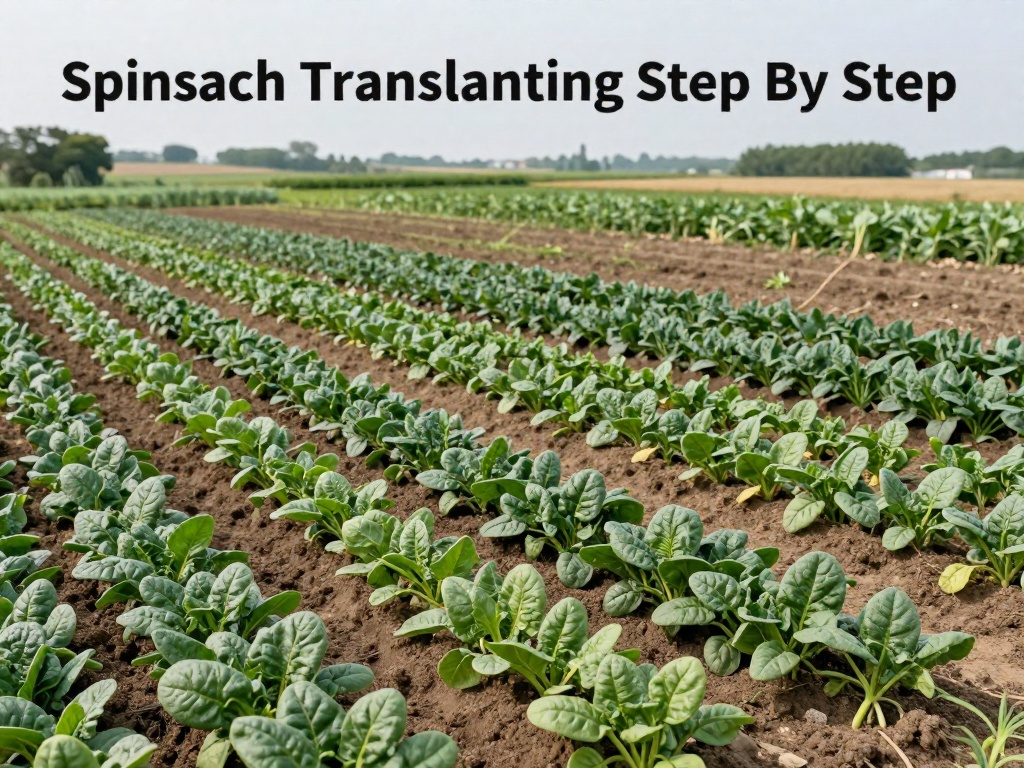
Spinach Transplanting Step by Step: 2026 Complete Grower's Guide
Spinach transplanting step by step is an essential skill for any gardener who wants to enjoy fresh, nutrient-rich greens from their own backyard or container garden. While direct seeding is popular, transplanting gives you a head start on the growing season and results in stronger, more disease-resistant plants. This comprehensive 2026 grower's guide walks you through every stage of the spinach transplanting process, from preparing your seedlings to ensuring they thrive after transplanting.
Why Choose Transplanting for Spinach
Transplanting spinach seedlings offers several significant advantages over direct sowing. First, you can start seeds indoors while outdoor conditions remain unfavorable, extending your growing season by several weeks. Second, transplanting allows you to select the strongest seedlings and discard weak or diseased plants before they enter your garden. Third, established transplants are better equipped to compete with weeds and resist pest pressure.
For gardeners in regions with short springs or unpredictable weather, transplanting provides a reliable way to harvest spinach before summer heat arrives and causes the plants to bolt. The controlled environment of indoor starting also gives young spinach plants the consistent moisture and temperature they need during their most vulnerable growth stage.
Benefits of Starting Indoors
Indoor seed starting for spinach transplanting step by step gives you complete control over environmental conditions. You can maintain optimal temperatures between 60-70°F (15-21°C) and ensure consistent moisture levels without worrying about rain washing seeds away or cold soil stunting germination. Most spinach varieties take 7-14 days to germinate when started indoors under proper conditions.
Comparing Transplanting to Direct Sowing
Direct-sown spinach must compete with natural weed pressure from day one, while transplanted seedlings have a head start that allows them to establish quickly and shade out competing vegetation. Additionally, direct sowing in cold soil can result in uneven germination and poor stand establishment, problems you avoid entirely when using the transplanting method.
When to Start Spinach Seeds Indoors
Timing is critical for successful spinach transplanting step by step. Spinach is a cool-season crop that prefers temperatures between 50-70°F (10-21°C). In most USDA hardiness zones, you should start seeds indoors 4-6 weeks before your last expected spring frost. This gives seedlings enough time to develop 2-3 true leaves while remaining compact enough to transplant successfully.
If you plant too early, seedlings may become root-bound or leggy in their containers. If you plant too late, you lose the season extension benefit that makes transplanting worthwhile. Mark your calendar and aim to have healthy, stocky transplants ready when soil temperatures reach at least 45°F (7°C) and can be worked easily.
Understanding Your Growing Zone
Your USDA growing zone determines ideal transplanting timing for your area. Gardeners in zones 3-5 typically transplant spinach outdoors from mid-April through May, meaning they should start seeds indoors in early to mid-March. Zone 6-7 gardeners can often transplant as early as late March, so starting seeds in mid-February works well. Zone 8-10 gardeners may be able to transplant as early as February, making January the ideal seed-starting month in these regions.
Reading Seed Packets and Variety Timing
Different spinach varieties have varying maturity rates that affect when you should start seeds. Savoy varieties like 'Bloomsdale' take slightly longer to mature, while smooth-leaf varieties like 'Space' often grow more quickly. Check your seed packet for days to maturity and count backward from your target harvest date to determine the perfect transplanting window for your chosen variety.
Step 1: Gather Your Materials
Before beginning the spinach transplanting step by step process, assemble all necessary supplies. Having everything ready prevents interrupted workflows and reduces stress on both you and your seedlings. The essential materials include seed-starting trays or small pots with drainage holes, quality seed-starting mix, spinach seeds, clear plastic domes or plastic wrap, spray bottles for gentle watering, and labels to identify varieties and planting dates.
For soil, choose a sterile, lightweight seed-starting mix rather than garden soil. Garden soil often contains weed seeds, fungal pathogens, and insect eggs that can damage young seedlings. Quality seed-starting mixes are specifically formulated to provide excellent drainage while retaining enough moisture for germination without becoming waterlogged.
Choosing the Right Containers
Spinach seedlings need cells or pots that are at least 2 inches deep to accommodate their taproots. Individual pots make it easier to transplant without disturbing roots, while cell trays allow you to grow many seedlings in a compact space. Biodegradable pots are an excellent option because you can plant the entire pot in the garden, avoiding root disturbance entirely.
Selecting Quality Seeds
Purchase fresh spinach seeds from reputable suppliers, as germination rates decline significantly after the first year. Look for varieties suited to your climate and intended use. For baby spinach harvests, choose varieties bred for compact growth and repeated cutting. For mature leaves, semi-savoy and savoy varieties offer the classic spinach flavor and texture most gardeners prefer.
Step 2: Plant Your Spinach Seeds
Fill your containers with moistened seed-starting mix, leaving about 1/4 inch of space at the top. Lightly firm the soil surface with your fingers or a small board to create a smooth, stable planting surface. Place 2-3 spinach seeds on top of the soil in each cell or pot. Cover the seeds with a thin layer of vermiculite or moistened seed-starting mix, approximately 1/4 inch deep.
Spinach seeds need darkness for germination, which is why adequate covering is essential. However, avoid planting too deeply, as spinach seeds struggle to emerge through more than 1/2 inch of soil. After planting, mist the surface gently with water to settle the soil around the seeds without washing them away.
Creating Optimal Germination Conditions
Cover your planted containers with clear plastic domes or plastic wrap to create a humid microenvironment that promotes germination. Place the containers in a location with temperatures between 60-70°F (15-21°C). Under these conditions, most spinach seeds germinate within 7-10 days. Check daily and remove covers immediately once you see sprouts emerging to prevent fungal diseases.
Watering During Germination
During the germination phase, keep the soil consistently moist but not waterlogged. Bottom watering by setting containers in a tray of water works exceptionally well because it prevents disturbing seeds while ensuring even moisture distribution. Allow the soil surface to dry slightly between waterings to reduce fungal disease risk, but never let the seed-starting mix dry out completely.
Step 3: Care for Seedlings Before Transplanting
Once your spinach seedlings emerge, move them to the brightest location possible. Spinach requires 12-14 hours of light daily for optimal growth, and insufficient light results in leggy, weak seedlings that struggle after transplanting. If natural light is insufficient, supplement with fluorescent grow lights positioned 2-4 inches above the seedling tops.
Maintain temperatures between 60-65°F (15-18°C) during the seedling stage. Warmer temperatures promote rapid but weak growth, while cooler temperatures produce stockier, more resilient transplants. Good air circulation reduces disease risk, so avoid clustering containers too closely together.
Thinning Seedlings
If multiple seedlings emerge in a single cell, thin them to one strong plant per container. Use small scissors to snip off weaker seedlings at soil level rather than pulling them, which can disturb the roots of the remaining plant. Thinning prevents competition and ensures each seedling has adequate space and nutrients for healthy development.
Fertilizing Young Transplants
Begin feeding spinach seedlings with a diluted, balanced liquid fertilizer once they develop their first true leaves. Use a fertilizer formulated for seedlings at half the recommended strength, applying it every 7-10 days. Over-fertilizing causes excessive leaf growth at the expense of root development, which produces transplants that struggle to establish in the garden.
Step 4: Harden Off Your Spinach Seedlings
Hardening off is a critical step in the spinach transplanting step by step process that many gardeners overlook. This gradual acclimation process prepares seedlings for the outdoor environment by strengthening plant tissues, reducing moisture loss, and building tolerance to temperature fluctuations and wind. Skipping this step often results in transplant shock, poor establishment, or plant death.
Begin hardening off 7-10 days before your planned transplanting date. On the first day, place seedlings outdoors in a sheltered, shaded location for 1-2 hours. Gradually increase the time outdoors by 1-2 hours daily while slowly introducing direct sunlight. By the end of the hardening off period, seedlings should be spending entire days outside and be ready to transplant.
Monitoring Weather During Hardening Off
Keep a close eye on weather forecasts during the hardening off period. Bring seedlings indoors if temperatures drop below 40°F (4°C) or if strong winds, heavy rain, or frost threaten. Even hardened seedlings can be damaged by sudden extreme weather events. Flexibility during this period protects your investment and ensures strong plants for transplanting.
Adjusting Water During Hardening
Seedlings naturally use less water during the transition period, so reduce watering frequency accordingly. Allow the soil surface to dry more thoroughly between waterings to encourage deeper root growth and prepare plants for typical garden conditions. However, avoid letting plants wilt severely, as this causes stress that delays establishment after transplanting.
Step 5: Prepare Your Garden Beds
Prepare your transplant site at least one week before transplanting to allow soil amendments time to integrate. Spinach thrives in loose, well-draining soil rich in organic matter with a pH between 6.0-7.5. Work in 2-4 inches of aged compost or well-rotted manure to improve soil structure and fertility. Remove all weeds and debris that could compete with young transplants.
If your soil is heavy clay, consider creating raised beds filled with a balanced soil mixture. Raised beds warm faster in spring, allowing earlier transplanting, and provide the excellent drainage spinach requires to prevent root diseases. Alternatively, plant spinach in containers filled with quality potting mix if garden space is limited.
Spacing Your Transplants Correctly
Space spinach plants 4-6 inches apart in rows 12-18 inches apart for baby leaf harvesting. For mature leaves, increase spacing to 6-8 inches between plants. Proper spacing ensures adequate air circulation, reduces disease pressure, and allows each plant to develop fully without competition. Crowded spinach never reaches its productive potential.
Testing and Amending Soil
Conduct a soil test before planting to determine existing nutrient levels and pH. Spinach requires nitrogen for healthy leaf development, so if your soil is deficient, incorporate a nitrogen source like blood meal or composted manure before transplanting. Avoid high-phosphorus fertilizers at transplanting time, as they can burn delicate young roots and provide more phosphorus than transplants need.
Step 6: Transplant Your Spinach Seedlings
Transplant spinach on a cloudy day or in late afternoon to minimize transplant shock. Water seedlings thoroughly 2-3 hours before transplanting so the root ball holds together well. Dig holes slightly larger than each root ball, then carefully remove seedlings from their containers, handling them by the leaves rather than the delicate stems.
Set each seedling at the same depth it grew in its container, or slightly deeper for leggy transplants. Fill the hole with soil, pressing gently to eliminate air pockets around the roots. Water each transplant immediately with a diluted starter fertilizer solution to settle soil around the roots and reduce transplant shock.
Avoiding Common Transplanting Mistakes
The most common transplanting errors include planting too deeply, compacting soil too firmly, and failing to water immediately after planting. Spinach roots need oxygen, so never bury the crown deeper than it grew previously. Air pockets around roots cause wilting and delayed establishment, while inconsistent early watering stresses young plants and invites disease.
Using Transplanting Helpers
Consider using a transplanting solution or seaweed extract when watering transplants. These products contain beneficial compounds that reduce transplant shock, stimulate root development, and provide trace nutrients that help seedlings establish quickly. Apply according to package directions for best results, but remember that proper technique matters more than any additive.
Step 7: Care After Transplanting
Maintain consistent moisture during the first 2-3 weeks after transplanting to ensure successful establishment. Water deeply whenever the top inch of soil dries, but avoid overwatering that leaves soil waterlogged. Spinach roots need both moisture and oxygen, so good drainage prevents drowning while consistent watering prevents drought stress.
Apply a thin mulch layer around transplants to conserve moisture, suppress weeds, and moderate soil temperature. Straw, shredded leaves, or grass clippings work well for spinach beds. Keep mulch 1-2 inches away from plant stems to prevent rot and discourage pest hiding places. Mulch also reduces soil splash that can spread fungal diseases to leaves.
Protecting Young Transplants
Young spinach transplants are vulnerable to insect pests, especially aphids, flea beetles, and cutworms. Inspect plants regularly and remove pests by hand or with a strong water spray. Floating row covers applied immediately after transplanting exclude most insect pests without interfering with plant growth. Row covers also provide slight frost protection during unpredictable spring weather.
Monitoring for Transplant Problems
Watch for signs of transplant shock including wilting, yellowing leaves, and stunted growth. Mild shock is normal during the first week but should improve daily. If plants fail to perk up after 10-14 days, investigate possible causes including compacted soil, underwatering or overwatering, nutrient deficiencies, or pest damage. Addressing problems early prevents permanent damage and harvest losses.
Step 8: Ongoing Maintenance for Healthy Spinach
Once established, spinach requires minimal ongoing maintenance beyond regular watering, occasional feeding, and pest monitoring. Continue watering to provide 1-2 inches weekly, adjusting for rainfall and temperature. Feed plants every 3-4 weeks with a nitrogen-rich fertilizer to support continued leaf production. Spinach is a heavy feeder, and hungry plants yellow quickly and produce small, tough leaves.
Remove any weeds that appear promptly to prevent competition. Spinach has shallow roots, so cultivate carefully around plants to avoid damage. Hand-pull weeds in the immediate vicinity of plants and use shallow cultivation between rows. A thick mulch layer prevents most weed problems before they start and is far easier than removing established weeds.
Harvesting Your Transplanted Spinach
Begin harvesting outer leaves when plants have at least 6-8 leaves and look visibly healthy. Never remove more than half the plant at once, and always leave the growing center intact. Cut-and-come-again harvesting encourages continued production for several weeks. For whole-plant harvest, cut at the base when plants reach the size you prefer but before they show signs of bolting.
Extending the Harvest Season
As temperatures warm in late spring, spinach naturally wants to bolt and produce seeds. Delay bolting by providing afternoon shade, maintaining consistent moisture, and removing flower stalks immediately if they appear. Some heat-tolerant varieties resist bolting longer than others. For continuous harvests, plant successive crops every 2-3 weeks beginning in early spring or switch to heat-tolerant varieties as summer approaches.
Troubleshooting Common Spinach Transplanting Problems
Garden challenges are inevitable, and spinach transplanting step by step success depends on recognizing and addressing problems quickly. Yellowing lower leaves usually indicate nitrogen deficiency that responds to feeding. Purple-tinged leaves suggest phosphorus deficiency or cold stress. Slow growth despite healthy appearance often points to compacted soil or competition from nearby plants.
Bolt prematurely typically results from temperature stress, either heat or dramatic fluctuations. Spindly, weak growth indicates insufficient light during the seedling stage. Wilting despite adequate water suggests root damage from pests, disease, or transplanting technique problems. Each problem has specific solutions that restore plant health when identified early.
Frequently Asked Questions About Spinach Transplanting
What is the best time of day to transplant spinach seedlings?
The ideal time to transplant spinach is on a cloudy day or during late afternoon, ideally after 4 PM. This timing allows seedlings to recover overnight without intense sun stress. Early morning transplanting also works well because roots have the cooling evening hours to begin establishing before daytime heat arrives.
Can spinach be transplanted into containers successfully?
Spinach transplants adapt very well to containers, making them excellent choices for patios, balconies, and small-space gardens. Use containers at least 6 inches deep with quality potting mix. Container spinach needs more frequent watering than garden-grown plants because containers dry out faster, especially in warm weather.
How long does it take for transplanted spinach to establish?
Transplanted spinach typically takes 10-14 days to show visible new growth after transplanting, indicating successful establishment. During this recovery period, plants may look slightly stressed but should begin improving daily with proper care. Full harvest-ready maturity usually occurs 4-6 weeks after successful transplanting, depending on variety and growing conditions.
What mistakes do beginners most commonly make when transplanting spinach?
The most common beginner mistakes include skipping the hardening-off process, transplanting too early before soil warms sufficiently, overwatering after transplanting, planting too deeply, and failing to water immediately after transplanting. Many gardeners also plant too closely together, not realizing how much space mature spinach plants require for optimal growth.
How much does spinach transplanting cost compared to buying transplants?
Starting your own spinach transplants costs approximately $1-3 per flat of seedlings in seed and soil expenses, while purchasing transplants from a nursery typically costs $4-8 for the same quantity. While starting seeds requires more effort, the cost savings and variety selection advantages make it worthwhile for gardeners growing more than a few plants.
Why are my transplanted spinach seedlings wilting after transplanting?
Wilting after transplanting is usually caused by transplant shock, which is normal for 3-7 days following planting. However, prolonged wilting may indicate inconsistent watering, root damage during transplanting, compacted soil, or pest damage to roots. Check soil moisture, gently inspect roots if possible, and ensure plants aren't drowning in waterlogged conditions.
What companion plants grow well near transplanted spinach?
Spinach grows well alongside many garden vegetables including strawberries, peas, beans, cabbage, cauliflower, broccoli, radishes, and onions. These companions share similar water and nutrient requirements and don't compete aggressively with spinach. Avoid planting spinach near potatoes, as they compete for nutrients and may harbor similar pest problems.
No comments