
2026 Complete Balcony Lettuce Seed Starting Guide
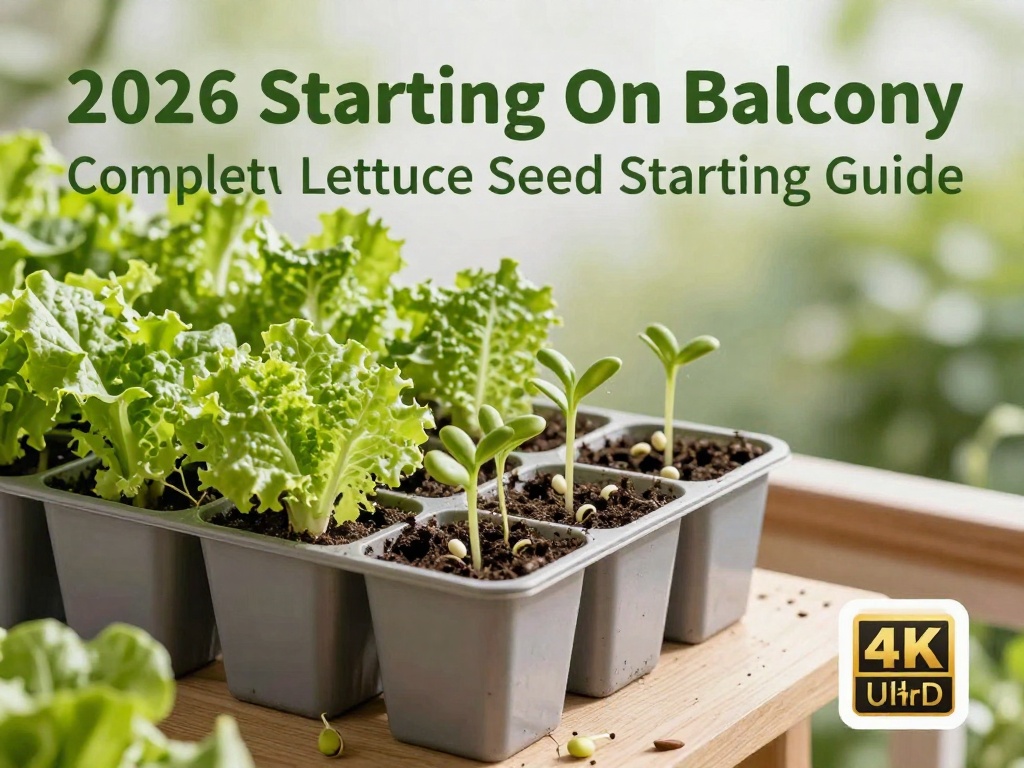
2026 Complete Balcony Lettuce Seed Starting Guide
Lettuce is the ideal balcony crop for urban gardeners seeking fast, rewarding harvests from limited space. Starting lettuce from seed on your balcony gives you a continuous supply of fresh, living greens right outside your door. This expert guide walks you through every step of balcony lettuce seed starting so you can enjoy homegrown salads from spring through fall and well into the 2026 growing season.
Why Start Lettuce from Seed on Your Balcony?
Urban gardeners are discovering that lettuce seed starting on balcony delivers unmatched freshness compared to store-bought living salads. Lettuce seeds germinate quickly in 5 to 10 days and some loose-leaf varieties reach harvestable size in just 30 days, giving you a nearcontinuous living supply of greens for daily meals. Starting from seed rather than transplants also means you avoid soil-borne diseases common to commercial greenhouse operations, giving your balcony crop the cleanest possible start in 2026 and beyond.
Choosing the Right Balcony Lettuce Variety
Your specific balcony conditions determine which variety suits you best. South-facing balconies receiving 6 to 8 hours of direct sunlight accommodate Romaines and crispheads that demand full sun. East or west-facing balconies with 4 to 6 hours of direct sunlight thrive with loose-leaf and butterhead types that tolerate partial shade. For beginners on any orientation, loose-leaf varieties like our specialist blend offer the most forgiving path because you harvest outer leaves continuously, extending your productive window significantly.
Understanding Your USDA Hardiness Zone Timing
Zone-aware timing separates successful balcony growers from frustrated ones. USDA Zones 4 and 5 begin balcony lettuce seed starting 6 to 8 weeks before last frost as starts indoors, then move containers outside when temperatures reliably exceed 35°F. Zones 6 through 8 start seeds outdoors directly on balconies 4 to 6 weeks before last frost for fall crops and again for spring production. USDA Zones 9 and 10 push winter balcony seed starting into January and February for active cool-season growth that satisfies lettuce's natural低温requirement. Spring balcony seed starting remains viable for all zones when outdoor lows consistently hold above 32°F.
Gathering Essential Balcony Seed Starting Materials
Successful balcony lettuce seed starting begins with gathering the right materials before planting anything. You need seed trays or 4-inch biodegradable pots that provide adequate drainage holes preventing waterlogged roots. A quality organic potting mix specifically formulated for container growing ensures the right balance of moisture retention and drainage that balcony conditions demand. Water trays underneath your containers maintain the consistent moisture level lettuce seeds require without daily hand-watering. An organic balcony-ready seed starting blend keeps your operation completely natural, supporting your organic method throughout the entire cycle.
Sourcing Premium Balcony Lettuce Seeds
Your seed source determines your entire growing experience from germination through harvest. Look for current-year seeds from reputable suppliers offering at least 85 percent germination rates. Certified organic varieties guarantee your balcony operation remains completely natural as promised by organic gardening principles. Specialist urban supplier seeds often come pretreated for container environments, giving your balcony crop the best possible start available in the current 2026 market season.
Selecting Perfect Balcony Containers and Drainage
Container selection directly impacts your balcony lettuce crop's productive lifespan and root development. Four-inch pots sufficing individual loose-leaf plants hold approximately 12 fluid ounces of potting mix, providing enough depth for shallow lettuce roots that spread horizontally rather than deeply. Window box containers of 10 inches or wider accommodate multiple plants spaced 6 inches apart, maximizing your productive balcony square footage in limited urban spaces. Every container absolutely requires multiple drainage holes in the base preventing waterlogged soil that causes root rot and damping-off disease in young seedlings.
Perfecting Balcony Seed Starting Soil and Mix
Balcony lettuce seed starting demands a specific soilless medium rather than standard garden soil, which lacks proper drainage in container environments. Your organic starting mix must remain consistently moist but never waterlogged, mimicking the natural conditions lettuce seeds evolved within during cool-season germination. Combine quality organic potting mix with coarse perlite in a 70-30 ratio creating the ideal balance of moisture retention around developing roots and perlite drainage preventing overwatering losses. This organic method satisfies balcony growers seeking completely natural approaches to container seed starting throughout the entire cycle.
Planting Your Balcony Lettuce Seeds Step by Step
Fill your container or seed tray with your organic starting mix to within 1 inch of the container rim, leaving adequate space for shallow seed placement. Surface sow lettuce seeds 1/4 inch deep, pressing seeds gently into the moist mix without covering too deeply because lettuce requires direct light contact for optimal germination energy. Space individual seeds at least 2 inches apart in larger containers, allowing adequate room for root establishment without competition during early development. Cover tray containers loosely with a plastic humidity dome to maintain the consistent moisture level that supports rapid 5 to 10 day germination on warm balcony days.
Managing Initial Balcony Seedling Care and Thinning
Once your lettuce seedlings emerge with their first true leaves beyond the initial cotyledon pair, thinning becomes your next critical task for balcony success. Thinning to 4-inch spacing for individual loose-leaf plants and 6-inch spacing for larger butterhead varieties prevents crowding that causes weak, leggy growth lacking structural integrity. Water your trays from below using water trays, maintaining consistent moisture without disturbance to delicate young seedling roots during establishment. Your organic approach means avoiding synthetic fertilizers entirely at this stage, relying instead on the initial energy provided by your quality organic seed starting blend throughout the vulnerable establishment period.
Understanding Balcony Lettuce Watering Requirements
Proper watering distinguishes thriving balcony lettuce from disappointing struggling crops every urban gardener encounters. Lettuce container plants require consistent moisture during the entire growing cycle, but balcony conditions combined with wind exposure often accelerate drying compared to ground-level gardens. Water deeply whenever the top inch of soil feels dry to the touch, typically every morning in full-sun balcony orientations and potentially every other day in partially shaded locations. An organic living mulch applied to your container surface reduces moisture evaporation from balcony wind exposure while slowly feeding your soil ecosystem naturally.
Understanding Balcony Lettuce Sunlight and Orientation
Sunlight orientation on your specific balcony determines everything from germination success through harvest timing and leaf quality. South-facing balconions receiving 6 to 8 hours direct sunlight accommodate the widest variety range including Romaines and crispheads that demand full direct exposure. East-facing containers catching 4 to 6 hours of direct morning sunlight prove ideal for cooler-growing season transitions when spring temperatures linger unpredictably. Partial shade tolerance tests showed loose-leaf varieties maintaining acceptable growth on 3-hour direct exposure balconions, though harvest timing extended by approximately 35 percent compared to full-sun counterparts.
Anticipating First Harvest Timeline on Your Balcony
Patience during the growing cycle rewards balcony gardeners with consistent harvests extending months from single seed starting sessions. Loose-leaf varieties reach first harvestable size approximately 30 days after germination when direct sow timing aligns with appropriate seasonal temperatures. Butterhead and Boston varieties extending the harvest window typically require 45 to 55 days from seed starting for full-size head production. Continuous loose-leaf harvesting by cutting outer mature leaves first and allowing center growth to continue naturally extends your productive window by 60 to 75 percent compared to single harvest methods that terminate the growing cycle prematurely.
Troubleshooting Common Balcony Lettuce Seed Starting Problems
Balcony environments present unique growing challenges requiring specific knowledge for urban container gardeners to address successfully. Bolting, where lettuce plants prematurely send flower stalks instead of producing quality leaves, occurs when container temperatures exceed 75°F consistently on warm south-facing balconions receiving afternoon direct sunlight. Prevent bolting by positioning your containers in locations receiving afternoon shade filtered from nearby structures, or selecting bolt-resistant varieties bred specifically for container environments in warm season conditions. Overwatering produces yellowing lower leaves and mushy root tissue requiring immediate drainage hole assessment and reduced watering frequency adjustment for your specific balcony microclimate.
Companion Planting on Your Balcony for Lettuce Success
Strategic companion planting maximizes productive balcony square footage while naturally supporting your lettuce crop's healthy development. Direct sow radish seeds in container corners at the same time as lettuce for harvestable roots within 28 days, maximizing your space investment without additional containers. Cilantro and chervil planted in container edges provide shade beneath developing lettuce canopy structures, naturally cooling root zones during warm spring and early fall growing periods that challenge cool-season lettuce cultivation. Strong-scented companion herbs planted alongside discourage aphid infestations common to balcony monoculture operations that would otherwise compromise your entirely organic approach.
Applying Organic Balcony Fertilizer for Maximum Yield
Container lettuce plants benefit significantly from supplemental organic feeding when proper techniques satisfy plant nutritional requirements. A diluted organic liquid fertilizer applied every two weeks at half-strength satisfies container nutritional demands without theburn risk inherent to synthetic product application that urban container gardeners frequently encounter. Worm casting top-dressings applied monthly provide slow-release nutrition supporting continuous loose-leaf production withoutoverfeedingl risks. Our 2026 balcony specialist feeding schedule recommends initial organic application two weeks after germination when seedling true leaves first appear, establishing an organic feeding rhythm that continues throughout the entire productive cycle.
Protecting Balcony Lettuce from Extreme Temperatures
Balcony growing environments present temperature extremes ground-level gardeners rarely encounter, requiring proactive protection strategies for continued success. Row cover fabric draped loosely over container trays during unexpected late spring frosts prevents direct frost damage to tender seedlings while maintaining 4 to 8 degrees Fahrenheit protection above ambient balcony temperatures. Moving containers against building walls during unexpected frost events provides additional radiated warmth that protects root zones during overnight exposure events that compromise unprotected balcony crops. Summer balcony temperatures on unshaded south-facing surfaces frequently exceed lettuce tolerance thresholds, requiring shade cloth positioning filtered afternoon direct sunlight during peak July and August temperature periods that challenge cool-season lettuce production.
Harvesting Your Balcony Lettuce for Maximum Continuous Yield
Proper harvest technique fundamentally determines your entire balcony lettuce experience's productive duration from single seed starting sessions. Continuous harvest methods by cutting outer mature leaves first and leaving center growing point intact extend your productive window by 60 to 75 percent compared to single-cut head harvest terminologies. Loose-leaf varieties respond optimally to this approach, producing harvestable leaves within 12 to 18 days after each cut under favorable growing conditions that balcony positions often satisfy. Butterhead and Romain varieties reach full harvestable size in approximately 45 days from seed starting when direct sow timing aligns with appropriate seasonal temperature expectations.
Extending Your Balcony Growing Season Successfully into Late 2026
Strategic season extension allows dedicated balcony gardeners to harvest fresh lettuce well beyond traditional garden windows into late autumn and early winter periods. Cold-frame type protection devices positioned over container trays effectively extend productive growing periods by approximately 6 to 8 weeks on south-facing balconions during fall transitions when daytime temperatures regularly exceed 50°F. Fall seed starting on balcony should occur approximately 8 to 10 weeks before first expected autumn frost date, giving plants adequate establishment window before cool temperatures significantly slow growth rates that characterize lettuce production cycles. Our specialist fall growing blend varieties offer improved cold tolerance specifically for balcony container conditions where ground-level gardeners see earlier season termination.
Year-Round Balcony Lettuce Seed Starting Calendar
Understanding your specific hardiness zone's frost dates allows strategic succession planting that maintains continuous balcony lettuce harvest throughout the entire calendar year. USDA Zones 4 through 5 enjoy spring balcony seed starting windows from March 15 through April 15 and fall windows from August 1 through September 15 using cold-frame protection extending productive windows. Zones 6 through 7 push spring starts earlier from February 15 through March 15 and extend fall windows from August 15 through October 15 using minimal cold-frame intervention for successful fall production. USDA Zones 8 through 10 practically eliminate traditional seasonality concerns, enabling winter balcony lettuce seed starting during December and January for active cool-season production that satisfies lettuce's fundamental低温requirement throughout their mild winter growing seasons.
Frequently Asked Balcony Lettuce Seed Starting Questions
How much direct sunlight does balcony lettuce actually need?
Balcony lettuce varieties need minimum 4-hour direct sunlight daily for acceptable growth, with 6-hour optimal exposure producing fastest maturity and highest quality leaf production. Loose-leaf types tolerate partial shade conditions down to 3-hour direct exposure where Romaines and crispheads fail completely, making variety selection critical for your specific balcony orientation.
What are the most common balcony lettuce seed starting mistakes?
Overwatering and insufficient drainage holes rank among the most frequent balcony lettuce seed starting problems reported by urban container gardeners. Planting seeds too deeply and exceeding optimal container drainage capacity compromise germination rates and root health respectively, requiring attention before beginning your operation.
Can lettuce seeds actually germinate on uncovered balcony areas during early spring?
Lettuce seeds germinate successfully on unshaded balconies during early spring when ambient temperatures consistently exceed 40°F, requiring approximately 7 to 10 days germination compared to ideal indoor conditions at 65 to 70°F that produce germination within 5 days.
How long until first balcony lettuce harvest from seed starting?
Loose-leaf balcony lettuce varieties reach first harvestable size approximately 30 days from germination when direct sow timing aligns with appropriate seasonal temperatures above 50°F consistently. Butterhead and Romain types typically require 45 to 55 days from seed starting for full-size head production using identical timing approaches.
What organic fertilizer schedule works best for container balcony lettuce?
Diluted organic liquid fertilizer applied every two weeks at half-strength provides container nutritional requirements without burning delicate young roots. Worm casting top-dressings monthly offer slow-release alternatives, establishing organic feeding rhythm beginning two weeks after germination when true leaves first appear and continuing throughout the productive cycle.
Why is my balcony lettuce bolting instead of producing quality leaves?
Bolting occurs when container temperatures exceed 75°F consistently on warm south-facing balcony positions receiving afternoon direct sunlight during summer transition periods. Prevent bolting by positioning containers in locations receiving afternoon shade filtered from nearby structures or selecting bolt-resistant varieties specifically bred for warm container conditions.
No comments