
Kale Transplanting for Beginners: 2026 Complete Guide
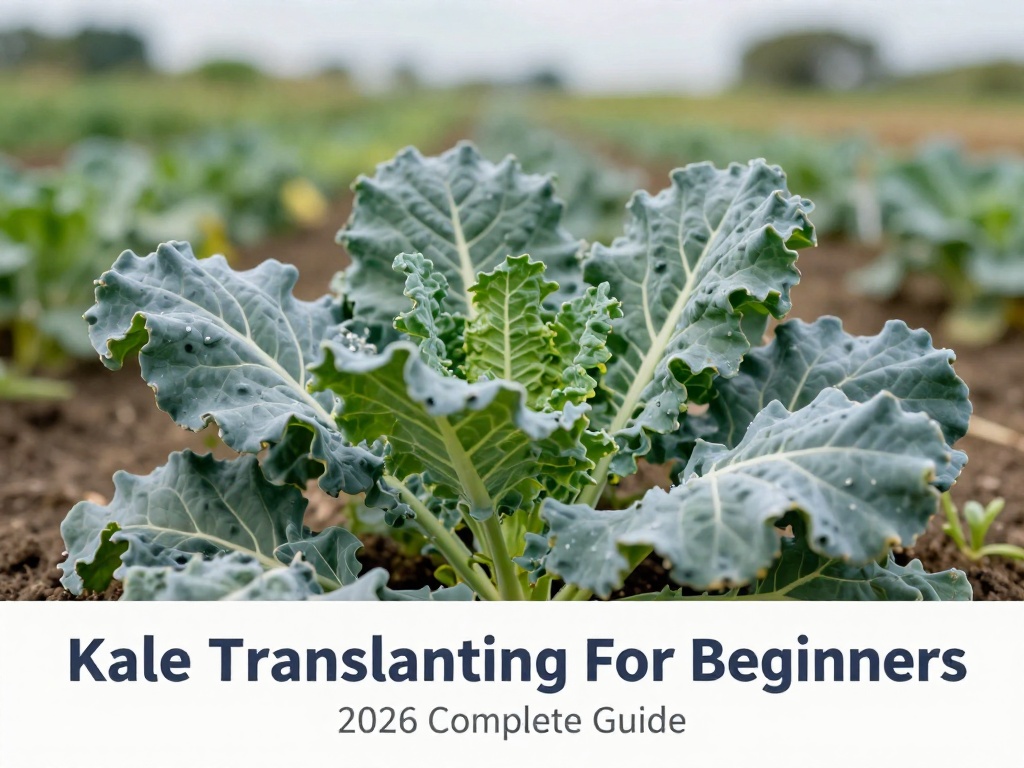
Kale Transplanting for Beginners: 2026 Complete Guide
Kale transplanting for beginners can seem intimidating at first, but mastering this fundamental skill will transform your vegetable garden. Whether you are growing kale in raised beds, containers, or a traditional garden plot, understanding proper transplanting techniques ensures strong, healthy plants that produce abundant harvests throughout the season.
Why Kale Transplanting Matters for Beginners
Transplanting kale seedlings rather than direct sowing offers several advantages for new gardeners. Starting seeds indoors or purchasing nursery transplants gives your kale a head start on the growing season, typically 4-6 weeks before your last frost date. This extended growing period results in earlier harvests and more productive plants.
Transplanted kale seedlings also develop stronger root systems when handled correctly. The controlled environment of seed starting allows you to select the healthiest seedlings for transplanting, eliminating weak or diseased plants before they consume valuable garden space. For beginners learning organic gardening methods, kale transplanting provides an excellent foundation for understanding plant care fundamentals.
Understanding Kale Growth Requirements
Kale thrives in cool weather conditions, performing best when daytime temperatures range between 60-70°F. This cold-hardy green can survive temperatures down to 20°F, making it ideal for early spring and fall gardens. Understanding these requirements helps beginners time their kale transplanting for maximum success.
Optimal Timing for Kale Transplanting
Timing your kale transplanting correctly ranks among the most critical decisions for beginners. Transplant kale seedlings outdoors 2-3 weeks before your last expected frost date. Soil temperature should reach at least 45°F before planting. Using a soil thermometer eliminates guesswork and prevents transplant shock from premature planting in cold soil.
Essential Materials for Kale Transplanting Success
Before beginning your kale transplanting project, gather these essential supplies. Having materials ready before starting prevents unnecessary interruptions during the delicate transplanting process.
- Healthy kale seedlings with 4-6 true leaves
- Rich, well-draining potting soil or compost
- garden trowel or hand shovel
- Watering can or garden hose with gentle attachment
- Organic mulch (straw, wood chips, or shredded leaves)
- Row covers for frost protection
- Liquid seaweed or fish emulsion for transplant fertilizer
Selecting Healthy Kale Seedlings
Choosing quality seedlings forms the foundation of successful kale transplanting. Select seedlings exhibiting vibrant green leaves without yellowing or browning edges. Avoid plants showing signs of stress such as wilted leaves, leggy growth, or evidence of pest damage. Healthy kale seedlings should appear bushy and compact rather than tall and spindly.
Preparing Your Growing Space
Kale requires at least 18 inches of spacing between plants for proper air circulation and growth. Choose a location receiving full sun to partial shade, ideally 6+ hours of direct sunlight daily. Prepare soil by incorporating 2-3 inches of finished compost into the top 6-8 inches of your garden bed. This organic matter improves drainage in clay soils while increasing water retention in sandy soils.
Step-by-Step Kale Transplanting Process
Hardening Off Kale Seedlings
Hardening off acclimates indoor-grown seedlings to outdoor conditions gradually. Begin this process 7-10 days before your planned transplant date. Place seedlings outside in a sheltered location for 1-2 hours initially, increasing exposure time daily. Bring seedlings indoors if temperatures drop below 45°F. This gradual transition strengthens cell walls and reduces transplant shock significantly.
The Transplanting Procedure
Begin transplanting on a cloudy day or during late afternoon to minimize water loss through transpiration. Water seedlings thoroughly 24 hours before transplanting to ensure hydrated, firm root balls.
Dig holes slightly deeper than the seedling's current container, spacing holes 18-24 inches apart in rows. Remove seedlings carefully from their containers, handling by the root ball rather than the fragile stem. Gently loosen any circling roots before placing the seedling into the prepared hole.
Position seedlings so the soil level matches their previous growing depth. Planting too deep buries the stem and risks rot, while planting too shallow exposes delicate roots to air exposure. Backfill holes with garden soil, pressing firmly around the root ball to eliminate air pockets. Water immediately using a gentle stream to settle soil around the roots.
Post-Transplant Care Techniques
Apply a 2-3 inch layer of organic mulch around each seedling, keeping materials 2 inches away from stems to prevent fungal issues. Mulch conserves moisture, suppresses weed competition, and moderates soil temperature fluctuations. Maintain consistent soil moisture without waterlogging, typically 1-1.5 inches of water weekly including rainfall.
Fertilize transplanted kale with diluted liquid seaweed solution 1 week after transplanting to support root establishment. Avoid heavy nitrogen fertilizers immediately after transplanting, as these encourage tender growth vulnerable to pest attack and environmental stress.
Common Kale Transplanting Mistakes to Avoid
Transplanting Too Early
Planting before soil warms sufficiently ranks among the most frequent beginner errors. Cold soil slows root development and increases susceptibility to fungal diseases. Wait until soil temperature reaches 45°F minimum, using a soil thermometer for accurate measurement rather than relying on calendar dates alone.
Improper Spacing
Overcrowding kale plants restricts air circulation, promoting fungal problems and reducing yields. Maintain minimum 18-inch spacing between plants, expanding to 24 inches for larger varieties like Lacinato (Dinosaur kale). Proper spacing also simplifies harvesting and ongoing maintenance tasks.
Neglecting Hardening Off
Skipping the hardening off process causes severe transplant shock. Seedlings grown indoors cannot withstand direct sun, wind, and temperature fluctuations without gradual acclimation. Rushing this step often results in stunted growth, leaf burn, or complete plant loss.
Troubleshooting Kale Transplanting Problems
Even with careful techniques, beginners may encounter issues following kale transplanting. Wilting immediately after transplanting often indicates transplant shock and typically resolves within 3-5 days with consistent watering. Yellowing lower leaves commonly result from nutrient deficiency or overwatering, requiring fertilizer application or reduced irrigation frequency.
Holes in kale leaves indicate pest pressure from aphids, cabbage worms, or flea beetles. Inspect plants regularly, removing visible pests by hand or applying organic insecticidal soap. Leggy, elongated growth suggests insufficient light before transplanting, requiring relocation to brighter growing areas for future seedling cultivation.
FAQ
When is the best time to transplant kale seedlings outdoors?
The optimal kale transplanting window occurs 2-3 weeks before your last expected frost date when soil temperatures reach at least 45°F. Spring planting typically succeeds early transplanting, while fall gardens benefit from late-summer planting allowing harvest before winter temperatures arrive.
Is kale transplanting difficult for beginners?
Kale transplanting ranks among the most forgiving vegetable crops for beginners to master. Kale seedlings establish readily with proper hardening off and consistent moisture. Following the step-by-step techniques in this guide produces excellent results even for first-time gardeners.
How much does kale transplanting cost?
Kale transplanting requires minimal investment beyond basic gardening tools. Seeds cost $2-4 per packet, while nursery seedlings average $2-3 per six-pack. Essential supplies like potting soil, mulch, and fertilizer add $15-30 total for most beginner setups. Reusing containers and starting compost reduces ongoing costs significantly.
How long until transplanted kale is ready for harvest?
Transplanted kale typically reaches harvestable maturity within 55-75 days after transplanting, depending on variety and growing conditions. Begin harvesting outer leaves when plants establish 8-10 leaves, allowing inner leaves to continue developing for continuous production throughout the season.
Can I transplant kale in containers?
Container transplanting suits kale successfully with proper drainage and adequate space. Select containers at least 12 inches deep and wide for each kale plant. Use quality potting mix rather than garden soil, and increase watering frequency compared to ground-planted kale due to faster moisture evaporation.
What are the signs of successful kale transplanting?
Healthy transplanted kale displays new leaf growth within 1-2 weeks, maintaining vibrant green coloring without yellowing or browning. Plants stand upright without wilting during daylight hours, and roots anchor firmly when gently tugged. These indicators confirm successful root establishment and transition to outdoor growing conditions.
No comments