
How to Start Hydrangeas from Seeds on Your Balcony in 2026
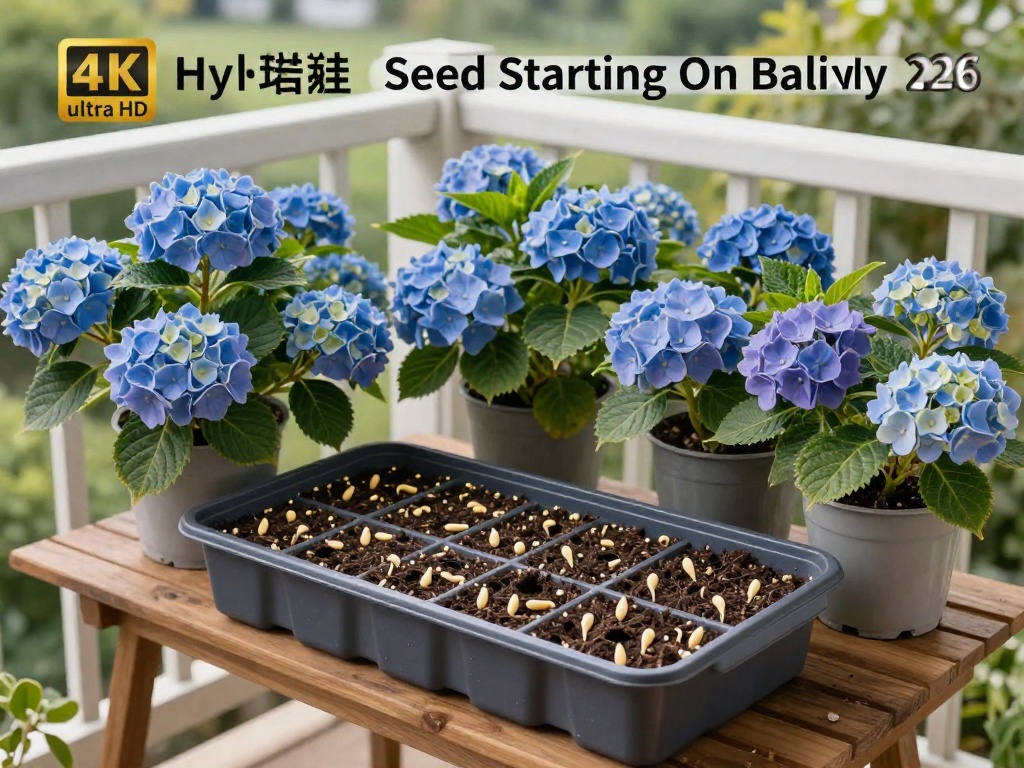
How to Start Hydrangeas from Seeds on Your Balcony in 2026
Growing hydrangeas from seeds on your balcony is a rewarding journey that transforms tiny seeds into stunning,球-shaped flower clusters. While hydrangeas are typically propagated through cuttings, starting them from seed on a balcony is entirely possible with the right approach. This 2026 guide walks you through every step— from selecting the best hydrangea seeds for containers to managing the unique challenges of balcony environments.
Why Start Hydrangeas from Seed on a Balcony?
Balcony gardening has surged in popularity, and for good reason. Starting hydrangeas from seed offers several compelling advantages:
- Cost-effective: Seeds are significantly cheaper than established nursery plants
- Greater variety: Seed catalogs offer unique hydrangea varieties unavailable locally
- Satisfying experience: Watching your plants grow from germination to bloom provides deep satisfaction
- Space-efficient: Perfect for small spaces where traditional gardening isn't possible
Choosing the Right Hydrangea Seeds for Balcony Growing
Best Hydrangea Varieties for Container and Balcony Settings
Not all hydrangea varieties adapt equally well to balcony life. For balcony containers, consider these compact varieties:
- Hydrangea macrophylla 'Pistachio': Compact growth with unique green-pink blooms
- Hydrangea serrata 'Blue Deckle': Smaller stature, perfect for containers
- Hydrangea arborescens 'Invincibelle Spirit': Hardy and adapts well to pots
- Hydrangea paniculata 'Little Lime': Compact version of the popular Limelight
Where to Source Quality Seeds
Purchase seeds from reputable suppliers specializing in ornamental plants. Look for fresh seeds with high germination rates. Avoid generic seeds without variety information, as poor quality seeds lead to disappointing results.
When to Start Hydrangea Seeds Indoors
Timing Your Seed Starting for Maximum Success
Hydrangea seeds require a long growing season, making early indoor starting essential. For balcony gardeners in temperate climates, begin seed starting 10-12 weeks before the last expected frost date.
In most USDA zones, this means starting seeds between January and March. The young seedlings need time to develop strong root systems before transplanting outdoors in late spring when temperatures stabilize above 50°F (10°C).
Step-by-Step Seed Starting Process
Step 1: Preparing Your Seed Starting Medium
Hydrangeas prefer well-draining, slightly acidic soil with a pH between 5.5 and 6.5. Create an ideal seed starting mix:
- 60% peat moss or coco coir
- 30% perlite or coarse sand
- 10% aged compost
Fill small seed trays or cell packs with this mixture, leaving a quarter-inch gap at the top. Moisten the medium thoroughly before planting.
Step 2: Planting Your Seeds Correctly
Hydrangea seeds are tiny—approximately 0.05 inches in diameter. Follow these planting guidelines:
- Scatter seeds on the soil surface without burying them
- Lightly press seeds into the soil using a flat board
- Mist the surface with a spray bottle
- Cover trays with a clear plastic dome or plastic wrap
Light is essential for hydrangea seed germination, so never bury seeds deeply.
Step 3: Creating Optimal Germination Conditions
Place seed trays in a warm location with consistent temperatures between 65-75°F (18-24°C). Use a heat mat if your space tends toward cooler temperatures. Provide bright, indirect light for 12-14 hours daily using grow lights positioned 6-8 inches above the trays.
Expect germination within 14-21 days. Remove the plastic covering immediately once sprouts appear to prevent fungal issues.
Caring for Seedlings on Your Balcony
Transplanting to Larger Containers
Once seedlings develop their second set of true leaves (typically 4-6 weeks after germination), transplant them into 3-4 inch pots. Use the same acidic potting mix, adding a slow-release fertilizer formulated for acid-loving plants.
Balcony-Specific Care Requirements
Balcony environments present unique challenges. Address these factors for healthy seedlings:
- Wind protection: Position containers against walls or use windbreaks for young seedlings
- Balcony drainage: Ensure pots have adequate drainage holes to prevent root rot
- Light management: South-facing balconies may require shade cloth during intense afternoon sun
- Temperature monitoring: Move plants indoors during unexpected cold snaps
Watering and Fertilizing Young Hydrangeas
Maintain consistently moist soil without waterlogging. Water when the top inch of soil feels dry, and consider using self-watering containers to maintain moisture levels. Feed seedlings every two weeks with diluted liquid fertilizer at half-strength.
Transitioning Seedlings to Permanent Balcony Containers
When and How to Move to Larger Pots
Transplant seedlings to their final containers once roots fill the 3-4 inch pots—typically 8-12 weeks after germination. Choose containers at least 12-16 inches in diameter with sufficient depth for root development.
Acclimating Plants to Outdoor Conditions
Harden off seedlings gradually over 7-10 days before permanent outdoor placement. Start with one hour of protected outdoor time, increasing duration daily while avoiding direct sunlight and strong winds initially.
Common Problems and Solutions for Balcony Hydrangeas
Yellowing Leaves
Yellow leaves often indicate iron chlorosis from alkaline soil. Address this by applying chelated iron and maintaining acidic soil conditions. Top-dressing with elemental sulfur also helps gradually lower pH.
Leggy Growth
Insufficient light causes leggy, weak growth. Move plants to brighter locations or supplement with grow lights. Pruning leggy growth encourages bushier development.
Pest Management on Balconies
Common balcony pests include aphids, spider mites, and mealybugs. Combat these organically with neem oil sprays or insecticidal soap applications every 7-10 days until infestations resolve.
Enjoying Your Balcony Hydrangeas: Expected Timeline
Patience is essential when growing hydrangeas from seed. While nursery plants bloom within their first year, seed-grown hydrangeas typically require 2-3 years of growth before producing their first flowers.
The wait is worthwhile—your mature hydrangeas will reward you with spectacular blooms in shades of blue, pink, purple, or white depending on your soil's acidity level. Acidic soils (pH below 5.5) produce blue blooms, while alkaline soils (pH above 6.5) yield pink flowers.
FAQ: Starting Hydrangeas from Seeds on Your Balcony
Can I really grow hydrangeas from seeds successfully on a balcony?
Yes, absolutely! While slower than propagation through cuttings, growing hydrangeas from seed produces healthy plants. Success requires patience, proper timing, and attention to the specific needs of young seedlings in container environments.
What's the biggest mistake beginners make when starting hydrangea seeds?
The most common error is burying seeds too deeply. Hydrangea seeds require light for germination—simply press them onto the soil surface without covering them. The second biggest mistake is inconsistent watering, which causes seeds and seedlings to dry out.
What's the best time of year to start hydrangea seeds on a balcony?
Start seeds indoors 10-12 weeks before your last frost date, typically between January and March in most climates. This gives seedlings a head start and ensures they're strong enough to handle outdoor balcony conditions by late spring.
How much effort is required to maintain seed-started hydrangeas?
Initial effort is moderate—daily monitoring for moisture and light during germination, plus weekly fertilizing. Once established in permanent containers, hydrangeas require watering every 2-3 days and monthly fertilizing during the growing season.
What containers work best for balcony hydrangea growing?
Choose containers at least 12-16 inches in diameter with multiple drainage holes. Terra cotta, ceramic, and fabric grow bags all work well. Ensure containers are frost-resistant if you plan to leave plants outdoors year-round.
How long until my seed-started hydrangeas bloom?
Expect your first blooms 2-3 years after germination. The exact timing depends on variety, growing conditions, and care quality. Focus on building strong roots and foliage during the first two years for more vigorous blooming once plants mature.
No comments