
Spinach Transplanting in Small Spaces: 2026 Complete Guide
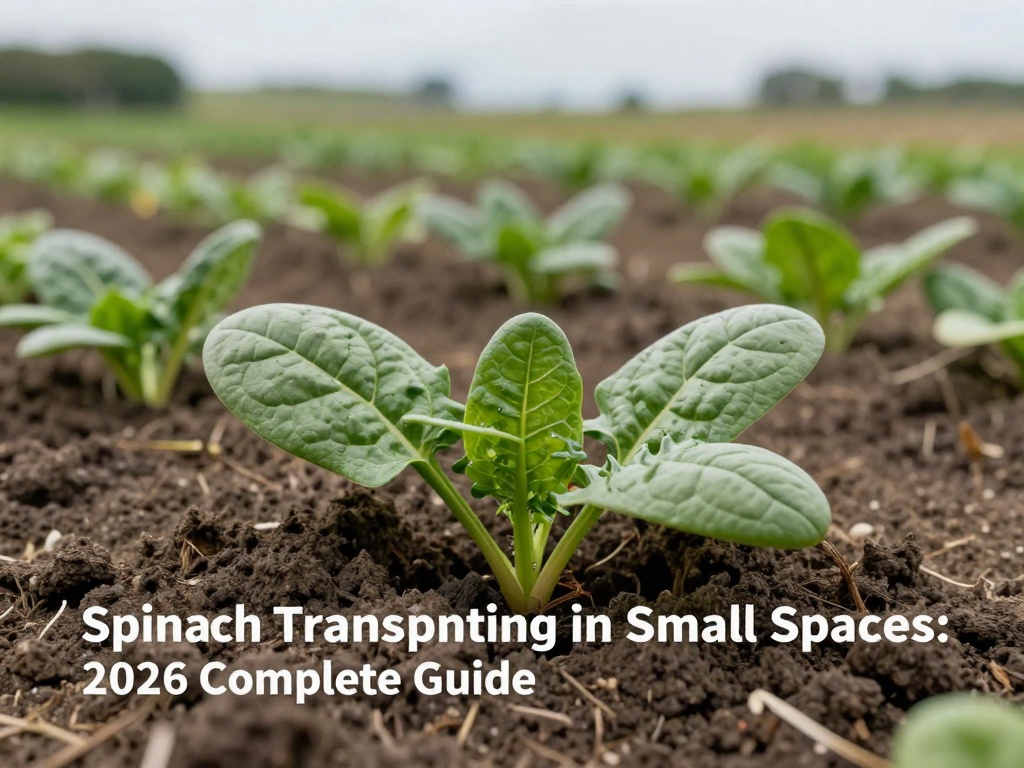
Spinach Transplanting in Small Spaces: 2026 Complete Guide
Spinach transplanting in small spaces opens doors to fresh, nutrient-rich greens even in the most limited areas. Whether you tend a tiny balcony, a compact patio, or limited indoor windowsills, this step-by-step guide will help you successfully transplant spinach seedlings for a thriving harvest. Growing spinach in containers and raised beds has never been more accessible for urban gardeners and beginners alike.
Why Choose Spinach for Small Space Gardening
Spinach ranks among the most rewarding vegetables for small space gardeners. This cool-season crop adapts exceptionally well to containers and requires minimal room to develop healthy leaves. The compact root system makes spinach transplanting in small spaces an ideal choice for apartment dwellers and those working with limited garden plots.
Beyond its space efficiency, spinach delivers impressive nutritional value in every harvest. A single plant can yield multiple cuttings, maximizing your return on investment whether you're using organic methods or conventional approaches. For beginners seeking quick wins in vegetable gardening, spinach provides that perfect balance of simplicity and satisfaction.
Benefits of Container and Raised Bed Growing
Containers and raised beds offer superior control over soil quality, drainage, and placement. When transplanting seedlings into these confined spaces, you eliminate many variables that challenge traditional garden beds. Urban gardeners particularly benefit from the flexibility of moving containers to optimize sunlight exposure throughout the growing season.
Understanding Timing: When to Transplant Spinach
Successful spinach transplanting depends heavily on timing your seedlings correctly. Spinach prefers cool temperatures between 50°F and 70°F (10°C to 21°C), making spring and fall the prime seasons for transplanting in most climates. Starting seeds indoors 3-4 weeks before your last frost date gives seedlings the ideal head start.
Reading Your Local Climate Zone
Gardeners in USDA zones 3-6 can typically transplant spinach outdoors 4-6 weeks before the last spring frost. Those in warmer zones 7-9 should focus on fall transplanting, allowing plants to mature during cooler autumn months. Monitoring soil temperature proves essential—transplant only when soil reaches at least 40°F (4°C) consistently.
Signs Your Seedlings Are Ready
Seedlings suitable for transplanting display 3-4 true leaves while maintaining a sturdy stem structure. Avoid transplanting seedlings showing early signs of bolting or those with overly developed root systems that have become rootbound. Healthy transplants establish faster and produce superior yields in small space gardens.
Step-by-Step Spinach Transplanting Process
Follow this proven method for spinach transplanting in small spaces to ensure optimal establishment and growth. Each step contributes to the overall success of your crop.
Step 1: Prepare Your Growing Medium
Fill containers or raised bed sections with a nutrient-rich potting mix specifically formulated for vegetables. The ideal medium combines loamy garden soil, aged compost, and perlite for drainage. Avoid using garden soil alone in containers, as it compacts too heavily and restricts root development. Fill containers to within 2 inches of the rim to allow for proper watering.
Step 2: Harden Off Seedlings Gradually
Before transplanting, introduce indoor seedlings to outdoor conditions gradually over 7-10 days. Start with 1-2 hours of filtered sunlight, increasing exposure daily. This hardening-off process strengthens cell walls and reduces transplant shock significantly. Skipping this step commonly causes failure, especially for beginners working with tender seedlings.
Step 3: Transplant at the Proper Depth
Create holes in your prepared medium spaced 4-6 inches apart for leaf spinach varieties. Transplant seedlings at the same depth they occupied in their original containers—never bury the stem. Firm the soil gently around each plant and water thoroughly until moisture appears at drainage points. This immediate hydration prevents air pockets that dessicate roots.
Step 4: Provide Initial Protection
Shield newly transplanted spinach from temperature extremes using row covers or cloches for the first two weeks. These simple protections buffer seedlings against late frosts and intense sunlight while they establish. Remove covers gradually once plants show visible new growth indicating successful establishment.
Optimizing Small Spaces for Maximum Yield
Strategic planning transforms limited areas into productive spinach gardens. Understanding spacing requirements and companion planting maximizes every square inch available for growing.
Container Selection Guidelines
Select containers at least 6 inches deep to accommodate spinach root systems comfortably. Width matters equally—window boxes and rectangular planters work excellently for small space applications. Ensure containers include adequate drainage holes, as spinach roots suffer in waterlogged conditions. Dark-colored containers absorb heat, warming soil faster in cool climates.
Spacing That Works in Tight Quarters
Proper spacing prevents competition while utilizing available space efficiently. Space baby spinach varieties 3-4 inches apart for continuous harvest methods. Larger, mature-leaf varieties require 6-8 inches between plants. In raised beds, arrange plants in offset rows to pack more spinach into limited areas without sacrificing air circulation.
Vertical Space Opportunities
Stack growing potential vertically using tiered planters and hanging baskets adapted for shallow-rooted crops. Wall-mounted planters and pocket gardens add productive growing area without consuming floor space. This approach works exceptionally well on sunny balconies and patio walls where horizontal room proves scarce.
Care After Transplanting: The First Four Weeks
Proper post-transplant care determines whether your seedlings flourish or struggle. Focus on consistent moisture, appropriate feeding, and pest monitoring during this critical establishment period.
Watering Frequency and Techniques
Maintain consistent soil moisture without waterlogging—spinach demands steady hydration but suffers in soggy conditions. Water deeply when the top inch of soil feels dry, typically every 2-3 days depending on temperature and container size. Apply water at soil level using a gentle stream to avoid damaging tender leaves and stems.
Feeding for Healthy Growth
Begin fertilization two weeks after transplanting using a balanced, water-soluble fertilizer diluted to half strength. Repeat applications every 10-14 days throughout the growing season. Organic options like fish emulsion or compost tea work beautifully for gardeners preferring natural approaches. Avoid over-fertilizing, which produces lush foliage at the expense of flavor.
Pest and Disease Monitoring
Inspect transplants regularly for signs of aphids, leaf miners, and downy mildew—common adversaries of spinach. Early detection prevents minor infestations from overwhelming small plantings. Companion planting with radishes and garlic naturally repels many pests while maximizing your limited growing area.
Common Mistakes to Avoid
Avoiding these frequent errors saves time, money, and frustration when transplanting spinach in small spaces.
Transplanting Too Deep
Burying spinach stems below the soil line causes crown rot and plant death. Maintain the original planting depth precisely during transplanting operations. This single mistake accounts for a significant percentage of transplant failures among inexperienced gardeners.
Ignoring Light Requirements
Spinach tolerates partial shade but performs best with 4-6 hours of direct sunlight daily. Placing containers in inadequate light locations results in weak, leggy plants that attract pests and produce poor harvests. Assess your available light honestly before committing to specific growing locations.
Skipping the Hardening-Off Process
Indoor seedlings require gradual outdoor acclimation to survive transplant shock. Rushing this process guarantees disappointing results. Allocate the full 7-10 day hardening period regardless of schedule pressures or favorable weather.
Harvesting Your Small Space Spinach
Proper harvesting techniques extend your production window and maximize yield from limited plantings. Understanding harvest timing and methods ensures continuous productivity throughout the growing season.
Begin harvesting outer leaves when plants develop at least 6-8 mature leaves. Cut individual leaves at the base, allowing inner leaves to continue developing. This "cut-and-come-again" approach provides multiple harvests from single transplants. Alternatively, harvest entire plants for mature bunches when spacing becomes necessary.
Pick spinach in the morning when leaves contain maximum moisture for optimal storage quality. Rinse harvested leaves thoroughly and store in perforated plastic bags refrigerated for up to one week. Fresh spinach transforms quickly into nutritious salads, smoothies, and cooked dishes for your kitchen table.
FAQ
What is the best time of year to transplant spinach in small spaces?
The optimal transplanting window depends on your climate zone. Spring planting 4-6 weeks before the last frost works best for zones 3-6, while zones 7-9 should focus on fall planting for autumn harvest. Indoor growing under grow lights allows year-round transplanting regardless of outdoor conditions.
How deep should containers be for spinach transplanting?
Spinach requires a minimum soil depth of 6 inches for healthy root development. Eight to twelve inches provides optimal growing conditions and better moisture retention. Wider containers offer more flexibility in plant placement and companion planting arrangements.
Can I transplant spinach seedlings directly into raised beds?
Absolutely—raised beds excel for spinach transplanting in small spaces. Ensure raised beds receive adequate sunlight and maintain proper soil composition with good drainage. Beds at least 8 inches deep provide excellent growing conditions for spinach from seedling stage through harvest.
How long does spinach take to mature after transplanting?
Baby spinach leaves reach harvestable size in 20-30 days after transplanting. Full-size leaves require 40-50 days depending on variety and growing conditions. Cool temperatures extend the maturity timeline slightly but typically improve leaf quality and flavor.
What are the most common reasons spinach transplants fail?
Transplant shock from insufficient hardening off causes most failures. Additionally, planting too deep, excessive heat, inadequate light, and overwatering commonly kill seedlings. Maintaining consistent but not excessive moisture and providing proper acclimation prevents these issues.
How much effort is required to grow spinach in containers?
Spinach ranks among the lowest-maintenance vegetables for small space gardening. Daily attention is unnecessary—consistent watering every 2-3 days, bi-weekly fertilization, and weekly pest inspections suffice. Containers require slightly more attention than in-ground plantings due to faster moisture evaporation.
Is organic spinach transplanting possible in urban environments?
Organic methods work excellently for urban spinach growing. Use organic potting mixes, compost amendments, and natural fertilizers like fish emulsion or worm castings. Organic pest controls such as neem oil handle common issues without synthetic chemicals, producing clean, chemical-free harvests from your small space.
No comments