
Cilantro Transplanting on Balcony: 2026 Step-by-Step Guide
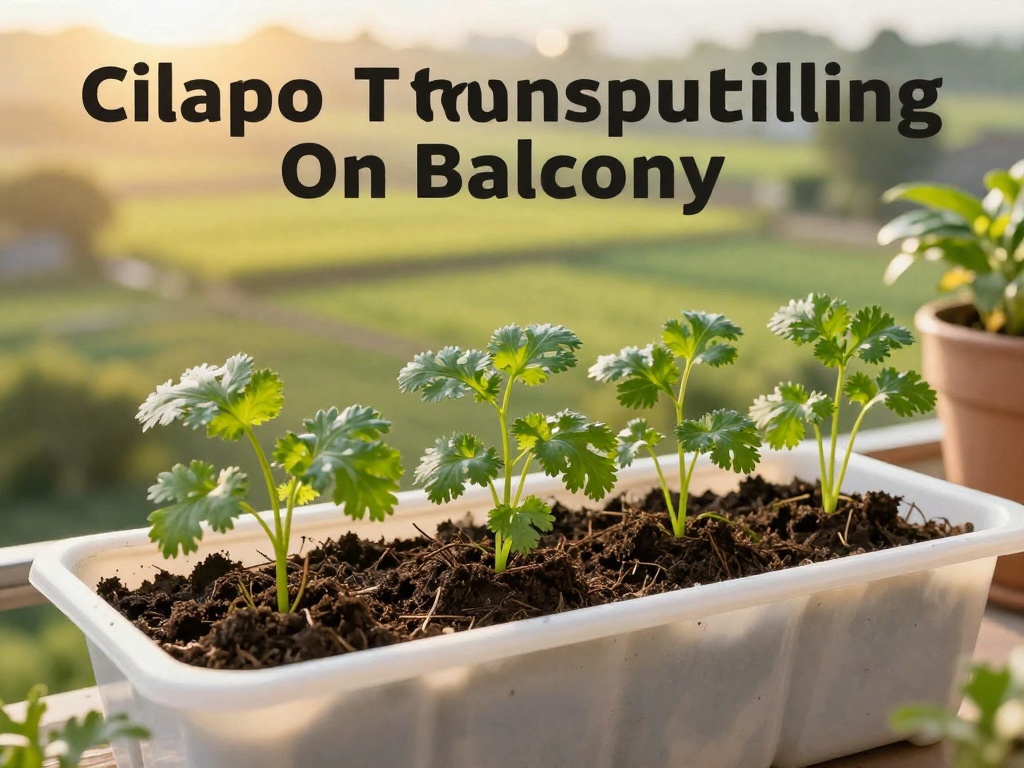
Cilantro Transplanting on Balcony: 2026 Step-by-Step Guide
Transplanting cilantro on your balcony can transform a small outdoor space into a productive herb garden. This complete guide walks you through every step of the process, from choosing the right seedlings to maintaining healthy plants in containers. Whether you are working with limited space or starting your first herb garden, this method works perfectly for urban gardeners in 2026.
Why Transplant Cilantro on a Balcony?
Balcony gardening has become increasingly popular among urban dwellers seeking fresh, organic herbs at their fingertips. Cilantro thrives in containers and responds well to transplanting when done correctly. Growing cilantro on a balcony saves money, reduces food waste through harvesting only what you need, and provides aromatic freshness to your outdoor living space throughout the growing season.
Benefits of Container-Based Cilantro Gardening
Container gardening offers unmatched flexibility for balcony spaces. You can move plants to optimize sunlight exposure, protect them from harsh weather, and easily manage soil quality. Cilantro in containers also experiences fewer pest problems compared to ground-level gardens, making organic growing methods much more achievable for beginners.
Understanding Cilantro's Growth Habits
Cilantro is a cool-season herb that prefers temperatures between 50°F and 85°F (10-29°C). It has a relatively short life cycle, typically bolting (producing flowers and seeds) within 60-90 days. Understanding this growth pattern is essential for successful transplanting and ongoing care on your balcony.
Best Time to Transplant Cilantro on Your Balcony
Timing your transplanting correctly significantly impacts your cilantro's success. Spring and fall provide ideal conditions for most climates, with temperatures falling within cilantro's preferred range. Summer heat causes stress and premature bolting, making those seasons less ideal for transplanting unless you live in a cooler region.
Seasonal Timing Guide for 2026
- Early Spring: Transplant 2-3 weeks before last expected frost date for best results
- Fall: Transplant 8-10 weeks before first expected frost for a extended harvest
- Winter: Only in mild climates or with protective coverings
- Summer: Avoid unless using shade cloth and microclimate management
Reading Your Local Climate Zone
Understanding your USDA hardiness zone helps determine optimal transplanting windows. Balcony gardens often experience more extreme temperatures than ground-level gardens due to reflected heat from walls and floors. Monitor your balcony temperature for at least one week before transplanting to ensure conditions match cilantro's needs.
Choosing Seedlings vs. Direct Seeding
Transplanting established seedlings offers several advantages over direct seeding, particularly for balcony gardeners with limited space. Seedlings provide a head start on growth, faster harvest times, and greater control over plant spacing. Purchasing starts from local nurseries or growing your own seedlings ensures genetic diversity and adaptation to your specific conditions.
Selecting Healthy Cilantro Seedlings
Choose seedlings with vibrant green leaves and sturdy stems. Avoid plants showing yellowing leaves, wilting, or signs of pest damage. Select younger plants rather than mature specimens, as younger seedlings adapt more readily to transplant shock. Look for seedlings with 4-6 true leaves and root systems that have not become root-bound in their nursery containers.
Essential Materials for Balcony Cilantro Transplanting
Having the right materials ready before beginning the transplanting process ensures smooth execution and reduces stress on your plants. Quality materials also contribute to long-term plant health and productivity.
Container Selection
- Minimum size: 6-8 inches deep and 6 inches wide per plant
- Material options: Terra cotta, plastic, ceramic, or fabric grow bags
- Drainage: Must have drainage holes to prevent waterlogging
- Group planting: Multiple plants can share wider containers (12+ inches)
Soil and Amendments
Use a high-quality potting mix specifically formulated for containers. Avoid garden soil, which compacts and drains poorly in containers. Mix in perlite or coarse sand to improve drainage and aeration. Adding compost provides slow-release nutrients that support healthy growth throughout the season.
Step-by-Step Cilantro Transplanting Process
Follow these exact steps for successful cilantro transplanting that minimizes root disturbance and promotes rapid establishment in your balcony containers.
Step 1: Prepare Your Container
Fill your chosen container with potting mix, leaving approximately 1 inch of space below the rim. Moisten the soil thoroughly and allow it to drain completely before proceeding. The soil should be damp but not waterlogged, creating optimal conditions for root establishment.
Step 2: Remove the Seedling
Gently squeeze the nursery pot to loosen the root ball. Support the base of the seedling with one hand while carefully sliding the plant free. Never pull cilantro by its stems, as this causes damage and increases transplant shock. Handle the root system with care during this process.
Step 3: Loosen Bound Roots
If the seedling's roots have circled the container (root-bound), gently tease them apart with your fingers. This encourages outward growth into the new soil rather than continuing in a circular pattern. Be gentle but thorough, working the outer inch of roots until they spread naturally.
Step 4: Create the Planting Hole
Make a hole in the center of your container's soil deep enough to accommodate the root ball. The planting depth should match the seedling's previous growing level—planting too deep stresses stems, while planting too shallow exposes roots to air and drying.
Step 5: Position and Backfill
Place the seedling in the hole and fill around the root ball with soil, pressing gently to eliminate air pockets. The soil level should reach the base of the first set of true leaves. Water immediately after backfilling to help soil settle and establish good root-to-soil contact.
Post-Transplant Care for Balcony Cilantro
Proper care immediately following transplanting determines whether your cilantro thrives or struggles. The first two weeks are critical for establishment and root development.
Watering Schedule
Water newly transplanted cilantro deeply every 2-3 days, adjusting based on temperature and wind exposure. Balcony containers dry out faster than ground-level gardens due to increased air circulation and reflected heat. Check soil moisture daily by inserting your finger one inch deep—water when the soil feels dry at that depth.
Sunlight Requirements
Cilantro prefers partial shade to full sun, requiring 4-6 hours of direct sunlight daily on most balconies. South-facing balconies may need afternoon shade protection during summer months. Observe your plants for signs of stress—wilting in afternoon heat often indicates insufficient water or excessive sun exposure.
Temperature Management
Maintain temperatures between 50-85°F (10-29°C) for optimal growth. Move containers to shadier spots during heat waves or bring them indoors temporarily during unexpected cold snaps. Balconies with reflective surfaces may require additional monitoring during peak summer temperatures.
Ongoing Maintenance for Maximum Yield
Regular maintenance keeps cilantro productive and extends the harvest period before bolting occurs. Consistent attention to plant needs rewards gardeners with abundant, flavorful harvests.
Fertilizing Container Cilantro
Feed cilantro with a balanced, water-soluble fertilizer diluted to half strength every 2-3 weeks during active growth. Organic options like fish emulsion or seaweed extract provide nutrients without synthetic chemicals. Avoid over-fertilizing, which promotes excessive leaf growth at the expense of flavor and accelerates bolting.
Harvesting Techniques
Begin harvesting outer leaves once plants have at least 6 inches of growth. Cut stems at the base using clean, sharp scissors or pruners. Regular harvesting encourages bushier growth and delays bolting by preventing the plant from reaching reproductive maturity.
Preventing and Managing Bolting
Cilantro naturally bolts when temperatures rise or day length increases. To delay bolting, keep plants well-watered, provide afternoon shade, and harvest frequently. When bolting begins, allow some plants to flower and set seed—you can collect coriander seeds while enjoying beneficial pollinator visits.
Common Problems and Solutions
Even well-maintained balcony cilantro occasionally faces challenges. Recognizing and addressing issues quickly prevents minor problems from becoming major setbacks.
Yellowing Leaves
Yellow leaves indicate overwatering, underwatering, or nutrient deficiency. Check soil moisture first and adjust watering accordingly. If soil conditions are correct, apply a nitrogen-rich fertilizer to address potential deficiency. Remove yellowing leaves to redirect plant energy toward healthy growth.
Leggy Growth
Insufficient light causes cilantro to stretch toward light sources, resulting in weak, leggy stems. Move containers to brighter locations or supplement with grow lights if your balcony receives less than 4 hours of direct sunlight. Pruning back leggy growth encourages denser, more compact form.
Pest Management
Common balcony pests affecting cilantro include aphids, spider mites, and whiteflies. Control small infestations by spraying plants with a strong stream of water or applying neem oil solution. Regular inspection catches problems early before populations explode and cause significant damage.
Success Tips for 2026 Balcony Cilantro Growing
Implement these proven strategies to maximize your success with cilantro transplanting on your balcony this year. Small adjustments in technique often produce dramatically better results.
- Succession planting: Transplant new seedlings every 3-4 weeks for continuous harvests
- Microclimate utilization: Use walls and floors strategically to moderate temperatures
- Companion grouping: Place cilantro near other herbs that share similar water and light needs
- Container rotation: Rotate containers quarterly to ensure even light exposure
- Season extension: Use cold frames or row covers to extend the growing season
FAQ: Cilantro Transplanting on Balcony
How long does cilantro take to establish after transplanting?
Cilantro typically establishes within 1-2 weeks after transplanting. During this period, focus on consistent watering and protection from extreme conditions. New growth appearing at the plant's center indicates successful establishment and transition to active growth.
Can I transplant cilantro from the grocery store?
Yes, but success rates vary significantly. Grocery store cilantro is often root-bound and may have been harvested multiple times. Transplant immediately, trim any damaged leaves, and provide extra care during establishment. Results are generally better with nursery-grown seedlings specifically intended for transplanting.
What size container is best for transplanting cilantro?
A minimum 6-inch pot works for single cilantro plants, but 8-12 inch containers produce better results. Wider containers (12+ inches) accommodate multiple plants and provide more stable soil moisture levels. Terra cotta offers excellent drainage but requires more frequent watering than plastic or ceramic options.
How often should I water transplanted cilantro on my balcony?
Water every 2-3 days during normal conditions, checking soil moisture with your finger before each watering. Hot, windy, or sunny conditions may require daily watering. Containers on upper balconies or near heat-reflecting surfaces typically need more frequent watering than those in shadier locations.
Why is my transplanted cilantro wilting?
Wilting usually indicates transplant shock, underwatering, or root damage during transplanting. Provide shade for the first few days, ensure consistent moisture without waterlogging, and avoid fertilizing until plants recover. Most wilting resolves within a week with proper care; persistent wilting may signal root rot requiring intervention.
How can I prevent cilantro from bolting too quickly after transplanting?
Delay bolting by maintaining consistent moisture, providing afternoon shade during warm months, harvesting leaves regularly, and avoiding root disturbance. Choosing bolt-resistant varieties and timing transplants for cooler seasons also extends the productive harvest period significantly.
No comments