
Pothos Raised Bed for Beginners: 2026 Complete Guide
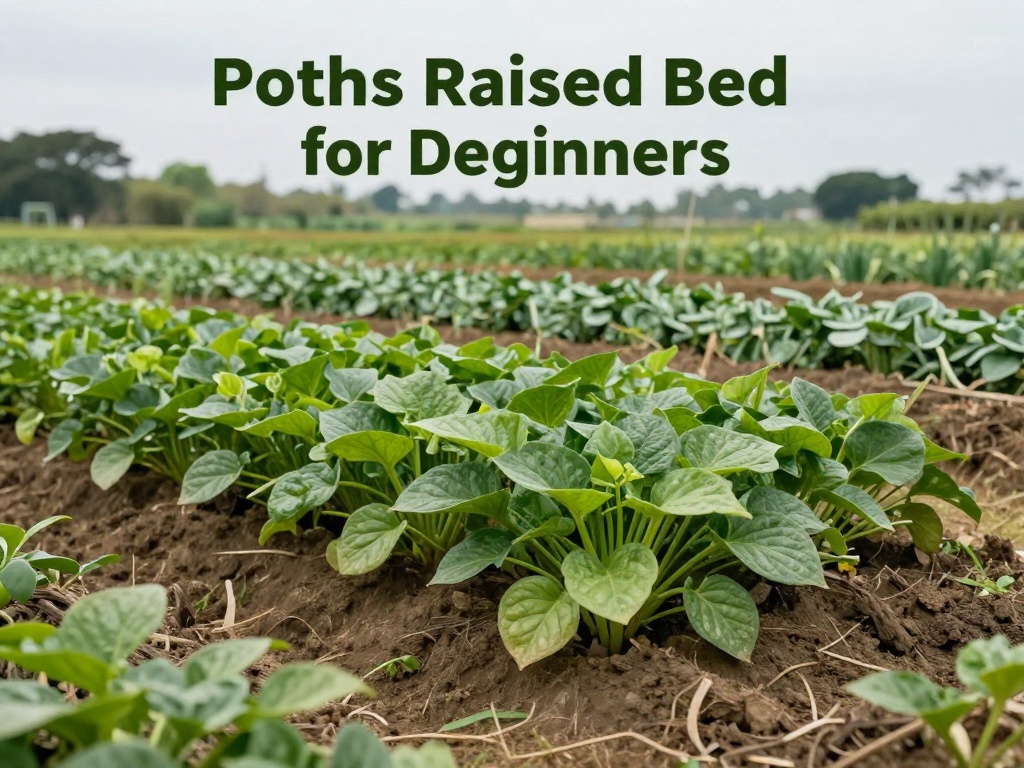
Pothos Raised Bed for Beginners: 2026 Complete Guide
Creating a pothos raised bed offers beginners an exciting way to grow one of the most forgiving and beautiful houseplants available. This comprehensive guide walks you through every step of establishing your first pothos raised bed, from selecting the right location to maintaining healthy growth throughout the seasons. Whether you have limited outdoor space or want to add greenery to your patio, a pothos raised bed provides versatility and visual appeal that transforms any area into a lush oasis.
Why Choose Pothos for Raised Bed Gardening
Pothos, also known as Epipremnum aureum, stands out as an ideal choice for raised bed beginners because of its remarkable adaptability and low maintenance requirements. This tropical vine thrives in various light conditions and tolerates occasional neglect, making it perfect for those just starting their gardening journey. The plant's cascading growth pattern creates stunning visual effects when grown in raised beds, spilling over edges with heart-shaped leaves in shades of green, gold, and marble.
Benefits of Growing Pothos in Raised Beds
- Excellent drainage prevents root rot and waterlogging issues
- Easier soil control allows customized growing medium
- Elevated position reduces pest access and弯腰 fatigue
- Better air circulation promotes healthier foliage
- Versatile placement options for indoor and outdoor settings
Essential Materials for Your Pothos Raised Bed
Before starting your pothos raised bed project, gather all necessary materials to ensure smooth installation and long-term success. The foundation of any successful raised bed begins with quality components that work together to create an optimal growing environment.
Choosing the Right Container
Select a raised bed or container that provides at least 8-12 inches of depth for adequate root development. Materials like cedar, redwood, or composite lumber offer natural resistance to decay and provide excellent insulation for roots. Ensure your container has sufficient drainage holes, adding more if water tends to pool after watering.
Soil Selection and Preparation
Pothos thrives in well-draining, nutrient-rich soil that mimics its natural tropical environment. Create an ideal growing medium by combining equal parts quality potting soil, perlite, and peat moss or coco coir. This mixture provides excellent drainage while retaining enough moisture for healthy root function. Avoid using garden soil alone, as it may compact too heavily and harbor pests or diseases.
Step-by-Step Planting Process
Proper planting technique significantly impacts how well your pothos establishes itself in its new raised bed home. Following these detailed steps ensures your plant gets the best possible start for vigorous growth.
Preparing Your Raised Bed
Begin by placing your raised bed in its permanent location, considering light requirements throughout the day. Pothos tolerates low light but grows best with bright, indirect illumination. Fill the container with your prepared soil mixture, leaving approximately 2 inches below the rim to allow for watering. Lightly firm the soil surface to eliminate major air pockets while maintaining adequate porosity.
Planting Your Pothos Cuttings or Starters
Position your pothos plants or cuttings at the same depth they grew in their previous containers. Space multiple plants approximately 6-8 inches apart to allow room for spreading growth. Gently backfill around the roots, pressing soil lightly to eliminate air pockets. Water thoroughly until moisture appears at the drainage openings, then allow the top inch of soil to dry before watering again.
Caring for Your Pothos Raised Bed
Ongoing maintenance keeps your pothos raised bed thriving through all seasons with minimal effort required from gardeners. Understanding basic care requirements helps prevent common problems and encourages lush, vigorous growth.
Watering Guidelines
Pothos prefers consistently moist soil but suffers quickly from waterlogged conditions. Water when the top 1-2 inches of soil feel dry to the touch, typically once weekly during moderate temperatures. Reduce watering frequency during winter months when growth slows and evaporation decreases. Always use room-temperature water and avoid letting water pool in saucers beneath the raised bed.
Fertilization Schedule
Feed your pothos raised bed monthly during the growing season using a balanced, water-soluble fertilizer diluted to half strength. Apply fertilizer only to moist soil to prevent root burn. Suspend feeding during fall and winter when the plant enters dormancy. Organic options like fish emulsion or compost tea work excellently for those preferring natural approaches.
Light and Temperature Requirements
Maintain temperatures between 60-85°F (15-29°C) for optimal pothos growth in your raised bed. Protect plants from cold drafts and direct afternoon sunlight, which can scorch leaves. Indoor pothos raised beds thrive near east or north-facing windows, while outdoor placements benefit from filtered light under patio covers or shade structures.
Common Mistakes to Avoid
Understanding typical pitfalls saves beginners time, money, and frustration when establishing their first pothos raised bed. These practical insights help you sidestep problems before they impact your plants.
- Overwatering causes yellowing leaves and root rot—always check soil moisture first
- Using poorly draining soil leads to compacted roots and stunted growth
- Placing in direct sunlight results in brown, crispy leaf edges
- Neglecting drainage holes creates waterlogging that kills plants quickly
- Over-fertilizing burns delicate roots and causes salt buildup
Troubleshooting Common Issues
Even with excellent care, occasional problems arise that require quick identification and corrective action. Recognizing symptoms early ensures your pothos recovers rapidly from setbacks.
Yellow Leaves
Yellowing foliage typically indicates overwatering or nutrient deficiency. Check soil moisture immediately and adjust your watering schedule accordingly. If soil remains wet, inspect roots for signs of rot and consider replacing with fresh, well-draining soil.
Brown Leaf Tips
Brown tips signal low humidity, underwatering, or fertilizer salt accumulation. Increase humidity through misting or pebble trays, improve watering consistency, and flush the soil thoroughly to remove mineral deposits.
Leggy or Sparse Growth
Insufficient light causes elongated stems with widely spaced leaves. Move your raised bed to a brighter location or supplement with grow lights designed for indoor plants. Pruning leggy vines encourages bushier, more compact growth.
Seasonal Care Tips for 2026
Adapting your care routine to seasonal changes ensures your pothos raised bed remains healthy year-round. These month-by-month guidelines help beginners anticipate and prepare for varying conditions.
Spring Preparation
Refresh the top layer of soil with compost or worm castings as growth resumes. Resume regular fertilization and increase watering as temperatures rise. Take cuttings for propagation during this active growth period for expanding your collection.
Summer Maintenance
Monitor soil moisture more frequently during hot months, as raised beds dry faster than in-ground plantings. Provide afternoon shade if temperatures exceed 90°F (32°C). Watch for signs of heat stress and increase watering accordingly.
Fall and Winter Care
Reduce watering and stop fertilizing as growth slows with shorter daylight hours. Move outdoor raised beds indoors or to protected areas before frost threatens. Maintain humidity levels indoors, as heating systems dry the air significantly.
Expanding Your Pothos Raised Bed Collection
Once your initial pothos raised bed thrives successfully, consider expanding your gardening adventure with additional varieties and companion plants. This tropical vine pairs beautifully with other low-maintenance specimens that share similar growing requirements.
Propagation Techniques
Pothos propagates effortlessly through stem cuttings, making it perfect for beginners wanting to multiply their plants. Take cuttings with 3-4 nodes each, removing the lowest leaves, and place in water or moist soil. Roots develop within 2-4 weeks, producing new plants ready for transplanting into additional raised beds or containers.
Companion Planting Ideas
Combine pothos with philodendrons, spider plants, or Boston ferns in larger raised beds for stunning mixed plantings. These companions share similar light and water requirements, simplifying care routines while creating lush, layered displays. Avoid mixing with succulents or cacti, as their water needs differ significantly.
FAQ
How often should I water my pothos raised bed?
Water your pothos raised bed when the top 1-2 inches of soil feel dry, typically once every 7-10 days depending on temperature and humidity. During summer, you may need to water twice weekly. Always check soil moisture before watering to prevent overwatering.
Can pothos survive winter in an outdoor raised bed?
Pothos is frost-sensitive and cannot survive temperatures below 50°F (10°C). Move outdoor raised beds indoors before frost, or protect plants with row covers and mulch in mild climates. Bringing plants inside during winter ensures survival and continued growth.
What is the best soil mix for pothos in raised beds?
The ideal soil mix combines equal parts quality potting soil, perlite, and peat moss or coco coir. This creates excellent drainage while retaining sufficient moisture. Adding compost provides slow-release nutrients that support healthy growth throughout the season.
How much does it cost to start a pothos raised bed for beginners?
Starting a basic pothos raised bed costs approximately $30-60 for materials, including the container, soil mix, and starter plant. Prices vary based on container material and size. Using recycled containers or propagating from cuttings significantly reduces initial investment.
How long does it take for pothos to establish in a new raised bed?
Pothos typically establishes within 4-6 weeks after planting, showing new growth as signs of successful adaptation. Full, lush coverage develops within 3-6 months under optimal conditions. Regular care and proper placement accelerate establishment and encourage vigorous growth.
Can I grow pothos raised bed vegetables alongside my plants?
While pothos thrives in raised beds, avoid growing it alongside edible plants because all parts contain calcium oxalate crystals that cause irritation if ingested. Reserve pothos raised beds for ornamental purposes and grow vegetables in separate beds to prevent accidental consumption, especially important in households with children or pets.
No comments