
2026 Guide to Onions Transplanting in Containers - Full Step by Step
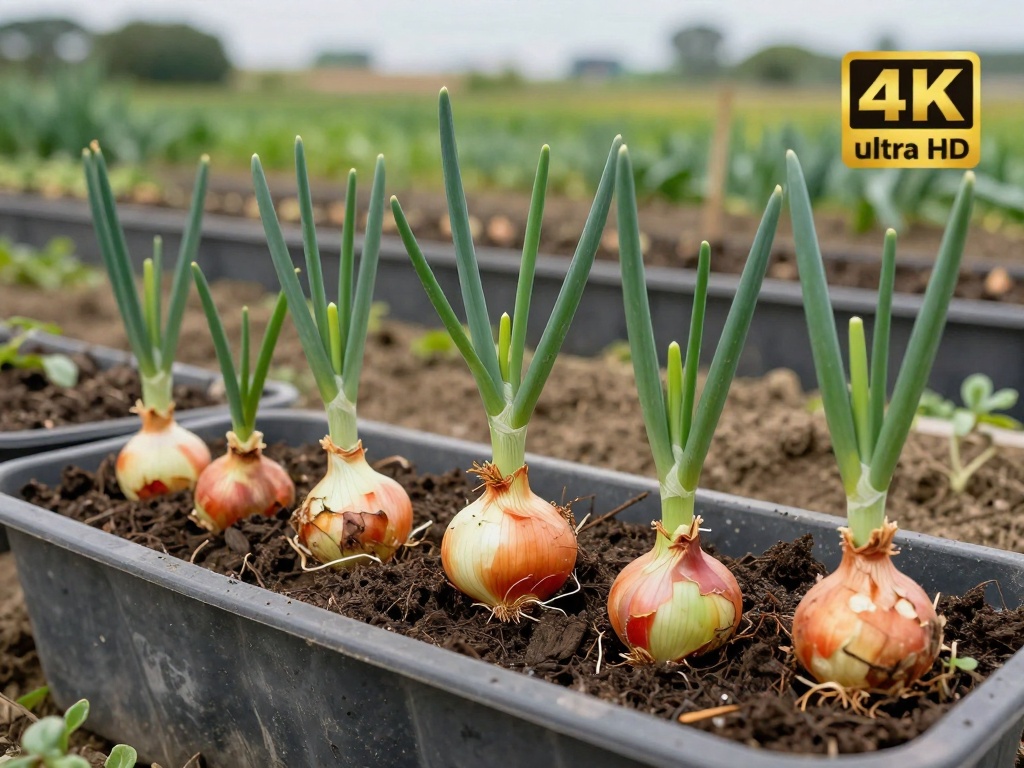
2026 Guide to Onions Transplanting in Containers - Full Step by Step
Onions transplanting in containers offers an incredible solution for gardeners with limited space who still want to enjoy a bountiful harvest. Whether you live in an apartment with a small balcony or simply prefer the flexibility of container gardening, growing onions in pots is entirely achievable with the right techniques. This comprehensive guide walks you through every step of the transplanting process, from selecting the perfect container to harvesting your homegrown onions for maximum yield.
Why Choose Container Gardening for Onions?
Container gardening has revolutionized how urban dwellers and space-limited gardeners approach vegetable cultivation. When it comes to onions transplanting in containers, you gain remarkable control over soil quality, moisture levels, and sunlight exposure. Traditional garden beds can harbor soil-borne diseases, but containers allow you to start with pristine, sterile growing medium every season.
Containers also solve the challenge of poor native soil. If your backyard has heavy clay or sandy conditions, transplanting onions into quality potting mix ensures optimal root development from day one. This method works equally well for beginners learning the basics and experienced growers seeking consistent results.
Benefits of Growing Onions in Containers
- Complete control over soil composition and drainage
- Portability to optimize sunlight exposure throughout the season
- Reduced risk of soil-borne diseases and pest infestations
- Ideal solution for apartment balconies, patios, and small spaces
- Earlier planting in spring and extended growing season potential
Choosing the Right Container for Onion Transplants
Successful onions transplanting begins with selecting an appropriate growing vessel. Onions develop moderate root systems, so containers need adequate depth without being excessively large. A container with at least 6 inches of depth allows proper bulb formation, while 8-10 inches provides even better results for most onion varieties.
Width matters equally for maximum yield. A standard window box measuring 24 inches long can accommodate 4-5 onion plants comfortably. For individual containers, aim for at least 6 inches in diameter per plant. Always ensure your chosen containers have sufficient drainage holes—onions despise waterlogged conditions and quickly develop rot in standing water.
Best Container Materials for Onion Gardening
Terra cotta pots offer excellent breathability and natural moisture regulation, though they dry out faster than plastic alternatives. Fabric grow bags have gained tremendous popularity for onions transplanting because their breathable construction prevents overwatering while encouraging air pruning of roots. Plastic containers retain moisture longer and work well in hot climates where frequent watering becomes challenging.
Selecting Onion Varieties for Container Growing
Not all onion varieties perform equally well in containers. Short-day onions suit gardeners in southern regions pursuing transplants started in fall or early winter. Long-day varieties thrive in northern climates where summer daylight extends beyond 14 hours. Day-neutral onions offer the most flexibility, producing reliably regardless of your geographic location.
Consider your culinary preferences when selecting varieties. Sweet onions like Vidalia and Walla Walla produce large, mild bulbs perfect for fresh eating. Storage onions such as Yellow Granex and Copra tolerate longer curing periods and keep well through winter months. Green onions and scallion varieties require minimal space and mature rapidly, making them ideal for beginners seeking quick wins.
Recommended Onion Varieties for Containers
- White Lisbon - Classic scallion variety, matures in 60-65 days
- Red Baron - Beautiful red onions with excellent flavor
- Sweet Exhibition - Large bulbs perfect for fresh eating
- Candy Hybrid - Day-neutral variety adaptable to most regions
- Evergreen Hardy White - Cold-hardy scallion for extended harvests
Preparing Seedlings for Transplanting
Healthy transplants form the foundation of successful container onion cultivation. Whether you started your own seeds or purchased seedlings from a nursery, proper hardening off remains essential before transplanting. Begin this process 7-10 days before your planned transplant date by gradually exposing seedlings to outdoor conditions.
Start with just 1-2 hours of outdoor time in a sheltered location, increasing duration and sun exposure daily. This gradual acclimation strengthens cell walls, reduces transplant shock, and prepares seedlings for their permanent container home. Seedlings should display 3-4 true leaves and have stems roughly pencil-thickness before transplanting commences.
Signs of Ready-to-Transplant Seedlings
- Presence of 3-4 fully developed true leaves (not just seed leaves)
- Stems approximately 1/4 to 1/3 inch in diameter
- Healthy white or cream-colored roots visible at container edges
- Vigorous green top growth without yellowing or wilting
- Sturdy, upright posture rather than floppy or leggy growth
Step-by-Step Onion Transplanting Process
Timing your onions transplanting correctly dramatically impacts your success. Transplant in early morning or late afternoon to avoid midday sun stress. Water your seedlings thoroughly 2-3 hours before transplanting to ensure hydrated, firm root balls that hold together during the move.
Step 1: Prepare Your Growing Medium
Fill your container with a high-quality potting mix designed for vegetables. Avoid garden soil, which compacts heavily in containers and may harbor pathogens. Mix in slow-release fertilizer according to package directions, or incorporate compost at approximately 20% volume for organic matter. The growing medium should be lightly moist but not saturated.
Step 2: Create Planting Holes
Using your finger or a small dibber, create holes spaced 4-6 inches apart depending on your intended harvest size. Smaller间距 produces numerous smaller bulbs, while wider spacing encourages fewer but larger onions. Holes should be deep enough to accommodate the entire root system without crowding or bending.
Step 3: Position and Plant Seedlings
Gently remove each seedling from its cell or pot, handling by the leaves rather than the delicate stem. Place the transplant in the hole at the same depth it grew previously—never plant onions deeper than their original growing position. Lightly firm the soil around each plant, ensuring good root-to-soil contact without excessive compaction.
Step 4: Water Thoroughly After Transplanting
Water each container immediately after transplanting, applying enough to saturate the root zone completely. This initial watering settles soil around roots and eliminates air pockets. Continue with consistent watering every 2-3 days for the first two weeks, then transition to your regular watering schedule based on container size, weather conditions, and your specific variety.
Caring for Container-Grown Onions After Transplanting
Post-transplant care determines whether your onions thrive or merely survive. Consistent moisture proves critical during the initial establishment period, as stressed seedlings become susceptible to disease and pest pressure. Once established, onions prefer steady, moderate water availability rather than alternating wet and dry conditions.
Fertilization supports vigorous growth without encouraging excessive top growth at the expense of bulb development. Apply balanced liquid fertilizer diluted to half strength every 2-3 weeks during active growth. Reduce nitrogen applications as bulbs begin to size up, shifting toward lower-nitrogen formulations that encourage maturation rather than continued leafy growth.
Common Post-Transplant Challenges
- Transplant shock - Wilting and yellowing typically resolve within a week with proper care
- Leggy growth - Insufficient light causes weak, stretched seedlings
- Slow establishment - Cold soil temperatures delay root development
- Nutrient deficiency - Yellow lower leaves often indicate nitrogen depletion
Optimal Growing Conditions for Container Onions
Onions demand full sun exposure for maximum yield—at least 6-8 hours of direct sunlight daily. Position containers where morning sun reaches plants early, as this spectrum promotes compact, sturdy growth. Rotating containers weekly ensures even light distribution and prevents plants from leaning toward light sources.
Temperature preferences vary by variety, but most onions perform best between 55-75°F. Container mobility allows you to move plants indoors during unexpected frosts or excessive heat. This flexibility proves particularly valuable for spring and fall growing seasons when weather proves unpredictable.
Managing Sunlight and Temperature
During intense summer heat, containers may require afternoon shade to prevent overheating of root systems. Mulching the soil surface with 2 inches of straw or shredded bark conserves moisture and moderates soil temperature. In extremely hot climates, light-colored containers reflect more heat than dark alternatives.
When and How to Harvest Container-Grown Onions
Most onion varieties reach harvest maturity 90-120 days after transplanting, depending on variety and growing conditions. Indicators of readiness include yellowing and falling tops, visible bulb shoulders above soil level, and firm, well-sized bulbs. For fresh eating, harvest any time once bulbs reach edible size.
Pull onions carefully, loosening soil with a trowel if necessary to prevent stem damage. Cure harvested onions by spreading them in a dry, well-ventilated location out of direct sunlight for 2-3 weeks. Proper curing toughens outer skins and prepares onions for extended storage, though container-grown onions often get consumed before storage becomes necessary.
Frequently Asked Questions
Can I transplant store-bought onion sets into containers?
Yes, onion sets work excellently for container growing and offer a head start over direct seeding. Select firm, unblemished sets and transplant them at the same depth they grew in their packaging. Sets often produce faster results than seed-started transplants, making them ideal for beginners seeking quick harvests in containers.
What happens if I plant onion seedlings too deeply?
Planting onions deeper than their original growing depth causes delayed development and potentially malformed bulbs. The onion bulb forms at the soil surface where light exposure influences its development. Shallow planting ensures proper bulb formation, while deep planting often results in small, elongated, or partially buried onions that prove difficult to harvest.
How often should I water onions in containers?
Container-grown onions typically require watering every 1-2 days during warm weather, with frequency depending on container material, size, and ambient conditions. Check soil moisture by inserting your finger 1-2 inches deep—water when the growing medium feels dry at that depth. Consistent moisture produces even, well-formed bulbs, while drought stress causes smaller harvests.
What common mistakes should beginners avoid when transplanting onions?
Beginners often underwater or overwater their container onions, plant too deeply, neglect fertilization, or choose undersized containers. Crowding plants too closely reduces bulb size, while selecting varieties unsuitable for your climate limits success. Starting with quality seedlings, appropriate containers, and consistent care prevents these common errors.
Can I grow green onions from transplanting in containers?
Absolutely—scallions and green onions thrive in containers and provide harvests within weeks of transplanting. Simply space transplants 2-3 inches apart and harvest green tops as needed without waiting for bulb formation. Continuous harvesting encourages regrowth, extending your harvest period throughout the growing season from a single container planting.
When is the best time of year for onions transplanting in containers?
Timing depends on your climate zone and chosen variety. In most regions, transplant onions 4-6 weeks before the last expected frost for spring growing. Short-day varieties suit fall planting in southern zones (zones 8-9), while northern gardeners should transplant long-day varieties in early spring once soil temperatures reach 50°F consistently.
How much harvest can I expect from container-grown onions?
A single mature onion bulb typically weighs 6-10 ounces when grown in optimal conditions, though container size and variety influence results. Four to five onion plants in a standard window box can yield 2-3 pounds of harvestable onions. While containers won't match field production volumes, they provide meaningful harvests for small-space gardeners seeking fresh, homegrown produce.
No comments