
How to Grow Peppers in Shade: 2026 Complete Growing Guide
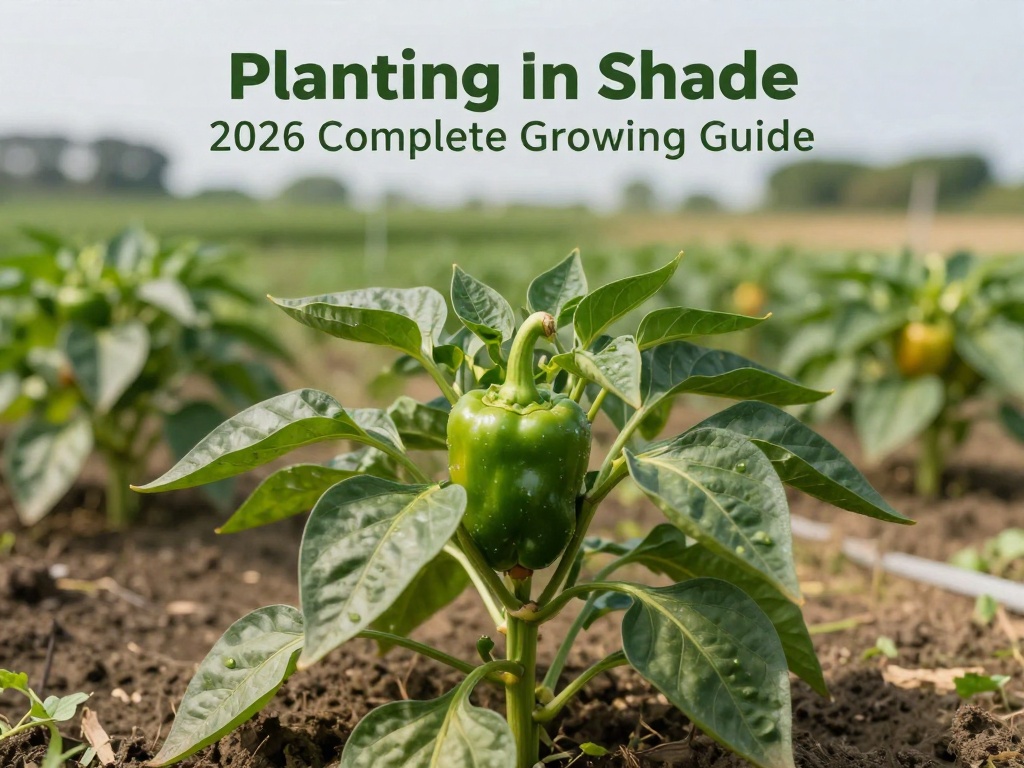
How to Grow Peppers in Shade: 2026 Complete Growing Guide
Many gardeners believe peppers need full sun to flourish, but this isn't entirely true. Peppers planting in shade can produce excellent yields with the right techniques and variety selection. This 2026 guide reveals everything you need to know about growing delicious peppers in partially shaded gardens.
Understanding Pepper Light Requirements
Peppers actually benefit from some protection from intense afternoon sun. While they need at least 4-6 hours of direct sunlight, partial shade can prevent sunscald and reduce heat stress during hot summers. Understanding this balance is crucial for successful shade gardening with peppers.
Minimum Light Needs for Peppers
Most pepper varieties require 4-6 hours of sunlight daily for optimal growth. However, some shade-tolerant varieties can produce with as little as 3-4 hours. The key is choosing the right cultivars and managing their environment carefully throughout the growing season.
Signs Your Peppers Need More Light
Watch for leggy growth, pale leaves, and reduced flowering. Peppers stretching toward light sources indicate insufficient sunlight. If your plants produce lush foliage but few fruits, they likely need more light exposure to support proper blossoming and fruit development.
Best Pepper Varieties for Shade Gardens
Not all peppers respond equally to reduced light conditions. Selecting shade-tolerant varieties dramatically improves your chances of success when peppers planting in shade.
Sweet Pepper Varieties
- King of the North – Exceptionally cold-tolerant and handles less sun admirably
- California Wonder – Classic variety adapts well to partial shade
- Jimmy Nardello – Heirloom variety known for shade tolerance
- Lipstick Peppers – Compact plants produce well in limited light
Hot Pepper Varieties
- Shishito – Japanese variety thrives with morning sun and afternoon shade
- Padron – Spanish pepper handles cooler, shadier conditions
- Aji Amarillo – South American variety tolerates partial shade
- Poblano – Large peppers adapt to various light conditions
Step-by-Step: Peppers Planting in Shade
Follow this comprehensive method for planting peppers in shaded garden areas.
Preparing Your Shaded Planting Area
Start by testing your site's light conditions. Observe the area throughout the day, noting which hours receive direct sun. Morning sun is gentler and often better than harsh afternoon exposure. Clear any debris and amend soil with aged compost to ensure excellent drainage and nutrient availability.
Timing Your Planting
Wait until soil temperatures reach at least 65°F (18°C) before transplanting. In shade gardens, soil often stays cooler longer, so consider using black plastic mulch or raised beds to warm the earth more quickly. Plant after all frost danger passes for your region.
Proper Spacing and Depth
Space pepper plants 18-24 inches apart in rows 24-36 inches apart. Plant at the same depth they grew in their containers—never bury the stem deeper than the original soil line. This prevents stem rot while allowing proper root development.
Maximizing Growth in Partial Shade
Several techniques help peppers thrive despite reduced sunlight exposure.
Container Gardening Advantages
Growing peppers in containers allows you to move plants to capture available light as it shifts throughout the season. Use large containers (minimum 5 gallons) with quality potting mix. This approach works exceptionally well for balcony gardens and small spaces with limited sun exposure.
Vertical Trellising
Train pepper plants upright using stakes or cages. Vertical growth exposes more foliage to available light and improves air circulation. This reduces disease pressure and helps the plant utilize every photon of available sunlight efficiently.
Strategic Pruning
Remove lower leaves and any growth blocking light to inner foliage. Open the plant's center to maximize light penetration. However, avoid aggressive pruning—pepper plants need adequate leaf surface for photosynthesis to produce energy for fruit development.
Soil and Nutrition for Shaded Peppers
Shade-grown peppers often need adjusted nutrition compared to full-sun plants.
Optimal Soil Conditions
Peppers prefer well-draining, slightly acidic soil with a pH between 6.0 and 6.8. Rich organic matter supports beneficial soil organisms and improves nutrient availability. Add 2-3 inches of compost annually to maintain soil fertility without overfeeding.
Balanced Fertilization
Avoid high-nitrogen fertilizers which promote leafy growth over fruit production. Instead, use a balanced fertilizer (10-10-10) or one slightly higher in phosphorus and potassium. Too much nitrogen results in beautiful plants with few peppers when growing in shade.
Watering Considerations for Shade Gardens
Shaded areas typically retain moisture longer than full-sun locations, so adjust watering accordingly.
Check soil moisture before watering by inserting your finger 1-2 inches deep. Water deeply but less frequently to encourage deep root development. Overwatering in shade leads to root rot and fungal diseases—common problems when peppers planting in shade areas with poor air circulation.
Common Mistakes to Avoid
Many gardeners make errors when first attempting to grow peppers in partial shade.
- Choosing wrong varieties – Some peppers absolutely require full sun; avoid these in shade gardens
- Overcrowding – Plants compete for limited light; proper spacing is essential
- Neglecting air circulation – Shaded areas stay damp longer, increasing disease risk
- Impatient expectations – Shade-grown peppers may mature 1-2 weeks later than full-sun plants
- Wrong location selection – Deep shade under trees rarely works; filtered light is ideal
Harvesting Shade-Grown Peppers
Expect slightly smaller fruits and delayed maturity when peppers planting in shade. Harvest peppers at their peak ripeness for best flavor. Most sweet peppers mature from green to their final color—this color change indicates maximum nutritional content and sweetness.
Regular harvesting encourages continued production. Check plants every 2-3 days during peak season. Use sharp scissors or pruners to cut peppers from the plant, leaving a short stem attached.
Frequently Asked Questions
Can peppers grow in complete shade?
No, peppers cannot grow in complete shade. They need at least 3-4 hours of direct sunlight daily. Complete shade results in weak, leggy plants that produce little to no fruit. Choose locations with partial shade rather than full shade for successful pepper cultivation.
How many hours of sun do peppers need?
Most pepper varieties need 6-8 hours of direct sun for maximum production. However, shade-tolerant varieties can produce well with just 4-6 hours. Morning sun with afternoon shade often works better than the reverse due to lower afternoon temperatures.
What happens to peppers planted in too much shade?
Peppers in excessive shade become leggy and pale, stretching toward available light. They produce few flowers and fruits, and existing fruits may be small and slow to ripen. The plants also become more susceptible to fungal diseases due to poor air circulation and prolonged leaf wetness.
Can I grow peppers on a north-facing balcony?
North-facing locations receive the least direct sun in the northern hemisphere and are challenging for peppers. However, you can succeed with shade-tolerant varieties in containers, using reflective surfaces to increase light availability, and selecting the brightest spot possible.
How long does it take to grow peppers in shade?
Peppers typically require 60-90 days from transplanting to harvest, depending on variety. Shade-grown peppers often take an additional 7-14 days to mature due to reduced light for photosynthesis. Start seeds indoors 8-10 weeks before your last frost date to compensate for slower outdoor growth.
Should I use grow lights for peppers in shade?
Supplemental lighting can significantly improve results when peppers planting in shade. LED grow lights provide efficient supplemental illumination for 4-6 hours daily. Position lights 12-18 inches above plants and use a timer to maintain consistent 12-14 hour "daylight" periods.
No comments