
2026 Guide to Herb Raised Bed on Balcony: Start Growing
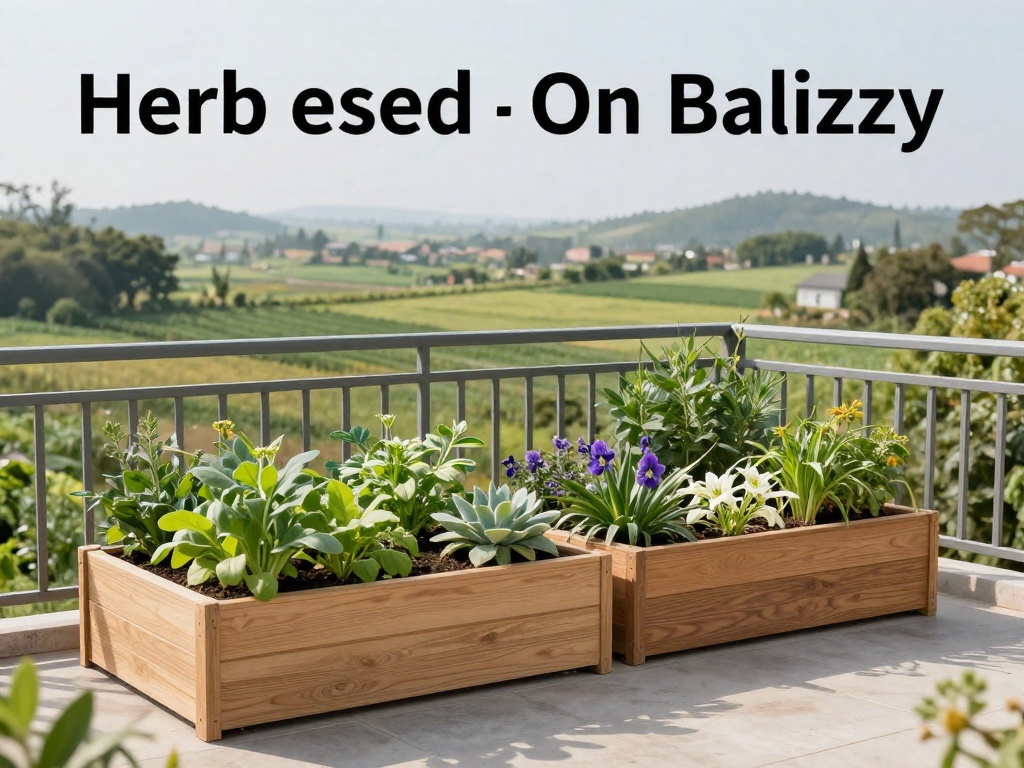
2026 Guide to Herb Raised Bed on Balcony: Start Growing
Starting an herb raised bed on your balcony is one of the most rewarding decisions you can make for fresh, organic cooking ingredients right at your fingertips. Whether you have a sprawling apartment balcony or a compact urban space, growing herbs in raised beds offers unmatched convenience, better soil control, and a beautiful green aesthetic. This comprehensive guide walks you through everything you need to know to launch your balcony herb garden successfully in 2026.
Why Choose a Raised Bed for Balcony Herb Gardening
Herb raised beds provide numerous advantages over traditional containers. The elevated design promotes superior drainage, which is essential for preventing root rot in Mediterranean herbs like rosemary and thyme. Raised beds also allow you to control soil quality completely, filling them with nutrient-rich organic matter tailored specifically for herb cultivation. Additionally, the contained environment reduces weed competition and makes pest management simpler for urban gardeners.
Space Efficiency Benefits
Balcony spaces require smart solutions, and raised beds maximize vertical and horizontal growing area efficiently. You can position them against walls, in corners, or as focal points without worrying about extensive ground preparation. This makes them perfect for renters who need portable gardening solutions that won't damage permanent structures.
Soil Control and Quality
Commercial potting mixes often lack the specific nutrients herbs need for optimal growth. With a herb raised bed on balcony setups, you create a custom soil blend combining compost, perlite, coconut coir, and organic fertilizers. This tailored approach results in healthier plants with more intense flavors compared to store-bought herbs.
Essential Materials for Your Balcony Herb Raised Bed
Gathering the right materials ensures your raised bed garden thrives throughout the growing season. Quality components may require initial investment, but they pay dividends through years of productive harvests.
Choosing the Right Container
Select cedar or redwood beds for natural rot resistance, or opt for food-safe plastic or metal designs if weight is a concern. The ideal depth for herb cultivation ranges between 6 to 12 inches, allowing adequate root development for most culinary herbs. Ensure your chosen bed has proper drainage holes to prevent waterlogging.
Soil Mix Requirements
Create a well-draining soil blend using equal parts garden compost, quality potting soil, perlite, and coarse sand. This combination provides excellent aeration while retaining sufficient moisture for herb roots. Add a handful of organic slow-release fertilizer to support initial growth during the first season.
Best Herbs for Balcony Raised Bed Cultivation
Selecting appropriate herbs for your climate and cooking preferences determines your garden's success. Focus on varieties known for thriving in container and raised bed environments.
Beginner-Friendly Culinary Herbs
Basil, parsley, cilantro, and chives are excellent choices for first-time growers. These herbs adapt well to various light conditions and forgive occasional watering inconsistencies. They provide abundant harvests for fresh garnishes, sauces, and seasoning throughout the season.
Mediterranean Varieties
Rosemary, thyme, oregano, and sage prefer slightly drier conditions and alkaline soil, making them perfect companions in mixed herb beds. These perennial varieties return year after year with proper winter protection, offering long-term value for balcony gardeners.
Step-by-Step Setup for Your Herb Raised Bed
Proper installation prevents future problems and creates optimal growing conditions from day one. Follow these systematic steps for a successful balcony herb garden.
Location Assessment
Observe your balcony's sun exposure throughout the day. Most culinary herbs require minimum 6 hours of direct sunlight for robust growth. South-facing balconies offer ideal conditions, while east or west-facing spaces accommodate shade-tolerant varieties successfully.
Assembly and Positioning
Assemble your raised bed according to manufacturer instructions, ensuring all joints are secure. Place the bed in your chosen location before filling with soil, as filled beds become extremely heavy and difficult to move. Position near a water source for convenient irrigation.
Filling and Planting
Fill your bed with the prepared soil mix, leaving approximately one inch below the rim. Moisten the soil thoroughly before planting to eliminate air pockets. Space herbs according to their mature sizes, placing taller varieties like rosemary at the back and spreading herbs like oregano toward the front.
Ongoing Care and Maintenance
Consistent care routines keep your balcony herb garden producing abundantly through multiple harvests. Understanding basic maintenance requirements prevents common growing mistakes.
Watering Best Practices
Check soil moisture daily during hot summer months, typically requiring watering every one to two days. Insert your finger two inches deep; water only when the soil feels dry at this depth. Morning watering allows foliage to dry before evening, reducing fungal disease risks.
Fertilization Schedule
Feed herbs every four weeks during the growing season using diluted organic liquid fertilizer. Avoid over-fertilizing, which produces lush foliage with diminished flavor concentration. Compost top-dressing monthly provides steady nutrition without the risk of fertilizer burn.
Seasonal Considerations for 2026
Adapting your gardening practices to seasonal changes ensures year-round success with your balcony herb raised bed. Each season brings unique challenges and opportunities.
Spring Planting Timeline
Begin hardening off transplants in late March for temperate climates, moving them outside for increasing periods daily. Direct sow quick-growing herbs like radishes and lettuce between perennial herb plants to maximize harvest diversity during transition months.
Summer Heat Management
Position shade cloth over sensitive herbs during extreme heat waves exceeding 90°F. Increase watering frequency during prolonged hot spells, potentially adding self-watering reservoir systems beneath raised beds. Harvest regularly to encourage bushy, productive growth.
Fall and Winter Strategies
Transition cold-hardy herbs like parsley and chives into winter production by moving the entire raised bed closer to the building wall for radiated warmth. Consider portable raised beds on casters that can move indoors during frost warnings, extending your harvest season significantly.
Common Mistakes to Avoid
Learning from typical errors saves time, money, and frustration for new balcony herb gardeners. Awareness of these pitfalls helps you sidestep costly setbacks.
Overcrowding Issues
Resist the temptation to plant herbs too densely, even in limited spaces. Crowded plants compete for light, nutrients, and airflow, resulting in weak growth and increased disease susceptibility. Research mature plant sizes and space accordingly from the beginning.
Drainage Neglect
Poor drainage causes more balcony herb failures than any other factor. Ensure your raised bed has adequate holes and consider adding a layer of gravel beneath the soil. Elevate the bed slightly using pot feet to prevent drainage holes from clogging against flat surfaces.
Harvesting and Preserving Your Herb Bounty
Proper harvesting techniques encourage continued production while preserving methods capture excess growth for winter use. Strategic harvesting extends your garden's productivity significantly.
Harvesting Techniques
Harvest herbs in the morning after dew evaporates but before heat concentrates essential oils. Cut no more than one-third of each plant at once, taking stems from different areas to maintain balanced growth. Regular harvesting prevents flowering and encourages fresh, tender growth.
Simple Preservation Methods
Dry excess herbs by bundling stems and hanging in a warm, dry location. Freeze chopped herbs in ice cube trays with olive oil for convenient cooking portions. Create herb-infused vinegars and oils as elegant homemade gifts from your balcony garden.
FAQ
What herbs grow best in a small balcony raised bed?
Basil, parsley, chives, thyme, and mint perform exceptionally well in compact balcony raised beds. These varieties adapt to container growing and provide continuous harvests throughout the season with minimal maintenance requirements.
How deep should a raised bed be for herb gardening?
Most culinary herbs thrive in beds with 6 to 12 inches of soil depth. Shallow-rooted herbs like basil and cilantro need only 6 inches, while deeper-rooted varieties like rosemary and sage prefer 10 to 12 inches for optimal development.
Can I grow herbs year-round on my balcony?
Year-round production depends on your climate zone and available protection. Cold-hardy herbs like parsley and rosemary continue producing through mild winters, while portable raised beds allow relocation indoors during harsh conditions for extended harvests.
How much does it cost to start a balcony herb raised bed?
Starting costs range from $50 to $200 depending on bed materials and size. Cedar raised beds, quality soil mix, and initial herb plants represent the primary expenses. Ongoing costs are minimal, primarily comprising occasional fertilizer and replacement plants.
What is the easiest method for beginners starting herb gardening?
Begin with nursery-grown transplants rather than seeds for faster, more reliable results. Start with two or three easy varieties like basil, parsley, and chives, expanding as you gain confidence and understand your balcony's specific growing conditions.
How often should I water herbs in a balcony raised bed?
Water frequency depends on weather, plant size, and soil composition, typically ranging from daily in hot summer months to every three days in moderate conditions. Check soil moisture with your finger and water when the top two inches feel dry.
No comments