
Potatoes Care for Beginners: 2026 Complete Growing Guide
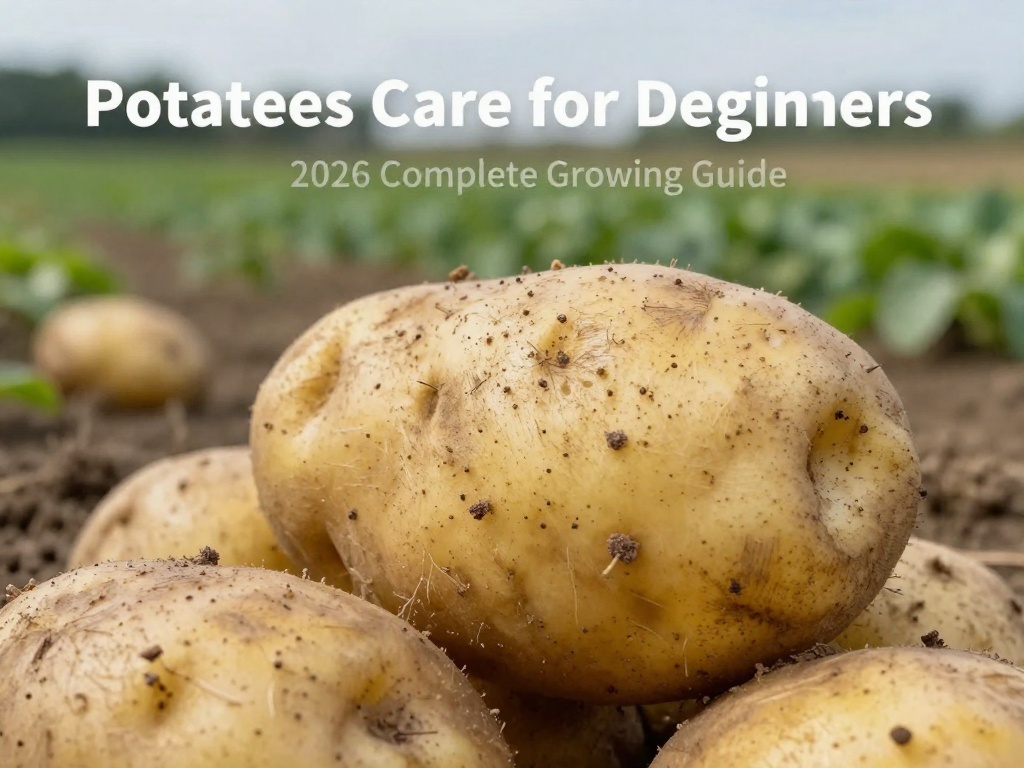
Potatoes Care for Beginners: 2026 Complete Growing Guide
Growing potatoes at home is one of the most rewarding experiences for beginners in vegetable gardening. Whether you have a spacious backyard or limited space in containers on your balcony, potatoes care for beginners starts with understanding the fundamentals of planting, nurturing, and harvesting this versatile crop.
This comprehensive guide walks you through everything you need to know about potato plant care in 2026, from selecting the right seed potatoes to enjoying a plentiful harvest. Potatoes are naturally rich in vitamins and minerals, making them an excellent addition to any garden. With proper attention and care, even novice gardeners can successfully grow healthy potato plants that produce delicious tubers.
Understanding Potato Plant Basics
Before diving into potatoes care for beginners, it helps to understand how potato plants grow. Potatoes grow underground from seed potatoes planted in soil, producing stems and leaves above ground while developing tubers beneath the surface. The plants belong to the nightshade family and require specific conditions to thrive.
Types of Potatoes for Beginners
Choosing the right potato variety makes a significant difference in your gardening success. Different varieties offer varying characteristics in taste, texture, and growing requirements.
- Yukon Gold: A popular choice known for its golden flesh and buttery flavor, ideal for mashing and roasting
- Red Potatoes: Perfect for boiling and salads, with thin skin and smooth texture
- Russet Burbank: The classic baking potato with russet skin and starchy interior
- Fingerlings: Small, elongated potatoes perfect for roasting and gourmet dishes
Step-by-Step Potato Planting Process
Proper planting sets the foundation for successful potatoes care for beginners. Timing and technique matter significantly when establishing your potato patch.
When to Plant Potatoes
Potatoes thrive in cool weather with soil temperatures between 50-70°F (10-21°C). In most regions, planting occurs 2-4 weeks before the last expected frost in spring. This timing allows the plants to grow during moderate temperatures before summer heat arrives.
Preparing Seed Potatoes
Before planting, cut seed potatoes into pieces ensuring each piece has at least 2-3 "eyes" or buds. Allow cut pieces to cure for 24-48 hours in a cool, dry location. This curing process helps prevent rotting and promotes stronger sprouting when planted.
Planting Depth and Spacing
Plant potato pieces 4 inches deep with spacing of 12-15 inches between plants in rows spaced 3 feet apart. Place pieces with eyes facing upward for optimal growth. In containers or raised beds, maintain similar spacing guidelines while adjusting for available space.
Essential Potato Care Techniques
Ongoing potatoes care for beginners focuses on three primary areas: watering, fertilizing, and hilling. These practices directly influence plant health and tuber development.
Watering Your Potato Plants
Consistent moisture is crucial for healthy potato growth. Provide 1-2 inches of water weekly, adjusting during hot weather to prevent drought stress. Uneven watering leads to cracked or deformed tubers, so maintain regular irrigation schedules.
Water deeply at the soil level rather than overhead to prevent disease issues. Morning watering gives foliage time to dry before evening, reducing fungal problems. Drip irrigation or soaker hoses work excellently for potato patches.
Fertilizing for Maximum Yield
Potatoes require balanced nutrition for vigorous growth. Apply a balanced fertilizer (10-10-10) at planting time, then side-dress with nitrogen when plants reach 6-8 inches tall. Avoid over-fertilizing, as excessive nitrogen promotes foliage growth at the expense of tuber development.
Organic options like composted manure, fish emulsion, or aged compost provide excellent nutrition without chemical buildup. Work amendments into soil before planting for best results in your potato care routine.
Hilling: Critical for Potato Development
Hilling is perhaps the most important technique in potatoes care for beginners. As plants grow, mound soil around the base of stems to cover emerging tubers. This prevents solanine production (which makes potatoes green and toxic) and encourages additional tuber formation.
Begin hilling when plants reach 6 inches tall, adding soil to cover half the stem. Repeat every 2-3 weeks as plants continue growing, ultimately building hills 8-12 inches high. In containers, simply add soil mix as plants develop.
Common Problems and Solutions
Understanding potential issues helps beginners address problems quickly. Most potato problems stem from improper care or environmental conditions rather than diseases.
Fungal Diseases
Late blight, early blight, and powdery mildew affect potato plants. Prevent fungal issues by ensuring adequate spacing for air circulation, watering at soil level, and removing affected foliage promptly. Copper-based organic fungicides provide treatment options when necessary.
Pest Management
Colorado potato beetles, aphids, and wireworms commonly attack potato plants. Inspect plants regularly and remove beetles by hand. Floating row covers prevent insect access, while beneficial insects like ladybugs naturally control aphid populations. For severe infestations, organic insecticidal soap offers safe control.
Environmental Stress
Heat stress causes plants to wilt and tuber development to slow. Maintain mulch around plants to moderate soil temperature and retain moisture. Frost protection using row covers shields young plants from late spring cold snaps.
Harvesting Your Potatoes
Knowing when and how to harvest completes your potatoes care for beginners journey. Timing affects both flavor and storage quality of your crop.
New Potatoes vs. Full Maturity
New potatoes can be harvested 2-3 weeks after flowering begins. These baby potatoes are tender with thin skins, perfect for fresh eating. For storage potatoes, wait 2-3 weeks after foliage dies back completely to allow skins to cure.
Harvesting Technique
Use a garden fork to gently lift potatoes, working from the outside edges toward the plant center. This technique prevents accidentally spearing tubers. Spread harvested potatoes in a single layer in a cool, dark location for 2 weeks to cure before storage.
Storing Your Potato Harvest
Proper storage ensures your potatoes remain fresh for months. Store cured potatoes in dark locations at 40-45°F (4-7°C) with good ventilation. Avoid refrigeration, as cold temperatures convert starches to sugars and affect flavor. Check stored potatoes monthly and remove any showing signs of decay.
Frequently Asked Questions
How often should I water potato plants?
Water potato plants deeply once or twice weekly, providing 1-2 inches of moisture total. Consistent watering prevents stress and ensures even tuber development. During hot summer weather, increase frequency to prevent drought conditions that cause cracked or deformed potatoes.
Can I grow potatoes in containers or raised beds?
Yes, potatoes adapt well to containers and raised beds when properly managed. Use containers at least 18 inches deep with good drainage holes. Fill with 6 inches of soil, plant seed potatoes, and add soil mixture as plants grow. Raised beds work excellently for potatoes care for beginners, providing excellent drainage and easy hilling access.
What's the best fertilizer for potato plants?
Balanced fertilizers with equal nitrogen, phosphorus, and potassium (such as 10-10-10) work well for potatoes. Avoid high-nitrogen fertilizers that promote leafy growth over tuber production. Side-dress with nitrogen when plants are 6-8 inches tall, then switch to a potassium-rich fertilizer as tubers develop.
Why are my potato plants flowering?
Flowering indicates your potato plants are mature and beginning to form tubers. Not all potato varieties flower visibly, but those that do typically produce flowers 60-90 days after planting. Continue normal care after flowering, and harvest new potatoes 2-3 weeks after blooms fade.
When should beginners stop hilling potatoes?
Cease hilling when plants reach full maturity and begin to die back naturally. This typically occurs mid to late summer depending on your planting date. At this point, tubers have developed beneath the soil, and additional hilling provides minimal benefit. Focus instead on harvest preparation and allowing foliage to die back completely.
How long does it take to grow potatoes from planting to harvest?
Most potato varieties mature in 70-120 days depending on the type. Early varieties like Red Norland harvest in 70-90 days, while mid-season varieties like Yukon Gold take 90-110 days. Late-season storage potatoes may require 110-120 days. Adjust expectations based on your chosen variety and local growing conditions.
What's the most common mistake beginners make with potato care?
The biggest mistake is inconsistent watering combined with insufficient hilling. Irregular moisture causes tuber cracking and growth problems, while inadequate hilling results in green, toxic potatoes exposed to light. Establish a regular watering schedule and commit to hilling every 2-3 weeks throughout the growing season for best results.
Mastering potatoes care for beginners requires patience and consistent attention, but the reward of harvesting your own delicious potatoes makes every effort worthwhile. Start with disease-resistant varieties, follow the step-by-step guidelines in this 2026 guide, and adapt your practices based on your local conditions and observations. Your potato garden will flourish with proper care, providing fresh, nutritious harvests for your kitchen table.
No comments