
Onions Seed Starting on Balcony: 2026 Complete Guide for Urban Growers
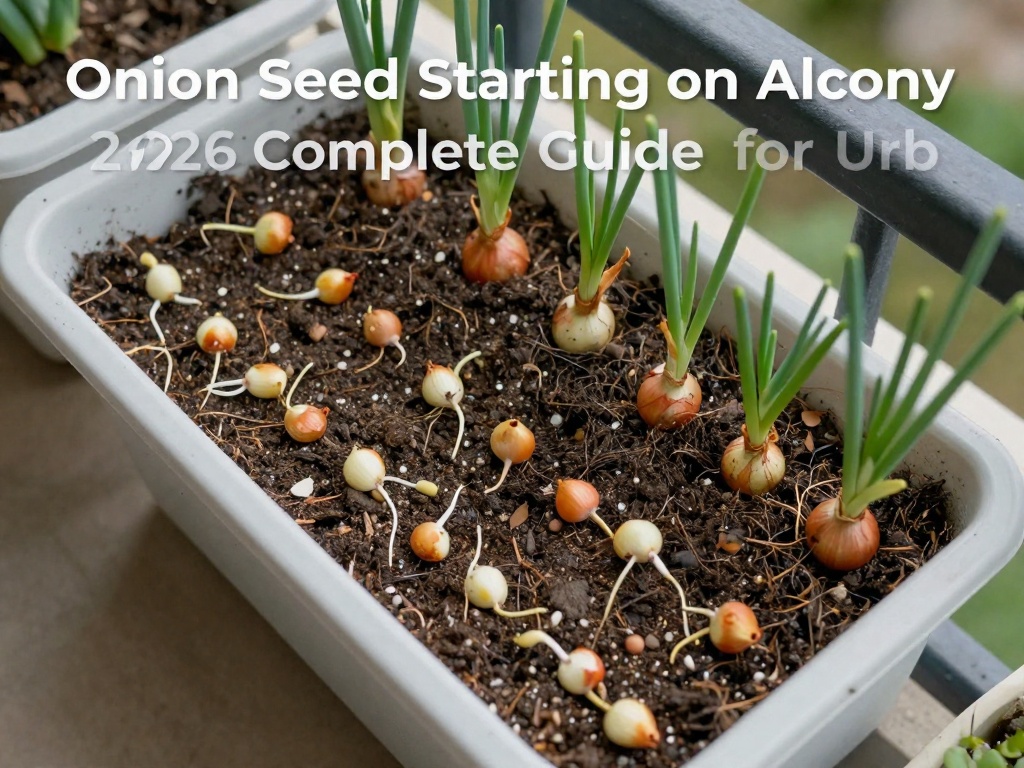
Onions Seed Starting on Balcony: 2026 Complete Guide for Urban Growers
Starting onions from seed on your balcony is one of the most rewarding techniques for urban gardeners with limited space. Whether you have a small apartment balcony or a spacious rooftop terrace, you can successfully grow delicious, fresh onions right from seed. This complete guide walks you through every step of the process, ensuring a bountiful harvest even in the smallest growing spaces.
Why Grow Onions on Your Balcony?
Balcony gardening has revolutionized how city dwellers access fresh, organic produce. When you start onions from seed on your balcony, you gain complete control over growing conditions, varieties, and harvest timing. Store-bought onions simply cannot match the flavor and nutritional value of freshly harvested bulbs pulled straight from your own containers.
Onions are incredibly space-efficient crops that thrive in containers, making them perfect for balconies. They require minimal horizontal space while delivering maximum returns in kitchen value. Additionally, starting onions from seed opens up hundreds of specialty varieties unavailable as transplants at local nurseries.
Benefits of Seed Starting vs. Buying Transplants
Starting onions from seed offers significant advantages over purchasing nursery transplants. Seed starting allows you to select from disease-resistant varieties specifically suited to your climate zone. You also avoid the stress transplant shock causes to seedlings, resulting in stronger, more vigorous plants from the very beginning.
Best Onion Varieties for Balcony Containers in 2026
Choosing the right onion variety determines your success when growing in containers. Short-day onions suit southern regions receiving 10-12 hours of daylight, while long-day varieties perform best in northern areas with 14-16 hours of sunlight. Day-neutral onions offer flexibility for balcony growers across most climate zones.
Top Picks for Container Growing
- White Lisbon: A classic bunching onion ideal for containers, producing mild-flavored stalks in just 60 days
- Red Baron: Beautiful red-skinned onion with excellent storage qualities, reaching maturity in 110 days
- Sweet Yellow: Perfect for fresh eating, this variety adapts well to container constraints
- Ailsa Craig: Exhibition-quality onion that performs surprisingly well in large containers
- Shallots: Compact growth habit makes them excellent for small-space balcony gardening
Step-by-Step Seed Starting Process for Beginners
Timing Your Onion Seed Starting
Timing proves critical when starting onion seeds on your balcony. In most regions, begin seeds indoors 8-10 weeks before your last expected frost date. This gives seedlings adequate time to develop strong root systems before transplanting to permanent containers. For mild climates, you can direct sow seeds in containers as early as February or March.
Preparing Your Seed Starting Materials
Gather quality onion seeds, seed starting trays or small containers with drainage holes, sterile seed starting mix, clear plastic domes or plastic wrap, and a spray bottle for gentle watering. Quality materials prevent disease and create optimal conditions for germination, which typically occurs within 7-10 days under ideal conditions.
The Germination Process
Fill your containers with moist seed starting mix, leaving one-half inch of space at the top. Scatter onion seeds thinly across the surface, then cover with one-quarter inch of additional mix. Cover containers with clear plastic to maintain humidity and place them in a warm location around 70-75°F (21-24°C). Remove covers immediately once sprouts emerge, typically within one to two weeks.
Container and Soil Setup for Maximum Yield
Onion roots grow surprisingly shallow, making them excellent candidates for balcony container gardening. Select containers at least 6 inches deep for green onions or 10-12 inches deep for full bulb development. Wide, rectangular containers work exceptionally well on balconies, maximizing growing space along railings or walls.
Choosing the Right Soil Mix
Onions demand loose, well-draining soil rich in organic matter for optimal bulb formation. Create an ideal mix using equal parts quality potting soil, aged compost, and coarse sand or perlite. This combination ensures excellent drainage while retaining sufficient moisture and nutrients. Avoid garden soil, which compacts easily and may harbor diseases in container environments.
Container Placement and Spacing
Position your onion containers where they receive at least 6-8 hours of direct sunlight daily. South-facing balconies typically offer ideal light conditions. Space onion plants 4 inches apart in all directions to allow adequate room for bulb development. Overcrowding significantly reduces final bulb size and overall yield.
Caring for Your Balcony Onion Seedlings
Watering Requirements
Onions require consistent moisture throughout their growing season, especially during bulb formation. Water deeply whenever the top inch of soil feels dry, typically every 2-3 days during warm weather. Containers dry out faster than garden beds, so monitor moisture levels daily during hot summer months. Avoid overhead watering, which promotes fungal diseases; instead, water directly at soil level.
Feeding and Fertilization Schedule
Start fertilizing onion seedlings two weeks after transplanting using a balanced liquid fertilizer diluted to half strength. Switch to a fertilizer higher in phosphorus and potassium once bulbs begin forming, typically 4-6 weeks after transplanting. This nutrient shift promotes healthy bulb development rather than excessive foliage growth. Apply fertilizer every two weeks throughout the growing season.
Managing Foliage and Bulb Development
Resist the temptation to cut onion leaves during growth, as each leaf corresponds to a potential ring in your final bulb. However, you can harvest individual green onion leaves once plants establish strong root systems. Stop fertilizing three weeks before your expected harvest date to allow bulbs to cure properly and improve storage life.
Common Mistakes to Avoid When Growing Onions on Balconies
Overwatering ranks among the most common errors balcony onion growers encounter. While onions need consistent moisture, waterlogged soil quickly leads to root rot and fungal diseases. Conversely, underwatering during bulb formation results in small, misshapen onions with poor flavor concentration.
Insufficient Light and Crowding
Inadequate sunlight remains a primary cause of failure for balcony onion growers. Onions receiving less than six hours of direct sun develop weak, leggy growth and form small bulbs. Equally damaging, planting seedlings too closely thinking space is limited actually reduces overall harvest. Give each plant adequate room to develop fully.
Using Inappropriate Containers and Soil
Containers without drainage holes guarantee failure, as onions absolutely cannot tolerate standing water. Similarly, poor-quality potting mix or garden soil leads to compaction and nutrient deficiencies. Invest in quality materials from the start; the small expense saves disappointment at harvest time.
Harvesting and Storing Your Balcony Onions
Onions are ready for harvest when approximately half of the foliage has turned yellow and fallen over. Gently loosen the soil around bulbs with a small trowel, then carefully lift them from containers. Allow harvested onions to cure in a dry, well-ventilated area for two to three weeks before storing. Properly cured onions can last several months in cool, dry storage conditions.
Signs of Harvest Readiness
Watch for the neck of the onion to soften and the tops to naturally bend and fall over. This signals the plant has completed its growth cycle and is redirecting energy from foliage to the bulb. Harvest on a dry day to prevent moisture-related storage issues. For green onions, begin harvesting once stalks reach pencil thickness, typically 60-90 days after transplanting.
FAQ: Onions Seed Starting on Balcony
When should I start onion seeds on my balcony in 2026?
Start onion seeds indoors 8-10 weeks before your last expected frost date, typically late winter to early spring depending on your climate zone. In mild climates, direct sowing in containers can begin as early as February or March when soil temperatures reach 50°F (10°C).
What size container do onions need for balcony growing?
Onions require containers at least 6 inches deep for green onions, but 10-12 inches deep for full bulb development. Width depends on how many plants you wish to grow, but rectangular containers 12 inches wide work well for most balcony setups. Ensure all containers have adequate drainage holes.
How long does it take to grow onions from seed on a balcony?
Onions typically require 90-120 days from transplanting to full bulb maturity, plus the initial 8-10 weeks of indoor seed starting. Green onions can be harvested much sooner, usually 60-90 days after transplanting. Total time from seed to harvest ranges from 120-180 days depending on variety and growing conditions.
Can I grow onions successfully in partial shade on my balcony?
Onions need at least 6-8 hours of direct sunlight daily for proper bulb formation. While they tolerate light shade, insufficient light results in small bulbs and excessive foliage. If your balcony receives less than six hours of sun, focus on growing green onions instead, which require less light energy for quality production.
What is the biggest mistake beginners make when starting onion seeds?
The most common error is overwatering and using poorly draining containers or soil. Onion seeds and seedlings are extremely susceptible to damping-off disease and root rot in waterlogged conditions. Allow the soil surface to dry slightly between waterings and ensure containers drain freely within minutes of watering.
How much effort and cost is required for balcony onion gardening?
Starting onions from seed on your balcony costs approximately $15-30 for initial supplies including seeds, containers, soil, and fertilizer. The ongoing effort is moderate—daily monitoring during hot weather and weekly fertilizing during active growth. For the cost of a single premium onion bunch at the grocery store, you can grow an entire season's harvest.
No comments