
Thyme Planting Easy Method: 2026 Step-by-Step Guide
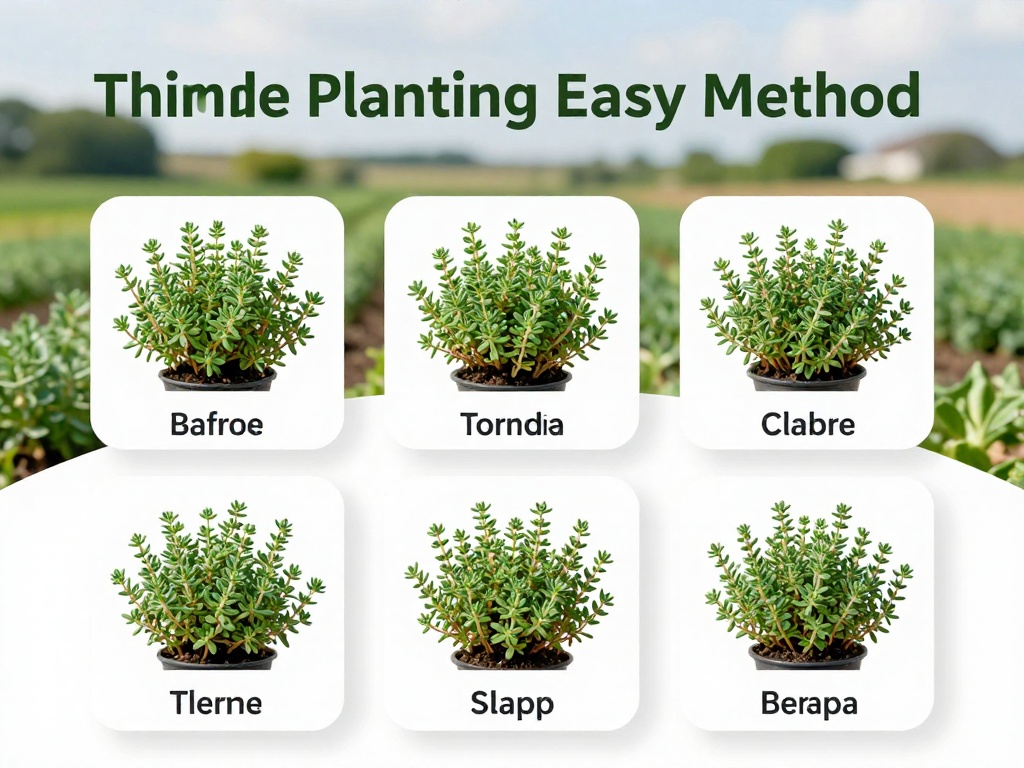
Thyme Planting Easy Method: 2026 Step-by-Step Guide
Thyme is one of the most rewarding herbs you can add to your garden. Whether you have a spacious backyard plot, a modest raised bed, or just a sunny windowsill, learning the thyme planting easy method opens doors to fresh flavors year after year. This aromatic perennial has been cherished for centuries in kitchens and traditional medicine cabinets alike. In this 2026 grower's guide, we'll walk you through every step so you can plant with confidence and enjoy abundant harvests.
Why Choose Thyme for Your Garden
Thyme deserves a spot in every herb garden for several compelling reasons. This Mediterranean native thrives with minimal attention, tolerates drought once established, and actually improves its flavor when grown in lean soil conditions. Home gardeners love thyme because it attracts beneficial pollinators like bees and butterflies while naturally repelling many garden pests. The plant's compact growth habit makes it perfect for small spaces, borders, and container arrangements.
Best Thyme Varieties for Beginners
- Common Thyme (Thymus vulgaris) – The classic culinary variety with the strongest flavor
- Lemon Thyme – Adds bright citrus notes to dishes and drinks
- Creeping Thyme – Excellent as ground cover between stepping stones
- English Thyme – Mild flavor perfect for beginners
Understanding Thyme's Growing Requirements
Before diving into the planting easy method, you need to understand what thyme genuinely needs to flourish. Thyme originates from the rocky hillsides of the Mediterranean, which tells you everything about its preferences. The plant craves full sun—at least six to eight hours daily—and demands excellent drainage. Wet feet lead to root rot, which is the most common killer of thyme plants.
Climate and Temperature Needs
Thyme grows happily in USDA zones 5 through 9, though some varieties tolerate zone 4 with winter protection. The plant handles heat remarkably well but struggles in high humidity where fungal issues may develop. If you live in a northern climate, container gardening allows you to move plants indoors during harsh winters.
Preparing the Perfect Planting Site
Site preparation determines your success with thyme planting. This easy method starts with choosing the right location and soil conditions. Avoid low-lying areas where water collects after rain, as thyme absolutely cannot tolerate soggy conditions. Raised beds work beautifully for thyme because they guarantee the drainage this herb requires.
Soil Preparation for Maximum Yield
Thyme prefers moderately fertile soil with a pH between 6.0 and 8.0. The easy method for soil preparation involves mixing your native earth with coarse sand and perlite to improve drainage. Add about two inches of sand and one inch of perlite per square foot of planting area. Work these amendments into the top six inches of soil thoroughly.
If planting in containers, use a commercial potting mix designed for succulents or cacti. These blends provide the fast drainage thyme craves. Never use standard garden soil in containers, as it compacts too heavily and retains excessive moisture.
Step-by-Step Thyme Planting Easy Method
Step 1: Choose Your Starting Method
You have three reliable options for starting thyme: seeds, cuttings, or nursery transplants. Seeds are economical but slow—germination takes two to four weeks. Cuttings from established plants root readily in water or moist sand within two weeks. Nursery transplants offer the fastest results, giving you harvestable plants within weeks rather than months.
Step 2: Timing Your Planting Correctly
Plant thyme outdoors after all danger of frost has passed and soil temperatures reach at least 60°F (15°C). In most regions, this means late spring through early summer. Indoor starts can begin eight to ten weeks before your last expected frost date. The 2026 growing season timing matters significantly—planting too early in cold soil leads to poor establishment.
Step 3: Spacing Plants Properly
Give thyme plants 12 to 18 inches of space between them. This spacing allows air circulation, which helps prevent fungal diseases. For creeping varieties, space plants 6 to 12 inches apart to create a dense ground cover effect. Proper spacing is part of the easy method that ensures healthy growth.
Step 4: The Actual Planting Process
Dig a hole twice as wide as the root ball but no deeper than the plant was growing in its container. Gently remove the thyme from its nursery pot, loosening the roots slightly if they're densely packed. Place the plant in the hole, backfill with your prepared soil mix, and press firmly around the base. Water thoroughly but gently to settle the soil around the roots.
Step 5: Initial Care After Planting
Keep newly planted thyme consistently moist (but never waterlogged) for the first two weeks while roots establish. After that initial period, transition to the "drought-tolerant" watering schedule—deep watering when the top inch of soil feels dry, then allowing the soil to dry again completely. This easy method trains thyme roots to grow deeply in search of moisture.
Caring for Your Thyme Plants
Once established, thyme requires remarkably little intervention. This characteristic makes it the perfect choice for busy gardeners or those new to growing edible plants. The easy method for thyme care focuses on restraint—less watering, less fertilizing, and minimal pruning during the first growing season.
Watering Wisdom for Thyme
Overwatering is the primary mistake beginners make with thyme. Once your plants show new growth, typically within three to four weeks of planting, reduce watering frequency significantly. Thyme actually produces more aromatic oils when slightly stressed from drought. Water deeply only when plants show mild wilting or when soil test reveals complete dryness.
Feeding Your Thyme
Thyme rarely needs fertilizer when grown in properly prepared soil. An overfed thyme plant produces lush growth but loses intensity of flavor. If your soil is particularly poor, apply a diluted liquid fertilizer once in early spring as new growth emerges. Use half the recommended strength to avoid pushing excessive vegetative growth.
Pruning for Health and Productivity
Regular pruning keeps thyme plants compact, bushy, and productive. The easy method involves trimming back one-third of the plant's growth after flowering finishes in late summer. Never cut into woody stems, as thyme regenerates poorly from old wood. Instead, prune the tender, newer growth where leaves are most concentrated.
Harvesting Your Thyme
The best time to harvest thyme is just before the plant flowers, when essential oils concentrate in the leaves. Morning harvest after dew dries but before heat intensifies produces the strongest flavor. Cut stems in the morning using sharp, clean scissors or pruning shears.
You can harvest continuously throughout the growing season by taking small amounts from different parts of the plant. This method encourages bushier growth and extends your harvest window significantly. Hang cut stems in small bundles in a dry, dark, well-ventilated area for drying, or freeze leaves in ice cube trays with olive oil.
Common Problems and Solutions
Even with the easiest planting method, occasional issues arise. Recognizing problems early allows for quick intervention and minimal damage to your crop.
Root Rot Prevention
If your thyme develops yellowing leaves, mushy stems at the base, or wilts despite adequate moisture, root rot has likely set in. Prevention requires excellent drainage and restraint with watering. If caught early, you may save plants by removing affected portions, improving drainage, and reducing water significantly.
Managing Pests Naturally
Thyme's aromatic oils make it naturally pest-resistant, but spider mites sometimes appear in hot, dry conditions. Spray plants with a strong stream of water to dislodge mites, or apply neem oil as an organic solution. Aphids occasionally cluster on tender new growth—handpick them or spray with insecticidal soap.
Winter Care for Perennial Thyme
In zones 5 through 9, thyme returns reliably year after year. Prepare plants for winter by ceasing pruning by late August—this allows new growth to harden before frost arrives. In zones 4 or lower, apply a thick mulch layer of straw or shredded leaves after the ground freezes to insulate roots from temperature fluctuations.
Container-grown thyme requires special winter attention. Move pots to an unheated garage or protected location where temperatures stay consistently cold but not frigid. Water sparingly throughout winter—just enough to prevent complete root desiccation.
Frequently Asked Questions
What is the easiest way to plant thyme for beginners?
The easiest method for beginners is planting nursery-grown transplants in spring after all frost danger passes. Choose a sunny location with excellent drainage, dig a hole twice as wide as the root ball, and water thoroughly after planting. This approach bypasses the slow, unpredictable germination of seeds while giving you an established plant that produces harvestable leaves within weeks.
How long does thyme take to grow from planting?
Nursery transplants establish within two to four weeks and become fully productive within two to three months. Seeds take considerably longer—expect germination in two to four weeks and harvestable plants in three to four months minimum. Cuttings root within two weeks and are ready for harvest in two to three months.
Can I grow thyme in containers on my patio?
Absolutely! Thyme thrives in containers, making it perfect for patios, balconies, or sunny windowsills. Use a pot with drainage holes and a cactus/succulent potting mix. Ensure at least six hours of daily sunlight and water only when soil dries completely. Container thyme may need repotting every two to three years as the plant grows.
How much does it cost to start a thyme garden?
Starting thyme is remarkably economical. A single nursery transplant costs $3 to $6, while seed packets run $2 to $4 and contain dozens of plants. You'll need basic supplies: well-draining soil or potting mix ($5 to $15), a container if growing in pots ($5 to $15), and optionally perlite or sand for soil amendment ($3 to $8). Total startup cost ranges from $5 to $25 depending on your approach.
What are common mistakes when planting thyme?
Overwatering causes more thyme failures than any other issue—always let soil dry between waterings. Planting in shade reduces vigor and flavor significantly—thyme needs full sun. Poor drainage leads to root rot—amend clay soils heavily or use raised beds. Fertilizing too heavily produces bland-tasting leaves—feed sparingly or not at all.
When is the best time to plant thyme in 2026?
Plant thyme outdoors two to three weeks after your last expected spring frost, when soil temperatures consistently reach 60°F (15°C) or warmer. This typically falls between late April and June depending on your USDA zone. Indoor seed starting should occur eight to ten weeks before your last frost date for maximum growing season length.
No comments