
How to Start Blueberries from Seeds Using Organic Methods in 2026
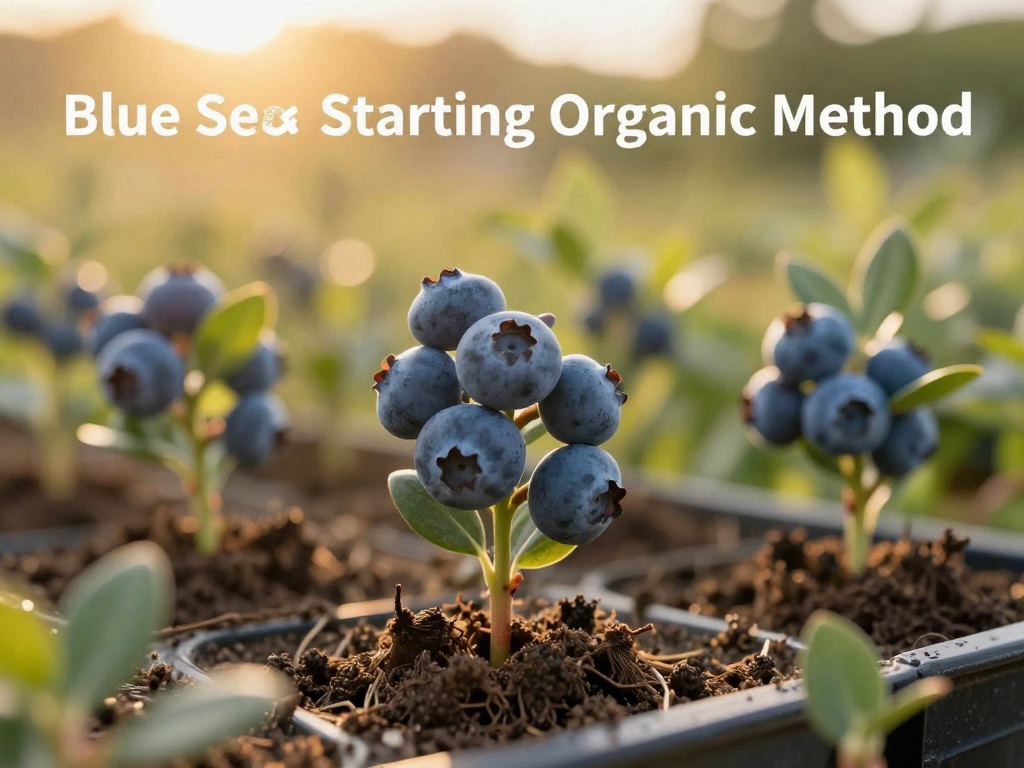
How to Start Blueberries from Seeds Using Organic Methods in 2026
Starting blueberries from seeds using an organic method offers a rewarding journey for gardeners seeking to cultivate these antioxidant-rich berries naturally. While growing blueberries from seeds requires patience—typically 2-3 years before fruit production begins—the process allows you to select varieties perfectly adapted to your local climate and growing conditions. This comprehensive 2026 guide walks you through each step of the organic seed starting process, from seed selection to transplanting healthy seedlings into your garden or containers.
Understanding Blueberry Seeds and Organic Requirements
Blueberry seeds are tiny, numbering approximately 100-200 per berry, and require specific conditions for successful germination. The organic method for blueberries seed starting emphasizes natural soil amendments, chemical-free pest management, and sustainable practices that support soil biology. Unlike conventional approaches that rely on synthetic fertilizers, organic seed starting builds long-term soil health while producing vigorous, disease-resistant plants.
Why Choose Organic Seed Starting?
Organic seed starting produces plants better adapted to organic growing systems. These seedlings develop stronger root systems in harmony with beneficial soil microorganisms. Additionally, organic methods avoid synthetic chemical residues that can persist in nursery-grown transplants. For gardeners committed to chemical-free food production, starting blueberries from seeds organically ensures a truly clean foundation for your berry patch.
Selecting Organic Blueberry Seeds
Choosing high-quality organic blueberry seeds forms the foundation of successful seed starting. Source seeds from reputable organic nurseries or harvest them from certified organic berries. Lowbush, half-high, and rabbiteye varieties generally perform best for seed starting, though any variety can germinate successfully with proper technique.
Best Blueberry Varieties for Seed Starting in 2026
- Lowbush blueberries (Vaccinium angustifolium): Cold-hardy to -40°F, ideal for northern gardens
- Rabbiteye blueberries (Vaccinium ashei): Heat-tolerant, perfect for southern regions
- Half-high varieties: Combine hardiness with moderate plant size for small spaces
- Patriot or Northblue: Excellent organic seed sources for cold climates
Preparing Organic Seed Starting Mix
The right growing medium proves essential for organic blueberries seed starting. Blueberries require acidic soil with pH between 4.5-5.5 for optimal germination and early growth. Create your own organic seed starting mix by combining sphagnum peat moss, perlite, and aged pine bark in equal parts. This blend provides excellent drainage while retaining adequate moisture for delicate seedling roots.
Natural Amendments for Your Mix
Enhance your organic seed starting medium with these beneficial additions: fish emulsion (diluted to half strength) provides nitrogen; bone meal supplies phosphorus for root development; and kelp meal offers trace minerals including manganese and iron. Avoid traditional potting soil, which typically maintains pH too high for blueberry germination success.
Step-by-Step Blueberries Seed Starting Process
Step 1: Seed Stratification (Cold Treatment)
Blueberry seeds require a cold stratification period of 90-120 days to break dormancy and trigger germination. Place seeds between moist paper towels, then seal in a plastic bag and refrigerate at 33-41°F. Check weekly to ensure moisture remains consistent. This cold treatment mimics natural winter conditions and significantly improves germination rates from under 30% to above 70%.
Step 2: Planting the Seeds
After stratification, plant seeds in sterile containers with drainage holes. Fill containers with your prepared organic mix, leaving one inch below the rim. Sprinkle stratified seeds across the surface and press gently into contact with the medium. Cover lightly with fine sphagnum moss—no deeper than 1/8 inch, as blueberry seeds require light for germination.
Step 3: Creating Optimal Germination Conditions
Maintain consistent temperatures between 60-70°F for germination, which typically occurs within 30-60 days. Cover containers with clear plastic domes or wrap to maintain humidity while allowing light penetration. Position seed trays in bright indirect light, avoiding direct sunlight which can overheat emerging seedlings. Soil temperature monitoring ensures consistent germination success.
Caring for Organic Blueberry Seedlings
Watering Techniques
Blueberry seedlings demand consistent moisture without waterlogging. Water with room-temperature water containing diluted apple cider vinegar (one tablespoon per gallon) to maintain acidic conditions. Bottom watering by setting containers in trays of water prevents disturbance to delicate roots while ensuring even moisture distribution throughout the root zone.
Light and Temperature Requirements
Provide 12-16 hours of artificial grow light daily for indoor seedling development. Maintain ambient temperatures between 60-70°F during the day with slightly cooler night temperatures. Good air circulation prevents fungal issues while strengthening seedling stems. Rotate containers weekly to ensure even growth and prevent leggy seedlings reaching toward light sources.
Organic Fertilization Schedule
Begin feeding seedlings four weeks after germination with diluted organic fertilizer. Apply fish emulsion or compost tea every two weeks at half the recommended strength. Organic blueberry fertilizer blends containing cottonseed meal provide appropriate nitrogen levels without burning tender roots. Monitor seedling color—healthy seedlings display deep green foliage without purplish tinges indicating nutrient deficiency.
Transplanting Seedlings for Maximum Yield
Once seedlings develop their second set of true leaves and reach 3-4 inches tall—typically 8-12 weeks after germination—transplant into larger containers or raised beds. Space plants 4-6 feet apart in rows separated by 8-10 feet. Continue using acidic organic amendments and maintain consistent moisture throughout the growing season.
Hardening Off Process
Gradually acclimate indoor-grown seedlings to outdoor conditions over 7-10 days. Begin with one hour of filtered sunlight exposure, increasing daily by 1-2 hours. Bring seedlings indoors during cold nights or adverse weather. This hardening off period prevents transplant shock and builds resilience against environmental stressors.
Common Mistakes to Avoid
Successful organic blueberries seed starting requires avoiding several common pitfalls. Never use regular potting soil with pH above 6.0, which prevents nutrient uptake and causes yellowing foliage. Avoid overwatering, which promotes damping-off disease and root rot in young seedlings. Skipping the stratification period dramatically reduces germination success. Finally, resist the temptation to transplant prematurely—seedlings need adequate root development before facing outdoor conditions.
Long-Term Care for Organic Blueberry Plants
Established organic blueberry plants thrive with minimal intervention when properly sited. Maintain acidic soil conditions through annual mulching with pine needles or oak leaves. Apply organic acidifying fertilizer in early spring and again after harvest. Prune selectively to remove dead wood and encourage new productive growth. With patience and proper organic care, your seed-started blueberries will produce abundant harvests within 2-3 years.
FAQ: Blueberries Seed Starting Organic Method
How long does it take to grow blueberries from seeds organically?
Blueberry seeds typically germinate within 30-60 days after stratification. Seedlings require 8-12 weeks indoors before transplanting, and plants need 2-3 years of growth before producing fruit. The complete organic process from seed to harvest spans approximately 3-4 years.
What is the success rate for organic blueberry seed germination?
With proper cold stratification, blueberry seed germination rates reach 60-80%. Without stratification, rates drop to 20-30%. Using fresh, viable seeds from reputable organic sources and maintaining optimal conditions significantly improves success rates for beginners.
Can I start blueberry seeds directly outdoors?
While direct outdoor sowing is possible in mild climates, natural stratification requires a full winter cycle before spring germination. For more reliable results, start seeds indoors using the stratification method described above, then transplant hardened seedlings in spring after last frost.
What is the cost comparison between seed starting and buying transplants?
Organic blueberry seed starting costs approximately $5-15 in materials (seeds, growing medium, containers) compared to $15-30 per established transplant. However, seed starting offers the advantage of growing multiple plants economically and selecting varieties specifically adapted to your microclimate.
How do I maintain acidic soil conditions organically for blueberries?
Maintain acidity through annual applications of pine needle mulch, sulfur chips (following soil test recommendations), or ammonium sulfate organic fertilizer. Coffee grounds, peat moss, and oak leaf litter also contribute to soil acidification. Test soil pH annually and adjust amendments accordingly.
What are the biggest beginner mistakes in blueberry seed starting?
Common errors include skipping cold stratification, using alkaline potting soil, overwatering, insufficient light exposure, and premature transplanting. Beginners should also avoid fertilizing newly germinated seedlings until they develop true leaves, as tender roots burn easily with organic fertilizers.
No comments