
How to Grow Oregano in Raised Bed on Balcony: 2026 Guide
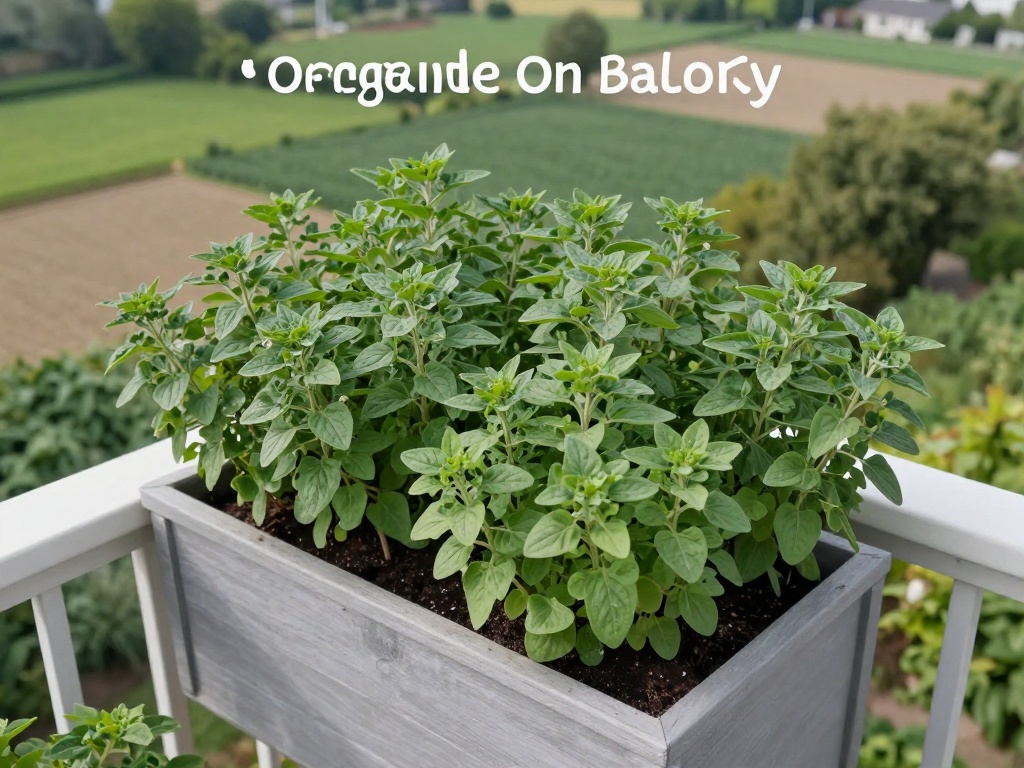
How to Grow Oregano in Raised Bed on Balcony: 2026 Guide
Growing oregano in a raised bed on your balcony is one of the most rewarding projects for urban gardeners. This Mediterranean herb thrives in containers and small spaces, providing you with fresh, aromatic leaves for cooking throughout the growing season and beyond.
Whether you're a complete beginner or an experienced gardener looking to optimize your balcony setup, this comprehensive guide covers everything you need to know about cultivating healthy, productive oregano in raised bed containers on your balcony.
Why Choose Raised Beds for Balcony Oregano
Raised beds offer several advantages when growing oregano in limited spaces. The elevated design provides excellent drainage, which is crucial since oregano hates sitting in waterlogged soil. Additionally, raised beds warm up faster in spring, extending your growing season significantly.
The contained environment also makes it easier to control soil quality and prevents the herb's invasive spreading tendencies from taking over your balcony space. For apartment dwellers and urban gardeners, raised beds are the perfect solution for growing culinary herbs in small spaces.
Benefits of Growing Oregano on a Balcony
- Fresh herbs at arm's reach for cooking
- Natural pest deterrent properties
- Drought-tolerant once established
- Attracts beneficial pollinators
- Low maintenance requirements
- Year-round indoor transition possible
Choosing the Right Raised Bed for Your Balcony
Selecting an appropriate raised bed is fundamental to your success with balcony herb gardening. Consider the following factors when making your choice.
Size Considerations
For oregano, a raised bed depth of at least 8-10 inches accommodates the herb's root system comfortably. Width should allow 12 inches between plants, and a length of 24-36 inches works well for most balcony configurations. If space is extremely limited, consider vertical oriented raised beds that maximize your square footage.
Material Options
Durable materials like cedar, recycled plastic, or galvanized metal work best for balcony installations. These materials resist weathering and won't leach harmful chemicals into your soil. Self-watering raised beds are excellent choices for busy gardeners as they provide consistent moisture levels.
Weight and Load Capacity
Always verify your balcony can support the weight of your filled raised bed. A typical 2x4 foot raised bed with soil and plants can weigh 100-150 pounds. Choose lightweight options if load capacity is a concern, and consider using pot feet to improve drainage and reduce stress on the balcony surface.
Soil Requirements for Thriving Oregano
Oregano originates from the rocky hillsides of the Mediterranean, so it prefers well-draining, somewhat lean soil conditions. This is a crucial factor when planning your oregano raised bed on balcony setup.
Ideal Soil Mix
Create a soil mixture using these proportions for optimal results:
- Two parts quality potting mix as your base
- One part coarse sand or perlite for drainage
- One part aged compost for nutrients
- Optional: a handful of crushed limestone for pH adjustment
The resulting mixture should be light, crumbly, and drain quickly when watered. Avoid standard garden soil, which tends to compact too heavily in containers and raised beds.
Drainage Essentials
Ensure your raised bed has adequate drainage holes. If using a self-contained unit without holes, add a 2-inch layer of gravel or broken pottery pieces at the bottom before adding your soil mix. Good drainage prevents root rot, which is oregano's most common killer in container gardening.
Planting Oregano: Step by Step
Proper planting technique sets the foundation for a thriving oregano plant. Whether starting from seeds, cuttings, or nursery transplants, following these steps ensures success.
Starting from Transplants (Recommended for Beginners)
Nursery transplants offer the fastest route to harvest. Plant your oregano starts at the same depth they grew in their original containers, spacing plants 12 inches apart. Water thoroughly after planting and place in your chosen location.
Starting from Seeds
Starting oregano from seed requires patience, as germination can be slow and uneven. Scatter seeds lightly over the soil surface and press gently into contact with the soil. Keep consistently moist until germination occurs in 7-14 days. Thin seedlings to 12-inch spacing once they develop their second set of true leaves.
Starting from Cuttings
Take 4-6 inch cuttings from healthy oregano plants, remove lower leaves, and place in water or moist potting mix. Roots develop within 2-3 weeks, after which you can transplant to your raised bed. This method produces identical plants to the parent, preserving specific flavor characteristics.
Sunlight and Positioning
Oregano demands abundant sunlight to develop its characteristic strong flavor and dense, compact growth habit. Understanding light requirements is essential for anyone growing this herb in raised beds on a balcony.
Minimum Light Requirements
Aim for minimum six hours of direct sunlight daily, with eight hours being ideal. South-facing balconies typically provide the best conditions. East and west-facing locations work adequately with some afternoon shade protection in hot climates.
Signs of Insufficient Light
Leggy, stretched growth indicates your oregano isn't receiving enough light. Plants may also become pale, produce fewer leaves, and develop diminished flavor. If your balcony lacks adequate light, consider supplementing with a quality grow light positioned 12-18 inches above the plants.
Watering Your Balcony Oregano
Proper watering technique distinguishes successful oregano cultivation from frustrating failures. This herb prefers to dry out somewhat between waterings, making it perfect for busy gardeners or those seeking low-maintenance container herbs.
Watering Schedule
Water deeply but infrequently, allowing the top 2-3 inches of soil to dry completely between waterings. During hot summer months, this might mean watering every 2-3 days. In cooler periods, weekly watering may suffice. Always water at the base of the plant, avoiding wetting the foliage to prevent fungal issues.
Overwatering Warning Signs
Yellowing leaves, wilting despite moist soil, and soft stems near the base indicate overwatering problems. If detected early, allow the soil to dry thoroughly and reduce watering frequency. Severe cases may require repotting with fresh, dry soil mixture.
Fertilizing for Maximum Yield
Oregano actually prefers lean soil conditions, but strategic feeding supports vigorous growth and abundant harvests in container settings.
Feeding Schedule
Apply a balanced, diluted liquid fertilizer monthly during the active growing season (spring through early fall). A 10-10-10 or 5-5-5 formula works well at half-strength. Stop fertilizing in late summer to allow plants to harden off before winter, which improves cold tolerance and flavor concentration.
Natural Organic Options
Compost tea, fish emulsion, or seaweed extract provide gentle nutrition without overwhelming the plants. Top-dressing with a thin layer of compost in spring supplies slow-release nutrients throughout the season. These organic methods are perfect for gardeners seeking natural approaches.
Pruning and Harvesting Techniques
Regular harvesting and pruning keep your oregano productive, bushy, and prevent woodiness. Learning proper techniques ensures continuous production throughout the season.
When and How to Harvest
Begin harvesting once your oregano reaches at least 6 inches tall. Cut stems in the morning after dew dries but before heat intensifies, when essential oils are most concentrated. Harvest no more than one-third of the plant at any time, taking stems from the top down to encourage branching.
Pruning for Bushier Growth
Pinch or cut stems regularly to prevent flowering, which signals the plant to stop producing new leaves. Removing flower buds redirects energy to foliage production. Every few weeks, harvest outer stems, leaving the center intact for continued growth.
End of Season Care
Before first frost, perform a major harvest and preserve your bounty through drying or freezing. Cut plants back to 2-3 inches above soil level. In mild climates, container-grown oregano may survive winter outdoors with mulch protection. Otherwise, move containers to a bright indoor location.
Common Problems and Solutions
Even with excellent care, some challenges may arise when growing oregano in raised bed containers. Understanding common problems helps you respond quickly and effectively.
Root Rot
This fungal disease occurs from overwatering and poor drainage. Prevention through proper drainage and measured watering is essential. If detected, remove affected plants immediately and improve conditions for remaining oregano.
Aphids and Spider Mites
Inspect plants regularly for these common pests. Strong water sprays dislodge minor infestations. For persistent problems, apply neem oil or insecticidal soap according to product instructions. Maintaining good air circulation helps prevent both pest and fungal issues.
Leggy or Spindly Growth
Insufficient light causes stretched, weak growth. Move the raised bed to a sunnier location if possible. Regular harvesting and pinching also promotes denser, bushier growth by encouraging lateral branching.
Preserving Your Harvest
Maximize the benefits of your balcony garden by preserving excess oregano for year-round use. Several methods maintain the herb's flavor and aroma effectively.
Drying Oregano
Bundle stems and hang upside down in a warm, dry, well-ventilated location away from direct sunlight. Once completely dry (typically 1-2 weeks), strip leaves from stems and store in airtight containers. Properly dried oregano retains flavor for 1-2 years.
Freezing Options
Freezing preserves fresh flavor better than drying for some uses. Chop fresh leaves and freeze in ice cube trays with olive oil, or spread on baking sheets for flash-freezing before transferring to freezer bags. Frozen oregano works excellently in cooked dishes.
Best Companion Plants for Balcony Oregano
Oregano growing in raised beds on a balcony benefits from thoughtful companion planting. Some plants enhance growth while others provide culinary synergy.
Ideal Partners
- Thyme – shares similar growing requirements
- Rosemary – complementary flavors for cooking
- Parsley – mutual growth benefits
- Basil – companion in the garden and kitchen
- Tomatoes – classic culinary pairing
Group herbs with similar water and sun requirements together for easiest care. Avoid planting aggressive spreaders like mint in the same raised bed, as they will compete with your oregano for resources.
Moving Oregano Indoors for Winter
In colder climates, transitioning your balcony herb garden indoors extends the harvest season significantly. With proper preparation, oregano adapts well to indoor conditions.
Transition Steps
Move plants indoors before first frost. Place near the sunniest window available, preferably south-facing. Indoor oregano typically requires less frequent watering due to reduced evaporation. Maintain temperatures between 60-70°F for best results.
Indoor Care Adjustments
Watch for dry indoor air, which may encourage spider mites. Regular misting or placing containers on pebble trays with water helps maintain humidity. Continue harvesting regularly to keep plants compact and productive through winter months.
Final Tips for Success
Growing oregano in raised beds on your balcony rewards patience and consistent care with abundant harvests of one of the world's most beloved culinary herbs. Remember these key points for lasting success.
- Prioritize excellent drainage above all other factors
- Provide maximum sunlight exposure possible
- Water deeply but allow soil to dry between waterings
- Harvest regularly to encourage bushy growth
- Protect from extreme temperature swings
With these techniques, your balcony becomes a productive herb garden providing fresh, flavorful oregano for years to come.
Frequently Asked Questions
How long does it take for oregano to grow in a raised bed on a balcony?
Oregano transplants typically establish within 2-3 weeks and become harvestable within 4-6 weeks after planting. Seed-grown oregano takes considerably longer, usually requiring 8-10 weeks before first harvest. Established plants regrow quickly after each cutting.
What size raised bed do I need for growing oregano?
A minimum depth of 8-10 inches accommodates oregano's root system adequately. Width should allow 12 inches per plant, with a recommended minimum bed size of 12x12 inches for a single plant. Larger beds of 24-36 inches in length can accommodate multiple plants comfortably.
Can I grow oregano with other herbs in the same raised bed?
Yes, oregano grows well with Mediterranean herbs sharing similar requirements including thyme, rosemary, sage, and basil. Avoid combining with herbs requiring consistently moist soil like parsley or chives, as their water needs differ significantly.
How often should I water oregano in a balcony raised bed?
Water when the top 2-3 inches of soil becomes completely dry, typically every 2-3 days during hot summer weather. In cooler seasons, watering once weekly often suffices. Always ensure excellent drainage, as oregano suffers more from overwatering than underwatering.
What is the best fertilizer for balcony-grown oregano?
A balanced liquid fertilizer diluted to half strength applied monthly during the growing season works well. Organic options like compost tea, fish emulsion, or seaweed extract provide gentle nutrition. Avoid over-fertilizing, as lean soil conditions produce more flavorful oregano.
Is oregano raised bed gardening expensive to start?
Starting a basic oregano raised bed can cost as little as $20-40 for a quality raised bed, soil mix, and starter plant. Costs vary based on material choices and bed size. DIY options using recycled materials significantly reduce expenses while maintaining good results.
No comments