
Tomatoes Overwintering for Beginners: 2026 Complete Guide
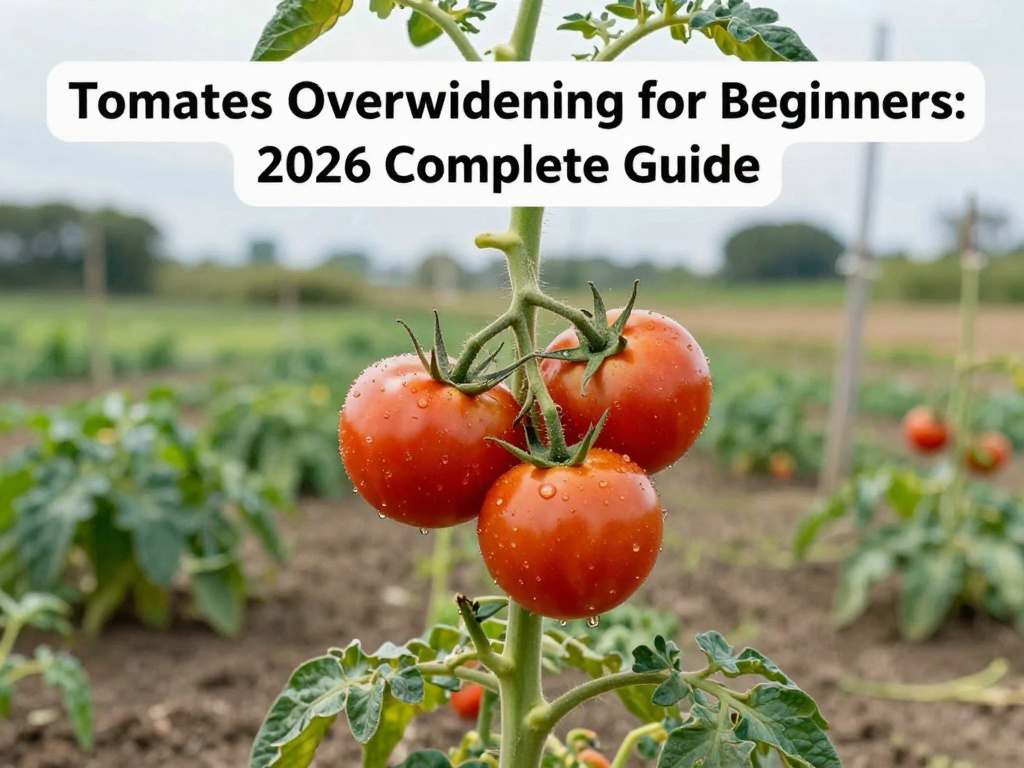
Tomatoes Overwintering for Beginners: 2026 Complete Guide
Tomatoes overwintering for beginners is one of the most rewarding techniques any home gardener can master. Rather than starting fresh each spring, you can keep your favorite tomato plants alive through winter and enjoy an earlier, more abundant harvest the following season. This step-by-step approach makes overwintering accessible even if you have limited indoor space and no prior experience.
The practice of overwintering tomatoes means bringing potted plants indoors before the first frost and maintaining them through the cold months. While tomato plants are technically tender perennials, they cannot survive frost without protection. By understanding the basic requirements for light, temperature, and care, anyone can successfully overwinter tomatoes for beginners without specialized equipment or greenhouse facilities.
Why Learn Tomatoes Overwintering for Beginners
There are compelling reasons to try this technique even as a first-timer. Perhaps most obviously, overwintering tomatoes saves you money since you will not need to purchase new seedlings or seeds each spring. Your existing plants already have established root systems and genetic traits you selected for flavor, disease resistance, or productivity. Starting with mature plants gives you a significant head start on the growing season.
Beyond the practical benefits, overwintering connects you more deeply with your garden. You develop a better understanding of how tomato plants grow, respond to stress, and produce fruit under varying conditions. This knowledge makes you a more skilled gardener overall and prepares you for more advanced techniques as your experience grows.
Choosing the Right Tomato Varieties for Overwintering
Not all tomato varieties respond equally well to overwintering conditions. Determinate varieties tend to be more compact and produce fruit in a concentrated period, making them less ideal for multi-year cultivation. Indeterminate varieties continue growing and producing throughout the season, which suits overwintering much better since the plants remain productive year after year.
Cherry tomato varieties like Sungold, Sweet 100, and Tiny Tim excel as overwintering candidates because they produce fruit relatively quickly and tolerate indoor conditions well. Medium-sized varieties such as Brandywine, Cherokee Purple, and San Marzano also adapt reasonably well with proper care. Avoid beefsteak types since they typically require more light and energy to produce their large fruits.
Selecting Plants with Good Root Systems
When preparing tomatoes for overwintering, choose plants with healthy, well-developed root systems. Plants growing in containers naturally have contained roots, making them ideal candidates for moving indoors. If you are taking plants from the ground, carefully dig around the root zone to preserve as much of the root mass as possible during transplanting into a pot.
Checking Plant Health Before Bringing Indoors
Inspect plants carefully for signs of disease or pest infestations before moving them inside. Look for yellowing leaves, spots, or wilting that might indicate underlying problems. Check underneath leaves for aphids, spider mites, or whiteflies. Treating problems before bringing plants indoors prevents infestations from spreading and makes management much easier during the winter months.
Step-by-Step Process for Tomatoes Overwintering for Beginners
Step 1: Timing Your Transition Indoors
The critical timing for moving tomato plants indoors occurs before your first expected frost date. Gardeners in USDA zones 7 and below typically need to begin the transition by late September or early October. Those in warmer zones 8 through 10 may have more flexibility depending on their specific microclimate and seasonal patterns. Monitor weather forecasts carefully and plan to bring plants inside at least one week before frost is predicted.
Step 2: Preparing Containers and Soil
Select pots at least 12 inches in diameter with adequate drainage holes. The container size matters significantly because root-bound plants struggle more during winter stress periods. Use a high-quality potting mix designed for containers rather than garden soil, which compacts too heavily and may harbor disease organisms. Some gardeners add perlite or vermiculite to improve drainage and aeration around the roots.
Step 3: Pruning and Hardening Off Your Plants
Before moving plants indoors, prune them back to reduce stress and make them more manageable for indoor conditions. Remove any dead or damaged growth, and cut back excessively long vines by about one-third. Gradually acclimate plants to indoor conditions over a period of seven to ten days by bringing them in for increasingly longer periods each day. This hardening off process reduces shock and improves survival rates.
Step 4: Creating the Right Indoor Environment
Tomato plants need at least six to eight hours of direct sunlight daily to remain healthy through winter. South-facing windows provide the best natural light, but even these may prove insufficient during short winter days. Supplement natural light with fluorescent grow lights or full-spectrum LED fixtures positioned six to twelve inches above the plant canopy. Maintain indoor temperatures between 65 and 75 degrees Fahrenheit for optimal growth.
Step 5: Managing Watering and Humidity
Indoor conditions typically feature lower humidity than outdoor gardens, which increases water evaporation from soil and plant surfaces. Water your overwintering tomatoes when the top inch of soil feels dry to the touch, usually every five to seven days depending on your home conditions. Avoid overwatering since tomato roots are prone to rotting in soggy conditions. A humidity tray or occasional misting can help maintain appropriate moisture levels in the air around your plants.
Step 6: Fertilizing Through Winter
Reduce fertilizer applications during winter since tomato plants grow more slowly with less light. Apply a balanced liquid fertilizer diluted to half strength once every four to six weeks rather than the more frequent feeding schedule used during active summer growth. Watch for signs of nutrient deficiency such as pale leaves, which might indicate your plants need slightly more frequent feeding despite the reduced light conditions.
Common Problems and Solutions in Tomatoes Overwintering
Leggy growth represents one of the most common issues when overwintering tomatoes for beginners. Plants stretch toward available light sources and produce weak, elongated stems when light intensity is insufficient. Supplemental lighting effectively addresses this problem by providing adequate energy for compact, healthy growth. Positioning plants closer to light sources and pruning regularly also helps maintain bushier, stronger plants.
Yellowing leaves often indicate overwatering, nutrient deficiencies, or root problems. Examine your watering schedule first and allow soil to dry more thoroughly between waterings if needed. If watering appears appropriate, try increasing fertilizer strength slightly or switching to a different fertilizer formula. Pale new growth specifically suggests nitrogen deficiency, while purplish tinges may indicate phosphorus shortage.
Pest infestations occasionally develop despite careful inspection and preventive measures. Spider mites thrive in dry indoor conditions and cause stippled, discolored leaves. Aphids cluster on new growth and tender stems. Both respond well to insecticidal soap applications applied according to product directions. Consistent monitoring and early intervention prevent minor pest problems from becoming serious infestations.
Transitioning Back Outdoors in Spring
After winter indoors, your tomato plants need careful acclimation to outdoor conditions before permanent transplanting. Wait until all frost danger has passed and daytime temperatures consistently reach 60 degrees Fahrenheit or higher. Begin the transition process two to three weeks before your intended planting date by placing plants outside for increasing periods each day, similar to the hardening off process used in fall.
Choose a cloudy day for the first extended outdoor exposure to reduce sun stress. Gradually increase sun exposure over the hardening off period, watching carefully for signs of sunscald or wind damage. Once plants have adjusted to outdoor conditions, transplant them into their permanent garden locations or larger containers, applying the same care practices you would for new seedlings planted in spring.
Maximizing Your Harvest After Overwintering
Overwintered tomato plants often produce fruit much earlier than spring-planted seedlings because they already have mature stems and established root systems. Some gardeners report harvests beginning in early summer rather than mid to late summer when starting from seed. This extended production window allows for multiple rounds of fruit development and potentially higher total yields per plant.
Consider pruning strategies to optimize productivity from your overwintered plants. Remove suckers below the first flower cluster to direct energy toward fruit production rather than excessive vegetative growth. Some gardeners top indeterminate varieties at a manageable height to encourage branching and concentrated fruiting. Experiment with different approaches based on your specific variety, space constraints, and production goals.
Frequently Asked Questions
Can beginners successfully overwinter tomato plants for the first time?
Yes, beginners can successfully overwinter tomatoes with proper planning and attention to basic requirements. The key is starting with healthy plants, providing adequate light and moderate temperatures, and adjusting watering frequency for indoor conditions. Most beginner mistakes involve overwatering or insufficient light, both of which are easily corrected once identified.
What temperature do tomato plants need during winter overwintering?
Tomato plants thrive at indoor temperatures between 65 and 75 degrees Fahrenheit during overwintering. They can tolerate temperatures as low as 55 degrees but grow most actively in the warmer range. Avoid placing plants near cold windows, heating vents, or drafty doorways, which create fluctuating conditions that stress the plants and increase pest vulnerability.
How much light do overwintering tomatoes need to survive?
Tomato plants need at least six to eight hours of direct sunlight daily for healthy overwintering. South-facing windows typically provide adequate natural light during winter in most regions. If natural light is insufficient, supplement with fluorescent grow lights or full-spectrum LED fixtures for 12 to 14 hours daily. Insufficient light causes leggy growth and eventually weakens plants beyond recovery.
What is the cost and effort level for tomatoes overwintering for beginners?
The primary costs involve suitable containers, potting soil, and potentially grow lights if natural light is inadequate. Most gardeners spend under $50 total for basic supplies. Effort level is moderate, requiring regular monitoring and care every five to seven days for watering. This is significantly less work than starting seeds indoors each spring and produces superior results for those willing to invest the attention.
How long does it take to see results from overwintering tomatoes?
Overwintered tomato plants typically resume visible growth within two to four weeks after moving indoors as they adjust to new conditions. Active flowering often begins within six to eight weeks under good conditions. When transitioned back outdoors in spring, these plants produce harvestable fruit weeks earlier than spring-planted seedlings, with many varieties beginning to ripen fruit by early to midsummer.
What are the most common beginner mistakes with tomatoes overwintering?
The most common mistakes include overwatering, which leads to root rot and fungal problems, providing insufficient light resulting in leggy weak growth, and moving plants indoors too late after frost has already damaged foliage. Failing to inspect for pests before bringing plants inside and not adjusting to lower humidity levels also cause problems. Avoiding these pitfalls dramatically improves success rates for beginners.
Do all tomato varieties overwinter equally well?
No, indeterminate varieties overwinter more successfully than determinate types because they continue growing and producing throughout the season. Cherry and small-fruited varieties typically adapt best to indoor conditions because they require less energy to produce fruit. Larger beefsteak varieties struggle indoors due to their higher light and nutrient requirements. Choosing appropriate varieties from the start prevents unnecessary frustration.
No comments