
Lettuce Planting for Beginners: 2026 Step-by-Step Guide
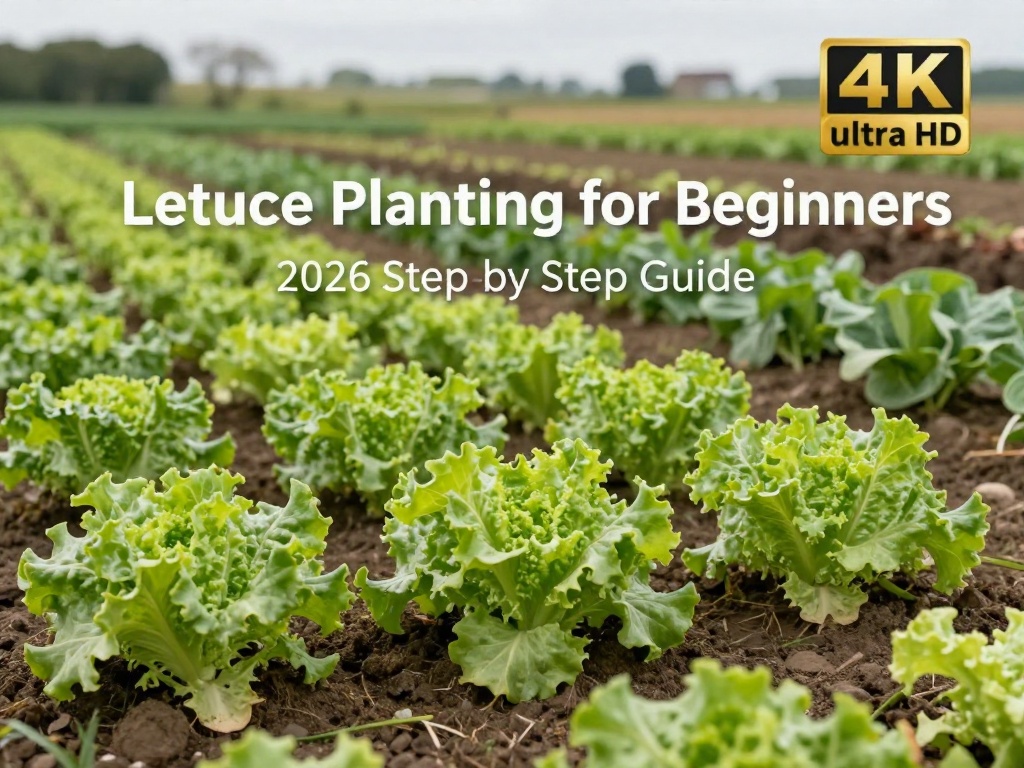
Lettuce Planting for Beginners: 2026 Step-by-Step Guide
Starting your lettuce planting journey is one of the most rewarding experiences for new gardeners. Lettuce is fast-growing, versatile, and forgiving, making it the perfect crop for beginners who want to enjoy fresh, homegrown salads within weeks. This comprehensive guide covers everything you need to know about planting lettuce for beginners, from selecting the right variety to harvesting your first bounty.
Why Lettuce is Perfect for New Gardeners
Lettuce stands out as an ideal choice for beginners because of its shallow root system and rapid growth cycle. Unlike many vegetables that require months of patience, lettuce reaches harvestable size in just 30 to 60 days depending on the variety. This quick turnaround provides immediate gratification and encourages new gardeners to continue expanding their skills.
Additionally, lettuce thrives in containers, raised beds, and small spaces, making it accessible regardless of your living situation. Whether you have a sprawling backyard or a modest balcony, you can successfully grow lettuce with minimal equipment and experience.
Best Lettuce Varieties for Beginners
- Butterhead lettuce – Tender leaves with a mild, sweet flavor. Excellent for beginners due to its tolerance of varying conditions.
- Romaine lettuce – Crisp texture and nutritional density. Grows well in both cool and warm temperatures.
- Loose-leaf lettuce – The easiest variety to grow. Allows for continuous harvesting by picking outer leaves.
- Oakleaf lettuce – Hardy and attractive. Resists bolting better than other varieties.
When to Plant Lettuce
Timing plays a crucial role in successful lettuce planting for beginners. Lettuce prefers cool weather and grows best when daytime temperatures range between 60°F and 65°F (15°C to 18°C). Most gardeners plant lettuce in early spring or fall to take advantage of these ideal conditions.
Spring Planting Schedule
For spring planting, start seeds indoors 4 to 6 weeks before the last expected frost date. Transplant seedlings outdoors when soil temperatures reach at least 40°F (4°C). In most USDA zones, this means planting between March and May depending on your location.
Fall Planting Schedule
Fall lettuce planting allows you to harvest fresh greens well into autumn. Start seeds indoors in mid-summer and transplant outdoors 6 to 8 weeks before the first expected frost. In zones 8 and warmer, you can often grow lettuce through the entire winter season.
How to Plant Lettuce: Step-by-Step Instructions
Follow these clear steps to ensure your lettuce planting for beginners journey gets off to a strong start.
Step 1: Prepare Your Soil
Lettuce requires loose, well-draining soil rich in organic matter. Work compost or aged manure into your garden bed to a depth of 6 to 8 inches. Aim for a soil pH between 6.0 and 7.0 for optimal nutrient absorption. If planting in containers, use a high-quality potting mix designed for vegetables.
Step 2: Plant Seeds or Seedlings
For direct sowing, plant lettuce seeds 1/8 to 1/4 inch deep, spacing rows 12 to 18 inches apart. Cover seeds lightly with soil and keep consistently moist until germination, which typically occurs within 7 to 10 days. If using transplants, space seedlings 6 to 12 inches apart depending on the mature size of your chosen variety.
Step 3: Provide Proper Watering
Consistent moisture is essential for lettuce growing success. Water deeply once or twice weekly, providing about 1 to 2 inches of water weekly including rainfall. Mulching around plants helps retain moisture and keeps soil temperatures cool, which lettuce prefers during warm spells.
Step 4: Fertilize Appropriately
Lettuce is a light feeder that benefits from moderate fertilization. Apply a balanced, nitrogen-rich fertilizer every 2 to 3 weeks during the growing season. Over-fertilizing leads to excessive leaf growth with less flavor and more susceptibility to disease.
Common Mistakes to Avoid
Understanding typical errors helps beginners skip the frustration and enjoy better harvests.
Planting Too Late in Warm Weather
Lettuce bolts (goes to seed) quickly when exposed to prolonged heat above 75°F (24°C). This causes bitter, tough leaves. Plant during cool seasons or provide shade cloth during hot periods to extend your harvest window.
Inconsistent Watering
Irregular watering leads to stunted growth, bitter flavor, and tip burn on leaves. Establish a regular watering schedule and monitor soil moisture frequently during hot weather.
Overcrowding Plants
Planting lettuce too closely restricts air circulation and increases disease risk. Follow spacing recommendations on seed packets or this guide to ensure adequate room for healthy growth.
Harvesting Your Lettuce
Harvesting lettuce rewards your patience with fresh, crisp greens ready for your table. For loose-leaf varieties, harvest outer leaves when they reach 4 to 6 inches long, allowing the inner leaves to continue growing. For head-forming varieties, cut the entire head at the base when it feels firm and full.
The best time to harvest lettuce is in the morning when leaves are crisp and hydrated. Use clean, sharp scissors or a knife to avoid damaging plants. Freshly harvested lettuce tastes far superior to store-bought varieties and lasts several days when refrigerated properly.
FAQ: Lettuce Planting for Beginners
How long does lettuce take to grow from seed?
Most lettuce varieties mature in 30 to 60 days from planting. Loose-leaf types grow fastest, often ready for first harvest within 30 days. Head lettuce varieties typically require 45 to 60 days for full maturity.
Can lettuce grow in containers?
Yes, lettuce grows excellently in containers. Use pots at least 6 to 8 inches deep with drainage holes. Container lettuce requires more frequent watering since containers dry out faster than garden beds.
What is the easiest lettuce to grow for beginners?
Loose-leaf lettuce varieties like 'Salad Bowl' and 'Red Sails' are the easiest for beginners. They tolerate varying conditions, allow continuous harvesting, and mature quickly without requiring precise timing.
How often should I water my lettuce?
Water lettuce when the top inch of soil feels dry, typically every 2 to 3 days in warm weather. Provide about 1 to 2 inches of water weekly total, adjusting for rainfall. Consistent moisture produces the crispest, mildest-flavored leaves.
Why is my lettuce bitter?
Bitter lettuce usually results from heat stress, inconsistent watering, or over-mature plants. Lettuce exposed to temperatures above 75°F develops bitter compounds as it prepares to bolt. Harvest earlier in hot weather and maintain steady moisture levels for sweeter leaves.
Do I need special fertilizer for lettuce?
Lettuce thrives with any balanced, nitrogen-rich fertilizer. Organic options like fish emulsion, compost tea, or aged manure work excellently. Apply diluted fertilizer every 2 to 3 weeks at half the package-recommended strength for best results.
Can I grow lettuce indoors year-round?
Yes, lettuce adapts well to indoor growing with sufficient light. Place containers near south-facing windows or use grow lights for 10 to 12 hours daily. Indoor lettuce requires careful attention to watering since indoor air tends to be drier.
Starting your lettuce planting for beginners journey opens the door to fresh, sustainable eating and the satisfaction of growing your own food. With minimal equipment, moderate effort, and this step-by-step guide, you can harvest delicious lettuce within weeks. Begin planting today and discover why millions of gardeners consider lettuce their gateway crop to vegetable gardening.
No comments