
2026 Guide: Potatoes Watering Step by Step for Maximum Yield
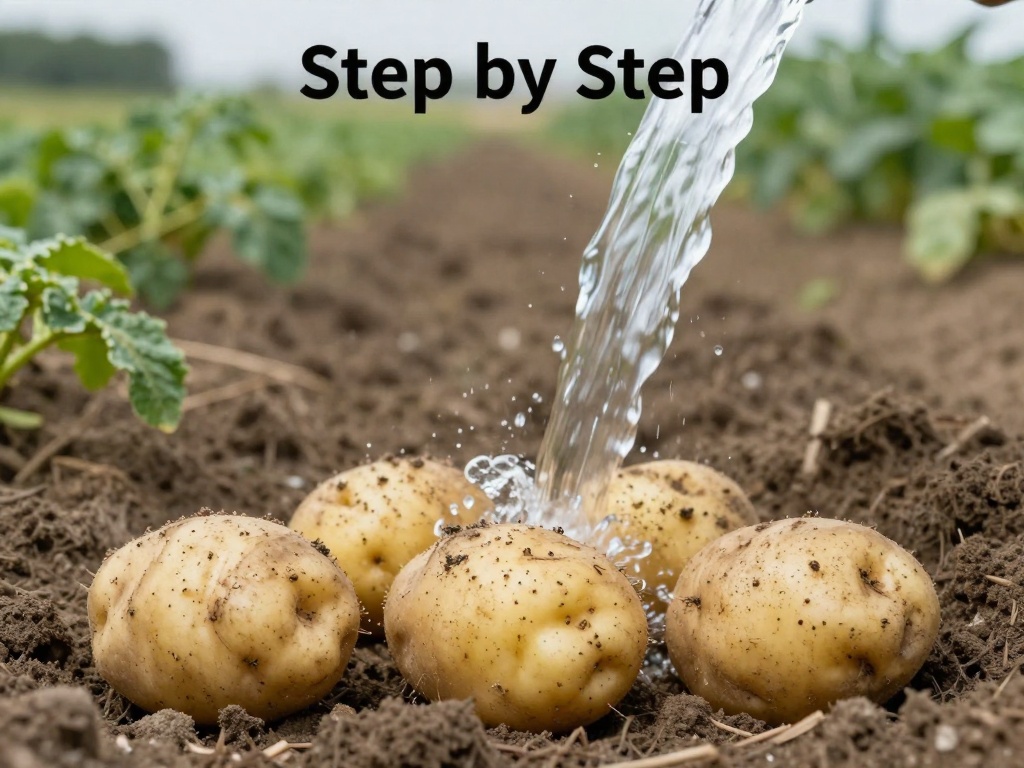
2026 Guide: Potatoes Watering Step by Step for Maximum Yield
Growing potatoes requires more than just planting and waiting. Understanding potatoes watering step by step can mean the difference between a handful of small tubers and a bountiful harvest of plump, delicious potatoes. This comprehensive guide walks you through every stage of watering your potato plants for optimal growth and maximum yield.
Why Proper Watering Matters for Potato Plants
Potatoes are 80% water, which means your watering directly impacts tuber development, skin thickness, and storage quality. Inconsistent watering leads to cracked skins, hollow hearts, and poor yields. Learning the correct potato watering technique ensures your plants develop strong, disease-resistant foliage and produces potatoes that store well for months.
Understanding Potato Water Requirements by Growth Stage
Each growth stage has specific water needs. During emergence, potatoes need minimal water as the tubers are just sprouting. The critical period begins when plants flower—this is when tubers form and enlarge. Underwatering during this phase drastically reduces your harvest, while overwatering invites fungal diseases like blight.
Step 1: Assess Your Soil Drainage Before Planting
Good potato watering starts before you plant a single tuber. Potatoes thrive in loose, well-draining soil with a pH between 5.8 and 6.5. Sandy loam or loamy soil allows excess water to escape while retaining enough moisture for consistent hydration. Clay soil holds too much water and causes tubers to rot, while pure sand dries too quickly and demands constant attention.
Testing Your Garden Bed Drainage
Dig a hole 12 inches deep and fill it with water. If the water disappears within 1-2 hours, drainage is excellent. If it remains for 4+ hours, you have poor drainage and should consider planting potatoes in raised beds or amending the soil with compost and coarse sand.
Step 2: Calculate Initial Watering Amounts
Mature potato plants need 1-2 inches of water per week, including rainfall. For beginners growing potatoes, this translates to approximately 1 gallon of water per square foot of soil twice weekly during active growth. Container potatoes may need more frequent watering as pots dry out faster than ground beds.
Measuring Water Applied to Your Potato Patch
Place a rain gauge or empty tuna can near your potato plants to measure irrigation. This simple tool tells you exactly how much water your garden receives, preventing both underwatering and overwatering. Consistent measurement is essential for potatoes watering step by step success.
Step 3: Water Newly Planted Potatoes Correctly
After planting seed potatoes 4 inches deep, water lightly to settle the soil without soaking it. At this stage, the goal is maintaining slight soil moisture, not saturation. Overwatering newly planted potatoes causes the seed pieces to rot before they can sprout. Light watering every 3-4 days during cool weather is sufficient until sprouts emerge.
Signs of Overwatering vs. Underwatering in Seed Potatoes
Overwatered seed potatoes appear mushy, develop foul odors, and fail to sprout. Underwatered seed pieces become shrunken and desiccated. If your soil feels cool and damp 2 inches below the surface, the moisture level is perfect for sprouting.
Step 4: Establish a Consistent Watering Schedule
Once potato plants emerge and reach 6 inches tall, establish a regular watering schedule. Water deeply twice per week rather than lightly every day. Deep watering encourages roots to grow downward, creating more resilient plants that better tolerate dry spells. Shallow, frequent watering produces weak root systems vulnerable to drought stress.
Best Time of Day to Water Potato Plants
Water early morning between 5 AM and 9 AM for best results. This timing allows foliage to dry before evening, reducing fungal disease risk. If morning watering isn't possible, water late afternoon but still early enough that foliage dries before nightfall. Never water during peak afternoon sun—evaporation wastes water and water droplets can scorch leaves.
Step 5: Increase Water During Critical Growth Phases
The flowering stage marks the most water-demanding period for potato plants. During bloom, tuber initiation occurs underground, and your plants need maximum hydration. Increase watering to 2 inches per week equivalent during this phase. This step by step watering approach during critical periods dramatically improves tuber size and quantity.
Monitoring Plant Signals for Water Needs
Healthy potato leaves stand erect and have a slightly leathery texture. Wilting in afternoon heat is normal, but plants that remain wilted by morning need immediate water. Yellowing lower leaves often indicate overwatering, while pale green or bronze-tinged leaves suggest drought stress.
Step 6: Maintain Watering Through Bulking Phase
After flowering, potatoes enter the bulking phase where tubers enlarge rapidly. Continue consistent watering through this entire period, which typically lasts 4-6 weeks. Uneven watering during bulking causes tuber growth cracks and second growth deformities. Maintain the same watering frequency you established during flowering.
Reducing Water as Vines Begin to Die Back
When potato vines yellow and naturally die back, reduce watering by half. This signals the tubers are reaching maturity and excess water at this stage can cause storage problems. Stop watering entirely 2-3 weeks before harvest to allow tuber skins to cure properly in the ground.
Step 7: Master Container and Raised Bed Watering
Potatoes in containers and raised beds require adjusted watering schedules because these growing methods dry out faster than ground-level gardens. Containers may need daily watering during hot summer weather. Check soil moisture daily by inserting your finger 2 inches deep—water when the soil feels dry at that depth.
Drip Irrigation Systems for Potatoes
For larger potato plantings, consider drip irrigation. Drip systems deliver water directly to the soil zone where tubers develop, reducing leaf wetness that promotes blight. Soaker hoses buried under mulch layers work excellently for organic potato growing and maintain consistent soil moisture with minimal waste.
Step 8: Mulch to Optimize Water Retention
Apply 4-6 inches of organic mulch around potato plants after they emerge. Straw, shredded leaves, or grass clippings work well for natural potato cultivation. Mulch dramatically reduces evaporation, keeps soil temperatures moderate, and suppresses weeds that compete for moisture. Mulched potato beds typically require 25-30% less water than unmulched plantings.
When to Remove or Replace Mulch
Keep mulch in place throughout the growing season, adding fresh material as it decomposes. Good mulch coverage should remain visible even after settling. If mulch becomes compacted and water puddles on top, fluff it with a garden fork to restore proper air circulation.
Step 9: Harvest Success Depends on Final Watering
Two to three weeks before harvest, stop watering completely. Dry soil conditions allow potato skins to cure and thicken, improving storage quality and resistance to bruising during harvest. Tubers harvested from dry soil also have better flavor and texture than those harvested from wet conditions.
Curing and Storage After Watering Ends
After harvesting, cure potatoes in a dry, shaded location for 1-2 weeks. This curing process allows minor cuts and abrasions to heal, extending storage life. Store cured potatoes in cool, dark conditions between 40-50°F for maximum longevity.
Troubleshooting Common Potato Watering Problems
Even with careful potatoes watering step by step practices, problems occasionally arise. Identifying and correcting issues quickly prevents permanent damage to your crop.
Fixing Overwatered Potatoes
If overwatering occurs, withhold water immediately and improve soil drainage by adding compost or creating drainage channels. Remove any visibly affected plant material to prevent disease spread. Potatoes typically recover from minor overwatering within a week if drainage is corrected.
Reviving Underwatered Potato Plants
Drought-stressed potatoes recover remarkably well with proper care. Water deeply in the early morning and maintain consistent moisture for 2 weeks. Avoid the temptation to overcompensate—gradual rehydration prevents shock. Most mildly stressed plants recover fully within 10-14 days.
FAQ: Frequently Asked Questions About Potatoes Watering
How often should I water potato plants in hot weather?
During temperatures above 85°F, potato plants may need daily watering, especially in containers or raised beds. Check soil moisture twice daily during heat waves and water deeply when the top 2 inches of soil feel dry. Morning watering is essential to reduce evaporation stress.
Can I use overhead sprinklers for watering potatoes?
Overhead sprinklers work but increase disease risk by keeping foliage wet for extended periods. If using sprinklers, water early morning so foliage dries quickly. Drip irrigation or soaker hoses are superior choices for potatoes watering step by step success because they deliver water directly to the root zone.
What are the signs of overwatering potatoes?
Overwatered potato plants show yellowing leaves that may drop prematurely, soft stems at the base, water-soaked spots on leaves, and general wilting despite wet soil. Tubers may develop soft rot or show cracks. Adjust watering immediately if these symptoms appear.
How do I know when potatoes need water?
Check soil moisture by inserting your finger 2-3 inches into the soil near plant bases. If it feels dry at that depth, water immediately. Visual cues include slightly wilted foliage in late afternoon (normal) versus morning (needs water) and slower growth than expected.
Does the potato growing method affect watering frequency?
Yes significantly. Potatoes in containers require daily or every-other-day watering compared to ground plantings watered twice weekly. Raised beds need watering 30-50% more often than in-ground gardens. Hilled potatoes retain moisture better than flat-planted rows.
How much water do potato plants need during tuber formation?
Potato plants need maximum water during and after flowering when tubers are forming. Provide 2 inches of water per week (equivalent to 1.5 gallons per square foot) during this critical phase. Inconsistent watering during tuber formation causes deformed, cracked, or hollow potatoes.
What is the biggest mistake in potatoes watering?
The most common mistake is watering too lightly and too frequently. This creates shallow roots and keeps the soil surface constantly damp, promoting disease while starving the plants of deep hydration they need. Always water deeply but less often to encourage robust root development.
Mastering potatoes watering step by step transforms average potato harvests into exceptional ones. By understanding your soil, following growth-stage requirements, and maintaining consistency, you’ll enjoy a productive potato garden that supplies your kitchen with fresh, flavorful tubers from summer through winter storage.
No comments