
Parsley in Raised Beds & Containers: Your 2026 Complete Growing Guide
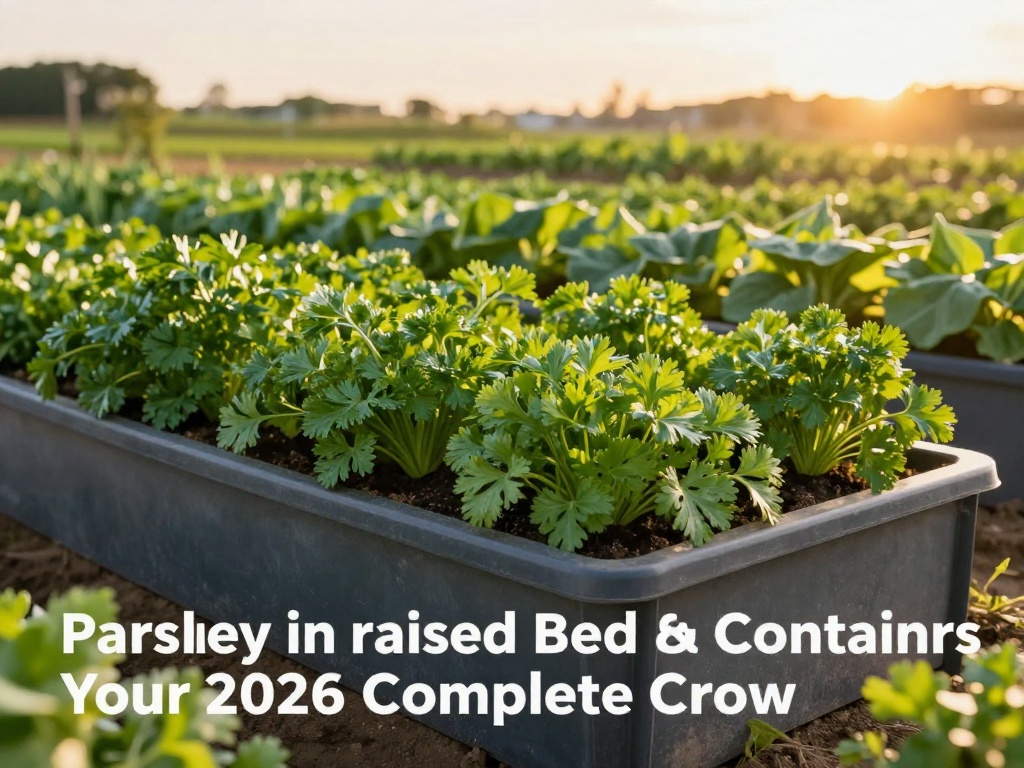
Parsley in Raised Beds & Containers: Your 2026 Complete Growing Guide
Growing parsley in raised beds and containers offers a practical solution for gardeners with limited space. Whether you have a small balcony, patio, or just a sunny windowsill, you can enjoy a bountiful harvest of this versatile herb. This step-by-step guide walks you through everything you need to know about cultivating thriving parsley plants in contained environments.
Why Grow Parsley in Raised Beds and Containers?
Container and raised bed gardening has gained tremendous popularity among both beginners and experienced growers. The advantages extend beyond mere convenience—these methods provide better control over soil quality, drainage, and pest management. When you grow parsley in containers, you can easily move plants to optimize sunlight exposure throughout the growing season.
Space Efficiency for Small Spaces
One of the most compelling reasons to choose parsley raised bed in containers gardening is the ability to maximize limited space. A single container on your patio can produce enough fresh parsley for your entire family. Raised beds also allow you to garden in areas where traditional in-ground planting isn't feasible, such as concrete patios or compacted soil environments.
Better Disease and Pest Control
Elevated growing environments naturally reduce the risk of soil-borne diseases and many common garden pests. This organic method keeps your parsley healthier with less intervention, making it ideal for those seeking a natural approach to herb cultivation.
Choosing the Right Container or Raised Bed
Selecting appropriate containers for parsley requires careful consideration of size, material, and drainage capabilities. Parsley develops a substantial taproot, so depth matters more than width for healthy growth.
Container Size Requirements
For optimal results, use containers that are at least 8-10 inches deep. This depth accommodates the parsley taproot system while allowing adequate room for lateral root development. Window boxes work well for small-space gardening, while 5-gallon buckets provide excellent conditions for robust plant growth. Ensure your chosen container has multiple drainage holes to prevent waterlogging.
Material Considerations
Terra cotta containers offer excellent breathability and naturally regulate soil moisture. Plastic containers retain water longer, which benefits parsley during hot summer months. Wooden raised beds provide insulation against temperature fluctuations and blend aesthetically into garden settings.
Soil Preparation for Maximum Yield
The foundation of successful parsley in raised beds and containers cultivation lies in proper soil preparation. Parsley thrives in rich, well-draining soil with a slightly acidic to neutral pH range of 6.0 to 7.0.
Creating the Perfect Growing Medium
Mix quality potting soil with aged compost in a 2:1 ratio for nutrient-dense growing medium. Add perlite or coarse sand to improve drainage—about 20% of the total volume. This combination ensures adequate moisture retention while preventing root rot. Avoid using garden soil alone, as it compacts easily in containers and may harbor disease organisms.
Essential Nutrients for Thriving Plants
Before planting, incorporate a slow-release organic fertilizer into your soil mix. Parsley benefits from regular feeding with nitrogen-rich fertilizers that promote lush leaf production. Fish emulsion or seaweed extract applied every two weeks during the growing season supports vigorous growth.
Planting and Spacing Guidelines
Proper planting technique dramatically influences your parsley harvest potential. Understanding seed germination requirements and spacing needs helps beginners achieve success faster.
Starting from Seeds
Parsley seeds benefit from soaking in warm water for 24 hours before planting—this accelerates germination significantly. Sow seeds 1/4 inch deep in moist soil, maintaining consistent temperature between 70-75°F for optimal sprouting. Seeds typically emerge within 14-28 days, so patience is essential for this step-by step process.
Transplanting Seedlings
If using nursery transplants, gently remove them from their original containers, disturbing roots as little as possible. Plant at the same depth they grew previously and water thoroughly. Space plants 6-8 inches apart in containers to allow proper air circulation and leaf development.
Sunlight and Watering Requirements
Understanding parsley's light and moisture needs ensures healthy plants throughout the season. Both factors directly impact flavor intensity and leaf production rates.
Optimal Light Conditions
Parsley performs best with 6-8 hours of direct sunlight daily. In extremely hot climates, afternoon shade prevents wilting and bolting. Container gardeners can easily move plants to track available sunlight throughout the day—this flexibility proves particularly valuable for windowsill and balcony growing.
Watering Techniques for Healthy Growth
Keep soil consistently moist but never waterlogged. Check soil moisture by inserting your finger one inch deep—water when it feels dry at this depth. Morning watering allows foliage to dry before evening, reducing fungal disease risk. Deep, infrequent watering encourages stronger root development compared to light, frequent applications.
Common Problems and Solutions
Even well-maintained parsley in raised beds and containers faces occasional challenges. Recognizing issues early allows for quick intervention and minimal crop loss.
Yellowing Leaves
Yellow foliage typically indicates overwatering or nutrient deficiency. Reduce watering frequency and apply a balanced liquid fertilizer. If yellowing persists, check for root congestion—parsley may need transplanting to a larger container.
Wilting Despite Adequate Water
This symptom often signals root rot from poor drainage. Ensure your containers have sufficient holes and consider elevating them slightly for improved air circulation beneath.
Leggy Growth
Insufficient light causes parsley to stretch toward available light sources, resulting in weak, spindly stems. Move containers to brighter locations or supplement with grow lights for indoor growing.
Harvesting and Storage Tips
Knowing when and how to harvest parsley maximizes your yield while encouraging continued production throughout the growing season.
Proper Harvesting Technique
Begin harvesting when stems have three or more leaf clusters. Cut stems from the outer portions of the plant, leaving the center to continue producing. Regular harvesting promotes bushier growth and extends your harvest window significantly.
Storage Methods
Fresh parsley keeps well in water at room temperature for up to two weeks. For longer storage, chop leaves and freeze in ice cube trays with olive oil—this method preserves flavor perfectly for cooking applications. Dried parsley maintains quality for several months when stored in airtight containers away from light.
Frequently Asked Questions
Can parsley survive winter in containers?
Parsley is frost-tolerant and can survive temperatures as low as 20°F. In containers, move plants to a sheltered location or insulate containers with bubble wrap. In mild climates, parsley often remains productive throughout winter in outdoor raised beds.
How often should I fertilize container-grown parsley?
Feed parsley every two weeks during active growing season with a diluted liquid fertilizer. Stop feeding during winter months when growth naturally slows. Over-fertilizing causes salt buildup that damages roots.
Why is my parsley slow to germinate?
Parsley seeds naturally have slow germination rates, often requiring 3-4 weeks. Soaking seeds overnight and maintaining consistent soil warmth (70-75°F) speeds germination. Old seeds or cold soil dramatically delays sprouting.
Can I grow parsley indoors year-round?
Yes, parsley thrives indoors with adequate light. Place containers near south-facing windows or use fluorescent grow lights for 12-14 hours daily. Indoor parsley may need more frequent watering due to lower humidity levels.
What companion plants work well with parsley in raised beds?
Parsley grows harmoniously with tomatoes, peppers, lettuce, and chives. Avoid planting near carrots or brassicas. Container gardeners can position parsley alongside other herbs like basil and cilantro for a varied herb garden.
How do I prevent parsley from bolting?
Bolting occurs when temperatures exceed 85°F for extended periods. Provide afternoon shade during hot weather and keep soil consistently moist. Choosing slow-bolt varieties extends your harvest window in warm climates. Cutting flower stalks immediately redirects energy to leaf production.
Growing parsley in raised beds and containers rewards gardeners with fresh, flavorful herbs throughout the season. This accessible method eliminates traditional garden space requirements while delivering exceptional results. Start your container garden today and enjoy the convenience of harvesting fresh parsley steps away from your kitchen.
No comments