
Herb Seed Starting Step by Step: 2026 Beginner's Guide
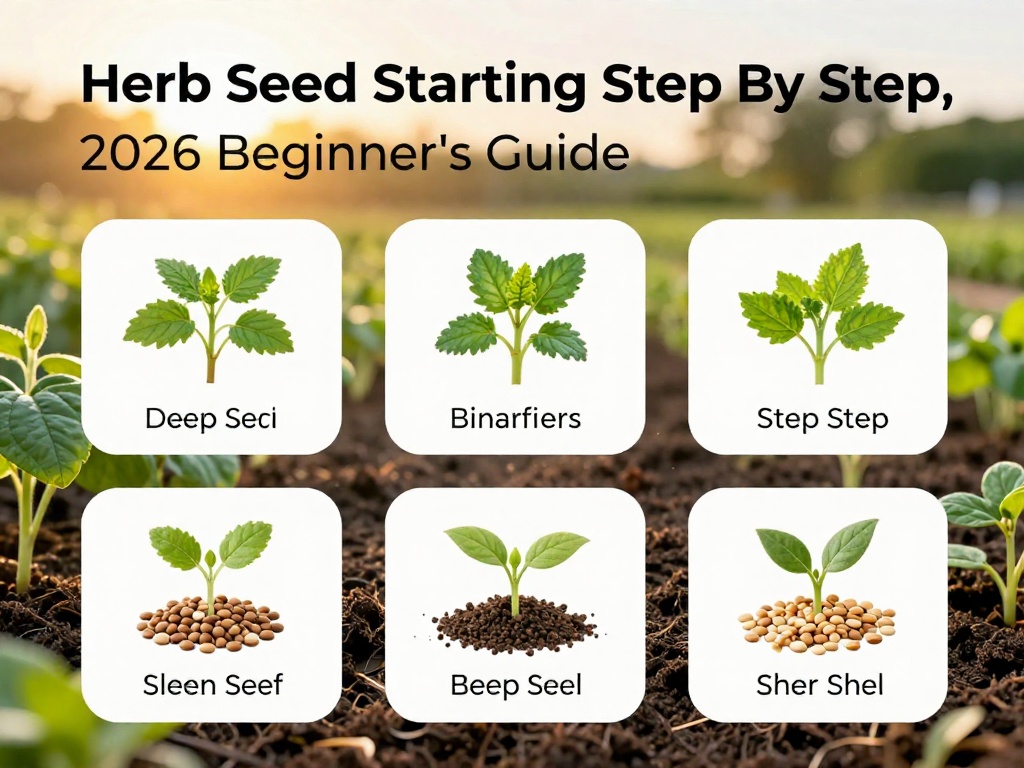
Herb Seed Starting Step by Step: 2026 Beginner's Guide
Starting herbs from seeds is one of the most rewarding experiences for any gardener. Not only does it save money compared to buying established plants, but it also gives you access to a wider variety of herb species that you won't find at your local nursery. In this 2026 guide, we'll walk you through herb seed starting step by step, so you can successfully grow basil, cilantro, parsley, and dozens of other culinary herbs right in your own home.
Why Start Herbs from Seeds?
Learning how to start herb seeds offers numerous advantages for both beginner and experienced gardeners. First, seed starting gives you complete control over your plants from day one. You can choose organic, non-GMO seeds and ensure your herbs are grown without harmful chemicals. Additionally, starting seeds indoors extends your growing season, allowing you to get a head start on the spring garden.
Many popular culinary herbs like basil, dill, and chives are incredibly easy to grow from seed. The germination process is straightforward when you follow proper techniques, and watching your seedlings emerge and develop is genuinely exciting. Whether you have a small windowsill or a dedicated growing space, herb seed germination is accessible to everyone.
Choosing the Right Herb Seeds for Beginners
Before diving into the step-by-step process, selecting the appropriate seeds makes a significant difference in your success rate. Some herbs are more forgiving for beginners, while others require more precise conditions to germinate successfully.
Best Herbs to Start from Seed
- Basil – One of the easiest herbs to grow from seed, basil germinates quickly and produces abundant harvests
- Cilantro – Fast-growing and versatile, perfect for kitchen gardens
- Parsley – Biennial herb that adapts well to various conditions
- Chives – Hardy perennial that returns year after year
- Dill – Easy to grow with minimal care requirements
- Oregano – Mediterranean herb that thrives with basic attention
Seeds to Avoid as a Beginner
Some herbs have notoriously difficult germination or require very specific conditions. Rosemary, lavender, and sage can be challenging for first-time seed starters. While you can certainly try these varieties, consider starting with the beginner-friendly options first to build your confidence and skills.
Essential Supplies for Starting Herb Seeds
Gathering the right materials before you begin ensures a smooth and successful seed starting experience. Having everything prepared in advance allows you to focus on the process without unnecessary interruptions.
Seed StartingContainers and Trays
You can use seed starting trays, peat pots, or recycled containers like egg cartons for starting herb seeds. The key is ensuring adequate drainage holes to prevent waterlogging, which can cause seed rot. Seed starting trays with humidity domes create an ideal microclimate for germination, but they're not strictly necessary for success.
Quality Seed Starting Mix
Using a sterile, lightweight seed starting mix is essential for herb seed germination. Garden soil is too heavy and may contain pathogens that can harm delicate seedlings. Look for mixes specifically formulated for seed starting, or create your own blend using peat moss, vermiculite, and perlite.
Proper Lighting Setup
Most herbs require 12-16 hours of light daily for healthy growth. While a sunny windowsill can work, grow lights often provide more consistent results, especially during winter months or in north-facing spaces. Position lights 4-6 inches above seedlings and adjust as they grow.
Additional Essential Items
- Plant mister or small watering can
- Clear plastic wrap or humidity dome
- Labels and permanent marker
- Heat mat (optional but helpful)
- Small fan for air circulation
Herb Seed Starting Step by Step Process
Step 1: Timing Your Seed Starting
Knowing when to start your seeds is crucial for success. Generally, you should start herb seeds indoors 6-8 weeks before your last expected frost date. This gives seedlings enough time to develop strong root systems before transplanting outdoors. Research the specific herbs you're growing, as germination times vary significantly between varieties.
Step 2: Preparing Your Containers
Fill your seed starting containers with moist seed starting mix, leaving about 1/4 inch of space at the top. Gently firm the soil without compressing it too tightly. The mix should be damp but not soaking wet. If using peat pots, soak them briefly before filling to prevent them from wicking moisture away from the soil.
Step 3: Planting the Seeds
Check the seed packet for specific planting instructions, as depth requirements vary by herb type. As a general rule, plant seeds at a depth approximately twice their width. Very small seeds like basil should barely be covered, while larger seeds like peas need deeper planting. Lightly mist the soil surface after planting and cover with plastic wrap if using humidity domes.
Step 4: Providing Optimal Germination Conditions
Most herb seeds germinate best at temperatures between 65-75°F (18-24°C). Place your seed trays in a warm location away from direct sunlight initially. A heat mat can be particularly helpful for achieving consistent temperatures. Remove plastic covers once sprouts emerge to prevent fungal growth while maintaining adequate humidity.
Step 5: Caring for Seedlings After Germination
Once your seeds germinate and seedlings emerge, immediate attention to lighting becomes critical. Move seedlings under grow lights or to your sunniest windowsill. Keep the soil consistently moist but never waterlogged. Water from below when possible to encourage deep root growth and prevent damping off disease.
Step 6: Hardening Off Before Transplanting
Before moving seedlings outdoors permanently, gradually acclimate them to outdoor conditions through a process called hardening off. Start by placing seedlings outside for 1-2 hours in a sheltered, shaded location. Increase exposure time and sun exposure daily over 7-14 days. This gradual transition prevents transplant shock and strengthens plants.
Common Mistakes to Avoid When Starting Herb Seeds
Understanding common pitfalls helps you avoid frustration and plant loss. Many beginner gardeners make similar mistakes that can be easily prevented with proper knowledge and attention.
Overwatering and Poor Drainage
Excessive moisture is the leading cause of seed starting failure. Soggy soil creates conditions for fungal diseases and prevents roots from accessing oxygen. Water sparingly and ensure all containers have functional drainage holes. Allow the soil surface to dry slightly between waterings once seedlings are established.
Insufficient Light After Germination
Weak, leggy seedlings often result from inadequate lighting. When seedlings stretch toward light sources, they're not receiving enough intensity or duration of illumination. This creates weak stems that struggle to support the plant. Proper lighting from the start produces stocky, healthy seedlings ready for transplanting.
Starting Seeds Too Early or Too Late
Timing matters significantly in herb seed starting step by step. Starting too early results in overgrown seedlings that become root-bound and stressed before conditions allow outdoor planting. Starting too late delays harvest and may expose young plants to summer heat that some herbs cannot tolerate.
Transplanting Your Herb Seedlings Outdoors
When outdoor soil temperatures warm sufficiently and all frost danger has passed, it's time to transplant your hardened seedlings. Choose a location with at least 6 hours of direct sunlight for most culinary herbs. Work compost into the planting area to improve soil structure and fertility.
Space plants according to their mature size, typically 12-18 inches apart for most common herbs. Water thoroughly after transplanting and maintain consistent moisture during the establishment period. Applying a light mulch around plants helps retain moisture and suppress weeds while protecting shallow roots.
Ongoing Care for Your Herb Plants
Once established, herbs require relatively minimal maintenance compared to many vegetable crops. Regular harvesting actually promotes bushier growth and extended production. Water deeply when the soil dries, typically 1-2 inches weekly depending on climate and soil conditions.
Monitor for common pest issues like aphids, spider mites, and whiteflies. Address problems early with appropriate organic controls to prevent widespread infestations. With proper care, your seed-started herbs will provide fresh, flavorful harvests throughout the growing season and for years to come for perennial varieties.
FAQ: Herb Seed Starting Common Questions
How long does it take for herb seeds to germinate?
Herb seed germination times vary significantly by species. Fast-germinating herbs like basil and dill may sprout within 5-10 days, while slower varieties like parsley can take 2-3 weeks. Rosemary and lavender may require 3-4 weeks or longer. Temperature, moisture, and seed freshness all affect germination speed.
Do herb seeds need light to germinate?
Most herb seeds germinate fine without light since the energy comes from the seed itself. However, some light-loving herbs benefit from light exposure after planting. As a general practice, providing bright indirect light after sowing helps ensure strong, even germination once sprouts emerge.
What is the best temperature for starting herb seeds?
Most culinary herbs germinate best at temperatures between 65-75°F (18-24°C). Warm-season herbs like basil prefer the higher end of this range, while cooler-season herbs like parsley tolerate slightly cooler conditions. Using a heat mat can help maintain consistent temperatures for optimal germination rates.
Can I start herb seeds directly outdoors?
Yes, many hardy herbs can be direct sown outdoors after all frost danger has passed. cilantro, dill, and chives are particularly suited for direct outdoor seeding. However, starting seeds indoors gives you a head start and allows you to enjoy earlier harvests while protecting young seedlings from weather extremes and pests.
Why are my herb seedlings falling over?
Seedling damping off typically causes this problem, resulting from fungal infection encouraged by overly moist conditions, poor air circulation, or contaminated soil. Prevent this by using sterile seed starting mix, providing adequate spacing between seedlings, ensuring good ventilation, and avoiding overwatering. Once affected, seedlings rarely recover.
When should I fertilize herb seedlings?
Wait until seedlings develop their second set of true leaves before applying any fertilizer. Use a diluted, balanced liquid fertilizer at half the recommended strength. Over-fertilizing burns delicate roots and can kill seedlings. Healthy seedlings started in quality seed mix typically need no additional nutrition until several weeks after transplanting.
How do I know when to transplant herb seedlings?
Transplant seedlings when they have developed 2-3 sets of true leaves and roots begin emerging from drainage holes. Seedlings should be 3-4 inches tall and have sturdy stems. Avoid letting seedlings become root-bound or severely stressed before transplanting, as this setbacks growth and reduces overall health.
No comments