
Radishes Seed Starting in Containers: 2026 Complete Guide
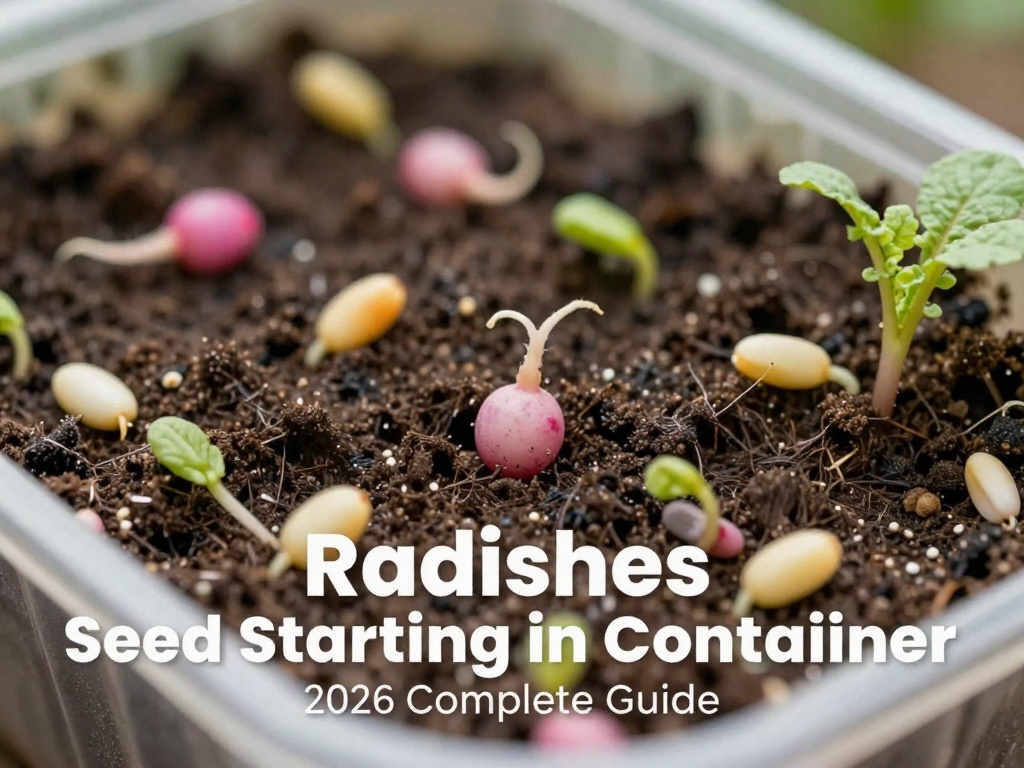
Radishes Seed Starting in Containers: 2026 Complete Guide
Starting radishes seed starting in containers offers urban gardeners and space-limited growers an incredibly rewarding path to fresh, crispy harvests. Radishes rank among the fastest-growing vegetables, making them perfect for container cultivation where you can control every aspect of their development. This comprehensive guide provides step-by-step instructions for beginners seeking to master radishes seed starting in containers, ensuring successful germination and robust growth regardless of your available space.
Why Choose Containers for Radishes Seed Starting
Container gardening transforms any balcony, patio, or sunny windowsill into a potential radish patch. Growing radishes in containers delivers exceptional advantages that traditional garden beds cannot match. You gain complete control over soil composition, drainage, and positioning to maximize sunlight exposure throughout the day.
Space Efficiency for Small Spaces
Containers enable radishes seed starting even in apartments, condos, and areas with minimal outdoor space. A single deep window box can produce multiple rows of radishes, delivering fresh harvests without requiring a traditional garden plot. This approach proves invaluable for renters who cannot modify permanent landscaping or homeowners seeking to maximize their productive growing areas.
Better Pest and Disease Management
Elevated containers naturally deter many ground-dwelling pests that traditionally threaten radish crops. Soil-borne diseases become easier to prevent when you start with sterile potting mix and maintain proper drainage. This natural protection reduces the need for chemical interventions, supporting organic gardening principles.
Essential Supplies for Radishes Seed Starting in Containers
Gathering quality supplies before beginning your radishes seed starting journey prevents frustration and improves your success rate significantly. Each component plays a specific role in creating optimal conditions for germination and healthy root development.
Choosing the Right Containers
Radishes require adequate depth for their taproots to develop properly. Select containers with a minimum depth of 6 inches for round varieties and 8-10 inches for longer cultivars like daikon radishes. Width matters equally since radishes seed starting works best when you can space seeds properly without overcrowding. Standard rectangular window boxes, fabric grow bags, and round plastic containers all perform excellently.
Ensure your chosen containers feature adequate drainage holes. Standing water causes radish roots to rot quickly, destroying your crop before it matures. Place a saucer beneath containers to catch excess water and protect surfaces while allowing roots to drain freely.
Selecting Quality Potting Mix
Never use garden soil alone for container radishes seed starting. Garden soil compacts heavily in containers, suffocating developing roots and preventing proper drainage. Instead, select a premium potting mix specifically formulated for containers or create your own blend combining peat moss, perlite, and vermiculite in equal proportions.
The ideal potting mix for radishes offers excellent drainage while retaining sufficient moisture for consistent hydration. Look for mixes containing slow-release organic fertilizers that provide nutrition throughout the growing season without burning delicate seedlings.
Choosing Radish Seeds for Containers
Not all radish varieties perform equally well in containers. Select compact, fast-maturing cultivars specifically suited for container growing. Cherry Belle, French Breakfast, and Sparkler radishes excel in confined spaces, producing harvests within 25-30 days of germination.
For beginners, disease-resistant hybrid varieties offer greater reliability than heirloom selections. Read seed packets carefully to verify expected mature size and days to harvest, ensuring your chosen variety matches your container dimensions and climate conditions.
Step-by-Step Radishes Seed Starting Process
Following a systematic approach to radishes seed starting in containers dramatically improves germination rates and produces stronger, more uniform seedlings. Each step builds upon the previous one, creating optimal conditions for successful growth.
Timing Your Radishes Seed Starting
Radishes prefer cool weather, making spring and fall the ideal seasons for container planting. Begin radishes seed starting 4-6 weeks before your last expected frost date for spring crops. Fall planting works equally well, with seeds typically started 6-8 weeks before your first autumn frost.
In mild climates, winter radishes seed starting remains possible with frost protection measures. Monitor soil temperature using a soil thermometer, aiming for consistent readings between 50-65°F (10-18°C) for optimal germination. Temperatures above 80°F (27°C) cause radishes to bolt rather than develop proper roots.
Preparing Containers and Soil
Fill your selected containers with moistened potting mix, leaving approximately one inch of space below the container rim. Gently firm the soil surface without compacting it excessively. The goal is creating a smooth, level planting surface that promotes uniform seed placement and consistent moisture distribution.
Water the filled containers thoroughly, allowing excess moisture to drain completely before proceeding with seeding. This moisture preload ensures seeds contact consistently damp soil immediately after planting, promoting rapid and uniform germination.
Planting Radish Seeds Correctly
Create shallow furrows in your container soil approximately 1/4 inch deep using your finger or a small stick. Space furrows at least 2 inches apart to accommodate mature radish development. Carefully distribute seeds along each furrow, maintaining approximately 1-inch spacing between individual seeds.
Cover seeds lightly with soil, pressing gently to ensure good seed-to-soil contact without burial depth exceeding 1/2 inch. Excessive planting depth prevents germination, while overly shallow planting leaves seeds vulnerable to drying out. Label your containers with variety name and planting date for accurate tracking.
Caring for Radish Seedlings in Containers
Proper care during the seedling stage determines whether your radishes develop into crisp, flavorful roots or become stunted, woody specimens. Attention to watering, light, and thinning ensures your seedlings receive everything necessary for vigorous growth.
Watering Requirements
Consistent moisture proves absolutely critical for radishes seed starting success. Container soil dries faster than garden beds, requiring more frequent watering attention. Check soil moisture daily by inserting your finger approximately one inch deep. Water whenever the soil feels dry at this depth, thoroughly saturating the entire container until water flows freely from drainage holes.
Uneven watering causes radishes to split, develop woody textures, or form misshapen roots. Establishing a regular watering schedule helps maintain consistent moisture levels that promote smooth, rapid root development. Early morning watering allows foliage to dry throughout the day, reducing fungal disease risks.
Light and Temperature Management
Radish seedlings require at least 6 hours of direct sunlight daily for optimal development. Position containers where they receive maximum sun exposure, rotating containers weekly to ensure even light distribution across all seedlings. Inadequate light produces leggy seedlings with weak stems, resulting in poor root formation.
Monitor temperature fluctuations carefully during the seedling stage. While radishes prefer cool conditions, container soil temperatures can spike dramatically in direct sunlight, especially in smaller containers. Light-colored containers help reflect excess heat, or consider using mulch to insulate soil surfaces from temperature extremes.
Thinning Seedlings for Proper Growth
Thinning ranks among the most critical yet frequently neglected steps in radishes seed starting. When multiple seedlings emerge too close together, competition for water, nutrients, and light produces stunted, deformed radishes. Remove weaker seedlings once true leaves appear, leaving the strongest plant every 2 inches along each row.
Use small scissors to snip unwanted seedlings at soil level rather than pulling them, which disturbs roots of remaining plants. Thinned seedlings can be microgreens for salads, ensuring nothing goes to waste from your container garden efforts.
Common Problems When Starting Radishes in Containers
Understanding potential challenges helps you prevent or address issues before they compromise your harvest. Container radishes face distinct problems requiring specific solutions.
Prevention and Solutions
Flea beetles create tiny shot holes in radish leaves but rarely cause serious damage to roots. Floating row covers applied immediately after radishes seed starting provide effective physical barriers against these pests. Aphids occasionally colonize radish foliage; spray affected plants with strong water streams or insecticidal soap for organic control.
Root maggots pose more serious threats, burrowing into developing radishes and leaving them inedible. These pests originate from flies laying eggs in contaminated soil. Avoiding fresh manure in your potting mix and practicing crop rotation in successive plantings prevents maggot infestations effectively.
Harvesting Your Container-Grown Radishes
Knowing when and how to harvest distinguishes between crisp, mild radishes and hot, pithy ones. Container-grown radishes typically mature faster than garden-planted counterparts due to optimized soil conditions and consistent moisture.
Begin checking for maturity approximately three weeks after germination for quick-growing varieties. Pull a test radish to assess size before harvesting entire containers. Mature radishes should measure approximately one inch in diameter at the soil surface with smooth, uncracked skin.
Harvest promptly once radishes reach maturity, as delayed harvesting causes roots to become spongy and split. Early morning harvesting produces the crispest texture, with roots cooling quickly after removal from soil. Wash harvested radishes thoroughly and store them refrigerated in plastic bags for up to two weeks.
FAQ
What is the best time of year for radishes seed starting in containers?
Radishes seed starting in containers works best during spring and fall when temperatures range between 50-65°F (10-18°C). Spring planting should occur 4-6 weeks before your last frost date, while fall planting works 6-8 weeks before first autumn frost. In mild climates, winter growing remains possible with basic frost protection.
How deep should containers be for growing radishes?
Container depth requirements depend on radish variety. Standard round radishes need minimum 6-inch depth, while longer varieties like daikon require 8-10 inches. Width matters less than depth, but containers should accommodate proper seed spacing of 2 inches between plants for optimal root development.
Why are my container radishes all tops and no bottoms?
This common problem stems from excessive nitrogen fertilizer, which promotes leafy growth over root development. Insufficient light also causes this issue, as radishes redirect energy toward leaves when sunlight remains inadequate. Avoid high-nitrogen fertilizers and ensure containers receive minimum 6 hours direct sunlight daily.
How often should I water radishes in containers?
Container radishes typically require daily watering during warm weather, checking soil moisture by inserting your finger one inch deep. Water whenever soil feels dry at this depth, thoroughly saturating until water flows freely from drainage holes. Consistent moisture prevents cracking, splitting, and woody textures in developing roots.
Can I grow radishes from kitchen scraps or saved seeds?
Radishes grown for roots produce seeds if allowed to bolt, but these saved seeds may produce unpredictable results in subsequent generations. Purchasing fresh seeds from reputable suppliers ensures reliable germination rates and true-to-type characteristics. Store bought radishes rarely produce viable seeds worth saving.
How long does it take from seed to harvest for container radishes?
Quick-growing radish varieties mature in 25-30 days from germination under optimal conditions. Most standard varieties harvest within 30-45 days. Container growing actually accelerates maturity compared to garden planting when you maintain consistent moisture, proper light, and appropriate temperatures throughout the growing season.
What is the easiest radish variety for beginners growing in containers?
Cherry Belle ranks as the easiest radish variety for container beginners, offering predictable germination, rapid 22-30 day maturity, and reliable performance across various growing conditions. French Breakfast and Easter Egg blends also work excellently, providing visual variety while maintaining beginner-friendly growth characteristics.
No comments