
2026 Guide to Parsley Planting on Balcony for Beginners
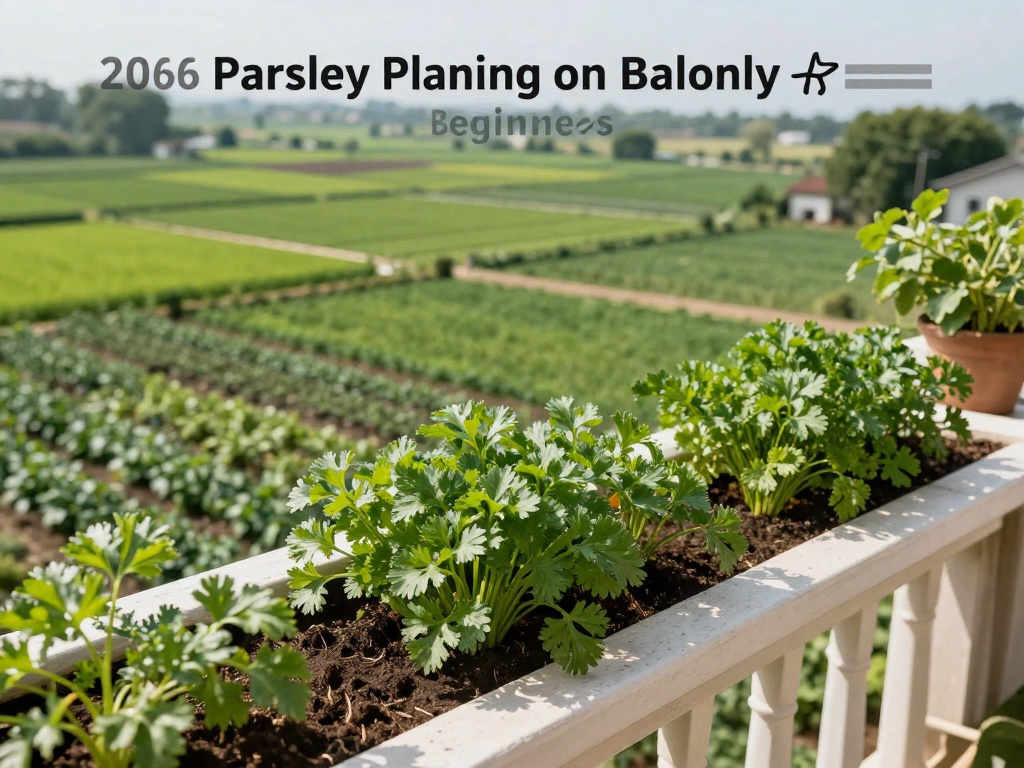
2026 Guide to Parsley Planting on Balcony for Beginners
Welcome to your complete parsley planting on balcony journey! Whether you have a tiny urban balcony or a spacious terrace, growing fresh parsley is one of the most rewarding container gardening experiences. This step-by-step guide covers everything you need to know about successfully cultivating this versatile herb in limited spaces, from choosing the right variety to harvesting your first bountiful crop.
Why Grow Parsley on Your Balcony?
Parsley is more than just a garnish—it's a nutritional powerhouse packed with vitamins A, C, and K. By planting parsley on your balcony, you gain immediate access to fresh, organic herbs that cost pennies to grow compared to store-bought bunches. Balcony herb gardens also bring greenery into urban spaces, improve air quality, and provide a satisfying hobby that connects you with nature.
Container growing offers exceptional control over growing conditions. You can move pots to optimize sunlight, prevent soil-borne diseases, and easily bring plants indoors during harsh weather. For apartment dwellers, balcony parsley planting represents the perfect entry point into edible gardening.
Best Parsley Varieties for Balcony Growing
Curly Leaf Parsley (Petroselinum crispum)
Curly parsley is the classic variety most commonly seen in restaurants. Its frilled leaves make an attractive addition to balcony containers, and the compact growth habit works beautifully in small spaces. This variety reaches about 12 inches tall, making it ideal for windowsills and railing planters.
Flat Leaf Italian Parsley
Flat leaf parsley offers superior flavor compared to its curly counterpart, making it the preferred choice for cooking enthusiasts. Italian parsley grows slightly taller (up to 18 inches) and produces more vigorous foliage. It thrives in containers and produces abundant harvests throughout the growing season.
Hamburg Root Parsley
For balcony gardeners seeking something unique, Hamburg root parsley delivers both edible leaves and a parsnip-like root. This dual-purpose variety requires deeper containers but rewards growers with two distinct harvests from a single plant.
Essential Requirements for Parsley Planting on Balcony
Choosing the Right Container
Successful parsley planting on balcony starts with appropriate container selection. Select pots at least 6-8 inches deep with adequate drainage holes. Terra cotta containers offer excellent breathability for roots, while plastic pots retain moisture longer during hot summer months. For maximum yield, choose containers that are 8-10 inches wide to accommodate multiple plants.
Soil and Growing Medium
Parsley thrives in well-draining, nutrient-rich potting mix. Avoid garden soil, which compacts easily in containers and may harbor pests. Instead, use quality potting soil amended with compost. A blend of 2 parts potting mix, 1 part perlite, and 1 part aged compost creates the ideal growing medium for healthy root development.
Light Requirements
Parsley performs best with 4-6 hours of direct sunlight daily. South-facing balconies provide optimal conditions, while east or west-facing locations work well with some adjustment. If your balcony receives limited light, supplement with grow lights positioned 6-12 inches above plants for 12-14 hours daily.
Temperature and Climate Considerations
Parsley prefers moderate temperatures between 60-75°F (15-24°C). While this herb tolerates light frost, prolonged cold exposure damages foliage. In hot climates, provide afternoon shade to prevent bolting. Container mobility allows you to optimize placement as seasons change.
Step by Step Parsley Planting Guide
Starting from Seeds
Parsley seeds benefit from soaking in warm water for 24 hours before planting to improve germination rates, which typically take 14-21 days. Sow seeds 1/4 inch deep in moist potting mix, covering lightly with soil. Maintain consistent moisture until seedlings emerge, typically within 2-3 weeks under optimal conditions.
Transplanting Seedlings
If starting with nursery seedlings, transplant them carefully into your prepared containers. Space plants 4-6 inches apart to allow proper air circulation and growth. Water thoroughly after transplanting and maintain consistent moisture levels during the establishment period.
Direct Sowing Method
For beginners, direct sowing offers simplicity. Plant 2-3 seeds per container at the recommended depth, thinning to the strongest seedling once true leaves develop. This natural approach reduces transplant shock and works exceptionally well in warm, sheltered balcony environments.
Care and Maintenance Tips for Thriving Plants
Watering Practices
Consistent moisture proves essential for parsley planting on balcony success. Water deeply when the top inch of soil feels dry, typically every 2-3 days during warm weather. Avoid overwatering, which leads to root rot, but never allow soil to completely dry out. Self-watering containers reduce maintenance for busy gardeners.
Fertilizing Schedule
Feed parsley every 2-3 weeks with diluted liquid fertilizer or compost tea for organic growing. Over-fertilization produces lush foliage with diminished flavor, so err on the side of moderation. Slow-release granular fertilizers applied at planting provide steady nutrition throughout the season.
Pest Management
Watch for common balcony pests including aphids, spider mites, and whiteflies. Inspect plants regularly and address infestations promptly with organic solutions like neem oil or insecticidal soap. Strong-smelling companion plants like basil help deter pests naturally.
Harvesting Your Balcony Parsley
Begin harvesting when plants have at least 8-10 leaves, typically 70-90 days after planting. Cut outer stems first, leaving the inner rosette intact for continued production. Regular harvesting encourages bushier growth and extends the productive life of your plants throughout the season.
For peak flavor, harvest parsley in the morning when essential oils concentrate in the leaves. Fresh parsley maintains quality for 1-2 weeks when refrigerated, while dried or frozen harvests preserve the harvest for year-round use.
Common Mistakes to Avoid
Many beginners struggle with parsley planting on balcony due to preventable errors. Skipping drainage holes causes waterlogging and root disease. Planting too deeply inhibits germination, while inadequate light results in leggy, flavorless growth. Overcrowding plants invites fungal issues, and neglecting to thin seedlings weakens mature plants.
Patience proves essential—parsley grows slowly compared to other herbs, and many gardeners give up too soon. Understanding that this crop requires 2-3 weeks just for germination prevents disappointment and sets realistic expectations for beginners.
FAQ: Parsley Planting on Balcony
How long does parsley take to grow on a balcony?
Parsley typically requires 70-90 days from seed to first harvest. Seeds germinate in 14-21 days, while nursery seedlings establish within 1-2 weeks. The slow growth rate rewards patient gardeners with abundant, continuous harvests once plants mature.
Can parsley grow in shade on a balcony?
Parsley tolerates partial shade but produces the best growth with 4-6 hours of sunlight. Less light results in slower growth and less flavorful leaves. North-facing balconies with minimal sun may require supplemental grow lights for successful cultivation.
What size container is best for balcony parsley?
Containers 6-10 inches deep and 8-12 inches wide work optimally for parsley planting on balcony. Each plant needs about 4-6 inches of growing space. Window boxes, hanging planters, and standard pots all accommodate this versatile herb successfully.
How often should I water parsley in containers?
Water container parsley when the top inch of soil feels dry, typically every 2-3 days in warm weather. Adjust frequency based on temperature, wind, and pot material—terra cotta dries faster than plastic. Consistent moisture without waterlogging produces the healthiest plants.
Is parsley planting on balcony expensive to start?
Starting a balcony parsley garden costs very little—quality seeds run under $3, and a basic pot with potting soil costs $10-15 total. The ongoing expense is minimal since herbs require little fertilizer and no pesticides when grown preventatively. One successful plant provides more value than store-bought parsley many times over.
Why is my balcony parsley turning yellow?
Yellowing leaves indicate overwatering, underwatering, nutrient deficiency, or natural aging. Check soil moisture immediately and adjust watering accordingly. If soil conditions seem correct, apply balanced liquid fertilizer. Remove affected leaves to redirect the plant's energy toward healthy new growth.
No comments