
2026 Lavender Planting Guide for Beginners: Start Growing Lavender Successfully
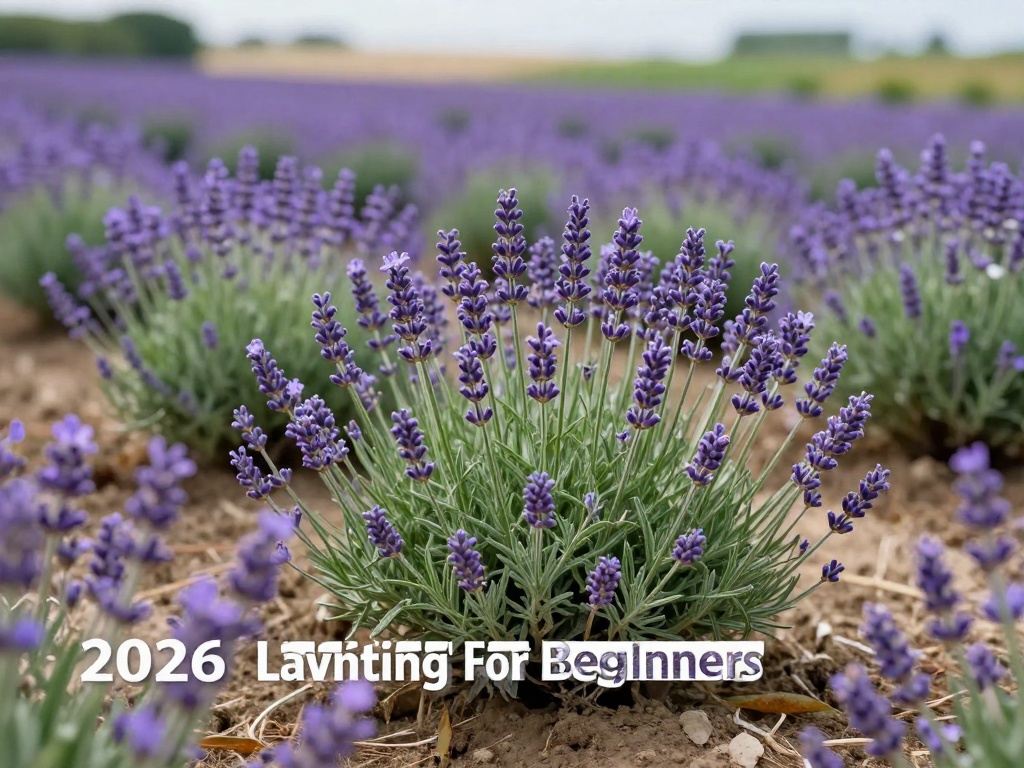
2026 Lavender Planting Guide for Beginners: Start Growing Lavender Successfully
Lavender planting for beginners opens the door to one of the most rewarding gardening experiences available. This fragrant, drought-tolerant herb has charmed gardeners for centuries with its soothing purple blooms and incredible versatility. Whether you dream of fresh lavender sachets, homemade essential oils, or simply a low-maintenance garden that attracts pollinators, learning how to plant lavender successfully is your first step toward garden success.
The good news? Lavender is remarkably forgiving for those just starting their gardening journey. With the right foundation—proper soil conditions, adequate sunlight, and thoughtful placement—your lavender plants will thrive with surprisingly little ongoing effort. This complete starter guide walks you through every essential step, from selecting the ideal location to harvesting your first bountiful blooms.
Why Lavender is Perfect for Beginner Gardeners
Choosing the right plants for your skill level makes all the difference in building gardening confidence. Lavender offers an exceptional combination of beauty, resilience, and practical uses that makes it ideal for those new to cultivation.
Key Benefits of Growing Lavender
- Drought tolerance: Once established, lavender requires minimal watering, making it perfect for busy gardeners or those in dry climates
- Pest resistance: The strong scent naturally repels many common garden pests, including mosquitoes and deer
- Pollinator attraction: Bees, butterflies, and beneficial insects flock to lavender blooms, supporting local ecosystems
- Multi-purpose use: Harvest flowers for crafts, cooking, aromatherapy, or natural remedies
- Longevity: Properly maintained lavender plants can thrive for 10-15 years or longer
Best Lavender Varieties for Beginners
Not all lavender varieties share the same growing requirements. For beginners in moderate climates, English lavender (Lavandula angustifolia) offers exceptional hardiness and ease of care. Popular beginner-friendly varieties include 'Munstead,' known for its compact growth and reliable flowering, and 'Hidcote,' prized for its deeply colored blooms and aromatic foliage.
For those in warmer climates (USDA zones 8-10), French lavender (Lavandula stoechas) and Spanish lavender (Lavandula dentata) provide extended blooming periods but may require more protection from humidity. Spanish lavender is particularly forgiving and produces distinctive pineapple-shaped blooms throughout the growing season.
Understanding Lavender Growing Requirements
Success with lavender planting for beginners starts with understanding what this Mediterranean native needs to flourish. Replicating its natural habitat conditions delivers dramatically better results than treating it like typical garden plants.
Sunlight Needs
Lavender demands full sun exposure—at minimum six hours of direct sunlight daily, though eight hours proves optimal for maximum blooming and oil production. Position your lavender plants where they receive uninterrupted morning sun in most climates. South-facing garden beds, sunny patio corners, or unobstructed windowsills work exceptionally well for container growing.
Insufficient sunlight results in leggy growth, reduced flowering, and increased susceptibility to fungal diseases. If your garden includes partial shade areas, consider more shade-tolerant herbs like mint or lemon balm instead, or reserve your sunniest spots exclusively for lavender cultivation.
Soil Conditions and Drainage
Proper drainage ranks among the most critical factors for successful lavender growing. Lavender originated in rocky, limestone-rich Mediterranean soils, and its roots absolutely cannot tolerate sitting in waterlogged conditions. Heavy clay soils, which retain moisture excessively, frequently prove fatal to lavender plants.
The ideal soil composition for lavender combines the following elements: sandy or gravelly texture for excellent drainage, neutral to slightly alkaline pH between 6.5 and 8.0, and low to moderate fertility. You don't need rich soil—lavender actually performs better in leaner conditions where it concentrates its energy on producing aromatic oils rather than excessive foliage.
For clay-heavy gardens, amend planting beds with generous amounts of coarse sand, gravel, or perlite. Alternatively, create raised beds at least 12-18 inches high filled with a well-draining soil mixture specifically formulated for succulents or lavender.
Step-by-Step Lavender Planting Process
Following this methodical approach ensures your lavender gets the strongest possible start in its new home.
Timing Your Planting
Spring planting, ideally after all danger of frost has passed and soil temperatures reach at least 60°F (15°C), gives lavender the longest growing season to establish itself before winter. In mild climates (zones 7-10), fall planting also works well, allowing roots to develop during the cooler months before summer heat arrives.
Avoid planting during the heat of summer unless necessary—transplant stress combined with intense heat puts unnecessary strain on young plants. Early morning or late afternoon planting sessions minimize transplant shock by avoiding peak sun exposure.
Preparing the Planting Site
Begin your preparation two to three weeks before planting to allow amendments time to integrate with existing soil. Test your soil drainage by digging a hole 12 inches deep, filling it with water, and timing how quickly it drains. Ideally, water should disappear within one to two hours. Slower drainage indicates the need for significant soil amendment or raised bed construction.
Work at least 2-4 inches of coarse sand, perlite, or decomposed granite into the top 12 inches of your planting area. Avoid adding compost or rich organic matter, which can over-fertilize lavender and increase moisture retention. If using raised beds, fill with a mix of 70% topsoil and 30% sand or grit for optimal drainage.
Proper Planting Depth and Spacing
Plant lavender at the same depth it was growing in its nursery container—burying the stem any deeper invites rot problems. The crown (where stems meet roots) should sit precisely at or slightly above soil level. Gently loosen roots before planting to encourage outward growth rather than circling.
Space plants 18-24 inches apart for English and intermedia varieties, allowing adequate air circulation that prevents fungal issues. French and Spanish lavenders may require slightly wider spacing (24-36 inches) due to their larger mature sizes. In containers, select pots at least 12-16 inches in diameter with drainage holes.
Initial Watering and Establishment Care
Water thoroughly immediately after planting to settle soil around roots, then provide deep watering once weekly for the first two months while roots establish. The goal during establishment is consistent moisture—not saturation—encouraging roots to search for water and develop strong anchor systems.
Once established (typically after two growing seasons), lavender rarely needs supplemental watering in most climates. Overwatering remains the leading cause of lavender death, so when in doubt, err on the side of dryness. Your plants will communicate their needs—wilting during afternoon heat is normal; wilting that persists into evening indicates thirst.
Ongoing Lavender Care for Beginners
Established lavender requires remarkably little maintenance compared to most garden plants, though attention to a few key practices ensures longevity and abundant blooming.
Pruning Techniques
Annual pruning forms the backbone of lavender maintenance. In spring, when new growth emerges from the base, trim plants back by approximately one-third, shaping them into a neat, rounded mound. Never cut into old, leafless wood—lavender rarely regenerates from bare stems, and such pruning results in permanent bare patches.
After the first major flush of blooms, light shearing (removing spent flower stalks) often encourages a second flowering period, particularly in English and intermedia varieties. This deadheading practice redirects the plant's energy from seed production toward producing additional blooms and maintaining compact growth.
Fertilizing Considerations
Lavender thrives in low-nutrient soils and generally requires no fertilizing when planted in appropriately lean conditions. Over-fertilizing produces lush, leggy growth at the expense of fragrance and blooms—the opposite of what most gardeners want.
If soil is extremely poor or plants show obvious signs of nutrient deficiency (yellowing leaves, stunted growth), apply a diluted, balanced fertilizer once in early spring at half the recommended strength. Better yet, top-dress around plants annually with a thin layer of sand or gravel, which provides trace minerals while improving surface drainage.
Winter Protection Strategies
Cold-hardiness varies significantly among lavender types. English lavender survives winters to zone 5 with protection, while French varieties often struggle below zone 8. Understanding your USDA hardiness zone helps you select appropriate varieties and prepare accordingly.
In zones 5-6, apply winter protection after the ground freezes: a layer of straw or evergreen boughs over plants prevents freeze-thaw cycles that heave roots from the soil. Remove protection gradually in spring as temperatures warm. Ensure excellent drainage going into winter—wet soil combined with freezing temperatures kills lavender far more effectively than cold alone.
Common Lavender Growing Mistakes to Avoid
Learning from others' errors saves beginners significant frustration and plant losses. These common pitfalls deserve careful attention.
- Overwatering: Water only when soil is completely dry several inches down; lavender is far more likely to die from too much water than too little
- Poor drainage: Amend clay soils extensively or use raised beds—standing water kills lavender within days
- Shade placement: Choose your sunniest location; even partial shade dramatically reduces success
- Pruning too aggressively: Never cut into woody stems without green growth—lavender won't regenerate from bare wood
- Wrong variety selection: Match variety to your climate zone; English lavender struggles in humid southern gardens
- Overcrowding: Provide adequate spacing for air circulation and future growth
Harvesting and Using Your Lavender
One of the greatest rewards of lavender planting for beginners comes when harvest time arrives. Knowing the optimal harvest window makes the difference between aromatic, potent blooms and bland, faded flowers.
When and How to Harvest
Begin harvesting when buds form but before flowers fully open—they contain the highest concentration of essential oils at this stage. Cut stems in the morning after dew evaporates but before heat intensifies, when oil content peaks. Using clean, sharp pruners or scissors, cut stems 2-3 inches above woody growth.
Bundle stems loosely and hang upside down in a dark, dry, well-ventilated location. Drying typically takes 2-4 weeks depending on humidity levels. Once completely dry, strip flowers from stems and store in airtight containers away from light and heat.
Simple Uses for Fresh and Dried Lavender
Homegrown lavender lends itself to countless practical applications. Create relaxing sachets for drawers and closets, add flowers to sugar or vinegar for culinary flavoring, craft homemade soaps and candles, or brew soothing herbal teas. Fresh-cut stems perfume porches and patios while naturally discouraging mosquitoes.
Troubleshooting Common Lavender Problems
Even with excellent care, occasional issues arise. Quick identification and appropriate response keeps minor problems from becoming major ones.
Recognizing and Addressing Root Rot
Root rot manifests as wilted plants despite adequate moisture, often accompanied by brown roots and a musty smell. Unfortunately, advanced root rot cannot be reversed. Prevention through proper drainage and conservative watering remains the only effective strategy. If caught very early, trim affected roots, apply fungicide, and replant in fresh, fast-draining soil.
Managing Fungal Diseases
High humidity promotes fungal problems including powdery mildew and botrytis. Improve air circulation through proper spacing, avoid overhead watering that wets foliage, and remove infected plant material immediately. In humid climates, selecting resistant varieties and providing excellent ventilation becomes especially important.
Dealing with Woody Leggy Plants
Aged lavender often develops bare, woody bases with sparse foliage. While drastic renovation pruning occasionally works with intermedia varieties, most older plants need replacement. Consider this a learning opportunity—regular annual pruning prevents this common problem in future plants.
Building Your Lavender Garden Over Time
Your first successful lavender plant often sparks enthusiasm for expanding your collection. Thoughtful scaling creates a cohesive, productive garden rather than a random accumulation of plants.
Consider companion planting with other Mediterranean herbs sharing similar requirements: rosemary, thyme, sage, and oregano all thrive alongside lavender. These drought-tolerant companions create unified water-wise garden beds that flourish together in challenging conditions.
Group plants by variety and water needs, as different types may require slightly different care schedules. Create paths between planting areas for easy harvesting and maintenance access. A well-planned lavender garden becomes increasingly beautiful and productive with each passing season.
Lavender Planting for Beginners: FAQ
What is the easiest lavender variety for beginners to grow?
English lavender varieties, particularly 'Munstead' and 'Hidcote,' prove most forgiving for beginners due to their excellent cold hardiness, compact growth habits, and reliable blooming. 'Munstead' especially tolerates a wider range of growing conditions than most varieties, making it ideal for those still learning the ropes.
How often should I water newly planted lavender?
Water newly planted lavender deeply once weekly for the first two months during normal weather conditions. Reduce frequency if experiencing heavy rain; increase slightly during drought. After establishment, lavender typically needs water only every 10-14 days or when rainfall is absent for extended periods. Always allow soil to dry completely between waterings.
Can lavender grow successfully in containers for beginners?
Absolutely! Container gardening offers excellent control over soil conditions and drainage—perfect for beginners uncertain about garden bed preparation. Choose pots at least 12 inches in diameter with multiple drainage holes. Use a fast-draining potting mix (cactus/succulent soil works well) and place containers in your sunniest location. Container lavender may need slightly more frequent watering than in-ground plants.
How much time and effort does lavender gardening require?
Lavender ranks among the lowest-maintenance garden plants once established. Initial planting and establishment require moderate effort over several sessions. Annual maintenance consists of one spring pruning (10-15 minutes per mature plant), occasional watering during drought, and light harvesting. This makes lavender ideal for gardeners seeking beautiful results without demanding ongoing time commitments.
How long does it take for lavender to reach maturity and produce blooms?
Most lavender varieties reach mature blooming size within 2-3 growing seasons. The first year focuses primarily on root establishment with minimal flowering. By the second year, expect moderate blooms; by the third year, plants typically reach their full size and produce abundant flowers. Some compact varieties may bloom more quickly, while larger intermedia types often take longer to reach peak production.
What is the expected cost for starting lavender gardening as a beginner?
Starting costs remain quite reasonable. A single lavender plant typically costs $5-15 at local nurseries, while 4-inch starter plants from online suppliers often sell for $3-6 each (plus shipping). Soil amendments, containers, and basic tools may add $20-50 for those starting from scratch. However, established plants can be divided or propagated from cuttings indefinitely, making subsequent additions essentially free.
What mistakes do most beginners make when planting lavender?
The most common beginner mistakes include overwatering, planting in locations with insufficient sunlight, choosing heavy soils without proper drainage modification, selecting varieties inappropriate for their climate zone, and neglecting annual pruning that leads to woody, unproductive plants. Avoiding these pitfalls dramatically increases your likelihood of gardening success with lavender.
When is the best time to plant lavender for optimal results?
Spring planting after all frost danger passes provides the longest establishment period before winter. In zones 7-10, fall planting also works well since winters remain mild. Avoid summer planting in hot climates, as heat stress compounds transplant shock. Early morning planting sessions minimize stress regardless of the season chosen.
Starting your lavender gardening journey today puts you on the path to years of beautiful blooms, heavenly fragrance, and the satisfaction of growing this remarkable herb successfully. The techniques outlined in this guide—from selecting appropriate varieties to providing proper care—equip you with everything needed for thriving lavender plants that reward your efforts abundantly.
No comments