
Parsley Raised Bed for Beginners: 2026 Complete Growing Guide
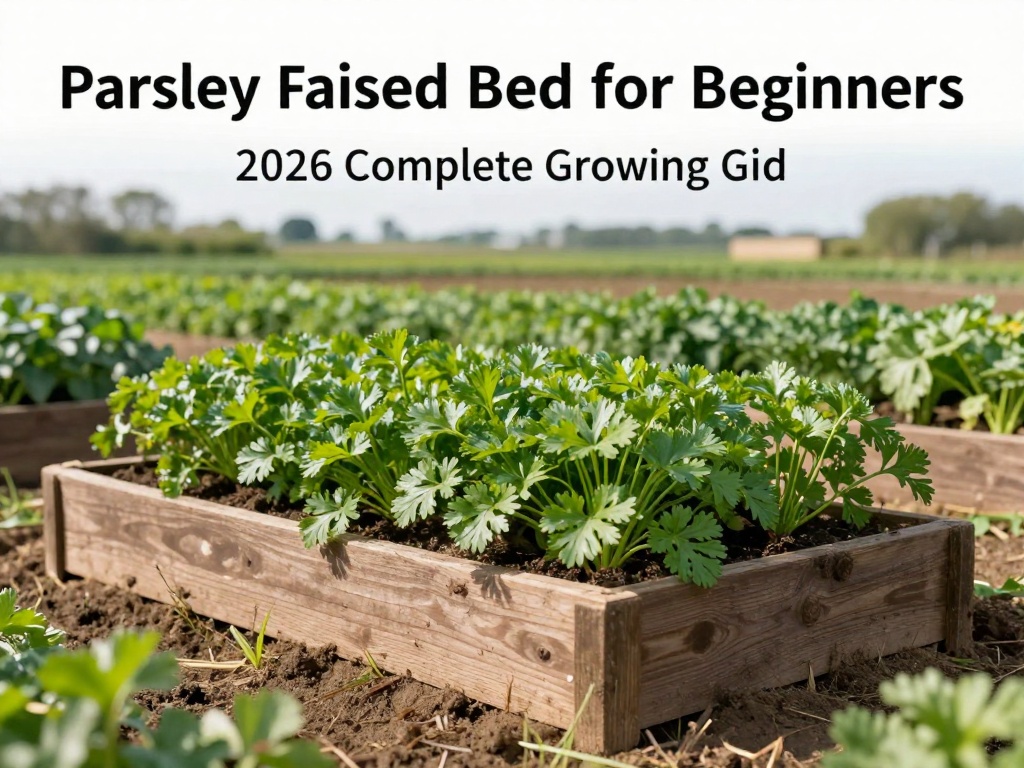
Parsley Raised Bed for Beginners: 2026 Complete Growing Guide
Growing parsley in a raised bed offers one of the most rewarding experiences for new gardeners. This versatile herb thrives in the controlled environment of raised beds, providing fresh flavor for your kitchen throughout the growing season. Whether you have a small backyard or just a sunny patio, parsley raised bed gardening delivers consistent harvests with minimal effort.
Why Choose Raised Beds for Growing Parsley
Parsley adapts exceptionally well to raised bed cultivation, making it perfect for beginners exploring herb gardening. The elevated structure provides superior drainage compared to traditional garden beds, preventing the root rot that commonly affects parsley in waterlogged soil. Additionally, raised beds warm up faster in spring, allowing you to start planting earlier and extend your harvest into late autumn.
Benefits of Raised Bed Gardening for Herbs
When you grow parsley in raised beds, you gain complete control over soil quality and composition. This matters significantly for herbs like parsley, which prefer well-draining, nutrient-rich growing medium. The contained environment also reduces weed competition and makes pest management simpler for beginners learning the ropes of herb cultivation.
Space Efficiency for Small Gardens
Parsley raised bed gardening maximizes your growing area, making it ideal for urban gardeners working with limited space. A single raised bed measuring 4 feet by 4 feet can produce enough parsley to supply a household with fresh herbs all season long. You can also position raised beds on patios, balconies, or any area receiving at least six hours of daily sunlight.
Selecting the Right Raised Bed for Parsley
Choosing appropriate containers for your parsley raised bed setup requires understanding a few key specifications. The depth of your raised bed matters most since parsley develops a taproot that needs adequate room to grow downward. Minimum depth of 8-10 inches supports healthy parsley development, though 12 inches provides optimal conditions for robust root systems.
Materials and Construction
Durable materials like cedar, redwood, or composite lumber work excellently for parsley raised beds. These materials resist decay and won't leach harmful chemicals into your soil. Metal troughs and large containers also serve as effective raised bed alternatives, provided they offer sufficient depth and include adequate drainage holes at the bottom.
Optimal Dimensions for Beginners
For those starting their parsley raised bed journey, dimensions of 2 feet by 4 feet or 3 feet by 3 feet prove most manageable. These sizes allow easy access to all plants without stepping on the soil, which compacts it and damages delicate parsley roots. Keeping bed width under 4 feet ensures you can reach the center comfortably from either side.
Preparing Soil for Parsley Success
Creating the ideal growing medium forms the foundation of successful parsley raised bed gardening. Parsley thrives in slightly acidic to neutral soil with a pH range between 6.0 and 7.0. Commercial potting mixes blended with aged compost provide excellent drainage while retaining enough moisture for consistent hydration.
Soil Recipe for Thriving Parsley
Mix two parts high-quality potting soil with one part aged compost and one part coarse sand or perlite. This combination ensures proper aeration, drainage, and nutrient availability for your parsley plants. Adding a handful of balanced organic fertilizer per square foot supplements the growing medium with essential nutrients for vigorous growth.
Ensuring Proper Drainage
Proper drainage prevents water accumulation that leads to fungal diseases and root problems in parsley. Place a layer of gravel or broken pottery at the bottom of your raised bed before adding soil mixture. This creates a reservoir for excess water while preventing soil from washing out through drainage openings.
Planting Parsley in Your Raised Bed
Sowing parsley directly into your raised bed works well for determined gardeners willing to wait for germination. Parsley seeds benefit from soaking in warm water for 24 hours before planting, which softens the notoriously hard seed coat and accelerates sprouting. Sow seeds shallowly, pressing them gently into the soil surface at approximately quarter-inch depth.
Spacing Guidelines for Healthy Growth
Space parsley plants 6-8 inches apart within your raised bed to allow proper air circulation and room for development. This spacing prevents overcrowding that encourages disease while ensuring each plant receives adequate nutrients from the soil. Thin seedlings promptly once they emerge to maintain proper distances.
Direct Seeding vs Transplanting
Direct seeding suits patient gardeners, as parsley germinates slowly over 2-4 weeks depending on soil temperature. Transplanting nursery-grown seedlings offers faster results and bypasses the germination challenge altogether. If using transplants, handle seedlings gently and plant them at the same depth they occupied in their original containers to prevent stem rot.
Caring for Your Parsley Raised Bed
Maintaining healthy parsley requires consistent attention to watering, feeding, and environmental conditions. Water deeply when the top inch of soil feels dry, typically every 2-3 days during warm weather. Avoid overhead watering that wets foliage, as this promotes fungal issues; instead, water directly at the soil surface to keep leaves dry.
Sunlight Requirements
Parsley performs best in full sun to partial shade, requiring minimum six hours of direct sunlight daily for optimal growth and flavor development. In extremely hot climates, afternoon shade prevents wilting and extends plant vigor. Monitor your raised bed's sun exposure throughout the day to ensure your parsley receives adequate lighting.
Feeding Schedule for Maximum Yield
Supplement your parsley raised bed with balanced liquid fertilizer every 4-6 weeks during the growing season. Dilute to half-strength to prevent fertilizer burn while still providing essential nutrients. Side-dressing with compost or worm castings mid-season maintains soil fertility and supports continued vigorous growth.
Common Problems and Solutions
Even with proper care, beginners may encounter challenges when growing parsley in raised beds. Understanding common issues helps you respond quickly and protect your harvest. Most problems stem from improper watering, inadequate light, or pest pressure that can be managed with simple interventions.
Identifying and Managing Pests
Aphids, spider mites, and parsley worms occasionally target parsley plants, though the herb's strong scent provides natural resistance to many pests. Inspect plants regularly and spray aphids off with a strong water jet or apply insecticidal soap for severe infestations. Hand-picking parsley worms provides organic control without chemicals.
Preventing Common Diseases
Leaf spot, powdery mildew, and root rot affect parsley when growing conditions become unfavorable. Prevent disease by maintaining proper plant spacing, watering at soil level, and ensuring excellent drainage. Remove affected foliage promptly and improve air circulation if disease appears. Copper fungicides offer organic treatment options when necessary.
Harvesting and Storing Your Parsley
Knowing when and how to harvest parsley maximizes your yield while encouraging continued production throughout the season. Begin harvesting once stems have developed at least three segments of leafy growth. Cut outer stems first, leaving the center rosette intact to fuel regrowth for extended harvests.
Proper Harvesting Technique
Harvest parsley by cutting stems at their base using sharp scissors or garden shears. Never pull or tear stems, as this damages the plant and invites disease. Morning harvesting captures peak essential oil concentration for the freshest flavor. Regular harvesting prevents flowering and keeps plants productive longer.
Storage Methods for Freshness
Fresh parsley keeps refrigerated in a glass of water for up to two weeks when loosely covered with a plastic bag. For longer preservation, chop leaves and freeze in ice cube trays with olive oil or water. Dried parsley loses some flavor but remains useful for cooking; hang bundles upside-down in a warm, dry location until crispy, then strip leaves into airtight containers.
Extending Your Parsley Growing Season
Creative season extension techniques allow you to enjoy homegrown parsley beyond typical harvest periods. Cold frames, row covers, and strategic positioning within your raised bed can extend production into winter months for gardeners in moderate climates.
Overwintering Parsley for Spring Harvest
Biennial parsley survives winter in many regions when protected with thick mulch around the root zone. Apply 4-6 inches of straw or shredded leaves over plants in late fall to insulate roots from freezing temperatures. Removing mulch gradually in early spring triggers renewed growth for an early season harvest before new sowings mature.
Succession Planting Strategy
Staggering your parsley plantings ensures continuous harvest throughout the season. Sow new seeds every 3-4 weeks from early spring through midsummer, creating overlapping production cycles. This succession planting approach guarantees steady supply rather than overwhelming abundance followed by shortage.
FAQ
How long does parsley take to grow in a raised bed?
Parsley typically reaches harvestable size within 70-90 days from direct seeding. Transplants provide usable leaves sooner, usually within 3-4 weeks of planting. The slow initial germination period of 2-4 weeks accounts for much of this timeline, but growth accelerates once seedlings establish.
Can parsley grow in partial shade in raised beds?
Parsley tolerates partial shade, though production decreases compared to full sun locations. Plants receiving 4-6 hours of sunlight daily will grow adequately for home use. If shade is unavoidable, position your raised bed to capture morning sun and afternoon shade for best results.
What herbs grow well with parsley in raised beds?
Parsley companion plants include basil, chives, tomatoes, and salad burnet, which share similar cultural requirements. Avoid planting fennel nearby as it competes for nutrients and space. Grouping herbs with matching water and light needs simplifies maintenance and promotes healthy growth for all plants.
How often should I water parsley in raised beds?
Water parsley when the top inch of soil feels dry, typically every 2-3 days during active growth. Raised beds drain faster than in-ground gardens, so monitor moisture levels closely during hot weather. Consistent moisture without waterlogging produces the most flavorful, tender parsley leaves.
What's causing my parsley leaves to turn yellow?
Yellowing parsley leaves indicate overwatering, nutrient deficiency, or root-bound conditions in small containers. Check soil moisture and reduce watering if soggy. Feed with balanced fertilizer if you haven't supplemented recently. Ensure your raised bed provides adequate depth for root development.
Should I let parsley flower in my raised bed?
Preventing parsley from flowering extends your harvest, as flowering signals the end of productive leaf growth. Pinch off flower stalks immediately when they appear. If you want to save seeds for next season, allow several plants to flower and go to seed, then collect mature seed heads for spring planting.
No comments