
Beets Raised Bed in Shade: 2026 Complete Grower's Guide
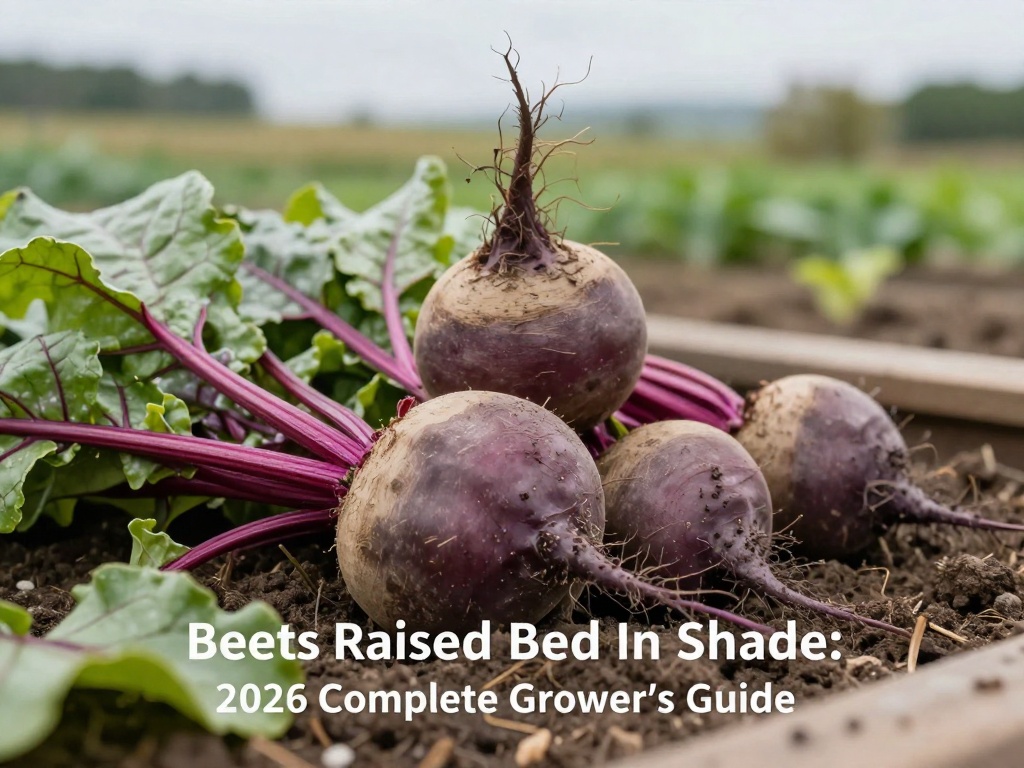
Beets Raised Bed in Shade: 2026 Complete Grower's Guide
Growing beets raised bed in shade is one of the most rewarding strategies for gardeners working with limited sunlight. While beets typically prefer full sun, many gardeners discover that partial shade can actually produce tender, non-woody roots with less bitterness. This 2026 guide walks you through everything you need to know about successfully cultivating beets in raised beds located in shaded areas of your garden.
Why Grow Beets in Shaded Raised Beds?
Beets are remarkably adaptable cool-season vegetables that can thrive with as little as 4-6 hours of direct sunlight daily. This makes them perfect candidates for gardens with partial shade, north-facing beds, or areas blocked by structures and trees. Raised beds offer additional advantages including superior drainage, warmer soil temperatures in spring, and easier soil amendment management.
Benefits of Partial Shade for Beets
Growing beets in raised beds in shade provides several distinct advantages. The reduced light exposure slows evaporation, keeping soil consistently moist—a critical factor for even root development. Additionally, shade helps prevent the roots from becoming tough and fibrous during hot summer months. Many gardeners report that shade-grown beets maintain superior texture and flavor compared to their full-sun counterparts.
Understanding Light Requirements
Beets require a minimum of 4-6 hours of sunlight to produce healthy roots. Areas receiving dappled sunlight or morning sun with afternoon shade work exceptionally well. Sites receiving only reflected light or deep shade will result in poor growth and small, woody roots. Evaluate your garden's light patterns throughout the day before selecting your raised bed location.
Preparing Your Raised Bed for Shade-Grown Beets
Proper raised bed preparation becomes even more critical when growing in reduced light conditions. The soil must be rich, loose, and well-draining to maximize nutrient availability and root expansion in the limited sunlight environment.
Optimal Soil Composition
Fill your raised bed with a nutrient-dense soil mix containing equal parts quality garden soil, well-aged compost, and aged manure. Add perlite or coarse sand to improve drainage and aeration. The ideal pH range for beets is 6.0-7.0. Work in 2-3 inches of compost before planting, and consider adding a light application of balanced organic fertilizer.
Bed Dimensions for Shade Gardening
For growing beets in partial shade, raised beds should be at least 8-12 inches deep to accommodate root development. Width should not exceed 4 feet to ensure you can reach all plants without stepping on soil. North-south orientation helps maximize available light exposure on both sides of the bed.
Selecting Shade-Tolerant Beet Varieties
Choosing the right variety significantly impacts your success when cultivating beets in shaded conditions. Some varieties are naturally more tolerant of reduced light exposure.
Best Beet Varieties for Shade
- Detroit Dark Red: Classic variety with excellent shade tolerance and superior sweetness
- Bull's Blood: Dark red variety known for adapting well to variable light conditions
- Chioggia: Italian heirloom with distinctive striped flesh, performs admirably in partial shade
- Cylindrica: Long, cylindrical roots that develop smoothly in reduced light
- Golden Beets: Yellow-fleshed variety less susceptible to woodiness in shade
- Early Wonder: Fast-maturing variety ideal for succession planting in low-light areas
Choosing Between Seeds and Transplants
Direct sowing seeds into your raised bed is the preferred method for shade-grown beets. Transplanting can stress young plants and reduce their ability to adapt to low-light conditions. Sow seeds 2-4 weeks before the last expected frost when soil temperature reaches 50°F. Plant seeds 1/2 inch deep and 1-2 inches apart in rows spaced 12-18 inches apart.
Planting and Growing Beets in Shade
Successful beet cultivation in raised beds requires attention to timing, spacing, and ongoing care throughout the growing season.
When to Plant
Beets are cool-season crops that tolerate light frosts. In most regions, plant in early spring 2-4 weeks before the last frost, or in late summer for a fall harvest. Shade gardens benefit from earlier spring planting since soil warms more slowly. Fall planting allows you to take advantage of cooling temperatures and reduced pest pressure.
Watering Requirements
Consistent moisture is essential for developing smooth, tender roots. Shaded beds typically require less frequent watering than full-sun locations, but monitor soil moisture regularly. Water deeply when the top inch of soil feels dry, providing 1-1.5 inches of water weekly including rainfall. Avoid overhead watering to prevent fungal diseases in the humid shade environment.
Feeding Schedule
Light feeder beets benefit from a single side-dressing with compost tea or diluted fish emulsion 3-4 weeks after germination. Avoid high-nitrogen fertilizers, which promote excessive foliage growth at the expense of root development. Over-fertilizing in shade conditions can lead to lush but weak growth susceptible to disease.
Thinning Seedlings
Proper thinning dramatically improves your harvest when growing beets raised bed in shade. Thin seedlings to 3-4 inches apart once they develop their second set of true leaves. Use thinned seedlings as microgreens or transplant them to fill gaps. Crowded plants produce small, misshapen roots regardless of light availability.
Managing Common Challenges in Shaded Conditions
Shade gardens present unique challenges that require proactive management strategies for successful beet production.
Pest and Disease Management
Shaded conditions can increase susceptibility to fungal diseases like Cercospora leaf spot and powdery mildew. Ensure adequate plant spacing for air circulation, water at soil level, and remove any diseased foliage promptly. Common pests including leaf miners, aphids, and flea beetles may be less problematic in shade but still require monitoring.
Weed Control
Weeds compete more intensely for available light and nutrients in shaded gardens. Apply a 2-3 inch layer of organic mulch around plants to suppress weeds, retain moisture, and regulate soil temperature. Hand-weed carefully to avoid disturbing shallow beet roots.
Extending the Growing Season
Shade can actually extend your harvest window by slowing bolting during warm weather. Use cold frames or row covers in early spring and late fall to protect plants from frost while maximizing the shade garden's natural temperature regulation benefits.
Harvesting and Storing Your Shade-Grown Beets
Knowing when and how to harvest ensures you enjoy the best flavor and texture from your raised bed beets.
When to Harvest
Most beet varieties reach harvestable size 55-70 days after planting. Harvest when roots are 1-3 inches in diameter for optimal tenderness. Larger roots may become woody, especially in low-light conditions. Harvest before temperatures exceed 85°F, as heat stress can cause woodiness regardless of harvest timing.
Storage Tips
Harvest beets before the first hard frost. Twist off foliage, leaving 1 inch of stems intact. Store unwashed roots in cool, humid conditions at 32-40°F for 2-4 months. Shade-grown beets often have thinner skins and may not store as long as full-sun varieties, so plan to use them within 2-3 months for best quality.
Frequently Asked Questions
Can beets really grow well in shade?
Yes, beets are one of the most shade-tolerant root vegetables. They require only 4-6 hours of sunlight daily and can actually produce more tender, less bitter roots when protected from intense afternoon sun. Partial shade is ideal, while deep shade will result in poor growth.
What's the best soil mix for beets in raised beds?
The ideal soil mix combines equal parts quality garden soil, well-aged compost, and aged manure. Beets prefer loose, well-draining soil with a pH between 6.0-7.0. Add perlite or coarse sand to improve drainage, and incorporate 2-3 inches of compost before planting.
How long does it take to grow beets in shaded raised beds?
Beets typically mature in 55-70 days from seed germination. Growing in shade may add 5-10 days to the harvest timeline but produces superior texture. For continuous harvest, practice succession planting every 3-4 weeks during appropriate growing seasons.
What are the most common mistakes when growing beets in shade?
The most common mistakes include planting too deep (seeds should be 1/2 inch deep), failing to thin seedlings properly, overwatering in cool soil conditions, using excessive nitrogen fertilizer, and harvesting too late when roots become woody. Also avoid planting in true deep shade with less than 4 hours of direct sun.
Do I need to fertilize beets growing in raised beds with shade?
Beets are light feeders and typically need only one light side-dressing of compost tea or diluted organic fertilizer 3-4 weeks after germination. Avoid high-nitrogen fertilizers in shaded conditions as they promote excessive foliage growth over root development. Rich initial soil preparation usually provides sufficient nutrients.
Can I grow other vegetables with beets in shaded raised beds?
Yes, beets companion plant well with lettuce, spinach, radishes, onions, and brassicas in partial shade. These shade-tolerant vegetables share similar light requirements and can be grown together in the same raised bed. Avoid planting tall vegetables that would create additional shade over your beets.
No comments