
Garlic Crop Rotation in Containers: 2026 Complete Guide
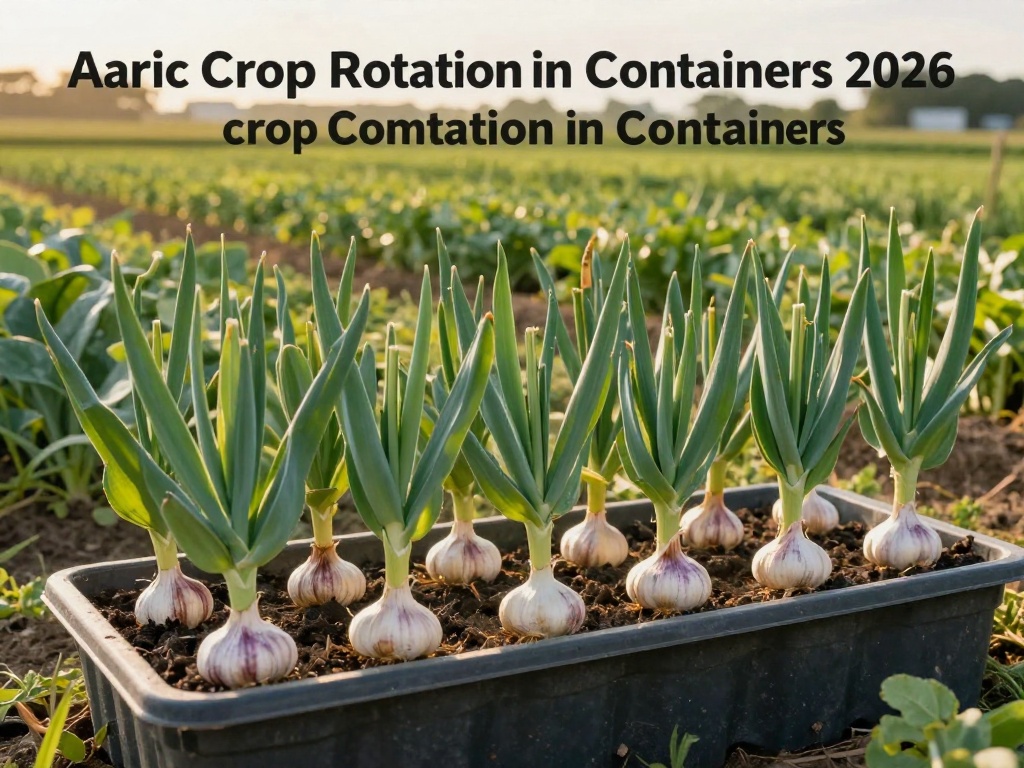
Garlic Crop Rotation in Containers: 2026 Complete Guide
Garlic crop rotation in containers offers urban gardeners and space-conscious growers an effective method to produce healthy, flavorful bulbs year after year. Unlike traditional garden beds, container gardening requires intentional planning to prevent soil depletion and disease buildup. This comprehensive guide walks you through everything you need to know about rotating garlic in containers for optimal results in 2026.
Why Crop Rotation Matters for Container Garlic
When you grow garlic in containers, the limited soil volume means nutrients deplete faster than in ground gardens. Without proper rotation, garlic plants become susceptible to soil-borne diseases like white rot and pink root. Implementing a strategic crop rotation schedule helps break pest cycles, maintains soil fertility, and significantly improves your harvest quality and bulb size.
Container-grown garlic also benefits from the flexibility of movement. You can easily reposition plants to optimize sunlight exposure or create microclimates for different growing stages. This mobility makes container rotation both practical and highly effective compared to fixed garden beds.
The Science Behind Garlic Rotation
Garlic is a light feeder that requires moderate nitrogen during early growth but minimal nutrients once bulbs begin forming. Rotating garlic with nitrogen-fixing plants like peas or beans replenishes soil naturally. Additionally, pathogens specific to allium family plants survive in soil for two to three years, making rotation essential for disease prevention in confined container environments.
Step-by-Step Container Rotation Schedule
Year One: Establish Your Garlic Foundation
Begin with fresh, sterile potting mix specifically formulated for vegetables. Plant garlic cloves at 4-inch depths with 6-inch spacing in containers at least 12 inches deep. Position these containers in your primary "Garlic Zone" receiving full sun exposure of six to eight hours daily.
Label your containers clearly with planting dates and expected harvest times. This documentation proves invaluable when planning subsequent rotations and tracking which soil has been used for alliums.
Year Two: Rotate to Leafy Greens
After harvesting your garlic, do not replant alliums in the same containers. Instead, grow nitrogen-hungry crops like lettuce, spinach, or kale in that soil. These plants benefit from the remaining nutrients while allowing time for any allium-specific pathogens to decline.
Consider adding a layer of compost before planting your greens to boost soil vitality. Remove any remaining garlic plant debris completely to prevent disease persistence.
Year Three: Introduce Root Vegetables
Root vegetables like carrots, beets, or radishes thrive in soil that garlic has partially depleted. These crops access different soil depths and nutrient profiles, promoting balanced soil use. Their vigorous root systems also help break up soil that may have become compacted during previous plantings.
This rotation strategy ensures your container soil maintains structure and biodiversity while recovering from garlic-specific nutrient demands.
Best Companion Plants for Container Garlic
Companion planting enhances your container rotation system by naturally repelling pests and maximizing limited growing space. Tomatoes, peppers, and eggplants grow exceptionally well alongside garlic when rotated in sequence. The strong scent of garlic deters aphids, spider mites, and Japanese beetles that commonly affect these vegetables.
Herbs such as basil, oregano, and parsley also make excellent rotation partners. They require similar growing conditions and contribute to a diverse container garden ecosystem that supports beneficial insects and improves overall plant health.
Container Selection and Soil Management
Choosing appropriate containers significantly impacts rotation success. Select pots with adequate drainage holes and at least 12 inches depth for garlic bulb development. Terra cotta, fabric grow bags, and plastic containers each offer distinct advantages for rotation systems.
Never reuse potting soil from allium crops without pasteurization or complete replacement. Heat-treat used soil by spreading it in a thin layer under direct sunlight for several days, or replace it entirely with fresh mix to eliminate pathogens and restore nutrients.
Optimal Soil Mix for Rotation Success
Create a balanced growing medium using equal parts aged compost, peat moss or coco coir, and perlite or coarse sand. This mixture provides excellent drainage while retaining sufficient moisture for garlic root development. Add organic fertilizer at half-strength during planting to support initial growth without overwhelming young plants.
Common Mistakes to Avoid
- Replanting alliums too soon: Wait at least three years before returning garlic to the same container.
- Neglecting soil replacement: Container soil degrades faster than garden beds and requires more frequent renewal.
- Overcrowding: Maintain proper spacing even in limited containers to ensure adequate airflow and nutrient access.
- Ignoring drainage: Poor drainage leads to rot and fungal issues that persist in rotation cycles.
- Skipping documentation: Keep records of what you plant where to track rotation history effectively.
Seasonal Timing for Container Rotation
In most climate zones, hardneck garlic planted in fall produces superior bulbs by mid-summer. Softneck varieties offer flexibility for spring planting in warmer regions. Plan your rotation calendar around these primary planting windows to maximize growing efficiency.
Begin fall garlic rotation planning by midsummer, preparing containers and fresh soil while the current crop matures. Spring rotation crops should be established as soon as soil temperatures permit, typically two to four weeks before last expected frost.
Troubleshooting Container Rotation Problems
If your container garlic shows signs of yellowing leaves, stunted growth, or soft bulbs, evaluate your rotation schedule immediately. These symptoms often indicate nitrogen deficiency, overwatering, or persistent soil diseases from inadequate rotation intervals.
Implement corrective measures by replacing affected soil completely and adjusting your rotation timeline to include more diverse crops. Healthy garlic displays vibrant green foliage and produces bulbs with tight, papery outer wrappers. Monitor plants weekly during growing season to catch issues before they compromise your harvest.
FAQ: Garlic Crop Rotation in Containers
How long should I wait before planting garlic in the same container again?
Wait a minimum of three years before returning garlic or any allium family crop to the same container. This interval allows time for garlic-specific pathogens to die off naturally and for soil nutrients to replenish through rotation with different plant families.
Can I grow garlic in small containers as part of a rotation system?
Yes, garlic thrives in containers as small as 8 inches wide and 12 inches deep when properly spaced. Single-clove containers work well for small-space gardeners, though larger containers allow for more sustainable rotation practices.
What is the easiest rotation sequence for container garlic beginners?
The simplest three-year rotation follows this pattern: Year one, plant garlic; Year two, grow leafy greens like lettuce or spinach; Year three, plant root vegetables such as carrots or beets. Then return to garlic in year four.
How much does a container garlic rotation system cost to start?
Starting costs range from $30 to $100 depending on container quality, soil mix quantity, and garlic seed stock. Initial investment includes containers, fresh potting soil, organic fertilizer, and quality seed garlic cloves. Long-term rotation reduces annual costs as you reuse containers and supplement with compost.
When will I see results from implementing crop rotation?
Noticeable improvements typically appear within the first rotation cycle. By the second year of proper rotation, most gardeners report larger bulbs, fewer disease issues, and more vigorous plant growth compared to non-rotated containers.
What common mistakes destroy container rotation benefits?
The most damaging errors include replanting alliums in used soil within one year, failing to replace depleted soil between crops, and using contaminated tools or containers without sanitization. These mistakes reintroduce pathogens and deplete nutrients faster than rotation can compensate.
Can I combine container rotation with vertical gardening techniques?
Absolutely. Vertical gardening systems work exceptionally well with rotation schedules. Stack or tier containers to maximize space while maintaining separate rotation tracks for each growing section. This approach proves especially valuable for apartment gardeners with limited balcony or patio space.
No comments