
Pumpkin Seed Starting on Balcony: 2026 Grower's Guide
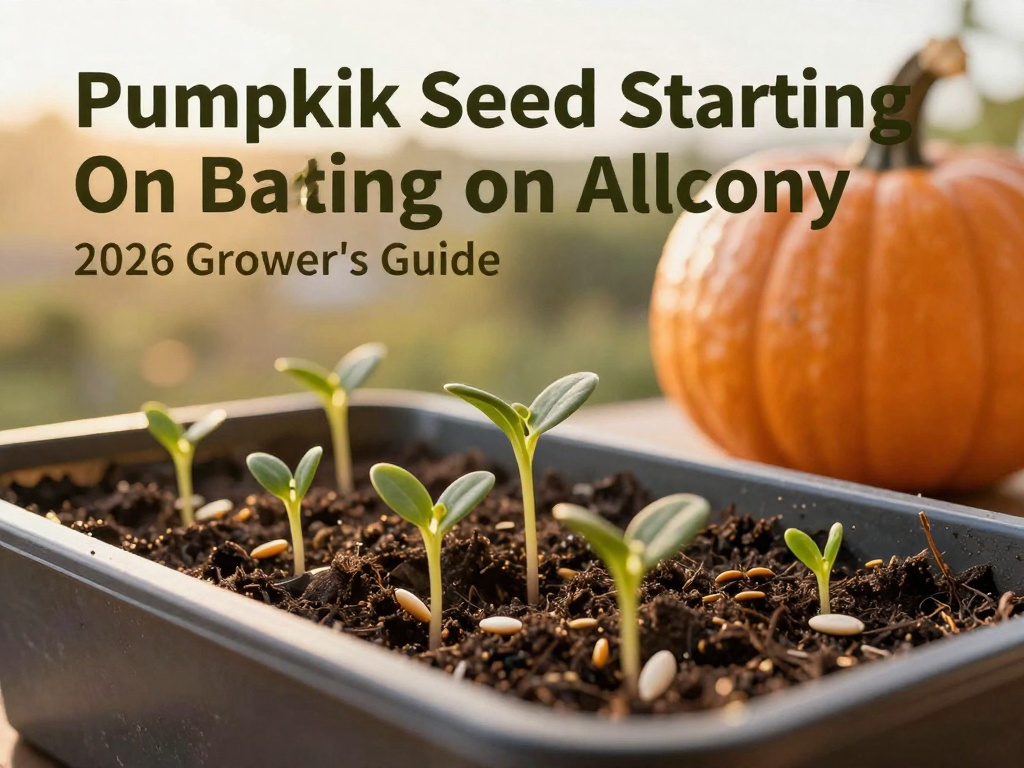
Pumpkin Seed Starting on Balcony: 2026 Grower's Guide
Growing pumpkins on a balcony might sound ambitious, but it is entirely achievable with the right approach. Whether you have a sprawling apartment terrace or a modest fire escape platform, starting pumpkin seeds in containers allows you to enjoy homegrown harvest without needing a traditional garden plot. This complete guide walks you through every step of pumpkin seed starting on balcony spaces, from selecting the right varieties to harvesting your own pumpkins.
Why Grow Pumpkins on a Balcony?
Balcony gardening has surged in popularity as urban living spaces become more common. Pumpkins are surprisingly well-suited for container growing when you understand their basic needs. These vining plants can be trained to grow vertically on trellises, making efficient use of limited floor space while adding visual interest to your outdoor area.
Beyond the obvious benefit of fresh produce, balcony pumpkin cultivation offers complete control over soil quality, moisture levels, and pest management. You can practice organic methods easily and enjoy the satisfaction of harvesting your own pumpkins just steps from your kitchen.
Choosing the Right Pumpkin Varieties for Balcony Growing
Not all pumpkin varieties thrive in containers. Compact and bush-type pumpkins perform best in limited spaces because they produce shorter vines that require less structural support.
Best Pumpkin Varieties for Containers
- Jack Be Little: Miniature pumpkins reaching only 3-5 inches wide, perfect for decorative and culinary uses
- Baby Boo: White-fleshed mini pumpkins weighing around 1-2 pounds each
- Buttercup: Compact bush variety producing sweet, dense flesh
- Pepitas: Hull-less variety ideal if you want edible seeds
- Lumina: White-skinned pumpkin that adds unique visual appeal
Dwarf and Bush Varieties
Dwarf pumpkin varieties have been specifically bred for small-space gardening. These plants typically produce vines reaching only 4-6 feet compared to standard varieties that can sprawl 15-20 feet. Bush varieties like Bush Delicata and Bush Sugar treat offer manageable growth habits with excellent fruit production.
When to Start Pumpkin Seeds on Your Balcony
Timing matters significantly for balcony pumpkin cultivation. Most varieties require 90-120 frost-free days to reach maturity, making your local climate essential for planning.
Understanding Your Growing Zone
Identify your USDA hardiness zone to determine the last expected frost date in spring. Count backward from this date to find your ideal seed starting window. In warmer climates (zones 7-10), you can start seeds outdoors directly in containers by mid-spring. In cooler regions, beginning seeds indoors 3-4 weeks before the last frost provides a head start.
Countdown to Harvest
Track your specific variety's days to maturity on the seed packet. Add two weeks for transplanting shock if starting indoors. This calculation helps you verify whether your balcony receives enough warm growing days to produce mature pumpkins before cool autumn temperatures arrive.
Essential Materials for Container Pumpkin Growing
Gathering the right supplies before planting ensures smooth establishment and reduces complications during the growing season.
Choosing Containers for Pumpkin Plants
Container size directly impacts plant health and fruit production. Each pumpkin plant requires a minimum of 15 gallons of soil volume, though 20-30 gallons produces better results. Fabric grow bags offer excellent drainage and air pruning for roots, while large plastic containers retain moisture more consistently. Wooden barrels and half-whiskey barrels provide ample depth and width for mature plants.
Soil and Amendments
Use a high-quality potting mix specifically formulated for containers rather than garden soil. Mix in compost at approximately 25% volume to boost nutrients and water retention. Adding perlite improves drainage, which prevents the root rot that commonly affects container pumpkins. A slow-release granular fertilizer mixed into the soil at planting provides consistent nutrition throughout the season.
Step-by-Step Pumpkin Seed Starting Process
Preparing Seeds for Planting
Fresh pumpkin seeds typically germinate readily without special treatment. However, soaking seeds in room-temperature water for 2-4 hours before planting can accelerate germination by hydrating the seed coat. Place seeds between damp paper towels in a warm location to pre-sprout if you want visible roots before planting, which helps verify viability in older seed stock.
Planting Depth and Technique
Plant pumpkin seeds approximately 1 inch deep in your prepared containers. Position two or three seeds per container, spacing them 3-4 inches apart. Cover lightly with soil and water thoroughly until moisture drains from the bottom. Maintain consistent moisture during germination, which typically occurs within 5-10 days at temperatures between 70-85°F.
Thinning Seedlings
Once seedlings develop their second set of true leaves, select the strongest plant in each container and remove the extras. Snip unwanted seedlings at soil level rather than pulling them, which disturbs the remaining plant's roots. Each container should ultimately support only one pumpkin plant for optimal fruit development.
Caring for Balcony Pumpkin Plants
Watering Requirements
Container pumpkins require more frequent watering than garden-grown plants because containers dry out faster, especially in warm weather. Water deeply when the top inch of soil feels dry, typically every 2-3 days during summer. Morning watering allows foliage to dry before evening, reducing fungal disease risks. Consider installing drip irrigation with a timer for consistent moisture delivery.
Fertilizing Schedule
Begin feeding with a balanced liquid fertilizer diluted to half strength two weeks after germination. Switch to a fertilizer higher in phosphorus and potassium once flowering begins to support fruit development. Continue applications every two weeks throughout the growing season, following package directions carefully to prevent fertilizer burn.
Pollination Considerations
Pumpkins produce separate male and female flowers, requiring insect pollination for fruit set. Balcony environments may lack sufficient pollinators, especially on higher floors. Hand pollination provides reliable results by transferring pollen from male flowers to female flowers using a small paintbrush or cotton swab. Identify female flowers by the small fruit forming behind the bloom.
Training Pumpkins Vertically
Vertical growing maximizes limited balcony space while keeping fruits clean and accessible. Installing proper support structures early prevents damage to developing vines and roots.
Trellis Options for Container Pumpkins
sturdy trellis should support at least 50 pounds when fully loaded with vines and fruit. Cattle panels wired to sturdy posts work excellently, as do heavy-duty garden trellises rated for squash vines. Position trellises against walls or railings where they receive maximum sunlight exposure.
Supporting Developing Fruit
As pumpkins develop, they require mesh slings or fabric hammets attached to the trellis to prevent stem breakage. Old pantyhose or commercial fruit hammocks cradle the weight securely while allowing air circulation around the skin. Check supports weekly and adjust as fruits grow larger.
Common Problems and Solutions
Yellowing Leaves
Yellow foliage often indicates overwatering, nutrient deficiency, or root crowding. Examine soil moisture first and adjust watering frequency accordingly. If soil appears adequately moist, apply a balanced fertilizer and verify that roots have not filled the container completely. Transplant to a larger container if root binding is evident.
Powdery Mildew
This fungal disease appears as white powdery spots on leaves and thrives in humid conditions with poor air circulation. Improve spacing between containers and prune interior foliage to increase airflow. Apply neem oil or a baking soda solution (1 tablespoon per gallon of water) as organic treatment options.
Pest Management
Aphids, spider mites, and squash bugs may target balcony pumpkins. Inspect plants regularly and remove pests manually when possible. Strong water sprays dislodge aphids and spider mites effectively. Row covers prevent insect access during early growth stages if pest pressure is severe.
Harvesting Your Balcony Pumpkins
Pumpkins are ready for harvest when the skin develops full, uniform color and resists puncturing when pressed with a thumbnail. The vine usually produces a tendril nearest the fruit that turns brown and corky at maturity. Cut stems cleanly with pruning shears, leaving 3-4 inches attached to the pumpkin.
Cure harvested pumpkins in a warm, dry location for 10-14 days to harden the skin and improve storage quality. Properly cured pumpkins keep for 2-3 months in cool, dry conditions. Mini pumpkins may be enjoyed both decoratively and culinarily throughout the autumn season.
Frequently Asked Questions
Can I grow full-sized pumpkins on a balcony?
Full-sized pumpkins are challenging but possible with very large containers (30+ gallons), strong vertical support, and consistent care. However, miniature and bush varieties produce better results in limited spaces and are recommended for most balcony gardeners.
How much sunlight do pumpkin plants need on a balcony?
Pumpkins require minimum 6-8 hours of direct sunlight daily for healthy growth and fruiting. South-facing balconies provide ideal exposure, while east or west-facing locations work with reduced variety selection. North-facing balconies generally receive insufficient light for pumpkin cultivation.
What is the biggest mistake beginners make growing pumpkins in containers?
Using undersized containers ranks among the most common errors. Restricting root growth severely limits plant vigor and fruit production. Starting with at least 15-gallon containers and sizing up as plants develop prevents this limitation that dooms many balcony pumpkin attempts.
When should I start pumpkin seeds indoors for balcony growing?
Start seeds indoors 3-4 weeks before your last expected frost date if you live in a region with short summers. This timing allows plants to establish before transplanting outdoors once nighttime temperatures consistently exceed 50°F. In warm climates with extended growing seasons, direct outdoor sowing typically succeeds.
How often should I water container pumpkin plants?
Water container pumpkins when the top inch of soil dries out, typically every 2-3 days during warm weather. During hot spells or windy conditions, daily watering may be necessary. Consistent moisture prevents fruit development problems and blossom end rot commonly caused by irregular watering.
What is the expected yield from balcony pumpkin plants?
Well-maintained container pumpkins typically produce 2-5 fruits per plant depending on variety and growing conditions. Miniature varieties often yield more fruits by weight than single large pumpkins. Proper pollination, consistent feeding, and adequate container size maximize productive potential.
No comments